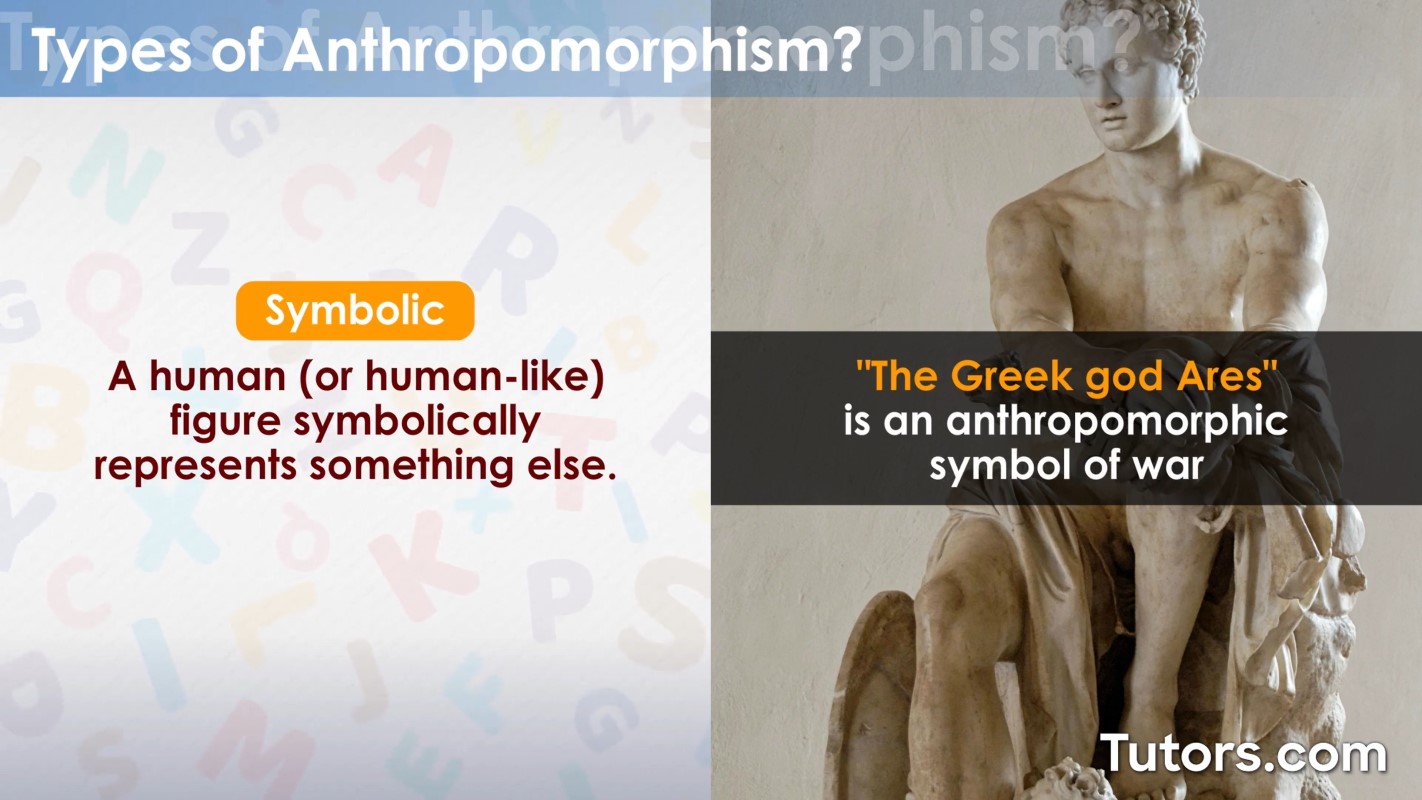
Human beings have an enduring penchant for imbuing inanimate objects, abstract concepts, and non-human entities with human-like qualities. This inclination, known as anthropomorphism, pervades various domains of life, from literature and art to technology and everyday social interactions. Within the realm of neuroscience, this phenomenon manifests conspicuously, influencing not only the interpretation of scientific findings but also the broader public perception of the brain and the mind. Understanding the nuanced interplay between anthropomorphism and neuroscience unveils an intriguing intersection where fascination, cognition, and culture converge in unexpected ways.
The Magnetic Allure of Anthropomorphism in Neuroscience
The human brain is arguably the most enigmatic organ, replete with mysteries that captivate both scientists and laypersons alike. Given its complexity and centrality to identity, it is hardly surprising that people often anthropomorphize the brain in their quest to make sense of its workings. Terms such as “brain circuits deciding,” “neurons communicating,” or “cognitive control exerted” resonate deeply because they echo the familiar language of human agency and intention.
This linguistic framing is more than mere metaphor; it is a reflective mirror of a deeper psychological impulse. Anthropomorphism satisfies a profound need to render the unfamiliar intelligible. By attributing human-like intentions or emotions to neural processes, the public bridges a cognitive chasm between abstract scientific data and relatable experience. Such framing can enhance engagement and accessibility, making complex neuroscientific concepts more approachable.
Anthropomorphism as a Double-Edged Sword in Neuroscientific Communication
Although anthropomorphism can serve as an effective communicative tool, it carries inherent pitfalls. The human tendency to interpret scientific phenomena through the lens of human-like agency may inadvertently distort understanding. Simplifying intricacies of brain function into anthropomorphic narratives risks fostering misconceptions about neural processes, leading to determinism or reductionism.
For example, the depiction of neurons “deciding” or brain regions “wanting” can subtly insinuate volition where none exists. This may engender beliefs that cognitive or mental phenomena arise from discrete “agents” within the brain rather than complex, emergent interactions across neural networks. Such misconceptions can influence public attitudes towards mental health, responsibility, and identity, shaping societal discourse in potentially deleterious ways.
Anthropomorphism as a Gateway to Emotional Engagement with Neuroscience
Beyond the cognitive realm, anthropomorphic representations elicit emotional resonance. People are naturally predisposed to empathize with entities displaying human-like traits. When neuroscientific concepts are personified, they no longer appear as sterile data points but transform into vivid narratives replete with drama, conflict, and resolution.
This emotional engagement catalyzes interest and curiosity. For instance, research demonstrating “brain plasticity” is often described in terms of the brain’s “adaptive” or “resilient” nature, invoking qualities akin to human perseverance. Such portrayals can inspire hope and agency among individuals dealing with neurological challenges, fostering a more compassionate and proactive public mindset toward brain health.
The Role of Media and Popular Culture in Anthropomorphizing Neuroscience
Media representation profoundly shapes public understanding. Popular culture frequently harnesses anthropomorphism to render neuroscience narratives captivating and memorable. Animated visualizations of neural processes, metaphoric storytelling about “fighting depression” or “unlocking the brain’s potential,” and personified depictions of neurotransmitters exemplify this trend.
While these devices undeniably enhance appeal, they also cement particular frames that may oversimplify or skew scientific accuracy. The tension between fidelity to empirical complexity and the allure of humanized storytelling persists as a continuous challenge. Nonetheless, such anthropomorphic techniques remain indispensable in science communication given their ability to reach and influence diverse audiences.
Historical Roots and Evolution of Anthropomorphism in Brain Science
Anthropomorphism in neuroscience is not a novel phenomenon; it has deep historical antecedents. Early conceptions of the mind often revolved around notions of “spirits,” “souls,” or other anthropocentric agents inhabiting the body. Over centuries, as scientific methods advanced, the humanization of brain function evolved into metaphorical language reflecting mechanistic yet personalized processes.
This evolving lexicon reflects shifting epistemological paradigms and the perennial human effort to harmonize objective inquiry with subjective experience. Tracing this history reveals how anthropomorphism in neuroscience straddles the boundary between science and philosophy, fact and metaphor, objectivity and meaning-making.
Psychological Underpinnings of the Anthropomorphic Impulse
Psychology sheds light on why anthropomorphism in neuroscience resonates so profoundly. Humans possess an innate proclivity to attribute intentionality and emotion to the world as a survival mechanism—detecting agency and anticipating behavior confers an evolutionary advantage. This extends to interpreting complex systems like the brain, especially when direct observations are inaccessible.
Moreover, social cognition relies heavily on theory of mind, the ability to infer others’ mental states. When applied to neuroscientific phenomena, this capacity prompts the projection of familiar mental attributes onto neural substrates, smoothing the path toward comprehension and empathy. Such mechanisms highlight how anthropomorphism fulfills both epistemic and affective functions.
Implications for Neuroscientific Literacy and Public Policy
The prevalence of anthropomorphism in shaping public perception bears tangible implications for neuroscientific literacy and policymaking. Misinterpretations fueled by oversimplified anthropomorphic metaphors may obstruct nuanced discourse on brain-related issues ranging from mental health stigma to neuroethics.
Educators and communicators bear responsibility to balance empathy-inducing narratives with clarity and precision. Enhancing public understanding requires cultivating critical awareness of metaphorical language’s limitations and fostering engagement with neuroscience’s inherent complexity. As brain science increasingly informs public health, legal frameworks, and social policy, grounding perceptions in an informed and critical perspective becomes imperative.
Future Directions: Navigating the Anthropomorphic Landscape in Neuroscience
Looking forward, the interplay between anthropomorphism and neuroscience demands thoughtful navigation. Advances in neuroimaging, artificial intelligence, and cognitive modeling will continue to generate sophisticated datasets, challenging traditional metaphorical representations. Simultaneously, evolving societal values and educational paradigms will shape how neuroscience is communicated and understood.
Innovative approaches that acknowledge anthropomorphism’s pedagogical utility while mitigating its distortive risks are essential. Incorporation of interdisciplinary perspectives—from philosophy to communication studies—can enrich frameworks for interpreting and conveying neuroscientific knowledge. Ultimately, embracing the complexity of brain science alongside the human desire for relatable narratives offers a pathway toward deeper, more authentic engagement.