In the labyrinthine world of cryptocurrency, where algorithms hum like distant oracles and blockchain ledgers stretch into infinity, a curious phenomenon has emerged: the rise of cryptocurrency mascots. These anthropomorphic avatars—ranging from the whimsical to the downright surreal—have begun to populate the digital landscape, serving as the cheerful ambassadors of decentralized finance. But why do we anthropomorphize these digital entities? What compels us to imbue cold, mathematical constructs with personality, charm, and even emotion? The answer lies not merely in marketing strategy but in the deep-seated psychological and cultural impulses that have shaped human interaction for millennia.
The Psychological Pull of Personification
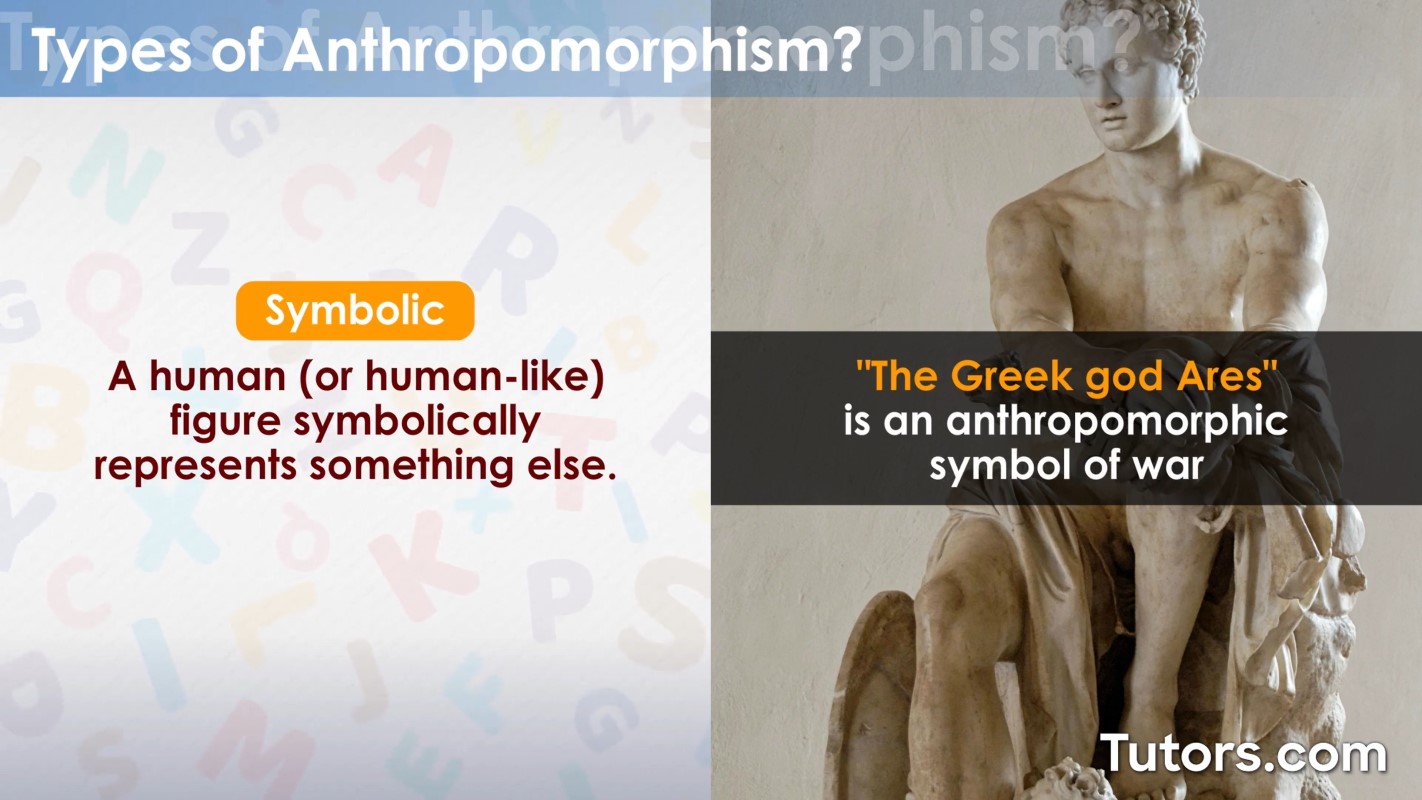
At its core, anthropomorphism is the cognitive bridge that connects the unfamiliar to the familiar. When confronted with abstract or complex systems—such as cryptocurrency protocols—our brains instinctively seek to simplify and humanize them. This tendency is not new; ancient civilizations personified natural forces like storms and rivers, attributing them with motives and emotions to make sense of the world. Today, we apply the same mental shortcut to digital currencies. A Bitcoin logo transformed into a friendly, cartoonish face is no longer just a symbol; it becomes a character in a narrative we can relate to. This process, known as ontological anthropomorphism, allows us to navigate the intangible with the same ease we navigate human interactions.
Moreover, the uncanny valley effect plays a subtle role here. When a mascot strikes the right balance between human-like and abstract, it triggers a sense of comfort rather than unease. Too abstract, and it fails to resonate; too human, and it risks feeling unsettling. Cryptocurrency mascots often occupy this sweet spot, blending stylized features with exaggerated expressions that evoke trust and approachability. This delicate equilibrium ensures that users don’t recoil from their digital counterparts but instead feel an inexplicable kinship.
The Narrative Power of Mascots in a Decentralized World
Cryptocurrency, by its very nature, is a story of rebellion against centralized authority. Yet, paradoxically, it thrives on the creation of new symbols and narratives that can be universally understood. Mascots serve as the protagonists in these stories, embodying the ethos of innovation, resilience, and community. Consider the mascot of a blockchain project: it might be a lion with a blockchain tail, symbolizing strength and transparency, or a fox with a key, representing cunning and access. These characters transform abstract concepts—decentralization, immutability, scarcity—into tangible, memorable tales.
This narrative function is particularly potent in an ecosystem where trust is not guaranteed by institutions but must be earned through code and community. A mascot becomes a trust anchor, a visual shorthand that conveys reliability without the need for lengthy explanations. When users see a mascot smiling back at them from a wallet interface or a project’s website, it subconsciously signals that the project is approachable, transparent, and, above all, human. In a space often criticized for its opacity, these characters act as beacons of clarity, guiding both novices and veterans through the noise.
The Role of Mascots in Community Building
Cryptocurrency projects are not just technological endeavors; they are social movements. The success of a blockchain often hinges on its ability to foster a loyal community, and mascots are the glue that binds these communities together. They provide a shared identity, a rallying point around which enthusiasts can coalesce. Think of the Dogecoin Shiba Inu, which transcended its meme origins to become a symbol of grassroots crypto adoption. Its playful demeanor and meme-worthy appeal turned it into a cultural phenomenon, uniting strangers under a single, lighthearted banner.
Mascots also serve as social lubricants, facilitating interactions within online forums, Discord servers, and Twitter threads. When users adopt a mascot as their avatar or profile picture, they signal their allegiance to a project’s values. This visual shorthand fosters a sense of belonging, transforming isolated individuals into a cohesive collective. The mascot becomes a tribal totem, a visual cue that says, “I am part of this story.” In an industry where tribalism can be both a strength and a weakness, mascots act as unifying symbols that transcend geographical and cultural divides.
The Aesthetic of Trust: Designing Mascots for the Digital Age
The design of a cryptocurrency mascot is far from arbitrary. Every curve, color, and expression is meticulously crafted to evoke specific emotions and associations. Bright, primary colors often dominate, as they subconsciously signal approachability and energy. Rounded shapes and soft edges reduce perceived aggression, making the mascot feel more inviting. Even the choice of animal or object is deliberate: foxes suggest cleverness, bears imply strength, and robots hint at futurism. These design choices are not merely aesthetic preferences but strategic tools to shape user perception.
Consider the contrast between a mascot designed for a serious, enterprise-focused blockchain versus one created for a playful, community-driven project. The former might feature sleek, minimalist lines and a muted color palette, while the latter could boast vibrant hues and exaggerated, cartoonish features. This divergence in design reflects the dual nature of cryptocurrency itself—a technology that must balance innovation with relatability. The mascot, in this context, is not just a decorative element but a visual manifesto, encapsulating the project’s identity in a single, memorable image.

Moreover, the evolution of mascot design mirrors the maturation of the crypto space. Early mascots leaned heavily on meme culture, borrowing from internet tropes to appeal to a tech-savvy, irreverent audience. Today, however, we see a shift toward more sophisticated, narrative-driven designs that tell a story about the project’s mission. This evolution reflects a broader trend in crypto: the move from niche experimentation to mainstream adoption. As the industry grows, so too does the need for mascots that can resonate with a wider, more diverse audience.
The Deeper Cultural Significance of Anthropomorphism
To understand why we anthropomorphize cryptocurrency mascots, we must look beyond the immediate utility of these characters and examine the deeper cultural currents that shape our fascination with them. Anthropomorphism is not merely a cognitive tool; it is a reflection of our innate desire to find meaning in the world around us. In an era where technology increasingly mediates our interactions, mascots provide a human touch, a reminder that behind every algorithm and smart contract, there are people—developers, investors, and enthusiasts—driving the narrative forward.
This phenomenon also speaks to a broader societal shift. As traditional institutions lose their luster, we seek new forms of meaning and connection. Cryptocurrency, with its promise of financial sovereignty and decentralized governance, offers a compelling alternative. Mascots, in turn, become the avatars of agency, symbols of our ability to shape our own economic destinies. They transform abstract financial concepts into tangible, relatable experiences, bridging the gap between the digital and the human.
There is also an element of playfulness in this anthropomorphism, a rejection of the sterile, impersonal language that often dominates discussions about technology. By infusing crypto with personality, we reclaim a sense of joy and creativity in an industry that can sometimes feel overwhelmingly complex. The mascot becomes a counterpoint to the cold, unfeeling nature of code, a reminder that innovation can—and should—be fun.
Conclusion: The Mascot as a Mirror of Human Aspiration
Cryptocurrency mascots are more than just marketing gimmicks; they are the embodiment of our collective desire to humanize the digital world. They serve as psychological anchors, narrative devices, and community builders, all while reflecting the deeper cultural currents of our time. In a space defined by abstraction and complexity, these characters offer a touch of warmth, a dash of personality, and a sense of connection. They remind us that behind every blockchain, there is a story waiting to be told—and a mascot waiting to tell it.
As the cryptocurrency ecosystem continues to evolve, so too will the role of mascots. They may start as simple symbols, but they have the potential to become the mythic figures of a new financial paradigm. Whether through memes, art, or interactive experiences, these anthropomorphic avatars will continue to shape our relationship with digital currency, one smile at a time.