Why do some brain injuries seem to invite a more imaginative, almost whimsical reinterpretation of the world, where inanimate objects, abstract shapes, or even technological devices take on human-like qualities and intentions? This curious phenomenon—an increased tendency toward anthropomorphism following certain neural traumas—provokes profound questions about the interplay between cognition, perception, and the essence of human experience. Could it be that specific disruptions within the brain’s intricately wired networks loosen the boundaries between self and other, prompting the mind to find familiar humanity in the unfamiliar? Exploring this enigma reveals not just how brain injuries influence behavior, but also illuminates fundamental mechanisms underlying social cognition and the construction of reality.
The Neurological Foundations of Anthropomorphism
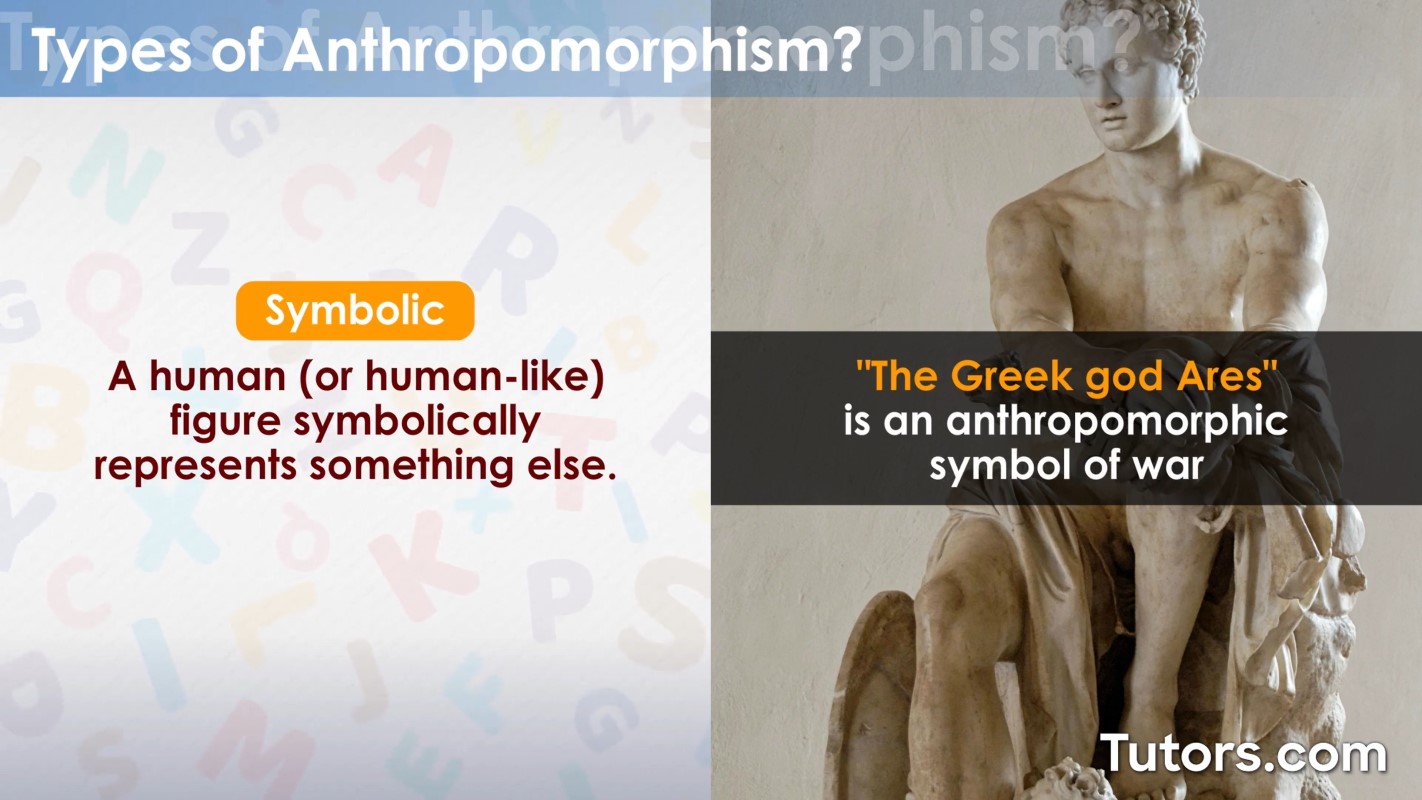
Anthropomorphism—the attribution of human traits, emotions, or intentions to non-human entities—is a ubiquitous cognitive universal. It emerges naturally through the brain’s sophisticated social machinery designed to interpret cues from other humans. Central to this machinery are regions such as the temporoparietal junction (TPJ), medial prefrontal cortex (mPFC), and the superior temporal sulcus (STS), which collectively enable theory of mind (ToM)—the ability to attribute mental states to others. When functioning optimally, these networks calibrate our interpretations of the environment, finely balancing the distinction between animate and inanimate, self and other.
However, when certain brain injuries occur—especially those affecting the frontal lobes, parietal regions, or pathways involved in social cognition—this delicate balance can be disrupted. Damage may lead to altered filtering or interpretation of sensory information, increasing the propensity to see intention or emotion where none objectively exists. This neurological misattribution serves as a key substrate for enhanced anthropomorphic responses.
Frontal Lobe Damage and the Blurring of Intentionality
The frontal lobes, particularly the prefrontal cortex, govern executive functions such as inhibition, decision-making, and reality monitoring. When these areas sustain injury, individuals often exhibit diminished cognitive control and impaired judgment. One consequence is a reduced capacity to suppress automatic, imaginative interpretations of stimuli—a phenomenon known as “reality monitoring deficit.”
For example, following frontal lobe injury, mundane objects may be imbued with elaborate human-like narratives or motives, betraying an impaired ability to reject fanciful mental constructs. Without adequate frontal regulatory oversight, the brain’s natural tendency to simulate social scenarios runs unchecked, resulting in a playful, yet persistent, anthropomorphic lens through which the world is viewed. This tendency can be perplexing and, at times, disorienting for patients and their observers alike.
The Role of the Temporoparietal Junction and Social Disconnection
The TPJ is pivotal in differentiating self from others and in attributing intentions. Injuries to this region can blur the cognitive lines between inanimate entities and social agents, fostering a hyperactive search for agency in non-social stimuli. Such individuals might, for instance, interpret geometric shapes or mechanical apparatuses as possessing desires or emotions.
This hyper-sensitivity to agency can be conceptualized as a compensatory mechanism attempting to mitigate social disconnection caused by neurological impairment. When direct social interactions become cognitively or emotionally taxing due to brain injury, the mind may redirect its social inferences onto objects that are safer or simpler to engage with. Thus, anthropomorphism may serve as a bridge, re-establishing a semblance of social connection, albeit with the non-human.
Disruption of Sensory Integration and Perceptual Ambiguity
Brain injuries can also impair the integration of multisensory input, leading to increased perceptual ambiguity. When sensory data becomes fragmented or difficult to reconcile, the brain’s predictive coding—its built-in mechanism for anticipating sensory input—leans more heavily on prior knowledge and expectations. In this heightened state of uncertainty, the brain may favor social interpretations that are evolutionarily ingrained and cognitively economical.
This means that objects or environmental phenomena might spontaneously acquire human-like characteristics, as the brain attempts to resolve ambiguity by attributing familiar, predictable human traits. Such a process can exacerbate anthropomorphic tendencies, which, rather than being mere illusions, reflect deeply rooted neural imperatives to find meaning and agency in complex surroundings.
Emotional Modulation and the Human Drive for Connection
Emotion profoundly colors anthropomorphic interpretations. Brain injuries affecting limbic structures or their connectivity with cortical areas can modulate emotional responses, often heightening the subjective need for social affiliation. This neuroaffective shift may predispose individuals to anthropomorphize more readily, as human-like qualities become a source of comfort or a means to alleviate feelings of isolation.
For example, patients with traumatic brain injury or stroke may develop an intensified attachment to pets, toys, or even machines, imbuing them with personality traits and emotional significance. This phenomenon underscores the intrinsic human yearning for connection and the brain’s remarkable flexibility in fulfilling this need—even if it means blurring the boundaries between animate and inanimate.
Neuroplasticity and the Emergence of Novel Cognitive Patterns
The aftermath of brain injury is not solely defined by loss but also by the brain’s adaptive capacity—neuroplasticity. As neural circuits reorganize, emergent cognitive patterns may arise that differ qualitatively from pre-injury functioning. Increased anthropomorphism might represent one such adaptive pattern, whereby the brain leverages existing cognitive schemas in novel ways to interpret a changed internal and external landscape.
This neuroplastic reshaping can engender both challenges and opportunities. While exaggerated anthropomorphism may interfere with accurate environmental appraisal or social interactions, it can also enrich the experiential world with creativity and emotional resonance. Understanding this duality provides important insights into rehabilitation strategies, helping caregivers and clinicians support patients in navigating these altered realities with empathy and precision.
Implications for Rehabilitation and Care
Recognizing why brain injuries increase anthropomorphism is crucial in tailoring rehabilitation approaches that respect patients’ altered perceptions. Facilitating awareness about these tendencies can empower individuals and their families to differentiate between metaphorical interpretations and objective reality, reducing potential frustration or misunderstanding.
Moreover, harnessing anthropomorphic cognition therapeutically—such as incorporating anthropomorphized objects in therapy or leveraging patients’ imaginative engagement—can enhance motivation and emotional well-being. Interventions that balance reality orientation with acknowledgment of patients’ experiential worlds promote holistic recovery and foster dignity amidst neurological upheaval.
In sum, the increased anthropomorphism observed in some brain injury survivors reveals a multifaceted interplay of disrupted neural networks, cognitive compensations, emotional needs, and neuroplastic adaptations. This fascinating intersection offers a window into the brain’s remarkable efforts to maintain meaning and connection in the face of profound change, challenging us to reconsider the very boundaries of social cognition and human experience.