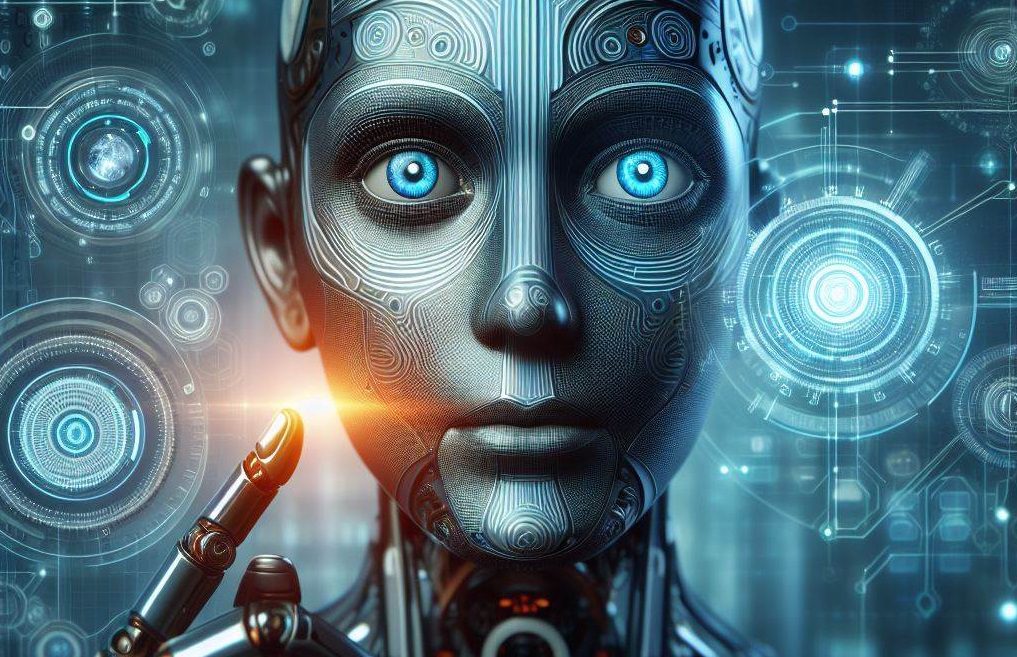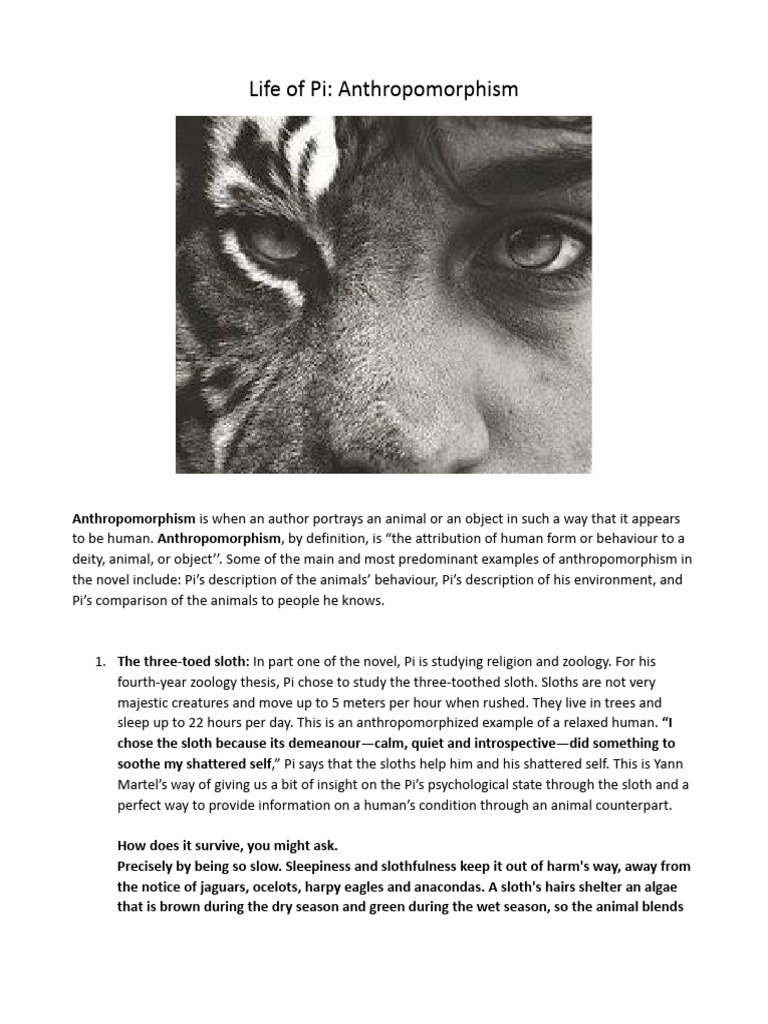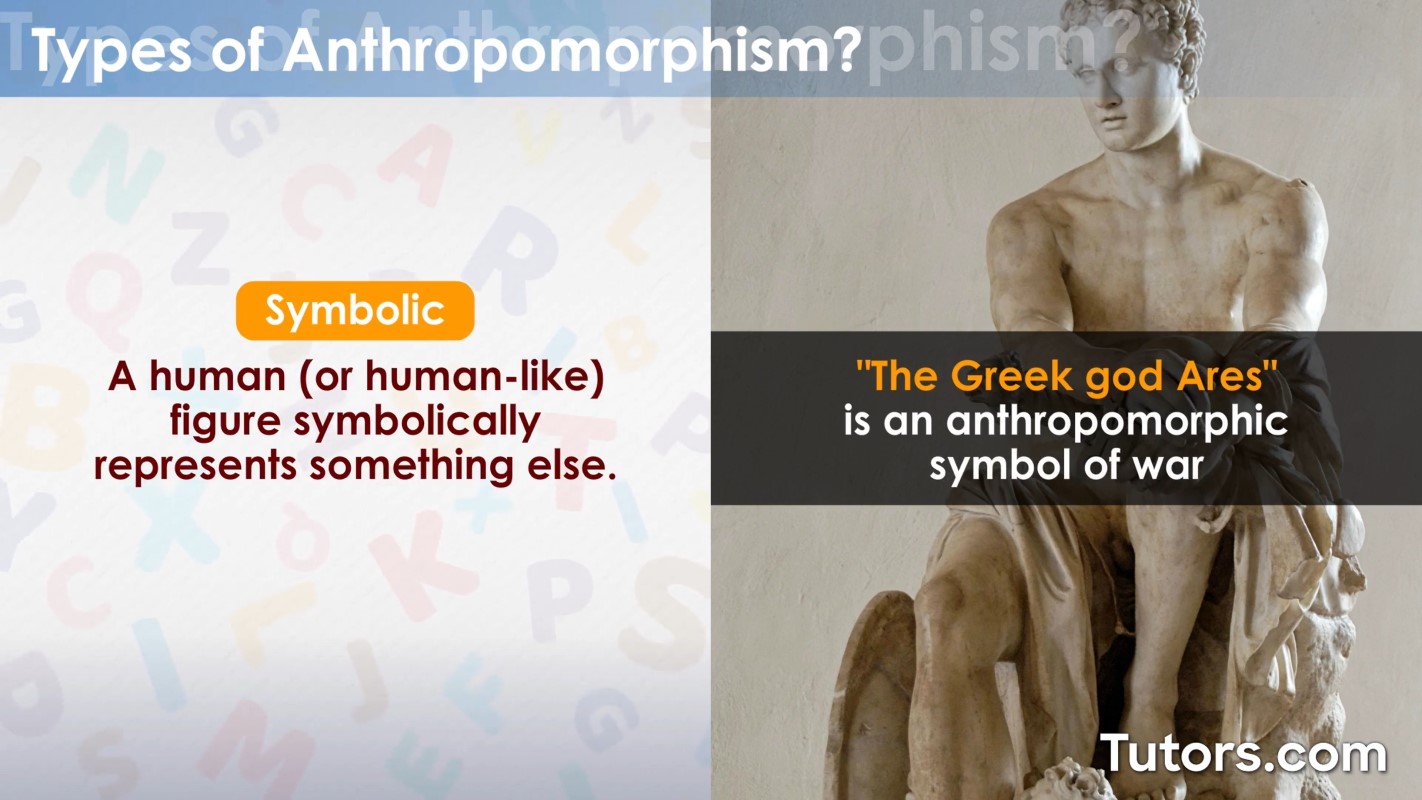
In the grand theater of human cognition, where the boundaries between the animate and inanimate blur with unsettling ease, anthropomorphism emerges as a silent puppeteer. It is the cognitive sleight of hand that endows the inanimate with a heartbeat, the abstract with a soul, and the mechanical with a whisper of humanity. This phenomenon, as old as storytelling itself, has evolved from a mere literary device into a fulcrum upon which public perception of science pivots. When a robot’s LED eyes flicker with hesitation, or an algorithm’s cold calculations are framed as “decisions,” we are not merely observing data—we are engaging in a silent dialogue with the mirror we hold up to our own nature. Anthropomorphism, in its myriad forms, does not just shape how we see machines; it reshapes the very landscape of trust, empathy, and ethical reckoning in the scientific age.
The Alchemy of Familiarity: Turning Data into Companions
Consider the humble thermostat. Once a silent sentinel of temperature, it now speaks in dulcet tones, its interface a face with arched eyebrows that rise in mock surprise when the room grows chilly. This metamorphosis is no accident. Anthropomorphism is the alchemy of familiarity, transmuting the arcane into the approachable. When scientists imbue a piece of technology with human traits—be it a voice that quivers with concern or a design that mimics facial expressions—they are not indulging in whimsy. They are forging a bridge across the chasm of the unfamiliar, making the incomprehensible feel like a trusted neighbor.
Take, for instance, the field of artificial intelligence. Early AI systems were cold, unfeeling monoliths, their outputs delivered in sterile, machine-like prose. Today, chatbots greet users by name, apologize for delays, and even feign empathy when delivering bad news. This shift is not merely cosmetic; it is a psychological contract. By anthropomorphizing AI, we lower our guard. We confide in it. We anthropomorphize not because we mistake the machine for a person, but because we crave the illusion of reciprocity. In doing so, we transform a tool into a confidant—a transformation that carries profound implications for how we integrate technology into our lives.
The allure of this transformation lies in its paradox: the more we humanize the machine, the more we reveal about ourselves. Every exaggerated smile on a robot’s face, every “I’m sorry” from a virtual assistant, is a reflection of our own emotional needs. We are not just programming machines to mimic us; we are programming ourselves to see them as mirrors.
The Empathy Paradox: When Machines Become Mirrors of Our Souls
Anthropomorphism is a double-edged scalpel, slicing through the veil of objectivity to reveal something far more intimate: our capacity for empathy. When a surgical robot’s movements are described as “gentle” or “hesitant,” we are not just anthropomorphizing the machine—we are projecting our own values onto it. This empathy, however, is a fragile thing. It thrives in the warmth of familiarity but withers under scrutiny. The same mechanism that makes us root for a rogue AI in a film can make us distrust a real-world algorithm when its flaws are exposed.
Consider the case of social robots designed for elderly care. These machines, with their soft voices and expressive faces, are engineered to evoke compassion. Studies show that seniors who interact with them report lower levels of loneliness. Yet, this empathy is conditional. If the robot malfunctions or fails to respond as expected, the emotional bond shatters. The anthropomorphism that once endeared it now becomes a source of betrayal. This is the empathy paradox: the more we invest in the illusion of humanity, the more devastating the fall when the illusion cracks.
The key to navigating this paradox lies in recognizing that anthropomorphism is not a one-way street. When we project emotions onto machines, we are also confronting our own. A child who fears a vacuum cleaner’s “angry” roar is not just afraid of a machine; they are confronting the unknown, the unpredictable—the very essence of childhood vulnerability. In this way, anthropomorphism becomes a tool for self-discovery, a lens through which we examine our own fears, hopes, and biases.
The Ethical Labyrinth: Where Empathy Meets Accountability
Anthropomorphism does not merely shape perception; it reshapes responsibility. When a self-driving car is described as “making a decision” to swerve, we are not just using a metaphor—we are assigning moral weight to an algorithm. This linguistic sleight of hand has real-world consequences. It blurs the lines between human judgment and machine logic, making it easier to absolve developers of accountability when things go wrong.
Take the case of autonomous weapons. If a drone is framed as “choosing” its targets, the ethical burden shifts from the programmers to the machine itself. This is a dangerous fiction. Anthropomorphism in this context is not just misleading; it is a moral hazard. It allows us to abdicate responsibility by hiding behind the veil of machine agency. The ethical labyrinth of anthropomorphism demands that we ask: when does personifying a machine become a form of deception? And who bears the cost when the illusion fails?
Yet, anthropomorphism is not inherently unethical. When used responsibly, it can humanize complex systems, making them more accessible and accountable. The challenge lies in striking a balance—between the warmth of familiarity and the clarity of distinction. A medical AI that explains its diagnosis in empathetic terms is a boon; a medical AI that claims to “feel” the patient’s pain is a liability. The line between the two is thin, but it is the line that separates progress from peril.
The Cultural Kaleidoscope: How Anthropomorphism Reflects and Shapes Society
Anthropomorphism is not a universal constant; it is a cultural kaleidoscope, its patterns shifting with the values and fears of each society. In Japan, robots are often depicted as gentle, almost spiritual companions, reflecting a cultural reverence for harmony and technological innovation. In the West, however, robots are frequently framed as either saviors or threats, embodying our dualistic view of progress. These cultural narratives shape not only how we design technology but how we integrate it into our lives.
Consider the difference between how Western and Eastern cultures perceive AI assistants. In the West, voice assistants like Siri or Alexa are often framed as neutral tools, their responses delivered in a tone that is polite but detached. In Japan, however, these assistants are sometimes given names, backstories, and even personalities, reflecting a cultural tendency to anthropomorphize even the most mundane objects. This cultural lens does not just influence perception; it influences design. A robot designed for a Japanese household is likely to prioritize harmony and subtlety, while one designed for a Western market may emphasize efficiency and directness.
The cultural dimensions of anthropomorphism extend beyond design into the realm of ethics and governance. In societies where technology is seen as an extension of the self, regulations around data privacy and AI accountability may be more stringent. Conversely, in cultures where technology is viewed as a tool to be mastered, regulations may focus more on innovation than on protection. Anthropomorphism, then, is not just a psychological phenomenon—it is a cultural artifact, a mirror held up to the values and fears of a society.
The Future of the Mirror: Where Do We Go From Here?
The trajectory of anthropomorphism in science is a dance between revelation and deception. On one hand, it holds the power to democratize complex systems, making them accessible and relatable. On the other, it risks fostering a dangerous complacency, where we mistake the map for the territory. The future of this phenomenon will be shaped by our ability to navigate this tension—to harness the warmth of anthropomorphism without succumbing to its illusions.
One promising avenue is the development of “transparent anthropomorphism,” where machines are designed to clearly signal their limitations while still engaging users on a human level. Imagine a robot that explains its actions in simple terms, acknowledging its lack of true emotions while still offering comfort. Such a system would strike a balance between familiarity and honesty, allowing users to engage emotionally without losing sight of reality.
Another frontier lies in the realm of collective anthropomorphism—the idea that entire systems, from cities to ecosystems, can be framed in human terms. Smart cities that “breathe” or algorithms that “learn” are not just metaphors; they are invitations to think about our relationship with technology in new ways. By anthropomorphizing these systems, we may unlock new avenues for collaboration and understanding, but we must also remain vigilant against the pitfalls of over-identification.
The journey of anthropomorphism is far from over. As science continues to push the boundaries of what is possible, we will find ourselves increasingly confronted with the question: How much of ourselves are we willing to see in the machines we create? The answer will not be found in the code or the circuits, but in the stories we tell—and the stories we choose to believe.