From the flickering shadows cast by firelight in ancient caves to the intricate mythologies that have transcended epochs, anthropomorphism stands as a peculiar yet profound phenomenon woven into the fabric of human history. Early humans, confronted by a mysterious and often hostile environment, naturally gravitated toward ascribing human characteristics to animals, natural forces, and objects. This tendency was far more than mere superstition; it was a foundational cognitive leap that shaped the evolution of culture, language, and ultimately civilization itself. The intrigue surrounding anthropomorphism, often dismissed as childish fancy, reveals deeper undercurrents of human cognition and social development—underpinnings without which our complex societies might never have emerged.
The Roots of Anthropomorphism in Human Cognition
At its core, anthropomorphism is an extension of the human brain’s penchant for pattern recognition and agency detection. Early humans lived in unpredictable surroundings where survival depended on rapid interpretation of threats and opportunities. An ambiguous rustle in the bushes might signify predator or prey; an unexpected weather shift could herald calamity. Assigning human-like intention to these phenomena was not irrational—it was an adaptive mechanism for decoding an inscrutable world.
This cognitive bias, often referred to as the “hyperactive agency detection device,” made early humans predisposed to perceive intent and purpose behind natural occurrences. Anthropomorphic thinking allowed for a mental shorthand: rivers blessed by gods, animals acting with will and emotion, and storms as expressions of divine wrath. Such conceptualizations tethered abstract natural forces to human experience, making them more comprehensible and, crucially, more navigable.
Animism and the Dawn of Religious Thought
One of the earliest manifestations of anthropomorphism was animism—the belief that all things possessed a spirit or consciousness. This worldview transformed ordinary elements of nature—trees, rocks, animals—into entities with whom humans could interact spiritually and morally. Such personification created a structured framework for understanding existence and fostering social cohesion through shared beliefs and rituals.
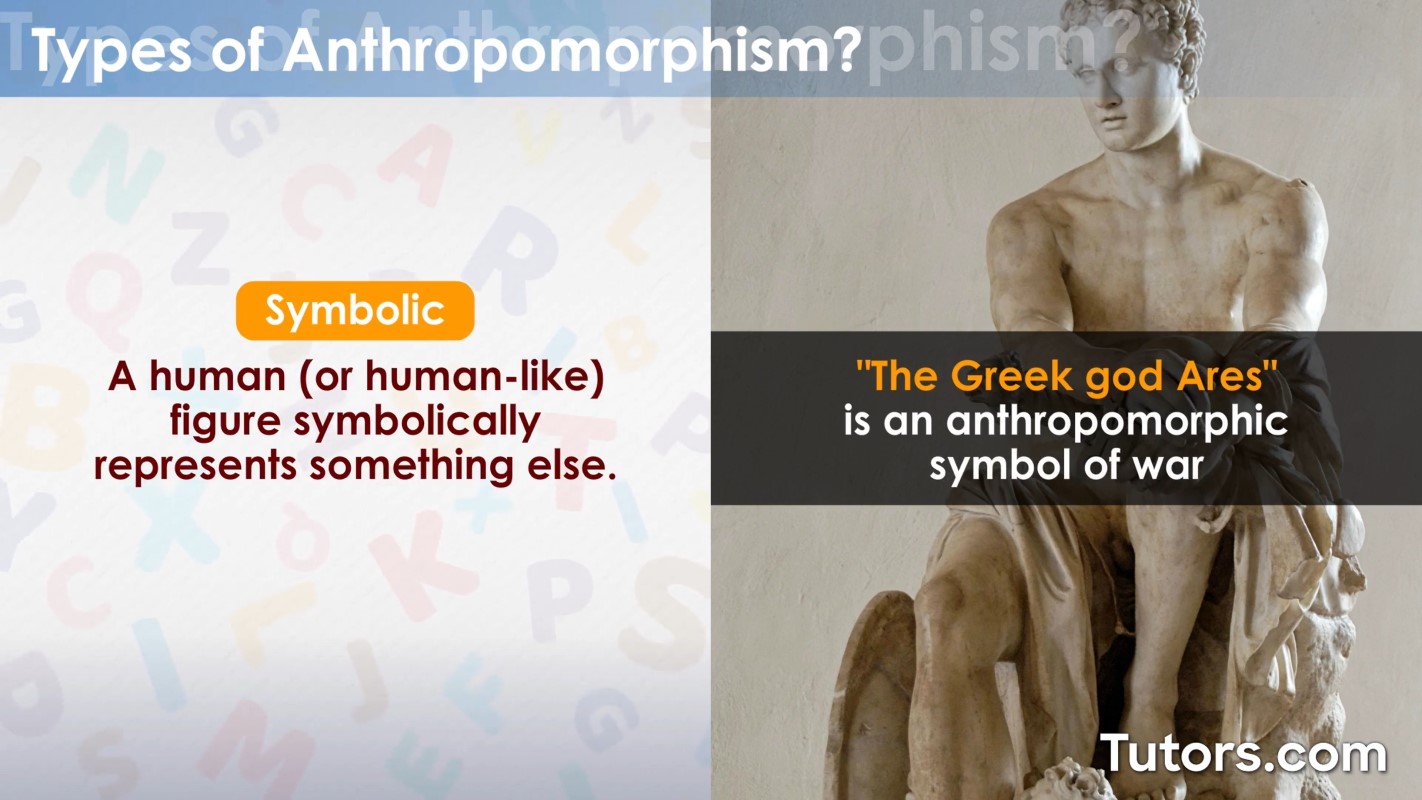
Religious systems, in their nascent form, thus owed much to anthropomorphism. Gods and spirits were envisioned with human traits, emotions, and behaviors, allowing early societies to conceptualize divine beings in relatable terms. This not only facilitated worship but also reinforced social norms by embedding them within a moral universe governed by anthropomorphized deities. Temples, prayers, and sacrifices emerged as tangible expressions of this intricate relationship between humanity and the cosmos, where human likeness made the transcendent tangible.
Mythmaking: Bridging Human Experience and the Unknown
Stories have always been humanity’s vessel for transmitting knowledge, values, and collective identity. Anthropomorphism enabled the creation of mythic narratives wherein animals and natural forces acted as protagonists displaying human virtues and vices. These tales transcended mere entertainment—they encoded lessons about survival, morality, and society.
By imbuing creatures such as the fox with cunning or the bear with strength, early humans could externalize and examine human traits in a safe and symbolically rich narrative space. This allegorical technique allowed abstract concepts to become concrete, teaching communal ethics and behavioral models indirectly but powerfully.
Moreover, mythmaking nurtured empathy and expanded the social imagination. Through identification with anthropomorphized figures, individuals felt part of a larger whole, a crucial factor in forging wider social networks beyond immediate kin groups. This expansion of social circles underpinned the evolution of more complex social structures and, eventually, urbanization and civilization.
Language Development and Symbolism
The emergence of language is inextricably tied to anthropomorphic cognition. Assigning human qualities to the external world necessitated more sophisticated symbolic systems to communicate these nuanced ideas. Early humans developed verbal and later written languages capable of expressing personhood in non-human forms, giving rise to metaphor and allegory.
This linguistic creativity was not merely artistic; it was functional. By expressing concepts symbolically, communities could share knowledge about nature, morality, and social order with greater precision and subtlety. Ritualistic language, imbued with symbolic anthropomorphism, became a tool for transmitting cultural heritage across generations. The evolution of scripts and narrative traditions can be traced back to the human need to articulate a world imbued with human-like qualities and intentions.
Social Structuring through Anthropomorphic Concepts
Anthropomorphism also played a pivotal role in shaping social hierarchies and governance models. The projection of human traits onto animals and spirits allowed early civilizations to derive archetypal roles and ideals that reinforced societal cohesion. Leaders were often likened to lions or eagles, symbolizing authority and courage. Lawgivers and judges were envisioned as impartial and wise, echoing divine personifications.
This symbolic economy of anthropomorphism legitimized power structures by embedding them within cosmological narratives. By linking human institutions to sacred, anthropomorphized forces, societies could maintain order through belief systems that transcended mere coercion. The gravitas afforded by imagined human-like gods and spirits underscored the sanctity of law and social roles, making anthropomorphism instrumental in sustaining complex governance.
Technological Innovation and Anthropomorphic Thinking
Surprisingly, the impulse to humanize the world also fueled early technological advancements. Tools and artifacts were often crafted with anthropomorphic symbolism—handles resembling limbs, pots decorated with faces, weapons imbued with spiritual significance. This convergence of practical utility and symbolic meaning made technology more approachable and culturally resonant.
Anthropomorphism inducted technology into the sphere of ritual and tradition, imbuing innovations with narratives of protection, power, or fertility. Such integration elevated the status of artisans and elevated technological progress from mere mechanics to acts of cultural production. The reciprocal relationship between human traits and material culture thus accelerated progressive adaptation and diversification of tools, ultimately contributing to agricultural developments, metallurgy, and urban growth.
The Enduring Legacy of Early Anthropomorphism in Modern Civilization
Though modern science often challenges anthropomorphic interpretations as naïve, the foundational cognitive patterns established in early humans continue to permeate contemporary culture. Literature, art, religion, and even science communication rely on personification to bridge the gap between human experience and complex systems.
Recognizing the origins of anthropomorphism in early civilization offers critical insight into the human psyche’s enduring quest for meaning and connection. It sheds light on why humanity remains fascinated by stories where animals talk, natural forces act with intention, and machines simulate human traits. This ancient cognitive blueprint not only shaped the fabric of early societies but continues to underpin the mythology and metaphor that enrich modern life.