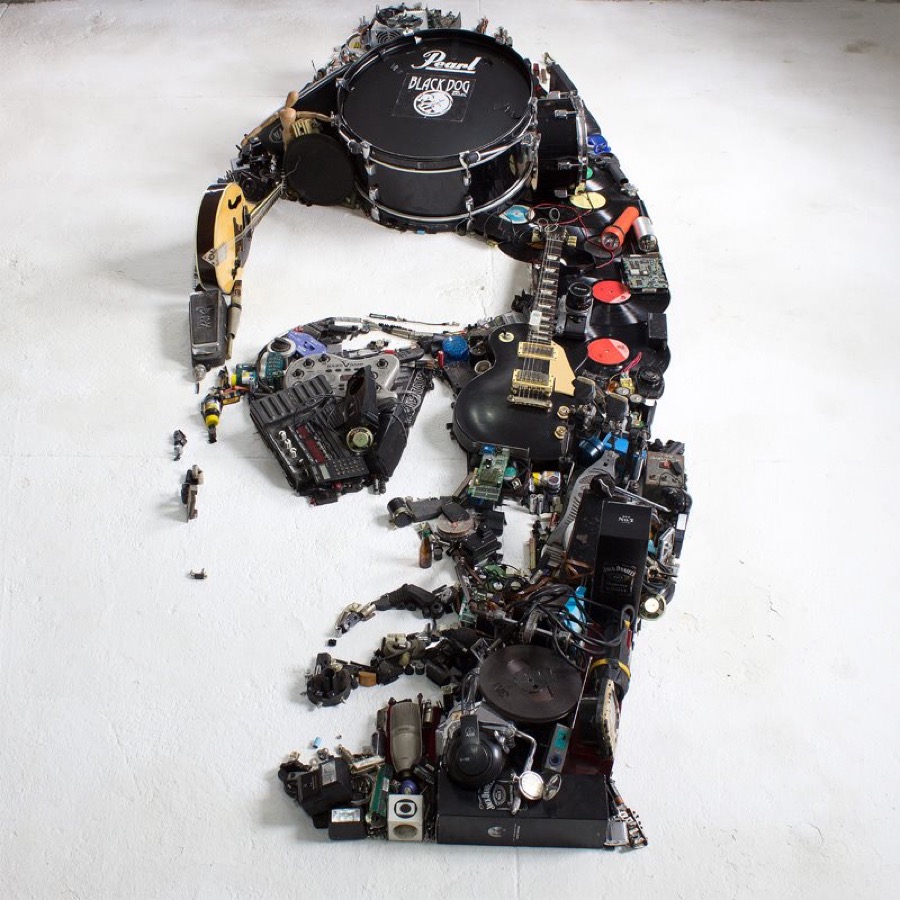
Why do some music artists choose to breathe life into their instruments, attributing them with human traits and emotions? Is it merely a whimsical act, or does it serve a deeper purpose in the creative process and the artist’s relationship with music? This practice, known as anthropomorphizing, imbues musical instruments with personality, often transforming how artists interact with their tools and audiences perceive their art. Yet, this raises a thought-provoking challenge: does assigning human-like qualities to instruments enhance artistic expression, or could it obscure the objective nature of sound and technique? Exploring this phenomenon reveals not only psychological and cultural dimensions but also the intricate dynamics between musicians and their instruments.
The Psychological Impetus Behind Anthropomorphizing Instruments
One cannot delve into the rationale without understanding the psychological underpinnings. Human beings naturally seek connection, and for many musicians, their instruments become more than mere tools—they evolve into companions and collaborators. Anthropomorphizing functions as a cognitive bridge, enabling artists to project emotions and intentions onto an inanimate object. This projection serves as an extension of the self, fostering a symbiotic relationship wherein the instrument seemingly gains agency.
For example, a guitarist who speaks of their guitar as “moody” or “temperamental” is expressing frustration or adoration wrapped in personified terms. This not only aids in externalizing internal emotions but also creates an imaginative space where the instrument responds to the player’s emotional state. The interplay between musician and instrument is thus transformed from a unilateral action into a dialogic encounter, providing psychological comfort and enhancing creative flow.
Aesthetic and Performative Dimensions of Anthropomorphism
Anthropomorphizing instruments can also be a deliberate aesthetic choice that enriches the performative aspect of music. When musicians imbue their instruments with distinct identities, they contribute to a more vivid and immersive storytelling experience. Visual and narrative elements emerge as extensions of the music itself.
Consider performances where instruments are adorned with unique designs or where players attribute backstories to their gear. This humanization captivates audiences, melding auditory experience with theatricality. Moreover, in genres where personal expression and stage presence are paramount, such as jazz or rock, this practice elevates the instrument from mere apparatus to co-star.
The performer’s relationship with their instrument becomes emblematic of their personal artistic journey. This can intensify emotional resonance and foster a sense of intimacy between performer and audience, as viewers sense the ‘life’ animated within the music’s vessel.
Cultural and Historical Contexts Influencing Instrument Personification
The propensity to personify musical instruments is not a contemporary novelty but rooted deeply in cultural narratives and historical practices. Ancient civilizations often attributed spiritual qualities to instruments, viewing them as conduits of divine or mystical forces. For example, in many indigenous cultures, drums or flutes are revered as living entities with distinct spirits, integral to rituals and communal identity.
These anthropomorphic traditions underscore the notion that music transcends the physicality of sound production, entwining with beliefs about life, nature, and human experience. The reemergence of this practice in modern artistic spheres echoes inherited narratives, bridging timeless human inclinations with present-day creativity.
Additionally, the rise of digital and AI-generated art has amplified this trend of assigning human-like features to instruments, often visualized as animated or anthropomorphic beings. Such representations challenge traditional boundaries of art, inviting fresh interpretations of what it means for an instrument to ‘play’ or ‘feel.’
Enhancing Creative Dialogue Through Anthropomorphic Perception
Anthropomorphizing instruments can revolutionize the musician’s creative process by instigating a nuanced internal dialogue. When an instrument is viewed as more than a passive entity—when it possesses ‘moods’ or ‘preferences’—musicians may approach practice and performance with greater mindfulness and adaptability.
This form of imaginative engagement encourages experimentation and empathy, fostering a dynamic where the instrument ‘guides’ as much as it responds. It opens avenues for spontaneity, pushing artists to listen beyond technical parameters and attune themselves to the ‘character’ of their instrument.
The result is a co-creative experience with latent unpredictability—the instrument becomes not simply an object to be mastered but a partner whose ‘voice’ influences musical direction. This can invigorate artistry with originality and deepen emotional authenticity.
Potential Challenges and Criticisms of Anthropomorphizing Instruments
While the humanization of instruments offers numerous benefits, it is not without its detractors or inherent complications. One critical concern lies in the risk of conflating metaphorical representations with technical realities. Overreliance on anthropomorphic language might obscure objective assessment of an instrument’s qualities, potentially hindering skill development or problem-solving.
Moreover, there is a danger that this practice could foster superstitions or irrational attachments. When instruments are imbued with personalities, musicians might perceive mechanical failures or tonal inconsistencies as personal affronts rather than technical issues requiring rational intervention. This may complicate the maintenance and pragmatic use of their tools.
From an audience perspective, anthropomorphization can also polarize. Some listeners may find the personification charming or insightful, while others could view it as gimmicky or detracting from the purity of music itself. The challenge for artists lies in balancing imaginative expression with clarity and authenticity.
The Future of Instrument Anthropomorphism in a Technological Age
As technology continues to infiltrate music production and performance, anthropomorphizing instruments adopts new dimensions. AI-driven instruments, responsive interfaces, and virtual reality setups blur the line between human and machine collaborators. In this context, imbuing instruments with personality transcends metaphor, as machines literally exhibit adaptive, interactive behaviors.
This evolution challenges traditional notions of musical creativity and agency. Musicians may find themselves collaborating with instruments that ‘learn,’ ‘emote,’ or ‘suggest,’ intensifying the humanization of their tools. These developments raise philosophical queries about authorship, identity, and the essence of musical expression.
Furthermore, this technological trajectory could democratize music-making, inviting novices to engage with instruments that ‘teach’ or ‘communicate’ through anthropomorphic interfaces. This promises exciting possibilities but also urges consideration of how much human imagination should intertwine with mechanized creativity.
In sum, the anthropomorphizing of musical instruments is a multifaceted phenomenon that encapsulates psychological, aesthetic, cultural, and technological influences. It enhances creative interaction, enriches performance narratives, and connects artists with instruments on profound levels. Yet, it also presents challenges that invite ongoing reflection about the nature of music, creativity, and the boundaries between human and object. As musicians continue to explore this dynamic, they navigate a delicate balance between playfulness and profundity, reimagining the very soul of their sound.