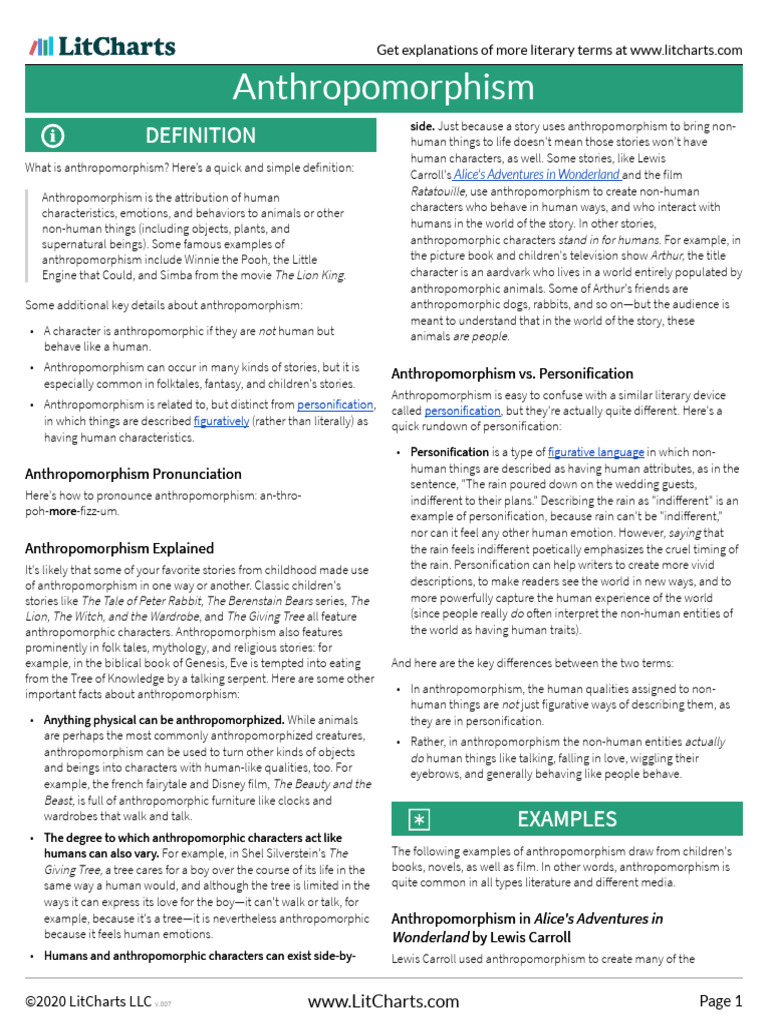
Anthropomorphism, the attribution of human characteristics or behaviors to non-human entities, has long been a profound and evocative device in the realms of opera and theater. This artistic practice transcends simple characterization; it invigorates narratives, imbues abstract concepts with relatable human emotions, and invites audiences into a more immersive experiential realm. Across epochs and cultures, anthropomorphism has played a pivotal role in shaping dramatic expression, enriching storytelling, and expanding the interpretive horizons of performing arts. The interplay between human and non-human elements not only amplifies thematic resonance but also challenges spectators to reconsider the boundaries of identity and agency within dramatic constructs.
The Historical Emergence of Anthropomorphism in Dramatic Arts
The infusion of anthropomorphic elements in theater traces back to ancient rituals and mythologies, where gods, animals, and inanimate objects were endowed with human traits to elucidate moral, spiritual, or societal ideals. In classical Greek theater, for instance, satyrs—half-man, half-goat creatures—served both as comic relief and as metaphoric representations of human primal instincts. Similarly, Renaissance theater revived this tradition by animating allegorical figures that embodied virtues, vices, and abstract forces, allowing playwrights to explore complex human conditions in an accessible and symbolically rich manner.
This historical embedding of anthropomorphism established it as a fundamental narrative apparatus, one that continues to reverberate in contemporary opera and theatrical productions. The continuity speaks to its versatile power: providing a conduit through which intangible notions acquire tangible form and audiences navigate multifaceted emotional landscapes.
Anthropomorphism as a Narrative Catalyst in Opera
Opera, with its synthesis of music, drama, and visual spectacle, offers a unique canvas for anthropomorphism to flourish. Characters embodying animals, spirits, or mythical beings frequently appear, not merely as fantastical amusements but as conduits of deeper psychological or philosophical themes.
In operatic narratives, anthropomorphism often serves to externalize internal conflicts and abstract dilemmas. For example, a non-human character might embody temptation, innocence, or the subconscious mind, allowing the audience to engage with these concepts viscerally. The use of anthropomorphic arias and motifs further amplifies this effect, as musical leitmotifs can personify characteristics or emotions, giving a voice and agency to elements that transcend human form.
Moreover, the stylized nature of opera—with its heightened emotional expression and dramatic exaggeration—renders anthropomorphism exceptionally potent. Costume design, stagecraft, and vocal techniques coalesce to blur the lines between the human and the non-human, accentuating the transformative possibilities inherent in the form.
Theatrical Mechanisms and Devices Embracing Anthropomorphism
Theatre harnesses a wide array of dramaturgical tools to actualize anthropomorphic representation. Masks, puppetry, and movement-based characterizations are predominant techniques that facilitate the embodiment of non-human traits while evoking human sensitivities. Masks, for instance, can both conceal and reveal, allowing actors to transcend their own identities and embody symbolic or metaphysical entities with greater freedom.
Puppetry introduces yet another dimension, where lifeless forms are imbued with breath and emotion through human manipulation. This interplay invites audiences to suspend disbelief and imbue these figures with empathy and narrative significance. Similarly, corporeal expression—a discipline emphasizing the physicality of performance—often draws upon animalistic or elemental gestures to communicate emotional undercurrents that dialogue alone cannot convey.
These mechanisms do not merely serve aesthetic functions; they challenge traditional perceptions of character and identity, urging a reconsideration of human relationality and ontological fluidity within the performative experience.
Psychological Implications of Anthropomorphism in Performative Contexts
The psychological appeal of anthropomorphism lies in its ability to forge connections between audience and narrative through identification and projection. When animals, forces of nature, or abstract entities are personified, viewers are more readily able to internalize the themes and emotional arcs presented, as these figures act as mirrors or extensions of human consciousness.
This dynamic fosters empathy, as spectators are invited to perceive the world from alternative vantage points, blurring anthropocentric boundaries. In theater and opera, this can intensify catharsis, as the anthropomorphic characters embody universal experiences—love, suffering, joy, or despair—in forms that are simultaneously alien and familiar.
Furthermore, this psychological rapport often functions as a subtle pedagogical tool, enabling audiences to grapple with ethical quandaries, societal critiques, or existential musings without confrontation. Anthropomorphism, in essence, disarms resistance by cloaking profound truths in allegorical guise.
Exploring Thematic Depth Through Anthropomorphic Characters
Anthropomorphism facilitates nuanced exploration of a spectrum of themes including power dynamics, identity fluidity, and morality. Its incorporation allows dramatists to dramatize antagonisms and alliances in innovative ways, such as personifying political ideologies as characters or depicting internal human struggles as externalized confrontations with mythical creatures.
This technique also enables multi-layered narrative architectures, where a single performance can be apprehended on literal, symbolic, and metaphysical planes. For example, an animal character on stage might simultaneously represent a societal archetype, an emotional state, and a metaphysical principle—offering audiences a rich tapestry of interpretive possibilities.
Such thematic multiplicity contributes to the enduring relevance of anthropomorphic figures in performing arts, providing continual renewal through reinterpretation across cultural and temporal contexts.
Contemporary Innovations and the Evolution of Anthropomorphism in Performance
Modern theater and opera continue to experiment with anthropomorphism, integrating technological advances such as digital projections, animatronics, and virtual reality elements to redefine the boundaries of embodiment. These innovations permit more intricate and dynamic representations of non-human characters, augmenting traditional methods and expanding the sensory palette of performances.
Additionally, contemporary dramaturgy often interrogates anthropomorphism itself, scrutinizing its implications and challenging its simplicity. Postmodern and experimental works may deconstruct anthropomorphic tropes, exposing underlying cultural assumptions or employing irony and subversion to provoke critical engagement.
Such evolution not only revitalizes the practice but also enriches discourse around identity, otherness, and representation in performance arts, reflecting broader societal shifts and artistic ambitions.
Conclusion: The Enduring Allure of Anthropomorphism in Opera and Theater
Anthropomorphism remains an invaluable and dynamic element within opera and theater, offering a timeless methodology for exploring the human condition through imaginative and symbolic means. Its capacity to blend the familiar with the fantastical engenders powerful storytelling that resonates across diverse audiences and epochs.
By fostering empathy, enhancing thematic complexity, and expanding artistic ingenuity, anthropomorphism continues to shape the landscape of performance, ensuring that these ancient traditions remain vibrant and relevant in contemporary cultural discourse. As opera and theater evolve, so too will the imaginative potential of anthropomorphic representation, promising new dimensions of creative and philosophical inquiry.