In the multifaceted realm of music marketing, album art stands as a crucial visual conduit between an artist’s sonic world and their audience’s perception. One artistic device that has garnered notable attention is anthropomorphism—the attribution of human characteristics to non-human entities. Particularly in album artwork, this technique transcends mere decoration; it becomes a storytelling vehicle that can influence consumer engagement and, potentially, record sales. This analysis delves into the myriad expressions of anthropomorphism in album art, dissecting its psychological allure, cultural significance, and its practical impact in the fiercely competitive music industry.
Understanding Anthropomorphism in Visual Media
Anthropomorphism is a storied artistic tradition, deeply rooted in human culture, folklore, and mythology. Within the context of album art, it often manifests through the personification of animals, objects, or abstract concepts. This engenders a sense of relatability and empathy—bridging the gap between inanimate or fantastical elements and the consumer’s emotional landscape. By imbuing these entities with human traits, artists harness familiarity while simultaneously inviting curiosity.
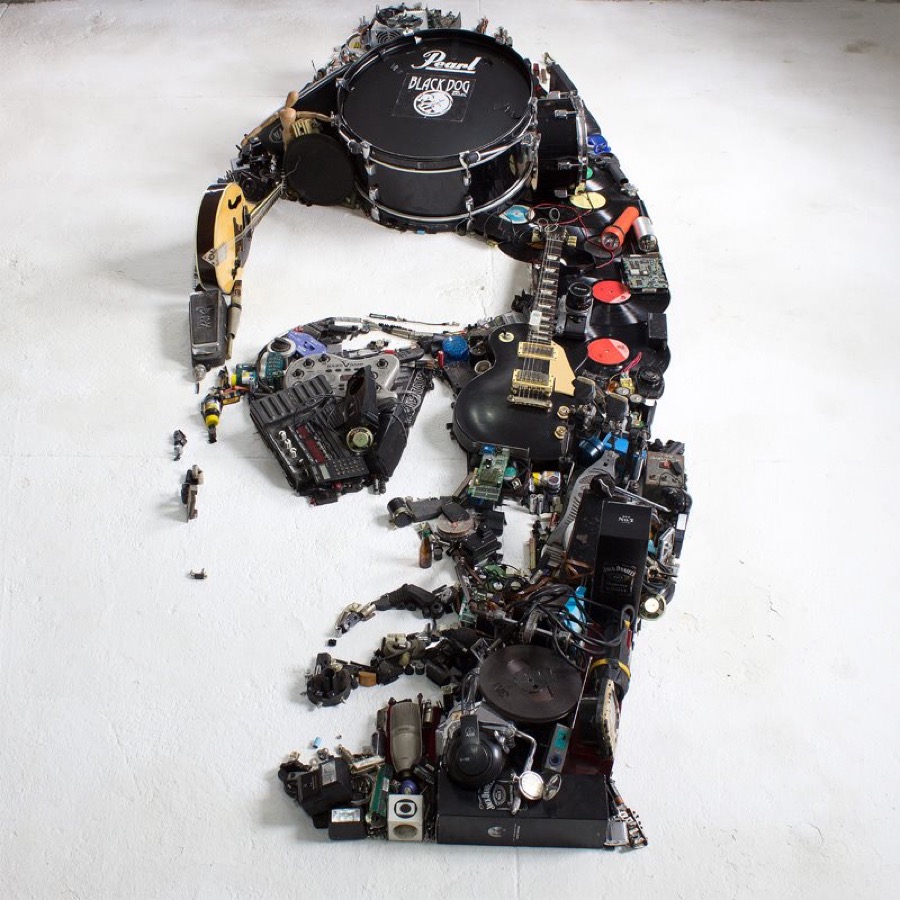
The technical execution of anthropomorphism varies wildly: from subtle gestures, such as an animal’s posture or gaze implying human emotion, to elaborate gijinka representations, where non-human subjects (like instruments or even abstract ideas) are fully reimagined as humanoid characters. This spectrum of artistic interpretation broadens the appeal across diverse demographics, capitalizing on the human brain’s predisposition to recognize faces and interpret human-like features.
The Psychological Impact on Consumer Perception
Emotional resonance is a prime driver behind successful album art, and anthropomorphism taps directly into this cognitive mechanism. Studies in psychology suggest that anthropomorphic imagery triggers mirror neuron activation, fostering a subconscious connection that boosts empathy and emotional investment. When consumers perceive an album cover that ‘feels alive’ or relatable, it can engender a deeper affinity for the music, predisposing them toward purchase.
Additionally, anthropomorphic elements often evoke nostalgia or whimsy, two powerful affective states linked to increased consumer engagement. For example, the transformation of a simple object into a charming character can invoke childhood memories or impart a playful atmosphere, thus differentiating the album in a saturated market. By establishing this affective foothold, anthropomorphic album art elevates the likelihood of not just initial sales but sustained fan loyalty.
Cultural and Genre-Specific Applications
The deployment of anthropomorphism in album art is often genre-contingent and culturally contextualized. In alternative and indie music, for instance, anthropomorphic imagery tends to bear metaphorical weight, reflecting themes of identity, transformation, or existential inquiry. These subtle narratives resonate deeply within audiences seeking artistic complexity beyond mainstream appeal.
Conversely, in genres like hip-hop or pop, anthropomorphism might be employed more overtly to personify abstract concepts like power, struggle, or vitality—imbuing the album with a relatable persona that amplifies the artist’s message. This strategic artistic choice dovetails with the genre’s emphasis on storytelling and persona crafting.
Furthermore, cultural symbolism plays a pivotal role. Artists drawing from their heritage may incorporate indigenous folklore creatures or symbolic anthropomorphic icons, thereby asserting cultural identity and fostering a global appreciation of diversity.
Anthropomorphic Album Art as Branding Tool
Beyond its immediate artistic expression, anthropomorphism serves as a potent branding mechanism. By encoding a consistent anthropomorphic motif or character across multiple album cycles, artists cultivate a visual mythology that fans recognize and cherish. This continuity reinforces brand identity, making the artist instantly identifiable even without textual cues.
Such visual branding is beneficial in digital marketplaces saturated with myriad musicians. Anthropomorphic mascots or avatars offer a unique signature that can flourish across platforms—merchandise, social media, and live performances—extending the album’s influence well beyond its initial release window. This multifaceted utility enhances marketability and can translate into augmented merchandise sales, concert attendance, and streaming figures, which collectively impact overall revenue streams.
Case Studies and Industry Trends
Examining industry trends reveals that albums featuring anthropomorphic art frequently garner notable attention for their originality and memorability. The surge in digital streaming has intensified competition, compelling artists and labels to innovate in visual presentation. Some successful campaigns have deliberately exploited anthropomorphic storytelling, creating immersive narratives that extend beyond audio to animated videos and interactive media.
Such transmedia storytelling exemplifies how anthropomorphism can catalyze fan engagement, inspiring fan art, social media discourse, and community building. These phenomena underscore the growing importance of visual identity as an extension of musical artistry, supporting the argument that anthropomorphic album art can indeed influence commercial success.
Potential Limitations and Consumer Reception
Despite its advantages, anthropomorphic album art is not universally effective. Its success hinges on the synergy between the artwork and the music’s essence; an incongruent or forced anthropomorphic design can alienate core audiences. For genres grounded in realism or raw emotional expression, overly stylized anthropomorphism might undermine authenticity, damaging critical reception.
Moreover, cultural misappropriation or insensitivity in the use of anthropomorphic figures risks backlash, particularly when symbolic imagery is co-opted without due respect or context. Such pitfalls necessitate a nuanced, culturally aware approach in design to maximize positive reception.
Conclusion: Does Anthropomorphism Boost Record Sales?
While it is reductive to claim anthropomorphic album art as a singular leversome factor for increased record sales, it undoubtedly enriches the visual dialogue that surrounds music consumption. By establishing emotional connections, reinforcing branding, and tapping into cultural narratives, anthropomorphism acts as a complementary catalyst in a complex marketplace.
The strategy’s potency lies in its thoughtful integration—a fusion of artistic sincerity, psychological insight, and market savvy. When wielded adeptly, anthropomorphic imagery not only enchants and captivates but also translates into tangible commercial dividends, enhancing the artist’s resonance with listeners and cementing their legacy in a visually-driven era.