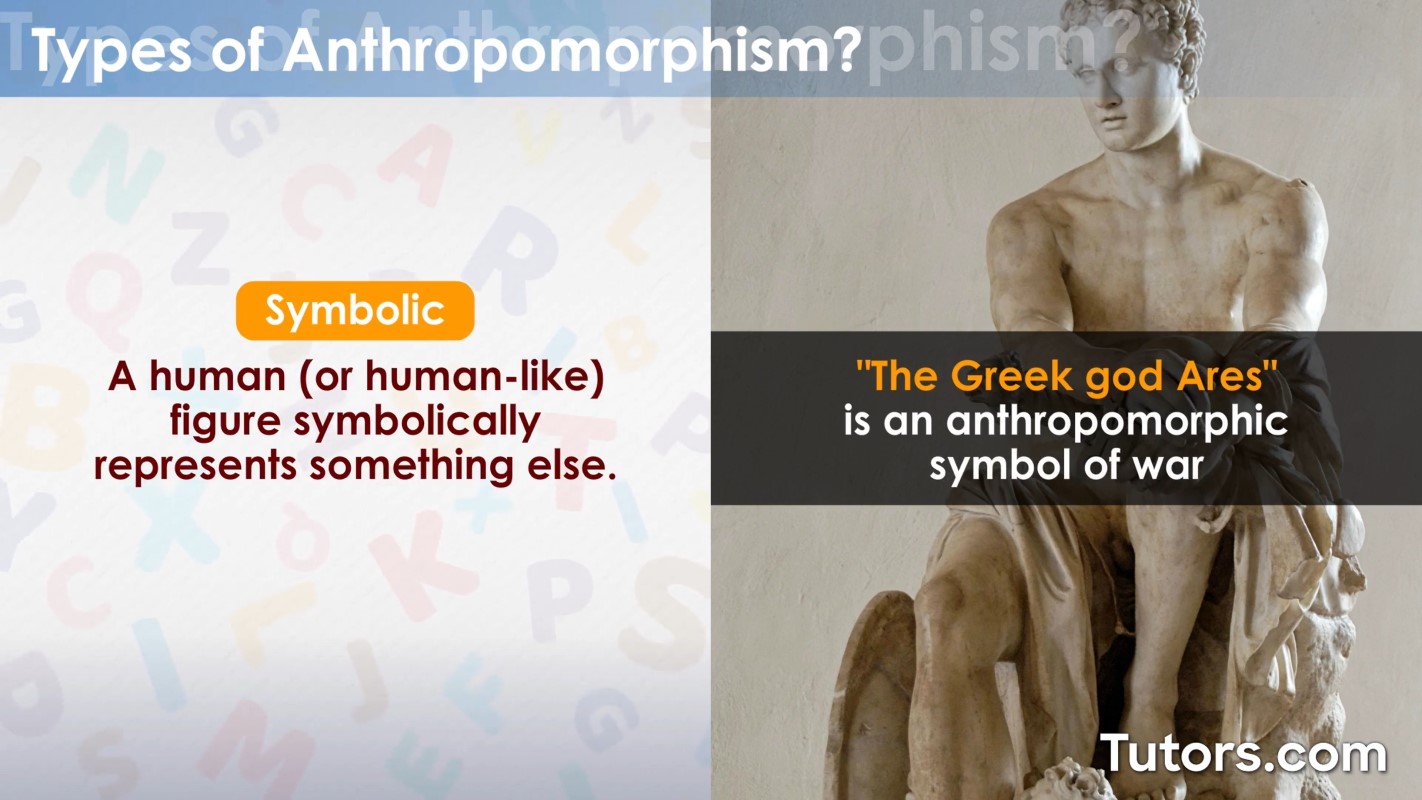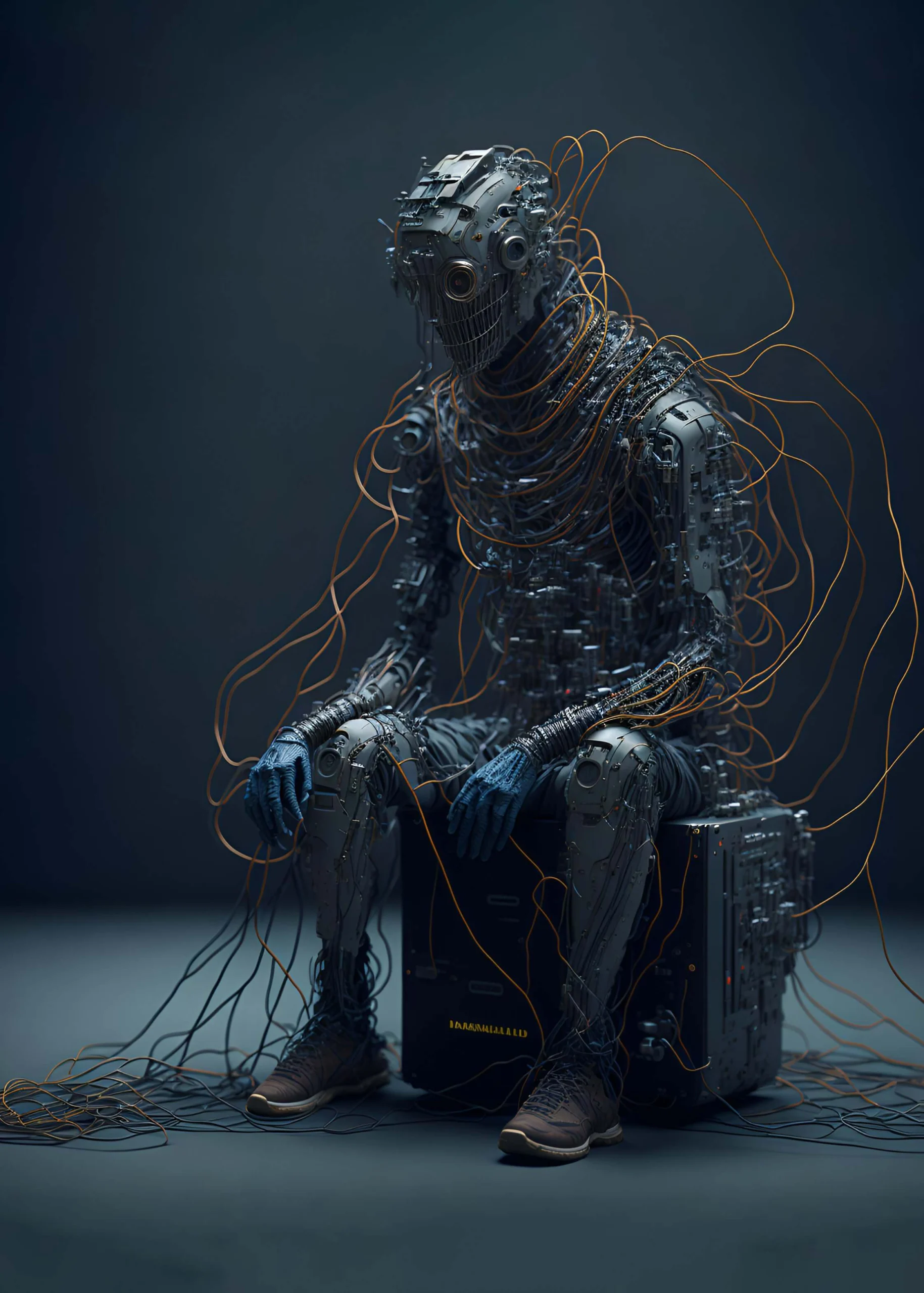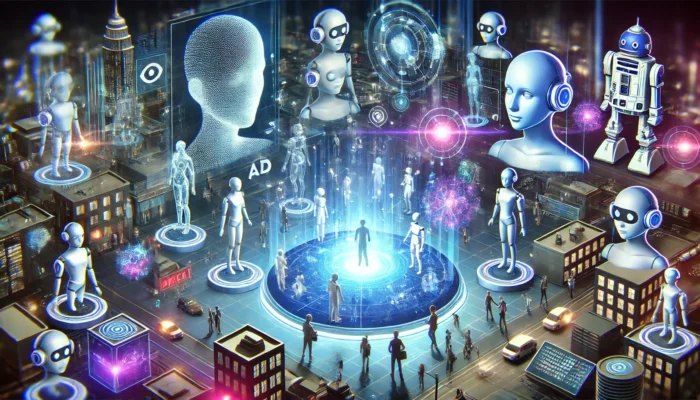
The allure of artificial intelligence isn’t merely in its computational prowess—it’s in the way it mirrors humanity. From the earliest chatbots to today’s hyper-realistic digital avatars, we’ve developed an uncanny habit: anthropomorphizing AI. We don’t just build intelligent systems; we clothe them in human traits, emotions, and narratives. This phenomenon, the act of imbuing non-human entities with human characteristics, has evolved into a cultural and technological cornerstone. As AI permeates every facet of life—from customer service to creative expression—it’s no longer just tools we interact with; it’s becoming something we relate to, trust, and even love. This transformation raises profound questions: Why do we anthropomorphize AI? What psychological and societal forces drive this behavior? And what does it mean for the future of human-machine interaction? To understand this, we must explore the roots of anthropomorphism, the rise of “digital humans,” and the implications of blurring the line between human and machine.
The Psychology Behind Anthropomorphism: Why We See Faces in the Code
Anthropomorphism is as old as human cognition itself. Our brains are wired to detect patterns, especially those that resemble human faces or behaviors—a survival mechanism honed over millennia. When we encounter a flicker of unpredictability in an AI’s response, our minds leap to fill the gap with intention, emotion, or even personality. This tendency, known as the “intentional stance,” allows us to predict and navigate complex systems by attributing human-like motives to them. Studies in cognitive psychology reveal that even simple algorithms can evoke empathy when framed as “assistants” rather than tools. The more an AI simulates human interaction—through voice modulation, facial expressions, or conversational quirks—the more we suspend disbelief and engage with it as if it were sentient. This isn’t mere whimsy; it’s a cognitive shortcut that reduces uncertainty in an increasingly automated world. Yet, this psychological dance comes with risks: when we mistake a sophisticated chatbot for a conscious being, we may overlook its limitations or ethical blind spots.
Consider the uncanny valley effect, where near-human likeness triggers discomfort rather than connection. Digital humans that fall into this trap—too realistic to be dismissed as artificial, yet too flawed to be convincing—highlight the delicate balance between familiarity and authenticity. The key lies in intentional design: anthropomorphism must serve a purpose. Whether it’s a virtual therapist that emulates empathy or a gaming NPC with nuanced dialogue, the goal isn’t to deceive but to enhance interaction. When executed thoughtfully, anthropomorphism transforms cold data into relatable experiences, fostering trust and engagement in ways raw functionality never could.
The Evolution of Digital Humans: From Pixels to Presence
The journey from clunky chatbots to lifelike digital humans is a testament to technological convergence. Early AI avatars were little more than glorified text parsers, their “personalities” confined to scripted responses. Today, advancements in generative AI, motion capture, and real-time rendering have birthed entities that blur the line between simulation and reality. These digital humans—whether they’re virtual influencers, AI-generated actors, or customer service representatives—are no longer static images but dynamic participants in our digital ecosystem. Their rise is fueled by three pivotal trends: the demand for seamless interaction, the commodification of personality, and the erosion of traditional media boundaries.
In the realm of entertainment, digital humans are redefining storytelling. Films like *The Lion King* (2019) and *Furiosa* (2024) showcase photorealistic CGI characters that evoke genuine emotional responses. Meanwhile, virtual influencers like Lil Miquela and Shudu Gram amass millions of followers, their synthetic personas indistinguishable from human creators. This isn’t mere novelty; it’s a cultural shift. Brands leverage digital humans to craft narratives that resonate across global audiences, bypassing language barriers and cultural divides. The appeal lies in their malleability—they can be endlessly customized, their backstories rewritten, their appearances altered with a few lines of code. Yet, this power demands responsibility. As digital humans grow more sophisticated, so too does the ethical imperative to address issues of consent, representation, and the commodification of identity.

The Ethical Tightrope: When Anthropomorphism Crosses the Line
Anthropomorphism isn’t inherently benign. When wielded carelessly, it can manipulate, deceive, or exploit. The most glaring example is the rise of “AI companions”—chatbots designed to simulate romantic or platonic relationships. Apps like Replika and Anima market themselves as emotional support tools, yet their algorithms are engineered to foster dependency, blurring the line between therapy and manipulation. Users report forming deep attachments to these entities, only to face emotional distress when the AI’s responses become inconsistent or the service shuts down. This raises critical questions: At what point does anthropomorphism become emotional exploitation? Should AI systems be held to ethical standards akin to human relationships?
Another concern is the reinforcement of biases through human-like AI. If an AI assistant is programmed with a “friendly” demeanor, does it risk normalizing certain behaviors or power dynamics? Studies show that users are more likely to comply with requests from AI that exhibit warmth or authority, even when those requests are unreasonable. This phenomenon, dubbed the “compliance effect,” underscores the need for transparency in AI design. Digital humans must be held accountable not just for their functionality but for the narratives they perpetuate. Whether it’s a virtual recruiter that subtly favors certain demographics or a customer service bot that gaslights users, the stakes are high. The solution lies in ethical frameworks that prioritize user agency, ensuring that anthropomorphism serves empowerment rather than control.
Digital Humans in the Wild: Real-World Applications and Pitfalls
The practical applications of anthropomorphized AI are as diverse as they are transformative. In healthcare, digital humans are being deployed as therapeutic companions for elderly patients or children with autism, their programmed empathy providing comfort without judgment. In education, AI tutors adapt their teaching styles to individual learners, mimicking the patience and encouragement of a human mentor. Even in corporate settings, digital humans are streamlining workflows—imagine a virtual project manager that not only tracks deadlines but also reads team morale through sentiment analysis, adjusting its communication style accordingly.
Yet, these applications are not without pitfalls. The healthcare sector, for instance, grapples with the risk of over-reliance on AI for emotional support. Can a digital human truly understand grief, or does it merely simulate empathy through algorithms? Similarly, in education, the line between personalized learning and surveillance becomes blurred when AI monitors student engagement in real time. The key to mitigating these risks lies in collaboration—between technologists, ethicists, and end-users—to ensure that digital humans augment human potential rather than replace it. Transparency in AI decision-making, clear boundaries around data usage, and user control over interactions are essential to fostering trust.
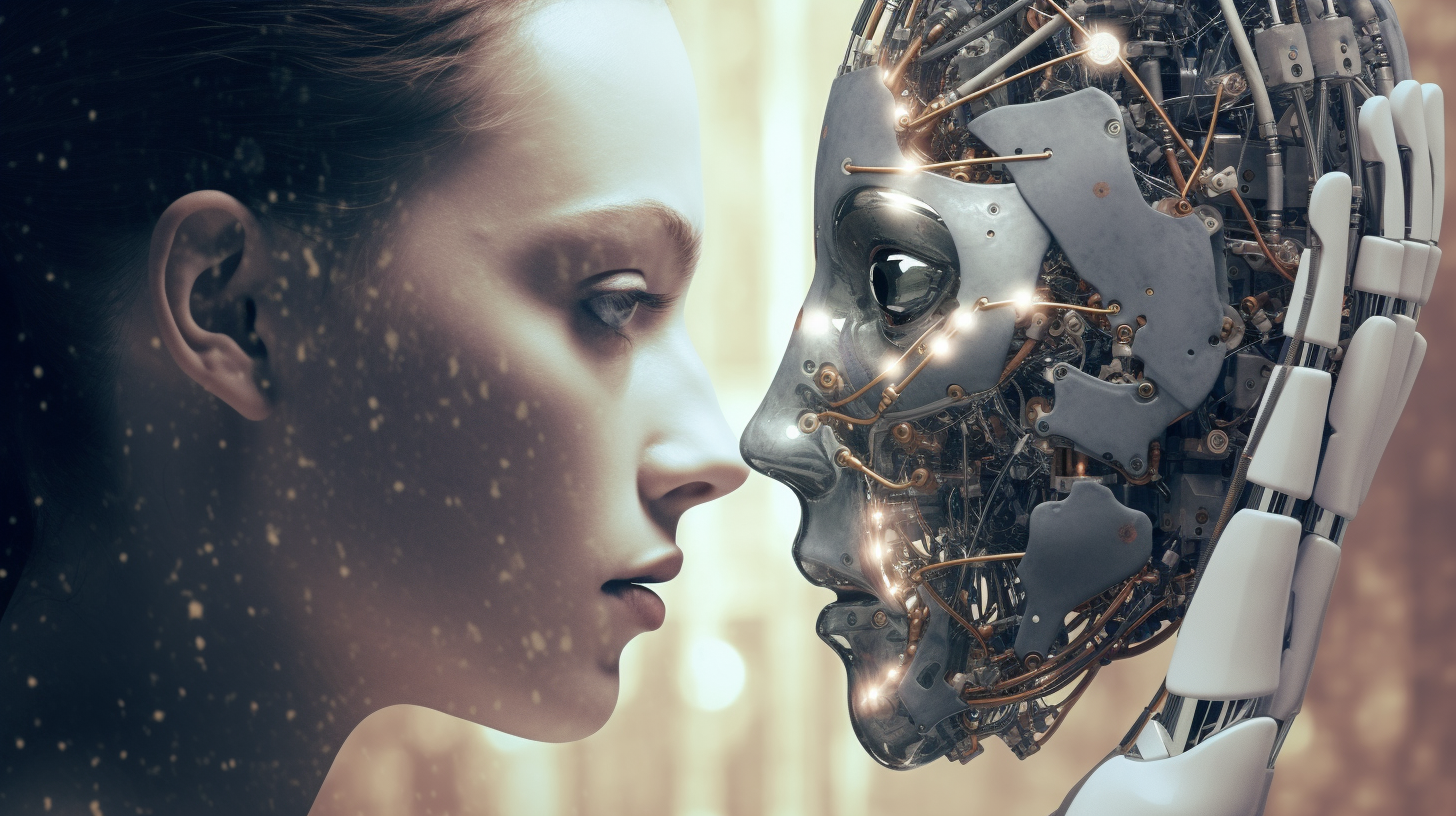
The Future of Anthropomorphism: Coexistence or Convergence?
As AI continues to evolve, so too will our relationship with it. The next frontier lies in “emergent anthropomorphism”—AI systems that develop their own narratives, quirks, and even flaws, making them feel less like tools and more like entities with agency. Imagine an AI artist that cultivates a distinct artistic style over time, or a virtual assistant that “remembers” past conversations in a way that feels personal rather than transactional. This shift could redefine creativity, collaboration, and even spirituality, as humans project meaning onto machines in increasingly profound ways.
Yet, the future of anthropomorphism isn’t predetermined. It hinges on our collective choices: Will we design AI to reflect the best of humanity, or will we succumb to the temptation of creating entities that merely mimic us without substance? The rise of digital humans offers a mirror to society—one that reflects our desires, fears, and ethical blind spots. By approaching this technology with intentionality and humility, we can harness its potential to enrich human experience without eroding the boundaries that define our humanity. The question isn’t whether we should anthropomorphize AI, but how we do so in a way that honors both innovation and integrity.