In a world where brands clamor for attention in an oversaturated marketplace, one phenomenon quietly reshapes consumer trust: anthropomorphism. The act of endowing brands with human-like qualities isn’t just a marketing gimmick—it’s a psychological bridge that transforms cold, corporate entities into relatable companions. But why do we instinctively trust brands that wear faces, voices, or personalities? The answer lies in the deep-seated wiring of human cognition, where empathy, narrative, and emotional connection converge to redefine loyalty.
The Illusion of Companionship: Why Human-Like Brands Feel Like Friends
Consider the last time you felt a pang of disappointment when a beloved brand’s mascot was “silenced” in a rebranding effort. That emotional response isn’t accidental—it’s the result of our brains treating anthropomorphic brands as quasi-social entities. When a brand adopts human traits—whether through a mascot’s expressive face, a conversational tone, or a backstory—it transcends its utilitarian purpose. It becomes a companion, a silent confidant in our daily lives. This phenomenon, rooted in the para-social interaction theory, explains why consumers develop one-sided relationships with media personas, and brands are no exception. The more a brand mimics human behavior, the more it fulfills our innate need for social connection, even in the absence of real interaction.
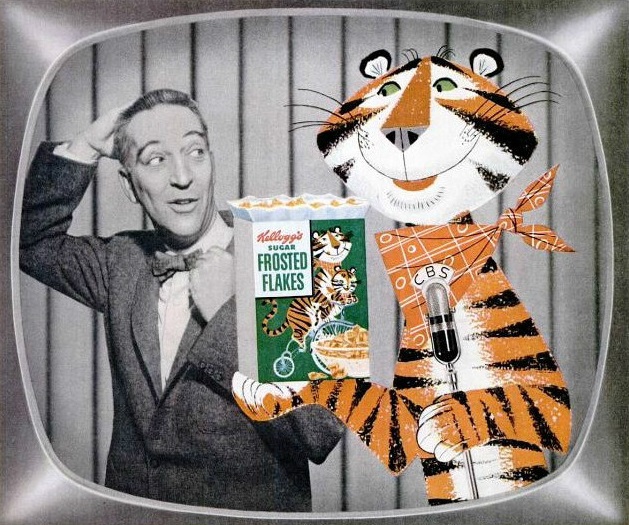
Take the case of a cereal mascot that “winks” at you from the box or a chatbot that replies with emojis. These aren’t just design choices; they’re psychological anchors. They signal intentionality—a trait we associate with trustworthy individuals. When a brand behaves like a person, our subconscious interprets it as capable of reciprocity, making us more likely to overlook its artificial origins. This is the power of anthropomorphism: it turns transactional relationships into transactional friendships, where loyalty is no longer about product quality alone but about the emotional bond forged through shared “experiences.”
The Promise of Consistency: How Predictability Breeds Trust
Trust isn’t built on grand gestures alone—it’s forged in the mundane. Anthropomorphic brands excel here by offering a predictable personality, a trait humans innately seek in relationships. When a brand consistently embodies a set of values—whether it’s the quirky humor of Old Spice or the stoic reliability of a luxury watch—it creates a cognitive schema in the consumer’s mind. This schema acts as a mental shortcut, allowing us to anticipate how the brand will behave in different scenarios. The less a brand deviates from its established persona, the more we perceive it as dependable, a cornerstone of trust.
This is why brands like Geico’s gecko or Flo from Progressive Insurance endure. Their personalities are so ingrained in our cultural lexicon that we don’t just recognize them—we expect them. When a brand’s anthropomorphic traits align with its actions (e.g., a “kind” brand donating to charity), it reinforces the perception of integrity. Conversely, inconsistency—such as a playful mascot suddenly adopting a stern tone—can erode trust as swiftly as it was built. The key lies in the authenticity of the anthropomorphism: it must feel organic, not forced, to resonate deeply.
The Empathy Paradox: Why We Trust What Feels Like Us
Anthropomorphism doesn’t just make brands feel human—it makes them feel like us. This is the crux of the empathy-alignment hypothesis, which posits that we trust entities that reflect our own values, struggles, and aspirations. When a brand adopts human-like flaws—such as acknowledging its mistakes or poking fun at its own limitations—it becomes relatable. Consider the viral campaigns where brands humorously “apologize” for their shortcomings. These moments of vulnerability trigger our mirror neurons, compelling us to empathize and, by extension, trust.
This effect is magnified in industries where trust is paramount, such as healthcare or finance. A bank that personifies its services with a “wise mentor” archetype doesn’t just sell security—it sells understanding. Similarly, a skincare brand that frames its products as a “self-care ritual” rather than a commodity taps into our desire for personal growth. The more a brand’s anthropomorphic traits mirror our own identity or desired identity, the more we project our hopes and fears onto it. This projection isn’t naive; it’s a sophisticated cognitive process where trust becomes a form of emotional investment.
The Narrative Trap: How Stories Turn Brands Into Heroes
Humans are storytelling creatures, and anthropomorphic brands leverage this instinct by weaving themselves into our personal narratives. When a brand crafts a backstory—whether it’s the “humble origins” of a startup or the “legacy” of a heritage brand—it invites consumers to co-author its mythos. This narrative framing transforms the brand from a mere provider into a character in the consumer’s life story. The more compelling the narrative, the more we invest in its success, much like we root for a protagonist in a novel.
Consider the rise of “brand activists”—companies that take stances on social issues. Their anthropomorphic messaging (e.g., “We stand with you”) frames them as allies in a shared struggle. This isn’t just marketing; it’s myth-making. By positioning itself as a protagonist fighting for a cause, the brand taps into the universal human desire to belong to something greater than ourselves. The trust that follows isn’t transactional; it’s tribal. Consumers don’t just buy the product—they buy into the story, and by extension, the brand’s moral compass.

The danger, of course, lies in the narrative dissonance—when a brand’s story clashes with its actions. A company that preaches sustainability but pollutes rivers undermines its own anthropomorphic appeal, leaving consumers feeling betrayed. The trust built through narrative is fragile; it requires ongoing alignment between words and deeds. When executed ethically, however, anthropomorphic storytelling doesn’t just sell products—it cultivates communities.
The Vulnerability Advantage: Why Flaws Make Brands More Trustworthy
In a world where perfection is the default expectation for brands, anthropomorphism introduces a radical idea: imperfection is endearing. When a brand admits its limitations—whether through self-deprecating humor or transparent communication—it humanizes itself in a way that sterile corporate messaging cannot. This vulnerability triggers the halo effect, where our positive feelings toward the brand’s honesty spill over into other areas, such as product quality or customer service.
Take the example of a fast-food chain that pokes fun at its own slow drive-thru times. The joke isn’t just funny; it’s a signal that the brand understands its flaws and isn’t afraid to acknowledge them. This authenticity fosters a sense of reciprocal trust, where consumers feel more comfortable extending grace when the brand inevitably stumbles. The key is balance: too much vulnerability can make a brand seem incompetent, while too little can render the anthropomorphism hollow. The sweet spot lies in acknowledging flaws without undermining competence—a delicate dance that, when mastered, deepens consumer loyalty.
This phenomenon also explains why brands with “quirky” personalities often outperform their more reserved counterparts. A brand that embraces its oddities—whether it’s a sock company with a “sassy” tone or a tech brand that uses memes in its ads—signals that it’s run by real people, not faceless corporations. In an era where consumers crave authenticity, anthropomorphism offers a way to bridge the gap between the human and the corporate.
The Future of Trust: Anthropomorphism in the Age of AI
As artificial intelligence becomes ubiquitous, the line between human and machine blurs—and so does the way we trust. Anthropomorphic AI, from chatbots with “personalities” to virtual assistants that “remember” user preferences, is already reshaping consumer expectations. The challenge? Ensuring that this anthropomorphism doesn’t feel manipulative. When an AI-driven brand mascot “learns” a user’s habits to tailor recommendations, it must do so transparently, lest it cross into the uncanny valley of creepy rather than cute.
The future of anthropomorphic branding may lie in collaborative storytelling, where consumers co-create the brand’s personality. Imagine a sneaker brand that lets users design its mascot’s outfits or a coffee chain that lets customers “train” its AI barista’s tone. This level of interactivity could redefine trust as a two-way street, where loyalty is earned through shared creativity rather than top-down messaging. The brands that thrive will be those that use anthropomorphism not as a gimmick, but as a bridge—connecting the mechanical precision of commerce with the messy, beautiful unpredictability of human connection.

As we stand on the precipice of this new era, one truth becomes clear: anthropomorphism isn’t just a tool for selling more products—it’s a redefinition of value. In a marketplace where attention is the scarcest resource, the brands that earn trust will be those that don’t just speak to us, but speak with us. They will be the ones that remember our names, laugh at our jokes, and, above all, make us feel seen. And in that moment of recognition, trust isn’t just given—it’s reciprocated.