In an era where algorithms dictate our feeds and automation governs our interactions, there remains an inexplicable allure to brands that feel human. We gravitate toward them not just as consumers, but as participants in a shared narrative. This fascination isn’t merely a marketing trend—it’s a reflection of our intrinsic desire for connection, authenticity, and meaning in a world that often feels increasingly impersonal. The brands we choose to engage with, trust, and even love are no longer faceless entities; they are storytellers, companions, and mirrors of our own identities. But why do we prefer brands with human traits? The answer lies not in the products they sell, but in the emotions they evoke and the relationships they cultivate.
The Illusion of Companionship in a Digital Age
Human brands transcend their commercial purpose by offering something far more valuable: the semblance of companionship. In a society where loneliness has been labeled an epidemic, these brands step in as ersatz confidants, whispering promises of understanding and belonging. Consider the rise of “brand personas”—think of the whimsical charm of Mailchimp’s Freddie or the earnest optimism of Patagonia’s environmental ethos. These aren’t just mascots; they are emotional anchors, providing a sense of familiarity in a chaotic digital landscape. When a brand adopts human-like traits—empathy, humor, vulnerability—it transforms from a transactional entity into a participant in our daily lives. We don’t just buy from these brands; we invite them into our routines, our jokes, and even our struggles. This pseudo-friendship is a balm for the isolation that permeates modern existence, offering a fleeting but potent sense of connection.

The Power of Narrative: Brands as Storytellers
At the heart of every human brand lies a story—one that is relatable, aspirational, or even rebellious. Unlike traditional corporations that prioritize profit margins over plotlines, brands with human traits craft narratives that resonate on a deeply personal level. Take, for instance, the meteoric rise of Glossier, a beauty brand that didn’t just sell makeup but sold a lifestyle of effortless confidence and community. Its founder, Emily Weiss, didn’t just market products; she marketed a movement, inviting customers to see themselves as part of a larger, inclusive story. This narrative alchemy turns passive consumers into active participants, blurring the line between brand and believer. When a brand’s story aligns with our own values or aspirations, it ceases to be a vendor and becomes a co-author of our identity. The result? A loyalty that transcends logic, rooted instead in emotion and shared purpose.
Authenticity as the New Currency
In an age of deepfakes and curated perfection, authenticity has become a rare and coveted commodity. Human brands understand this implicitly, trading polished facades for raw, unfiltered humanity. They admit mistakes, celebrate imperfections, and engage in conversations rather than monologues. Dove’s “Real Beauty” campaign, for example, didn’t just sell soap—it sold a rejection of unrealistic standards, positioning the brand as an ally in the fight for self-acceptance. This authenticity fosters trust, a currency more valuable than any ad spend. When a brand demonstrates vulnerability—whether through transparent supply chains, employee spotlights, or public apologies—it signals that it, too, is fallible. And in a world where consumers are increasingly skeptical of corporate motives, this humility becomes a bridge, forging bonds that no amount of glossy advertising could achieve.
The Psychology of Anthropomorphism: Why We See Faces in Everything
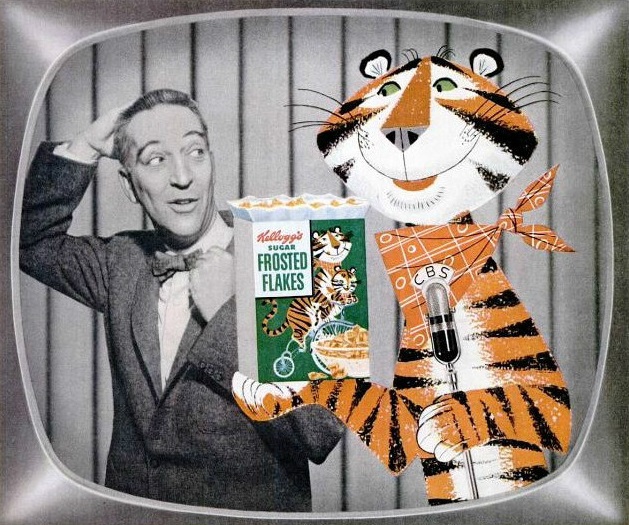
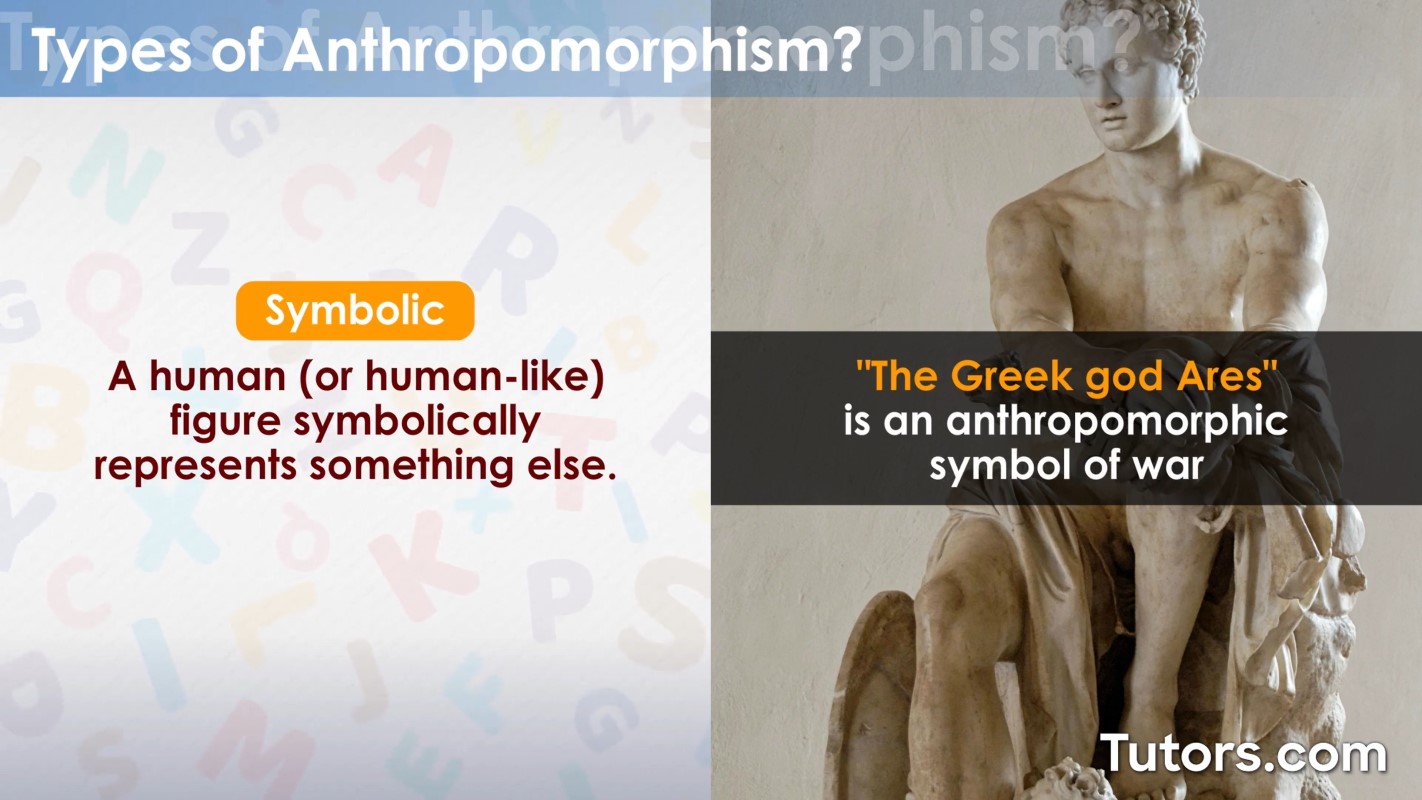
Our brains are wired to detect humanity in the most unlikely places. This cognitive phenomenon, known as anthropomorphism, explains why we name our cars, talk to our pets, and even feel guilty when we ignore a brand’s email. Human brands leverage this psychological quirk by adopting traits that trigger our innate tendency to personify. A logo that winks, a mascot that dances, or a tone of voice that feels like a friend’s—these are not accidental design choices but deliberate strategies to exploit our brain’s predisposition to seek out faces and personalities. The more a brand can mimic human behavior—through storytelling, tone, or even the rhythm of its social media posts—the more we perceive it as a living, breathing entity. This isn’t mere trickery; it’s a reflection of our deep-seated need to anthropomorphize, to find meaning and intention in the world around us.
From Transactions to Relationships: The Evolution of Consumer Loyalty
The shift from transactional relationships to emotional ones marks a seismic change in consumer behavior. Human brands recognize that loyalty isn’t earned through discounts or convenience alone but through consistent, meaningful interactions. Starbucks, for instance, doesn’t just sell coffee; it sells the idea of a “third place” between home and work, a sanctuary where customers can linger and connect. This transformation of a mundane product into a ritual of belonging turns customers into evangelists. When a brand becomes part of our daily rituals—whether it’s the barista who remembers your name or the app that greets you by name—it transcends its utilitarian purpose. We don’t just purchase from these brands; we invest in them, defend them, and advocate for them. The result is a relationship that feels less like a purchase and more like a partnership.
The Paradox of Personalization: When Brands Know Us Too Well
Yet, the humanization of brands is not without its complexities. As algorithms grow more sophisticated, the line between personalization and intrusion blurs. When a brand tailors its messaging to our deepest insecurities or past purchases, it can feel less like a companion and more like a voyeur. The challenge for human brands lies in striking a balance—leveraging data to enhance connection without crossing into manipulation. The most successful brands, like Netflix or Spotify, use personalization not to exploit but to surprise and delight, creating experiences that feel serendipitous rather than invasive. The key is to humanize without dehumanizing the consumer, to offer relevance without eroding autonomy. In doing so, these brands transform personalization from a tool of surveillance into a gesture of care.
Conclusion: The Human Brand as a Mirror and a Guide
The allure of human brands is not a fleeting trend but a fundamental shift in how we engage with the marketplace. In a world that often feels fragmented and isolating, these brands offer a semblance of order, purpose, and connection. They are not just selling products; they are selling identities, communities, and even solace. The brands we choose to align with become extensions of ourselves, reflecting our values and aspirations back at us. Yet, their power lies not in their ability to mimic humanity but in their willingness to embrace it—flaws, quirks, and all. In the end, our preference for human brands is less about what they sell and more about what they represent: a longing for authenticity in a world that often feels artificial, a search for meaning in a landscape of noise, and a quiet hope that even corporations can be, at their core, human.