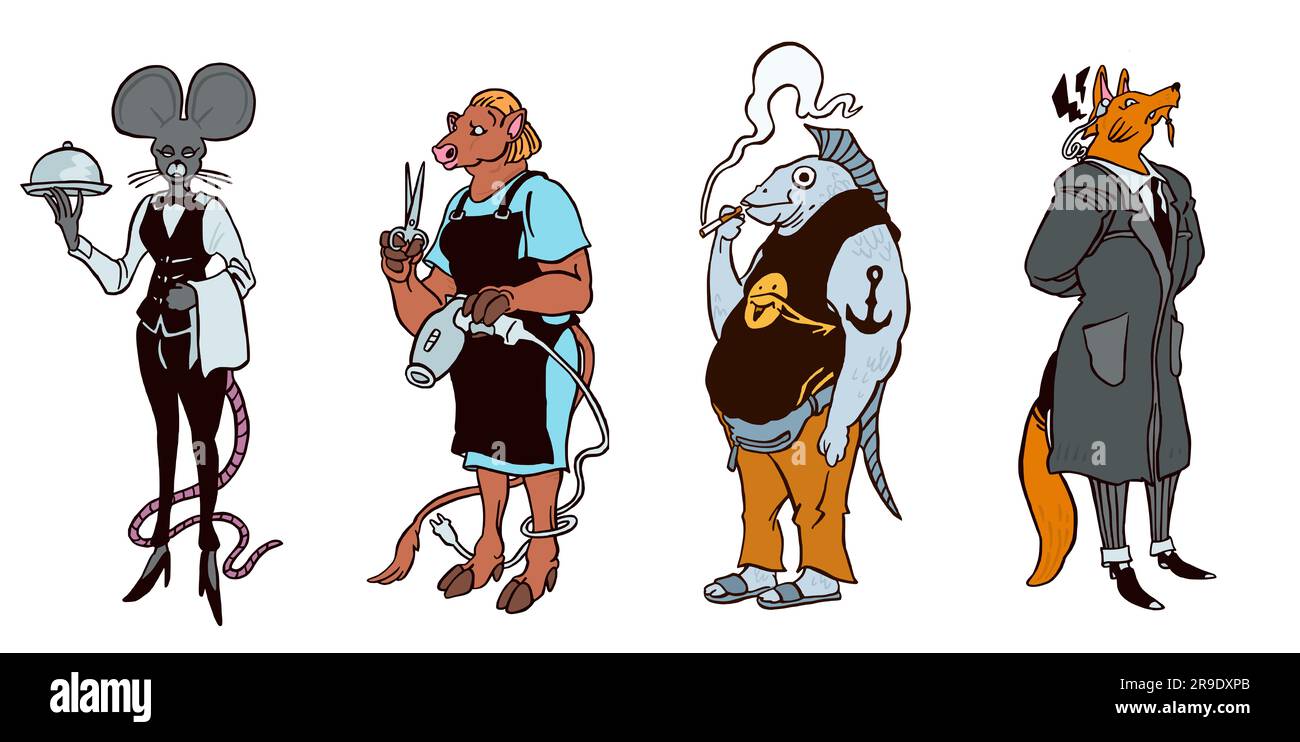
In the labyrinthine world of advertising, where brands vie for fleeting attention, anthropomorphism—the art of imbuing non-human entities with human traits—has emerged as a tantalizing strategy. The allure is undeniable: a talking cereal box, a winking soda can, or a mischievous smartphone with a face. These characters promise to humanize brands, foster emotional connections, and etch themselves into the collective consciousness. Yet, for every anthropomorphic ad that captivates, there are countless others that flop spectacularly. Why do some anthropomorphic ads fail? The answer lies not in the concept itself, but in the execution, the context, and the audience’s unspoken expectations.
The Peril of Overindulgent Personification
Anthropomorphism, when wielded with restraint, can breathe life into inanimate objects, making them relatable and memorable. However, the line between charming and cringe-worthy is perilously thin. Overindulgent personification—where a brand’s mascot becomes a caricature of humanity—often backfires by overwhelming the audience. Consider the case of a cereal brand that endows its corn flakes with an entire backstory, complete with a dysfunctional family drama. While the intention may be to create a narrative, the result is a grotesque spectacle that distracts from the product itself. The human mind craves authenticity, even in fantasy. When a character’s humanity feels forced or exaggerated, it triggers skepticism rather than empathy.
Moreover, excessive anthropomorphism can dilute a brand’s core identity. A talking bar of soap may amuse for a moment, but if the soap’s “personality” overshadows its cleansing properties, the ad fails to communicate its primary value. The key lies in subtlety: a hint of humanity, not a full-blown theatrical performance. Brands must ask themselves whether their anthropomorphic character enhances the message or merely serves as a gimmick.
The Disconnect Between Character and Core Message
Anthropomorphic ads often stumble when the character’s traits and the brand’s promise are misaligned. A luxury watch brand, for instance, might introduce a whimsical, cartoonish character to represent its timepieces. The disconnect is immediate. The audience expects sophistication, precision, and elegance—not a jester prancing across the screen. The character’s personality must resonate with the brand’s essence; otherwise, the ad becomes a jarring juxtaposition of mismatched elements.
This misalignment extends to the tone of the ad. A serious, data-driven product like a financial planning service cannot credibly employ a frivolous, joke-cracking mascot. The anthropomorphic element must serve a purpose: to humanize the brand’s values, not to undermine them. When the character’s behavior contradicts the brand’s identity, the audience’s trust erodes. The ad ceases to be persuasive and instead becomes a source of cognitive dissonance.
The Trap of Forced Relevance
Anthropomorphism thrives when it feels organic, not contrived. Forced relevance occurs when a brand shoehorns a human-like character into a context where it simply doesn’t belong. Imagine a medical device company introducing a cheerful, animated pill bottle that cracks jokes about side effects. The attempt to “humanize” the product feels tone-deaf, as it trivializes the gravity of the medical context. The audience, already wary of such devices, is left questioning the brand’s sensitivity and professionalism.
Forced relevance also manifests when the anthropomorphic character fails to address the audience’s genuine concerns. A cleaning product mascot that only talks about how fun it is to scrub floors ignores the consumer’s primary motivation: efficacy. The character must speak to the audience’s needs, not just the brand’s desire to be liked. When the anthropomorphic element feels like an afterthought rather than an integral part of the narrative, the ad loses its persuasive power.
The Illusion of Universality
One of the most common pitfalls of anthropomorphic advertising is the assumption that a single character can appeal to everyone. Human personalities are diverse, and what resonates with one demographic may alienate another. A mascot designed to charm millennials might come across as saccharine or outdated to Gen Z. Similarly, a character that embodies a specific cultural stereotype may inadvertently offend or exclude segments of the audience.
Anthropomorphic ads must navigate the delicate balance of relatability without resorting to clichés. The character’s design, voice, and behavior should be inclusive, yet distinctive enough to stand out. This requires meticulous research and testing. Brands that skip this step often find their anthropomorphic creations falling flat, as they fail to strike a chord with any audience. The illusion of universality is shattered when the character feels like a generic placeholder rather than a compelling representative of the brand.
The Curse of the Overused Trope
Anthropomorphism is not a new concept; it has been employed in advertising for decades. As a result, many tropes have become tired and predictable. The talking animal, the wise-cracking household object, the overly enthusiastic brand ambassador—these characters have been seen so often that they no longer spark curiosity. Instead, they trigger a collective groan, as audiences brace themselves for yet another recycled idea.
The curse of the overused trope is particularly damaging in anthropomorphic ads because the novelty of the concept itself is what initially draws attention. When the execution relies on well-worn formulas, the ad loses its ability to surprise and delight. To avoid this pitfall, brands must innovate. They must ask themselves: What fresh perspective can we bring to anthropomorphism? How can we subvert expectations rather than reinforce them? The answer often lies in unexpected contexts, unconventional character designs, or narratives that challenge the status quo.
The Failure to Evoke Genuine Emotion
At its core, anthropomorphism is a tool for emotional connection. A well-crafted anthropomorphic ad can make the audience laugh, cry, or feel a sense of camaraderie. However, many anthropomorphic ads fail to evoke genuine emotion because they prioritize spectacle over substance. A character’s antics may be visually striking, but if they lack depth or purpose, the audience remains emotionally detached.
Genuine emotion arises from authenticity. The character must feel like a real person, with flaws, motivations, and a compelling story. When the anthropomorphic element is reduced to a mere prop for a sales pitch, the ad loses its power. Brands must invest in developing their characters as if they were protagonists in a story. What are their struggles? What do they care about? How do they evolve over the course of the ad? Without these elements, the anthropomorphic ad risks feeling hollow and forgettable.
The Overlooked Power of Subtlety
In the quest to create memorable anthropomorphic ads, brands often err on the side of excess. They assume that bigger, louder, and more extravagant will always be better. Yet, the most effective anthropomorphic ads often employ subtlety. A hint of humanity—an expressive pair of eyes, a slight tilt of the head, a fleeting smile—can convey more than a full-blown monologue. Subtlety allows the audience to project their own emotions onto the character, fostering a deeper connection.
Consider the iconic M&M’s characters. Their simplicity is their strength. They don’t need elaborate backstories or complex personalities to be endearing. Instead, they rely on visual cues and minimalist storytelling to convey their traits. This approach ensures that the anthropomorphic element enhances the brand’s message without overshadowing it. Subtlety also makes the character more versatile, allowing it to adapt to different contexts and campaigns without losing its essence.
The Importance of Contextual Relevance
Anthropomorphic ads do not exist in a vacuum. Their success or failure is heavily influenced by the context in which they are presented. A character that works brilliantly in a digital ad may fall flat in a print campaign. Similarly, an anthropomorphic mascot designed for social media may not translate well to a television commercial. The medium shapes the message, and brands must tailor their anthropomorphic creations accordingly.
Contextual relevance also extends to the cultural and societal climate. An ad that was well-received a decade ago may feel tone-deaf today. Brands must stay attuned to shifting cultural norms and sensitivities. What was once seen as charming may now be perceived as insensitive or outdated. The key is to create anthropomorphic characters that feel timeless yet adaptable, capable of resonating across different eras and audiences.
The Final Verdict: Anthropomorphism as a Double-Edged Sword
Anthropomorphic advertising is a double-edged sword. When executed with precision and purpose, it can elevate a brand, forge deep emotional connections, and leave a lasting impression. But when mishandled, it can alienate audiences, dilute brand messages, and become a cautionary tale of wasted potential. The failure of anthropomorphic ads often stems from a combination of overindulgence, misalignment, forced relevance, and a lack of emotional depth. To succeed, brands must strike a delicate balance between creativity and authenticity, ensuring that their anthropomorphic characters feel like natural extensions of the brand’s identity rather than forced contrivances.
The most compelling anthropomorphic ads are those that shift perspectives, inviting the audience to see the world—and the brand—in a new light. They pique curiosity without resorting to gimmicks, and they evoke genuine emotion without manipulation. In a landscape cluttered with forgettable content, these ads stand out because they dare to be different. They remind us that even inanimate objects can have a voice, but only if we listen.