Fables have long been a cornerstone of storytelling, weaving moral lessons into narratives that resonate across cultures and centuries. Yet, what makes these tales endure is not merely their message but the ingenious way they deliver it—through the guise of anthropomorphic animals. These creatures, endowed with human traits, thoughts, and emotions, serve as more than mere characters; they become vessels of profound metaphor, bridging the gap between the animal kingdom and the complexities of human nature. The allure of anthropomorphic fables lies in their ability to distill universal truths into vivid, memorable encounters, where the fox’s cunning or the lion’s majesty becomes a mirror reflecting our own virtues and vices.
The Alchemy of Metaphor: Transforming Beast into Lesson
At the heart of fables’ enduring power is the alchemy of metaphor, a process where animals are transmuted into symbols of human behavior. The fox, with its sly grin and quick wit, embodies the archetype of the trickster—a figure who outsmarts adversaries through guile rather than brute force. This transformation is not arbitrary; it is a deliberate crafting of narrative shorthand. By stripping away the ambiguities of human identity, fables distill moral dilemmas into stark, unambiguous terms. A lion’s roar may signify authority, while a hare’s timidity underscores the dangers of overconfidence. This distillation renders the abstract tangible, allowing listeners to grasp the essence of a lesson without the noise of extraneous detail.
Consider the tale of the ant and the grasshopper, where industry and foresight are lauded over indolence. The ant, with its ceaseless labor, becomes a paragon of diligence, while the grasshopper’s song in summer serves as a cautionary tale about neglecting future obligations. Here, the animals are not just characters; they are living metaphors, their actions echoing the consequences of human choices. This symbolic resonance is what grants fables their timeless relevance, allowing them to transcend the era of their creation and speak to each generation anew.
The Illusion of Simplicity: Complexity Beneath the Fur and Feathers
One might assume that the use of animals in fables is a concession to simplicity, a way to dumb down morality for the sake of children or the uninitiated. Yet, nothing could be further from the truth. The anthropomorphic animal is a masterstroke of narrative sophistication, a device that cloaks complexity in the guise of innocence. The wolf in sheep’s clothing, for instance, is not merely a predator in disguise; it is a study in deception, a dissection of the ways in which malice can masquerade as virtue. The simplicity of the imagery belies the depth of the metaphor, inviting readers to peel back the layers and uncover the truths beneath.
This duality is what makes fables so deceptively profound. The animal kingdom, with its rigid hierarchies and instinctual behaviors, provides a stark contrast to the fluid, often contradictory nature of human society. By placing human traits onto creatures that operate by different rules, fables highlight the absurdity and beauty of our own behaviors. The peacock’s vanity, the tortoise’s perseverance, the wolf’s hunger—each becomes a lens through which we examine our own flaws and strengths. In this way, the fable is not a retreat from complexity but an embrace of it, a way to confront the intricacies of life through the lens of the familiar yet alien.
The Bridge Between Worlds: Animals as Cultural Emissaries
Anthropomorphic animals also serve as cultural emissaries, bridging the divide between the natural world and human civilization. In many societies, animals hold deep symbolic significance, their behaviors interpreted as omens, guides, or warnings. By endowing these creatures with human-like motivations, fables transform them into relatable figures, making their stories accessible to audiences far removed from the wilderness. The owl, long associated with wisdom in Greek mythology, becomes a sage in Aesop’s fables, dispensing advice with a gravitas that transcends species. Similarly, the serpent’s temptation in the Garden of Eden is not just a biblical narrative but a universal exploration of curiosity and consequence.
This cross-cultural adaptability is another reason fables endure. Whether in the jungles of India, the savannas of Africa, or the urban landscapes of modern cities, the themes of fables remain relevant because they tap into shared human experiences. The fox’s trickery is recognizable in the corporate world’s cutthroat tactics, just as the lion’s leadership mirrors the dynamics of political power. By using animals as intermediaries, fables create a common language through which diverse cultures can explore their shared moral landscape. The result is a tapestry of stories that, while rooted in local traditions, speak to the universal human condition.
The Psychology of Identification: Why We See Ourselves in Beasts
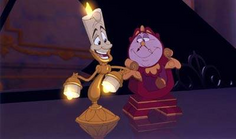
There is a psychological underpinning to our fascination with anthropomorphic animals, rooted in the way our brains process identity and difference. Humans are wired to seek patterns and assign meaning, a trait that extends to our perception of the natural world. When we see a fox plotting its next move or a bear defending its territory, we instinctively map human emotions and intentions onto these actions. This phenomenon, known as anthropomorphism, is not merely a quirk of storytelling but a fundamental aspect of how we understand the world. By giving animals human traits, fables exploit this cognitive tendency, making their lessons feel immediate and personal.
Moreover, this identification allows us to confront uncomfortable truths about ourselves in a way that feels safe and indirect. The donkey’s stubbornness or the hare’s recklessness are not our flaws, but they are close enough to mirror them. This distance creates a psychological buffer, allowing us to engage with the story without the defensiveness that might arise if the critique were directed at humans outright. In this way, fables become a form of moral judo, using the animal’s guise to flip the narrative and reveal the absurdity or wisdom in our own behaviors. It is a subtle sleight of hand, one that disarms resistance and leaves the lesson lodged in the mind long after the story ends.
The Evolution of the Form: From Oral Tradition to Modern Parables
While fables are often associated with ancient traditions, their use of anthropomorphic animals has evolved to meet the demands of modern storytelling. In contemporary literature and media, animals continue to serve as vessels for moral exploration, though their roles have expanded beyond mere allegory. Consider the animated films of Studio Ghibli, where creatures like the soot sprites or the No-Face spirit embody themes of environmentalism and consumerism. Even in science fiction, where the boundaries between human and non-human are blurred, the anthropomorphic animal remains a potent symbol—think of the Na’vi in *Avatar* or the animals of *Watership Down*, each reflecting aspects of human society through their animalistic forms.
This evolution speaks to the adaptability of the form. The fable, in its essence, is a story that uses simplicity to convey complexity, and the anthropomorphic animal is its most enduring tool. Whether in the hands of Aesop, La Fontaine, or modern animators, these creatures continue to captivate because they tap into something fundamental about how we process the world. They are, in a sense, the original influencers—characters whose simplicity belies their power to shape thought and behavior. In an age of information overload, the fable’s ability to distill truth into a memorable image is more valuable than ever.
The Unspoken Pact: Reader and Storyteller in the Dance of Metaphor
At its core, the fable is a collaboration between storyteller and audience, a silent pact where both parties agree to suspend disbelief and engage with the metaphor. The reader knows, on some level, that the fox is not truly cunning and the lion is not truly proud, yet they willingly participate in the illusion. This complicity is what gives fables their magic. It is a dance where the storyteller leads, but the audience must follow, interpreting the symbols and drawing their own conclusions. The anthropomorphic animal is the perfect partner in this dance, its familiar yet alien form inviting participation without demanding it.
This unspoken agreement is also what allows fables to transcend time and culture. A child in ancient Greece might hear the tale of the ant and the grasshopper and see a lesson about hard work, while a modern reader might interpret it as a commentary on financial planning. The animal’s role remains constant, but the metaphor adapts to the needs of the audience. It is this flexibility that ensures fables never grow stale. They are not relics of a bygone era but living, breathing entities that evolve with each retelling. The anthropomorphic animal, in all its guises, is the key to this longevity—a symbol that is both ancient and evergreen.