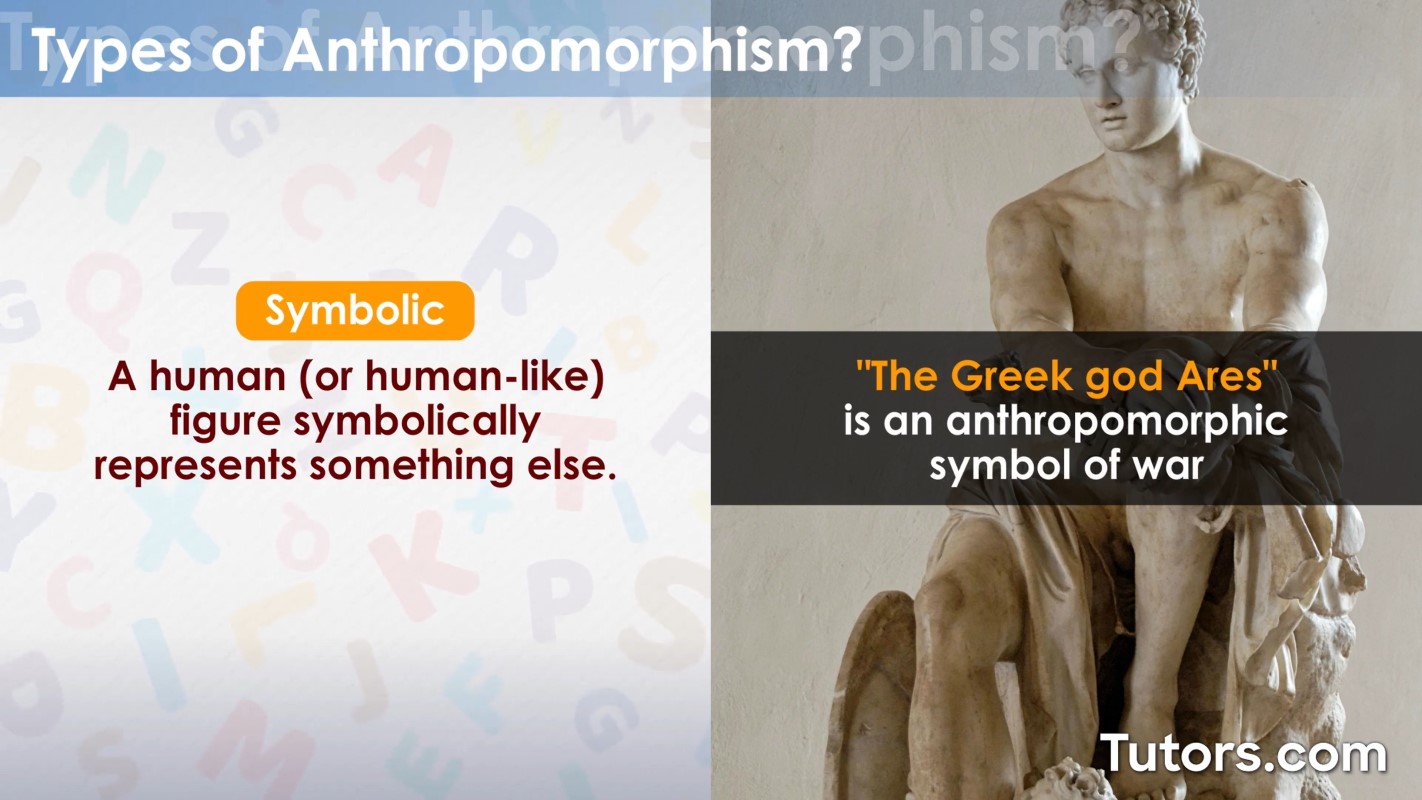
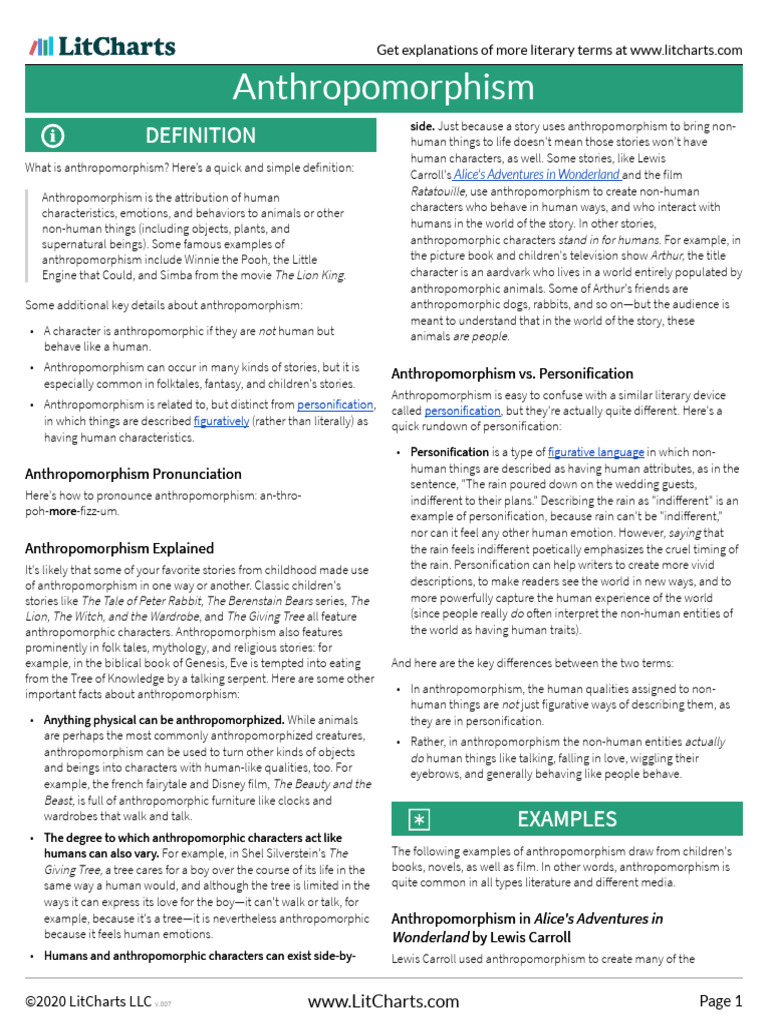
The art of pitching an idea, a product, or a vision hinges not merely on the conveyance of facts, figures, and forecasts but on the alchemy of connection. Within this delicate dance of persuasion, anthropomorphism emerges as a subtle yet profoundly effective narrative device. The attribution of human traits, intentions, and emotions to inanimate objects, brands, or abstract concepts has long captivated audiences. While often examined through the lens of literature or art, its quintessential role in pitch decks unveils not only a strategic communication technique but also a deep-seated psychological allure that draws investors and stakeholders into a shared human experience.
Anthropomorphism as a Bridge Between Abstract Concepts and Human Comprehension
Pitch decks frequently showcase propositions that are complex, novel, or inherently intangible. Whether unveiling an innovative technology, a disruptive business model, or a revolutionary service, the challenge lies in rendering these abstract notions accessible and relatable. Anthropomorphism leverages familiar human characteristics as cognitive shortcuts. By attributing agency, personality, or relatable behaviors to products or data points, presenters forge a conceptual bridge, easing the audience’s journey from unfamiliarity to understanding.
This device transforms sterile metrics into entities with desires, struggles, and triumphs. For instance, a software platform might be portrayed as a “trustworthy companion” that “learns” and “adapts” to the user’s needs. These personifications enable listeners to visualize functional processes vividly and emotionally. They evoke empathy and interest, converting what could be a cold, technical exposition into a story with protagonists and stakes.
The Innate Human Fascination with Anthropomorphism: Psychological Underpinnings
At the core of anthropomorphism’s efficacy lies a universal cognitive predilection. Humans are inherently wired to seek agency and intention, an evolutionary trait that sharpened social bonds and heightened survival. This predisposition extends beyond human-to-human interactions and spills over into how we interpret the world around us. When we perceive the environment, objects, or concepts as possessing human-like qualities, we assign meaning and relate to them emotionally.
This fascination is not mere whimsy but a deeply ingrained mechanism. It accounts for why mascots, brand characters, and personified representations in pitch decks wield considerable persuasive power. Investors and decision-makers do not solely analyze data; they connect with narratives that resonate on a human level. Anthropomorphism activates emotional circuits in the brain, facilitating memory retention and fostering a sense of trust. The pitch transcends transactional communication; it becomes an evocative dialogue inviting co-creation.
Humanizing Data and Metrics to Enhance Recall and Persuasion
Data, by default, carries a veneer of objectivity and impersonality. Ironically, this very impartiality can erect barriers to engagement. Anthropomorphism softens these barriers. When figures are imbued with human-like qualities—such as a “soaring customer base” or a “hungry market demand”—they become more than numbers. They morph into dynamic forces that chart a narrative of growth, potential, and momentum.
Personifying metrics aids memory recall, a crucial asset during high-stakes meetings where multiple proposals vie for attention. It also allows presenters to dramatize trajectories, portraying markets as “evolving landscapes” or competitors as “lurking challengers.” This narrative layering intensifies the emotional fabric of the pitch, enabling a more immersive and lasting impression. The strategic anthropomorphizing of data transforms an analytical tableau into an engaging storyline, thereby elevating the persuasiveness of the pitch deck.
Building Trust and Emotional Rapport Through Characterization
Trust is the cornerstone of any investment decision. Beyond quantifiable projections, stakeholders seek assurance in the credibility and integrity of the offering. Anthropomorphism facilitates this by crafting relatable personifications that embody reliability, resilience, and responsiveness. By ascribing human qualities such as “transparency,” “adaptability,” or “commitment” to the business or product, pitch decks cultivate an aura of authenticity.
These human traits function as social signals. They mirror qualities valued in interpersonal relationships and subtly encourage stakeholders to extend these relational expectations to the brand or proposition. The outcome is a psychological environment wherein investors feel more comfortable and confident in endorsing what they perceive as a “partner” rather than a faceless enterprise. The trust engendered through anthropomorphic storytelling fosters not only immediate engagement but lays the groundwork for an ongoing alliance.
Animating Brand Identity to Differentiate in Competitive Landscapes
In saturated markets, differentiation is imperative. Pitch decks must communicate not only the viability but also the unique spirit that sets a company apart. Anthropomorphism enables brands to transcend logos and slogans by endowing them with a distinctive personality. This personality can embody values, culture, and aspirations in ways that rigid descriptions cannot.
For example, presenting a brand as a “fearless innovator” or a “loyal companion” imparts a vivid identity that sticks with audiences long after the presentation concludes. This humanized brand persona functions as a mnemonic device and an emotional anchor. It aids stakeholders in recalling the proposition amidst a sea of competitors. The interplay of anthropomorphism and branding enables pitch decks to evoke not only rational evaluation but also affective allegiance.
Anthropomorphism as a Catalyst for Storytelling in Pitch Decks
Stories are the primal currency of human interaction. They crystallize complex realities into digestible and compelling narratives. Anthropomorphism acts as a catalyst, animating stories with relatable characters and emotional arcs. This technique transforms fact-laden decks into vivid journeys where obstacles are confronted and ambitions pursued.
By integrating human-like agents, pitch decks invite audiences into a narrative space where abstract goals become personal quests. The product or service is no longer a static entity but a protagonist navigating challenges and seizing opportunities. This dynamic storytelling increases the persuasive impact by appealing simultaneously to intellect and emotion. It cultivates a deeper resonance and facilitates stakeholders’ investment in the envisioned future.
Potential Pitfalls and the Necessity of Authentic Application
While anthropomorphism can enrich pitch decks, it demands judicious application. Overuse or misapplication can engender skepticism or dilute the seriousness of the offering. Investors are discerning; they seek authenticity and coherence. Anthropomorphic elements must align genuinely with the brand’s ethos and the narrative’s integrity.
Hyperbolic or incongruous personifications risk undermining credibility. For example, portraying a complex enterprise software as an “empathetic friend” without substantiating how this manifests in user experience may raise eyebrows. The anthropomorphic narrative should complement, not replace, factual rigor and strategic clarity. When balanced adeptly, it becomes a powerful enhancer; when mishandled, a distracting embellishment.
Conclusion: The Enduring Power of Human Connection in Business Narratives
The efficacy of pitch decks transcends the mere conveyance of information. It is rooted in the capacity to forge human connections through narrative and empathy. Anthropomorphism stands as a potent vehicle for this connection. By infusing human traits into abstract concepts, data, and brands, it unlocks deeper layers of understanding and emotional resonance. This age-old storytelling technique harmonizes with contemporary business imperatives, transforming presentations into immersive, memorable experiences. Ultimately, it is the human element—the shared narrative of hopes, challenges, and aspirations—that animates the lifeless and impels ideas from vision to fruition.