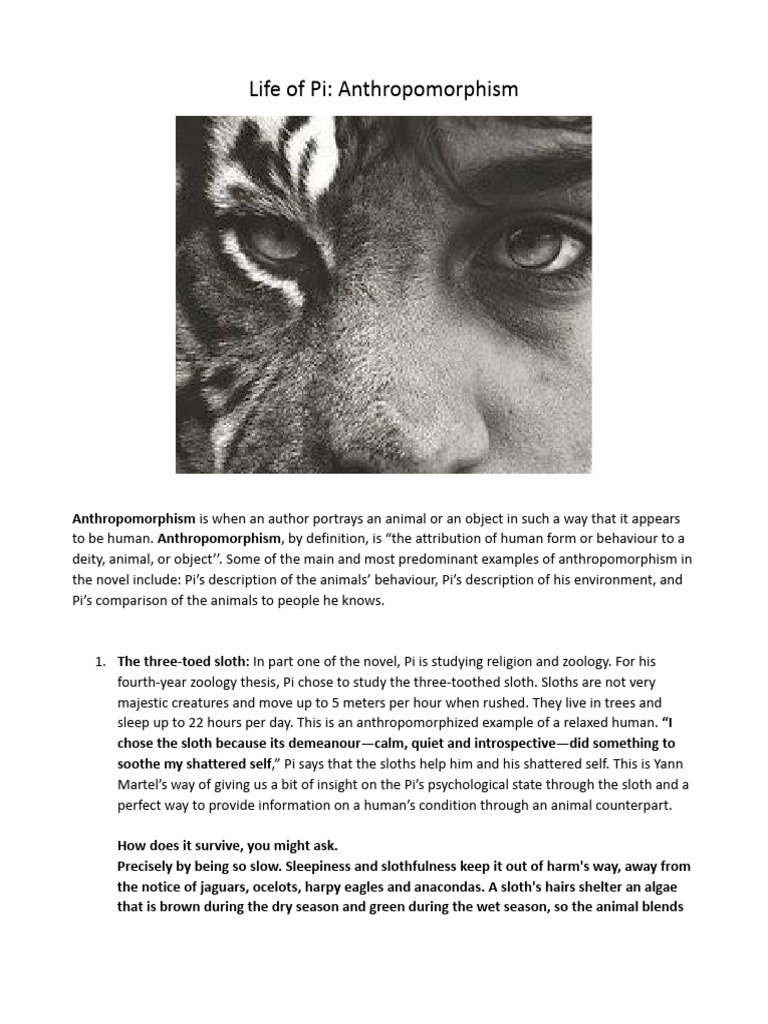
Anthropomorphism—the attribution of human traits, emotions, or intentions to non-human entities—has fascinated psychologists and primatologists alike for decades. Among primates, this phenomenon assumes nuanced dimensions, revealing the intricate cognitive and emotional landscapes shared between humans and their closest evolutionary relatives. The psychology of anthropomorphism in primates offers pivotal insights into social cognition, evolutionary biology, and the fundamental mechanisms that underpin our interpretive frameworks of the non-human world. This article delves into the multifaceted nature of this psychological phenomenon, exploring its evolutionary origins, underlying neural mechanisms, and diverse manifestations across primate species.
Evolutionary Foundations of Anthropomorphism in Primates
Anthropomorphism is often viewed through a human-centric lens, but its roots extend deep into primate evolution. Early in evolutionary history, the ability to infer others’ mental states—known as theory of mind—became an adaptive advantage. Primates, living in complex social groups, developed sophisticated cognitive repertoires that enabled them to predict and respond to the behaviors of conspecifics. This social intelligence laid the groundwork for attributing intentionality not only to fellow primates but occasionally to other species and even inanimate objects.
From an evolutionary perspective, anthropomorphism can be seen as a byproduct of highly developed social cognition. The cognitive tendency to project human-like attributes onto others facilitates empathy and social bonding, which are paramount to group survival. It is through this lens that the extension of such mentalizing capacities onto non-human agents emerges as a natural cognitive extension rather than an anomaly.
Neurocognitive Mechanisms Underlying Anthropomorphic Attribution
The neurological substratum supporting anthropomorphism in primates encompasses networks involved in social cognition, including the mirror neuron system, the temporoparietal junction, and the medial prefrontal cortex. These regions enable recognition of agency, the inference of desires and beliefs, and the emotional resonance necessary for empathetic engagement.
Primates, including humans, show activity in these overlapping neurocircuitries when exposed to social stimuli, especially those suggesting intentional action. Functional neuroimaging studies demonstrate that these areas are hyperactive when individuals interpret ambiguous behaviors as purposeful, revealing the brain’s predisposition to detect agency, even in scant contextual cues.
This inherent tendency not only aids social interaction but also occasionally leads to false positives—perceiving intention where none exists. Such cognitive “overreach” illustrates the adaptive trade-off between sensitivity to social cues and interpretative accuracy, an equilibrium crucial to social species.
Anthropomorphic Claims: Taxonomies and Typologies
Understanding how anthropomorphism manifests requires a framework to categorize the breadth of claims made by primates about others. The taxonomy of anthropomorphic claims spans intentionality, emotion, and cognition, often categorized into distinct types based on the degree and nature of attribution.
- Emotional anthropomorphism: Attributing human-like emotions such as jealousy, grief, or affection to primates’ interactions. This form is particularly evident in social species exhibiting behaviors akin to mourning or attachment.
- Cognitive anthropomorphism: Suggesting that other primates possess complex problem-solving abilities or possess beliefs and desires parallel to humans. This form often emerges in interpretations of tool use or planning behavior.
- Anthropomorphic primatomorphism: The nuanced ascription of human characteristics specifically to primates, recognizing both shared traits and species-specific differences without oversimplification.
Such taxonomies enable researchers to objectively parse the spectrum of anthropomorphic interpretation, fostering a better understanding of both primate behavior and the observer’s cognitive biases.
Anthropomorphism as a Lens in Primate Behavioral Studies
In scientific inquiry, anthropomorphism functions as both a heuristic device and a potential pitfall. When judiciously applied, it aids in hypothesizing about mental states that are otherwise unobservable, offering plausible interpretations of complex behaviors.
For instance, the observation of a chimpanzee consoling a distressed companion invites attributing empathy—an anthropomorphic claim grounded in behavioral evidence. Such interpretations stimulate deeper investigations into the emotional capacities of non-human primates, challenging earlier notions of human uniqueness in affective experience.
However, unwarranted anthropomorphism risks anthropocentric bias, leading to overinterpretation and the projection of unfounded motivations. Rigorous operational definitions and cross-validation with ethological data are essential to harness the benefits of anthropomorphic reasoning while mitigating its limitations.
Cultural and Individual Variation in Anthropomorphic Tendencies
Interestingly, the propensity to anthropomorphize varies across cultures and individuals, influenced by social, cognitive, and emotional factors. Within primate research, this variation impacts data interpretation and the framing of behavioral narratives.
Some cultures imbue animals with spiritual or symbolic human traits as a matter of tradition, which shapes how primatologists and laypersons alike construe animal behavior. On an individual level, variations in empathy, imagination, and cognitive style modulate the degree of anthropomorphic attribution.
Recognizing these differences is crucial in primate studies to contextualize anthropomorphic observations within socio-cultural frameworks, ensuring a balanced perspective that respects both biological realities and subjective interpretation.
Implications for Conservation and Human-Primate Interaction
Anthropomorphism significantly shapes public perceptions and ethical considerations surrounding primate conservation. The human-like portrayal of primates fosters empathy and galvanizes support for preservation efforts. This emotional connection, rooted in perceived kinship, motivates actions to protect habitats and mitigate human-wildlife conflict.
Moreover, understanding anthropomorphic psychology enables more effective communication strategies that bridge scientific knowledge with public engagement. It also informs responsible human-primate interactions in research, tourism, and rehabilitation, promoting welfare that acknowledges primates’ cognitive and emotional sophistication.
Nonetheless, caution is warranted to avoid idealizing primates in ways that obscure the biological constraints and challenges they face. Anthropomorphism should complement rather than supplant empirical observation and ecological context in formulating conservation policies.
Conclusion: Toward a Nuanced Comprehension of Anthropomorphism in Primates
The psychology of anthropomorphism in primates navigates the delicate interplay between cognitive empathy and empirical science. It compels us to reconsider the boundaries of human uniqueness by revealing shared mental frameworks that transcend species lines. By dissecting its evolutionary foundations, neurological bases, and typologies, one gains a holistic appreciation of how and why humans engage in anthropomorphic interpretation.
Far from mere projection or fanciful imagination, anthropomorphism in primates embodies a fundamental cognitive strategy, allowing humans to decode and relate to lives both similar and alien. Embracing this complexity fosters a richer understanding of primate minds and enriches the dialogue between nature and culture, science and philosophy.