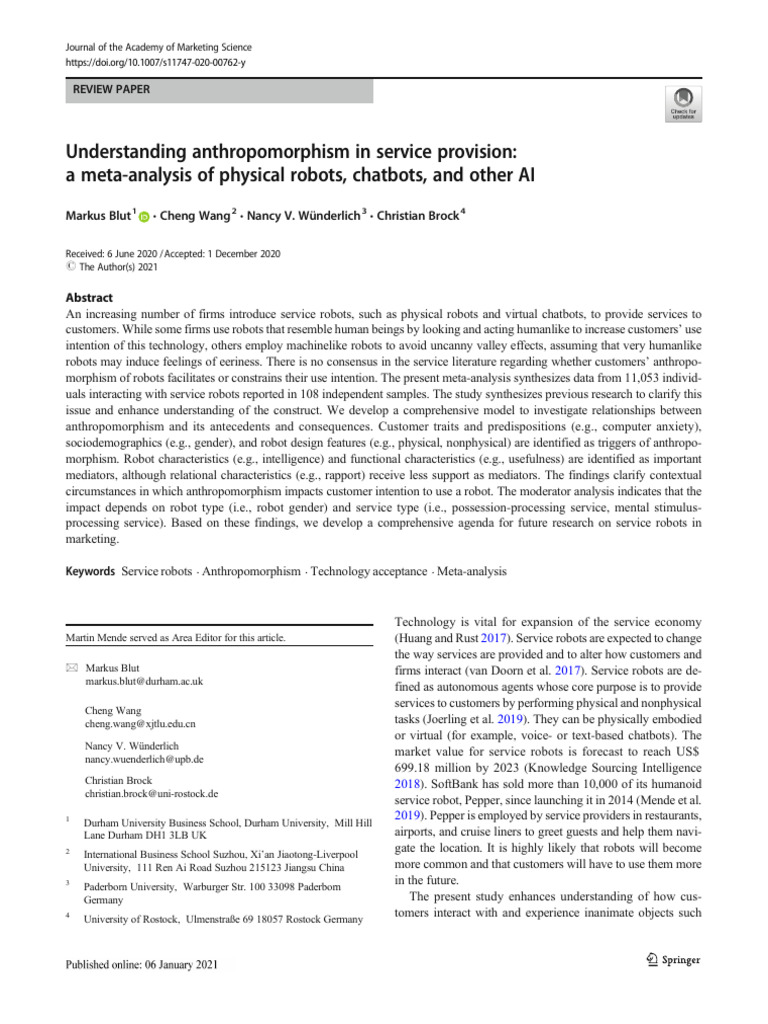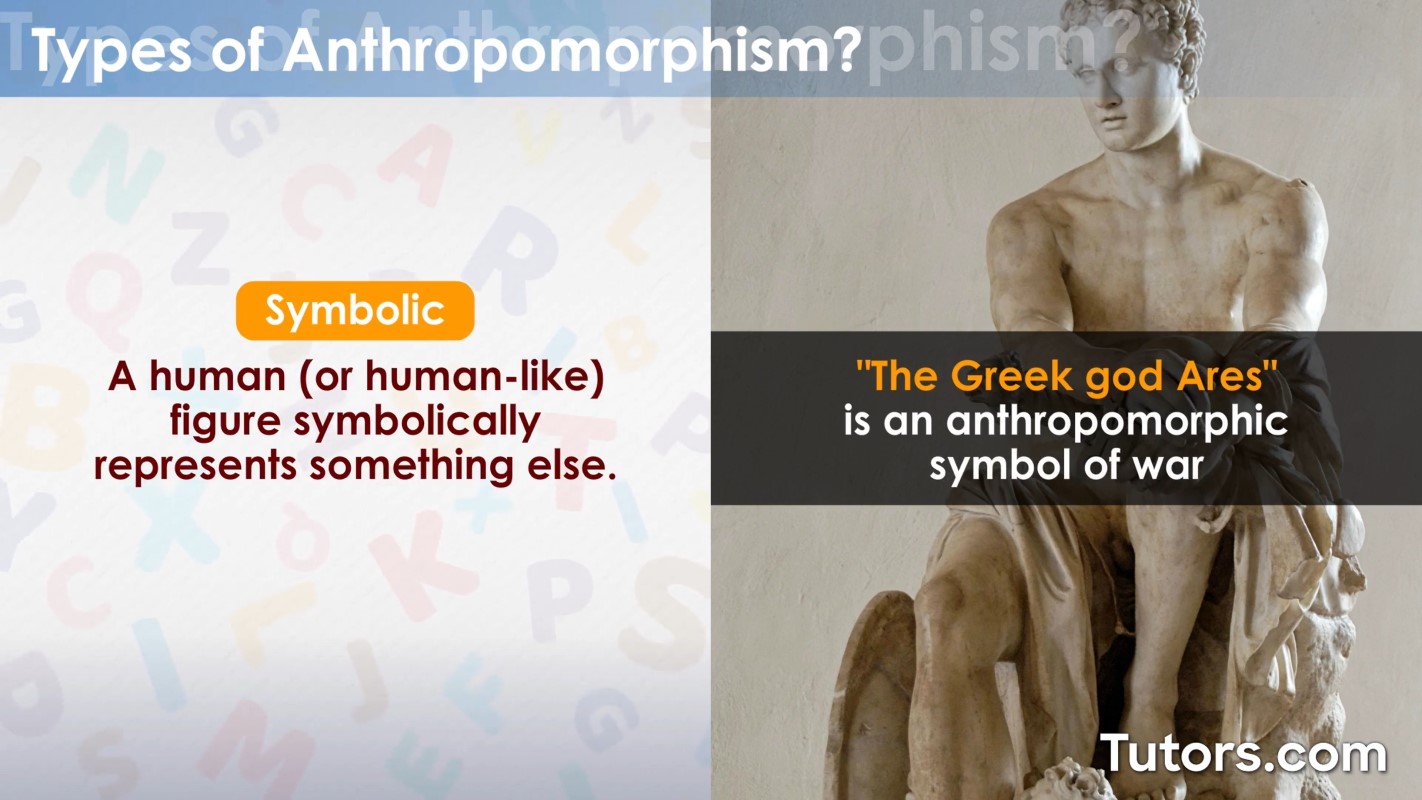
Anthropomorphic study tools represent a fascinating confluence of psychology, design, and human cognition. More than mere instruments, these tools embody a unique psychological dynamic that reconfigures the way learners interact with knowledge, blurring the boundaries between human traits and mechanical facilitation. This intricate intersection heralds a profound shift in educational paradigms—one that encourages curiosity, empathy, and enhanced cognitive engagement through the artful imbuing of human-like qualities within non-human entities. Understanding this phenomenon requires delving beyond the surface utility of these tools, exploring the underlying psychological mechanisms that make anthropomorphism a catalyst for transformation in learning environments.
The Essence of Anthropomorphism in Educational Contexts
Anthropomorphism, the attribution of human characteristics to non-human objects, is an ancient psychological impulse. In educational settings, this tendency often manifests in the anthropomorphic design of study tools—be it digital assistants, interactive software, or even physical devices that adopt familiar, human-like features. These imbued traits range from facial expressions and voices to behavioral patterns that mimic empathy or curiosity. The psychological underpinning here hinges on humans’ innate proclivity to seek relational and social connections, even with inanimate objects. When learning tools mirror human attributes, they shift from being passive instruments to active participants in the cognitive dialogue, fostering a sense of companionship and emotional investment in the learning process.
Enhancing Cognitive Engagement Through Relatability
One of the paramount promises of anthropomorphic study tools lies in their ability to heighten cognitive engagement. Traditional tools often function as impersonal conduits of information, lacking the ability to adapt or respond to the learner’s emotional or intellectual state. Anthropomorphic tools, on the other hand, evoke a sense of presence and responsiveness. By simulating social interaction, they tap into our mirror neurons and social cognition processes, making learners more attentive and motivated. This heightened engagement does not merely improve recall; it transforms learning into an intrinsically rewarding experience. The learner is no longer isolated but is psychologically tethered to an entity that “understands” and “responds,” enhancing perseverance in the face of difficulty.
The Psychological Mechanisms Behind Anthropomorphic Affinity
The psychological allure of anthropomorphic study tools can be traced to several interrelated mechanisms. Foremost is the theory of mind—the ability to attribute mental states to others, often extended to non-human agents. When a study tool exhibits human-like behavior, learners subconsciously infer intentions, feelings, and cognitions, fostering deeper emotional resonance. This inferred intentionality generates trust and reduces anxiety, particularly in complex subjects or unfamiliar territories. Additionally, the familiarity heuristic plays a crucial role; learners gravitate toward objects that feel familiar and predictable, and human-like characteristics provide cognitive anchors for this familiarity. Consequently, tools that gesture, respond, or communicate in human ways become psychologically safer and more efficacious learning companions.
Anthropomorphism as a Catalyst for Curiosity and Exploration
Curiosity, the cornerstone of knowledge acquisition, flourishes in environments that feel inviting and interactive. Anthropomorphic tools, by simulating curiosity themselves or reflecting learners’ questions with apparent understanding, nurture a feedback loop of inquiry. This dynamic spurs learners to ask deeper questions, explore alternative perspectives, and approach problems with renewed vigor. The very concept of interacting with a “living” entity that can be coaxed and questioned elevates motivation beyond rote learning. It invokes playful experimentation and imaginative exploration, tapping into the natural childlike wonder that educational psychology has long sought to reignite in learning environments.
Challenges and Ethical Implications in Anthropomorphic Design
Despite their alluring potential, anthropomorphic study tools pose unique challenges rooted in the psychological depths they engage. There is the risk of over-attribution—when learners ascribe too much agency or intelligence to tools, leading to misplaced trust or dependency. This anthropomorphic illusion may blur boundaries between human judgment and automated guidance, necessitating careful design to ensure transparency and appropriate user expectations. Furthermore, cultural variability in anthropomorphic perception demands sensitivity; one design might resonate in one context but alienate in another. Ethically, designers must navigate the fine line between fostering engagement and manipulating emotional responses, ensuring the empowerment rather than exploitation of learners’ psychological predilections.
Future Trajectories: Evolving Synergies Between Psychology and Technology
The horizon of anthropomorphic study tools is expansive, with artificial intelligence and advanced metrology intertwining to create ever more sophisticated and adaptive learning companions. The psychological insights garnered thus far pave the way for personalized, emotionally attuned tools that can dynamically adjust to cognitive load, affective states, and learning preferences. As biometric sensors and real-time data analysis integrate with anthropomorphic design, these tools could anticipate frustration, boredom, or excitement, responding with tailored encouragement or challenges. This evolution promises not only enhanced efficacy but a revolutionary pedagogical shift—one rooted in empathetic interaction rather than mechanical instruction.
Reframing Education Through the Lens of Anthropomorphism
Ultimately, the psychology of anthropomorphic study tools invites educators, designers, and learners to rethink the relational dynamics of learning itself. It challenges the cold paradigms of memorization and passive reception, advocating instead for a vibrant, dialogic interaction with knowledge mediated by quasi-social conduits. This shift generates fertile ground for neurocognitive growth, emotional development, and sustained intellectual curiosity. Anthropomorphic study tools—not merely extensions of human intellect but partners in cognitive discovery—offer a transformative lens through which the future of education must be envisioned and actualized.