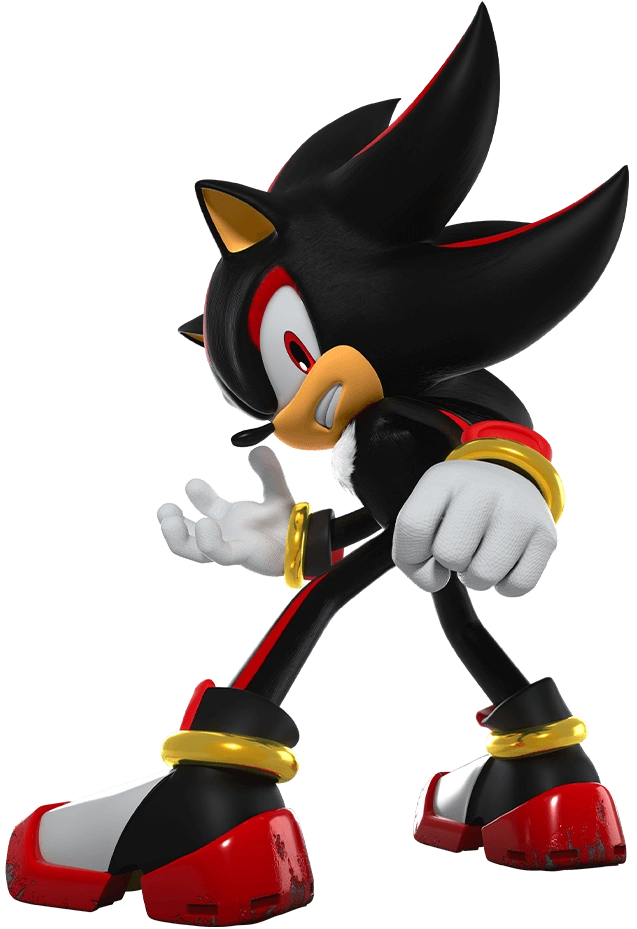
In the vast tapestry of storytelling, few motifs are as universally compelling as the anthropomorphic hero and villain—characters who blur the line between human and animal, embodying traits that resonate with our deepest fears, aspirations, and moral quandaries. These figures, whether clad in fur, feathers, or scales, serve as mirrors to our own psyche, reflecting the duality of human nature: the noble and the nefarious, the selfless and the selfish. But what lies beneath their fantastical exteriors? What psychological undercurrents shape their roles as saviors, tricksters, or tyrants? This exploration peels back the layers of their narratives to reveal the profound truths they whisper about our collective consciousness.
The Allure of the Anthropomorphic Archetype: Why We’re Drawn to Hybrid Beings
From the cunning fox of Aesop’s fables to the brooding Batman, anthropomorphic characters have thrived across cultures and centuries. Their appeal lies in their paradoxical nature—they are both familiar and alien, embodying human emotions while retaining the raw, instinctual essence of their animal forms. This duality allows them to explore themes of identity, morality, and transformation in ways that purely human characters cannot. Consider the wolf in sheep’s clothing: its disguise is a metaphor for deception, but also for the struggle between primal urges and societal expectations. Such characters invite us to question our own facades, to ask: How much of who we are is performance, and how much is instinct?
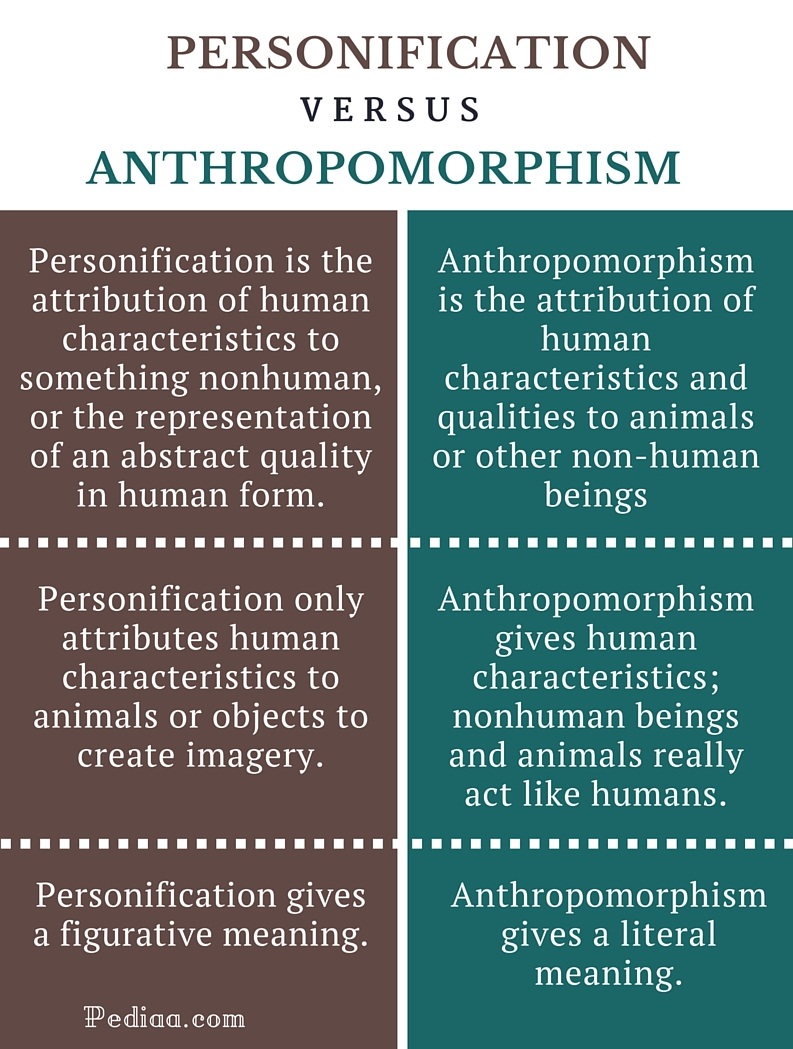
Moreover, anthropomorphism taps into our innate anthropocentrism—the tendency to perceive the world through a human lens. By endowing animals with human traits, we create a bridge between the known and the unknown, making the abstract tangible. A dragon hoarding treasure isn’t just a beast; it’s a symbol of greed, a cautionary tale about the corrupting nature of avarice. This cognitive shortcut allows us to process complex ideas through relatable narratives, turning abstract concepts into visceral, emotional experiences.
The Hero’s Journey: Redemption Through Hybrid Form
The hero archetype is a cornerstone of myth and legend, but when that hero is an anthropomorphic creature, their journey takes on a deeper resonance. Take, for instance, the werewolf—a figure torn between humanity and beastliness. Their struggle mirrors our own internal battles: the fight to suppress or embrace aspects of ourselves we deem monstrous. The werewolf’s curse becomes a metaphor for mental illness, addiction, or the fear of losing control, while their eventual acceptance of their dual nature symbolizes self-acceptance and integration.
Consider also the lion who rules not by brute force but by wisdom, like Aslan in The Chronicles of Narnia. His regal demeanor and compassionate leadership challenge the stereotype of animals as mere predators or prey. Instead, they elevate anthropomorphic heroes to the status of moral guides, their hybrid forms serving as a reminder that nobility isn’t tied to species but to character. This reframing forces us to confront our biases about what it means to be “human”—and whether humanity is a trait we share with more than just our own kind.
Even in modern media, anthropomorphic heroes continue to evolve. The cybernetic samurai cat or the genetically engineered rabbit detective aren’t just whimsical creations; they’re reflections of our technological anxieties and ethical dilemmas. Their stories ask us to ponder: What does it mean to be alive in an age where boundaries between species—and even life and machine—are increasingly blurred?
The Villain’s Facade: When the Beast Wears a Crown
If the hero is a beacon of hope, the anthropomorphic villain is its shadow—a dark reflection that forces us to confront the darker corners of our psyche. The serpent in Eden, the Joker’s hyena-like grin, or the power-hungry lion king who exiles his own kin—these figures embody our primal fears of betrayal, corruption, and the loss of innocence. Their animalistic traits amplify their menace: a serpent’s venomous bite, a hyena’s manic laughter, a lion’s predatory gaze. These aren’t just villains; they’re manifestations of chaos, disorder, and the untamed wildness within us all.
But the most compelling villains are those who subvert expectations. What if the wolf isn’t the predator but the prey? What if the villain is a gentle creature driven to violence by circumstance? The anthropomorphic villain’s power lies in their ability to humanize the monstrous. A rat king ruling a sewer kingdom might be grotesque, but his tyranny is a critique of systemic oppression. His story becomes a parable about resilience in the face of adversity, forcing us to ask: Who do we deem worthy of empathy, and why?
Even in their cruelty, these villains serve a purpose. They act as cathartic outlets for our own repressed desires—whether it’s the thrill of rebellion, the allure of power, or the satisfaction of seeing the “weak” triumph over the “strong.” Their narratives allow us to explore taboo emotions in a safe, symbolic space, reminding us that even the most heinous acts have roots in understandable, if misguided, human impulses.
The Moral Mirror: What Anthropomorphic Characters Reveal About Us
Anthropomorphic characters don’t just entertain; they educate. They hold up a mirror to society, reflecting our prejudices, hopes, and hypocrisies. The fox who outsmarts the bear isn’t just a clever trickster—he’s a commentary on cunning versus brute strength, a theme that resonates in boardrooms and battlefields alike. The deer who flees from danger isn’t just a prey animal; it’s a symbol of vulnerability, a call to protect the defenseless in our own world.
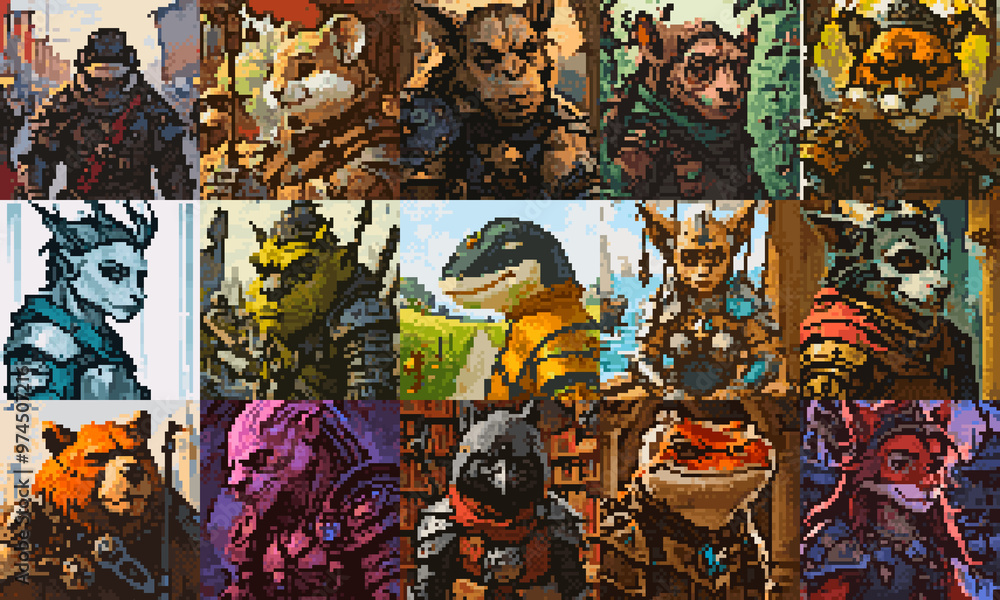
Consider the trope of the “noble savage” applied to animals. A wolf pack led by a wise alpha isn’t just a story about animals; it’s a reflection of our idealized notions of leadership, family, and community. Conversely, a pack of hyenas tearing apart a carcass can symbolize the brutality of unchecked capitalism or tribalism. These narratives force us to confront uncomfortable truths about power dynamics, survival, and morality.
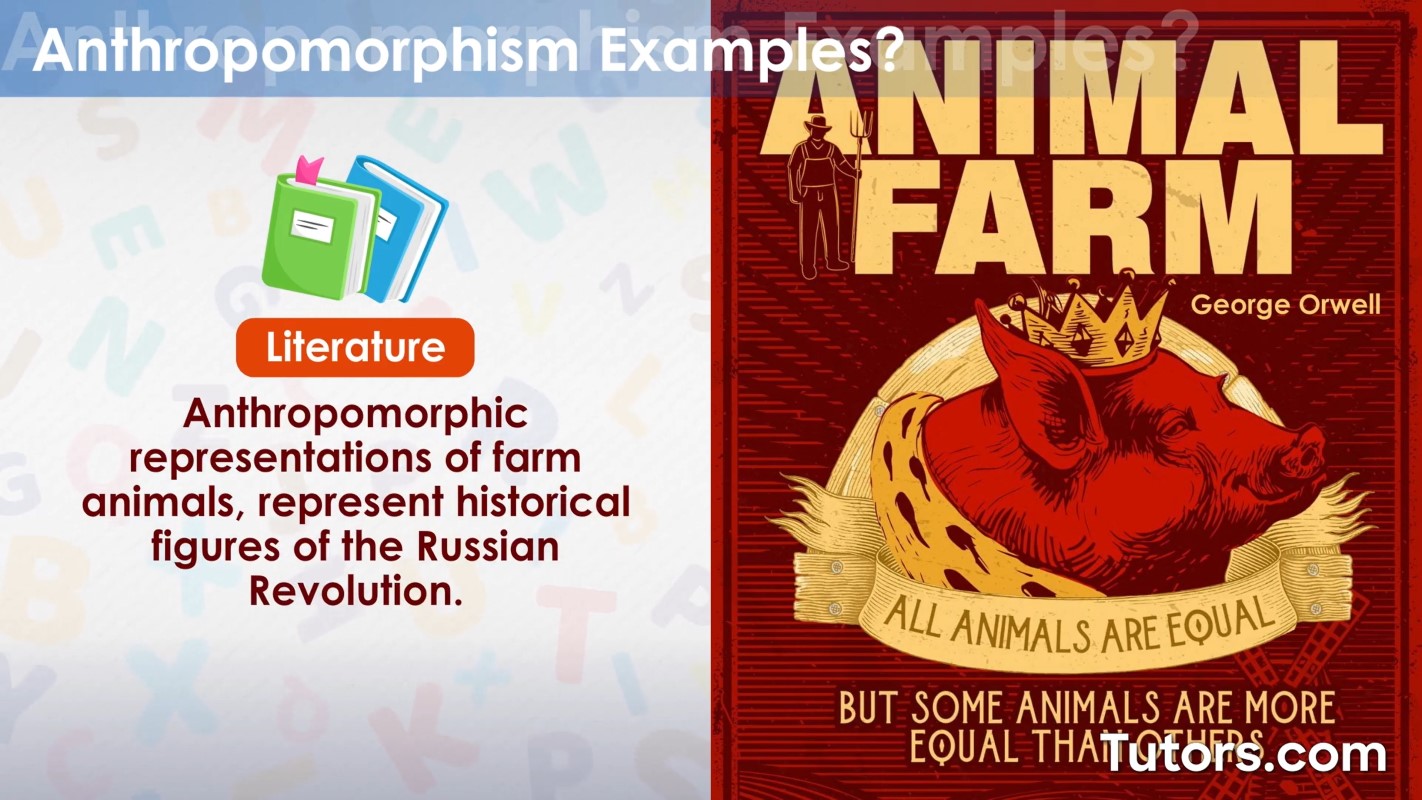
Anthropomorphic characters also challenge our anthropocentrism by asking: What if animals are not lesser beings but equals—or even superiors—in wisdom and virtue? The tortoise who outpaces the hare isn’t just a lesson in patience; it’s a rebuke to our obsession with speed and productivity. The owl who dispenses wisdom from her perch isn’t just a sage; she’s a reminder that knowledge isn’t the sole domain of humanity.
The Evolution of Anthropomorphism: From Fable to Futurism
Anthropomorphism isn’t static; it evolves with us. In ancient times, these characters were cautionary tales, teaching moral lessons through allegory. In the Middle Ages, they became tools of religious and political propaganda. Today, they’re vehicles for exploring identity, technology, and existentialism. The cyberpunk raccoon hacker or the post-apocalyptic badger warlord aren’t just futuristic curiosities; they’re commentaries on our relationship with nature, machines, and each other.
Science fiction, in particular, has embraced anthropomorphism to grapple with the unknown. What does it mean to be human when we can upload our consciousness into synthetic bodies? What if the first contact with extraterrestrial life comes in the form of a six-limbed, bioluminescent being who communicates through dance? These scenarios force us to redefine humanity, to ask: Are we defined by our biology, our intelligence, or our capacity for empathy?
Even in corporate branding, anthropomorphism has taken root. Mascots like the Energizer Bunny or the Geico Gecko aren’t just marketing gimmicks; they’re psychological anchors, making abstract services feel tangible and relatable. They tap into our emotional connections with animals, leveraging our innate tendency to anthropomorphize to sell everything from insurance to breakfast cereal.
The Future of the Beastly Psyche: Where Do We Go From Here?
As we stand on the precipice of a new era—one defined by artificial intelligence, genetic engineering, and climate upheaval—the role of anthropomorphic characters will only grow more vital. They will continue to serve as our psychological barometers, helping us navigate the uncharted territories of our own minds and the world around us. Will we see more stories about creatures who blur the line between organic and synthetic? About beings who challenge our definitions of life and consciousness? The possibilities are as limitless as our imagination.
One thing is certain: anthropomorphic heroes and villains will remain our most enduring storytellers. They will whisper secrets about our fears and desires, our triumphs and failures, our capacity for both greatness and atrocity. And as long as there are blank pages and empty canvases, they will keep us company, guiding us through the dark forests of our own psyches with a knowing glance and a flick of the tail.