In the ever-evolving landscape of branding, anthropomorphism—the attribution of human traits to non-human entities—has become a double-edged sword. While some brands leverage this strategy to forge emotional connections with consumers, others deliberately steer clear, often for reasons that extend beyond mere caution. The avoidance of anthropomorphism is not a rejection of personality but a calculated choice rooted in brand identity, market positioning, and consumer psychology. To understand why certain brands resist this trend, we must dissect the motivations behind their reluctance, the risks they aim to mitigate, and the alternative strategies they employ to resonate with audiences without humanizing their image.
The Perils of Over-Personification: When Brands Lose Their Essence
Anthropomorphism can breathe life into brands, but it also carries the risk of diluting their core identity. When a brand adopts human characteristics too aggressively, it may inadvertently strip away the very qualities that make it unique. Consider the case of a luxury watchmaker that prides itself on precision and craftsmanship. By endowing its timepieces with playful, human-like personas, the brand risks undermining its reputation for timeless elegance. Consumers may begin to associate the product with frivolity rather than the meticulous artistry it represents. This phenomenon, known as brand dilution through anthropomorphism, occurs when the humanized traits overshadow the brand’s original purpose, leaving consumers confused about what the brand truly stands for.
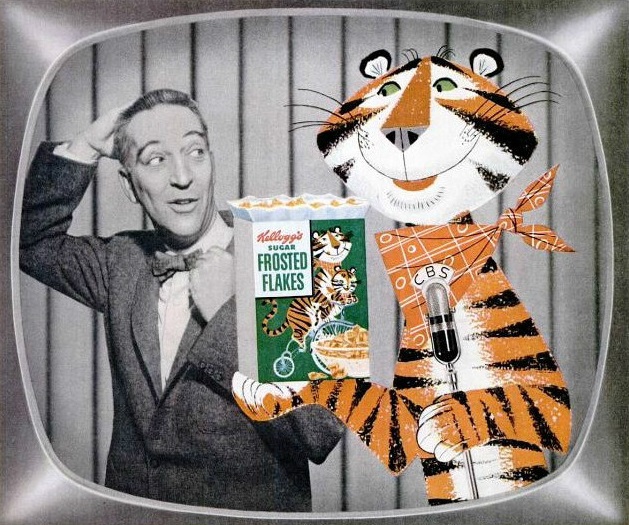
Moreover, anthropomorphism can lead to an uncanny valley effect, where the brand’s human-like qualities feel unsettling rather than endearing. A financial institution that adopts a friendly mascot or a voice with conversational tones might inadvertently make its services seem less credible. Trust, the cornerstone of any financial brand, is fragile. When a brand’s humanization feels forced or inauthentic, it can erode the very trust it seeks to build. The result? A disconnect between the brand’s intended image and the consumer’s perception, leading to skepticism rather than loyalty.

Cultural and Industry-Specific Sensitivities: The Unspoken Barriers
Not all industries are equally receptive to anthropomorphism, and cultural contexts play a pivotal role in determining its viability. In sectors where trust and reliability are paramount—such as healthcare, law, or finance—brands often avoid humanization to maintain a sense of professionalism and authority. A pharmaceutical company, for instance, would struggle to convey the seriousness of its medications if it relied on a cartoonish, human-like spokesperson. The gravity of the industry demands a more stoic, objective approach, where the brand’s expertise is the focal point rather than its personality.
Similarly, cultural attitudes toward anthropomorphism vary widely. In some Eastern markets, brands that adopt human-like traits may be perceived as gimmicky or even disrespectful, particularly if the humanization feels overly simplistic or infantilizing. Conversely, Western markets might embrace playful anthropomorphism, but only if it aligns with the brand’s existing identity. A high-end fashion label, for example, might successfully humanize its brand through sophisticated storytelling, whereas a utilitarian brand like a hardware store would likely alienate its audience by adopting a similar approach. The key lies in understanding the cultural resonance of anthropomorphism and tailoring its application—or avoidance—accordingly.
The Authenticity Paradox: When Humanization Feels Forced
Authenticity is the linchpin of successful branding, and anthropomorphism is no exception. When a brand attempts to humanize itself without a genuine foundation, the result is often a jarring disconnect between message and reality. Take, for example, a tech company that suddenly adopts a casual, conversational tone in its marketing, only to be met with skepticism because its products have always been associated with technical precision. The attempt at anthropomorphism feels inauthentic, as if the brand is trying too hard to fit into a mold it doesn’t belong in.
This authenticity paradox is particularly evident in industries where innovation and cutting-edge technology are the primary selling points. A brand that prides itself on being at the forefront of AI development, for instance, would struggle to humanize its image without undermining its core value proposition. Consumers in this space are more likely to respond to messaging that emphasizes efficiency, intelligence, and reliability—qualities that are inherently non-human. By avoiding anthropomorphism, these brands preserve the mystique of their technology, allowing the product itself to speak for its capabilities rather than relying on a human-like facade.
Strategic Alternatives: How Brands Connect Without Humanization
Just because a brand avoids anthropomorphism doesn’t mean it lacks personality or emotional resonance. Many brands achieve deep connections with their audiences through alternative strategies that emphasize storytelling, symbolism, and experiential design. A prime example is Apple, which has built a cult-like following not by humanizing its products but by crafting a narrative around innovation, simplicity, and rebellion against the status quo. The brand’s minimalist aesthetic and sleek design language evoke a sense of sophistication without resorting to human traits.
Another approach is the use of archetypal branding, where brands align themselves with universal human experiences or mythological figures rather than attempting to embody those traits themselves. Nike, for instance, doesn’t anthropomorphize its sneakers; instead, it positions them as symbols of perseverance and triumph, tapping into the collective unconscious of athletes and dreamers. This strategy allows the brand to evoke strong emotions without diluting its identity through humanization.
For brands in more technical or utilitarian sectors, the focus often shifts to user experience design and functional storytelling. A software company might avoid anthropomorphism by instead highlighting the seamless, intuitive nature of its platform—positioning it as an extension of the user’s own capabilities rather than a separate entity with a personality. This approach fosters a sense of empowerment and control, which can be just as compelling as human connection.
The Future of Branding: Anthropomorphism in the Age of AI
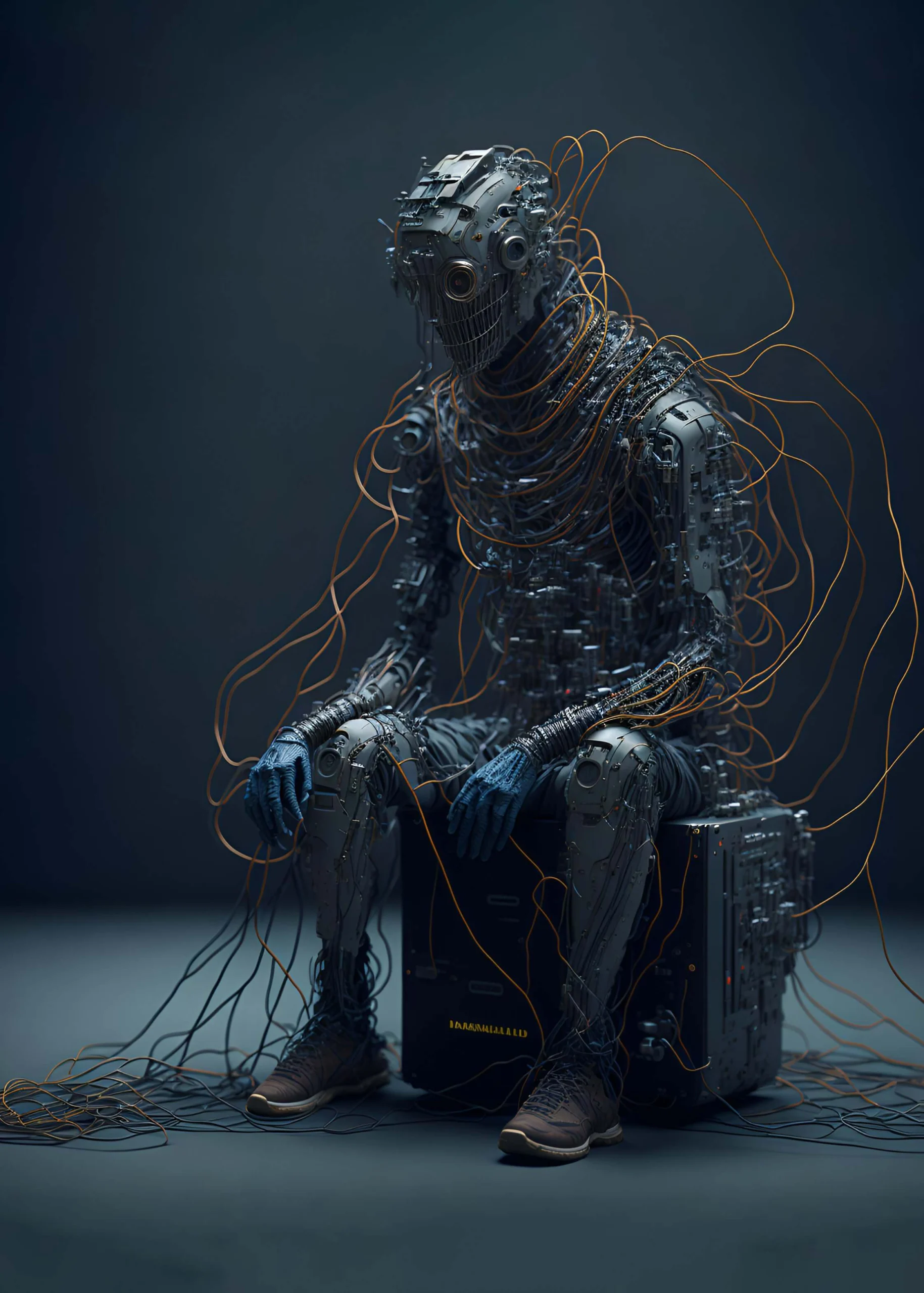
As artificial intelligence and machine learning become more integrated into branding strategies, the debate around anthropomorphism takes on new dimensions. AI-driven chatbots and virtual assistants are inherently designed to mimic human conversation, blurring the line between brand and consumer interaction. However, brands that resist full anthropomorphism may choose to leverage AI in ways that enhance functionality without compromising their identity. For example, a brand might use AI to provide personalized recommendations or streamline customer service, but stop short of giving the AI a human name or backstory.
This selective approach allows brands to harness the benefits of AI-driven personalization while maintaining a clear boundary between their core identity and the tools they use to engage with consumers. The key lies in striking a balance—using technology to enhance user experience without sacrificing the brand’s authenticity or authority. In an era where consumers are increasingly wary of inauthentic interactions, this strategy may prove to be the most sustainable path forward.
The avoidance of anthropomorphism is not a rejection of connection but a strategic choice to preserve a brand’s essence. Whether through minimalist design, archetypal storytelling, or functional innovation, brands that resist humanization often do so with the intent of fostering trust, clarity, and long-term loyalty. In a world where brands are constantly vying for attention, sometimes the most powerful statement is the one that remains distinctly, unmistakably itself.