Anthropomorphism—the attribution of human characteristics to non-human entities—has profoundly influenced how artificial intelligence (AI) integrates into academic environments. This phenomenon plays a pivotal role in shaping perceptions, interactions, and ultimately, the adoption of AI technologies within scholarly disciplines. By examining the multifaceted impact of anthropomorphism on academic AI adoption, one uncovers a rich tapestry of psychological proclivities, technological design choices, and cultural narratives that collectively dictate the pace and nature of AI’s integration in universities and research institutions.
The Psychological Draw of Anthropomorphism in AI
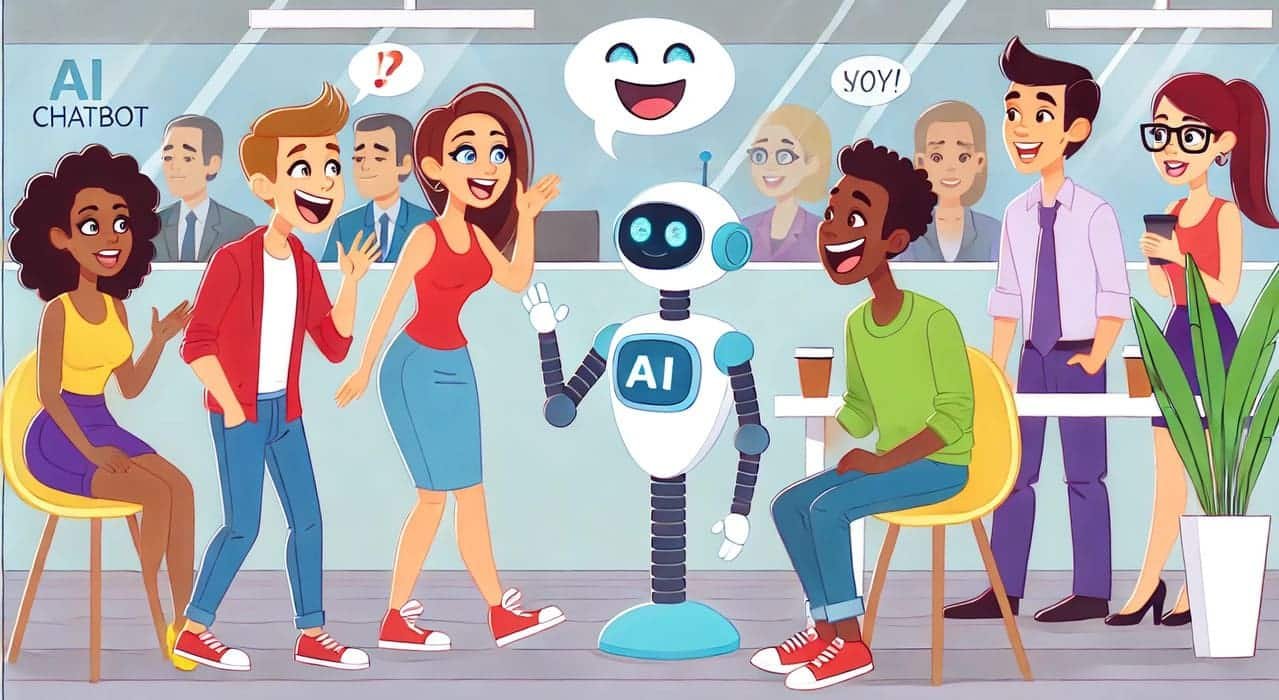
Humans have an innate drive to interpret ambiguous stimuli through a human lens. This predisposition is rooted in cognitive heuristics that simplify complex environmental cues, making technology approachable by endowing it with relatable traits. Within academia, this translates into a heightened willingness to engage with AI systems when they exhibit anthropomorphic features—be it through natural language processing that mimics conversational human interaction, or avatars that simulate emotional responses.
This psychological affinity fosters trust and eases anxieties associated with unfamiliar technologies. For researchers and students alike, encountering AI agents with human-like qualities reduces the perceived barrier between user and tool. It invites curiosity and reduces intimidation, facilitating exploratory use and knowledge acquisition. Conversely, overly mechanistic or alien interfaces often hinder engagement, as they fail to evoke the same intuitive rapport.
Design Paradigms: Humanizing AI Interfaces for Academia
The architectural framework of AI tools in scholarly settings increasingly embraces anthropomorphic design principles. The spectrum ranges from subtle incorporations such as personalized voice assistants to elaborate embodiments like sociable robots or virtual mentors. These design strategies aim not merely to embellish aesthetics but to bridge cognitive and emotional gaps, fostering a symbiotic relationship between user and machine.
For instance, AI platforms that adapt communication styles to mimic academic discourse or display rudimentary empathy through dynamic responses create a more congenial environment. Such systems support higher-order cognitive tasks by minimizing friction in user experience, enabling scholars to focus on intellectual content rather than grappling with technological interfaces. This convergence of form and function ultimately propels adoption by aligning AI behavior with human social expectations.
Anthropomorphism’s Role in Ethical and Epistemological Discourse
Anthropomorphism complicates the ethical landscape surrounding AI use in academia. Human-like attributes can obscure the distinction between autonomous decision-making and algorithmic determinism, prompting critical debates about accountability, consent, and data privacy. Scholars grapple with the paradox of engaging with AI entities that simulate autonomy but lack genuine intentionality.
This ambiguity influences epistemological considerations as well. When AI is anthropomorphized, it risks being endowed with unwarranted authority or credibility. Researchers may inadvertently over-trust AI-generated results or undervalue the algorithmic biases embedded within. Understanding this dynamic is crucial to developing frameworks that safeguard academic rigor while embracing AI’s heuristic potential.
Implications for Interdisciplinary Research and Pedagogy
The infusion of anthropomorphic AI tools in academia catalyzes novel interdisciplinary collaborations. Cognitive scientists, anthropologists, computer engineers, and ethicists converge to decode the nuances of human-computer interaction shaped by anthropomorphism. These partnerships enrich research output and generate innovative methodologies that transcend traditional disciplinary boundaries.
In pedagogical contexts, anthropomorphic AI fosters enhanced engagement and personalized learning experiences. Students respond positively to AI tutors and mentors that simulate interpersonal dynamics, facilitating adaptive feedback and motivation. This dynamic transforms the educational landscape, propelling a shift toward learner-centric models that leverage AI empathy and social cues.
Challenges and Limitations in Anthropomorphic AI Adoption
Despite its advantages, anthropomorphism in AI adoption faces significant challenges. There exists a delicate balance between fostering familiarity and avoiding deceptive impressions of machine capabilities. Over-anthropomorphizing AI risks engendering unrealistic expectations or emotional dependencies that can distort academic interactions.
Moreover, cultural variations in anthropomorphic interpretations complicate universal design standards. What is perceived as approachable and trustworthy in one cultural context may appear unsettling or patronizing in another. This necessitates culturally sensitive approaches to AI design and deployment within global academic institutions.
Future Trajectories: Anthropomorphism as a Catalyst for AI Evolution in Academia
Looking forward, anthropomorphism will likely remain a fundamental catalyst driving AI adoption across academia. Emerging technologies such as affective computing and natural language understanding promise more nuanced and context-aware human-like interactions. These advancements could amplify cognitive collaboration, enabling AI to serve not only as tools but as intellectual partners in research and instruction.
Furthermore, as AI systems become more integrated into the academic fabric, standardized ethical guidelines and design frameworks addressing anthropomorphism’s implications will evolve. These developments will ensure that AI adoption enhances scholarly productivity while preserving the humanistic values at the heart of academic pursuit.
In sum, the interplay between anthropomorphism and AI adoption in academia is complex, yet profoundly transformative. By illuminating the psychological foundations, design imperatives, ethical debates, and future potentialities, one gains a comprehensive understanding of how humanizing AI shapes the educational and research paradigms of tomorrow.