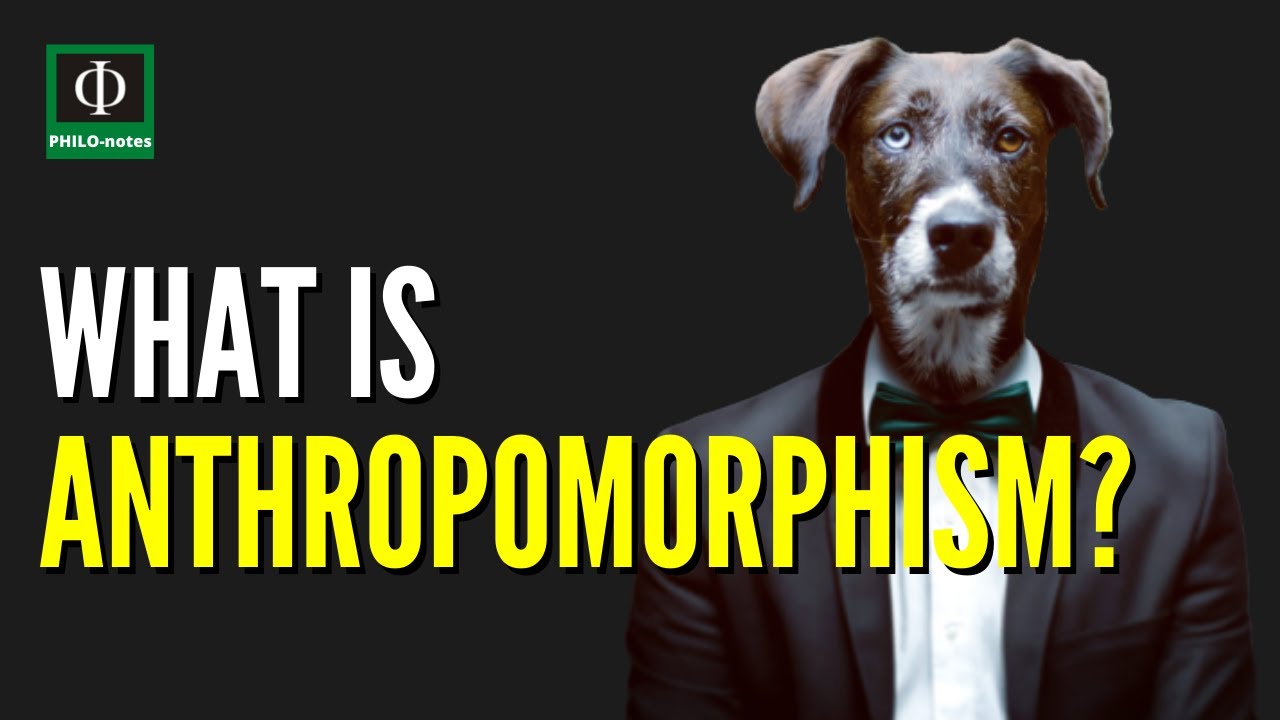
Anthropomorphism—the attribution of human traits, emotions, or intentions to non-human entities—has long been a cornerstone of storytelling, art, and even scientific inquiry. From ancient myths where rivers weep and forests whisper to modern animated films where animals wear clothes and speak, the practice feels almost instinctive. Yet, beneath its whimsical surface lies a more unsettling truth: when anthropomorphism stretches beyond metaphor into something more visceral, it can unravel the very fabric of reality. The line between charming and chilling blurs when the familiar human form is imposed upon the unfamiliar, revealing not just our capacity for empathy, but our darker compulsion to dominate the unknown.
The Allure of the Familiar: Why We Humanize the Inhuman
At its core, anthropomorphism is a cognitive shortcut—a way to navigate a complex world by reducing the alien to the relatable. Evolutionary psychologists suggest that this tendency stems from our brain’s relentless pursuit of pattern recognition. A rustling in the bushes isn’t just wind; it might be a predator. A shadow on the wall isn’t just darkness; it might be a threat. By projecting human-like agency onto non-human entities, we transform ambiguity into narrative, chaos into cause and effect. This isn’t merely a survival mechanism, though. It’s also an act of psychological colonization, a way to assert control over the uncontrollable.
Consider the way we speak to our pets, as if they understand every word, or the way we name hurricanes with human voices—Harvey, Katrina—only to later curse their “betrayal.” The act of naming itself is an anthropomorphic ritual, a declaration that even the most destructive forces must answer to us. Yet, this comfort comes at a cost. When we humanize the inhuman, we risk stripping away its essence, reducing storms to villains and forests to silent victims. The practice becomes less about understanding and more about domination, a subtle assertion that nothing exists outside the realm of human experience.

The Uncanny Valley: When Human-Like Becomes Horrifying
Not all anthropomorphism is benign. Enter the uncanny valley, that disorienting zone where something appears almost—but not quite—human. A doll with glassy eyes, a CGI character whose facial expressions are just slightly off, or a taxidermied animal posed in a human-like manner can evoke a primal unease. This phenomenon, first articulated by roboticist Masahiro Mori in 1970, reveals a paradox: the closer an imitation gets to humanity, the more disturbing it becomes. Why? Because it forces us to confront the fragility of our own humanity.
In horror, the uncanny valley is a playground. Films like Coraline or The Polar Express exploit this tension, presenting characters that are eerily lifelike yet fundamentally wrong. The horror isn’t in the monstrous; it’s in the familiar made alien. A child’s face on a spider’s body isn’t terrifying because it’s monstrous—it’s terrifying because it’s *almost* a child. This is the dark side of anthropomorphism: when the human form is co-opted not to bridge understanding, but to unsettle, to remind us that our bodies—and our minds—are not as unique as we believe.
Artists and writers have long understood this. The surrealists of the early 20th century, like Salvador Dalí, played with anthropomorphic distortions to expose the absurdity of reality. A melting clock isn’t just a clock; it’s a commentary on the fluidity of time. A face with too many eyes isn’t just a face; it’s a challenge to our perception of identity. In these cases, anthropomorphism ceases to be a tool for empathy and becomes a scalpel, slicing open the veneer of the familiar to reveal the grotesque beneath.
Anthropomorphism in Nature: The Ethical Dilemma of Personifying the Wild
Beyond art and fiction, anthropomorphism seeps into our relationship with the natural world, often with troubling consequences. Documentaries like March of the Penguins or Planet Earth frequently employ human-like narratives—”a mother’s sacrifice,” “a family’s struggle”—to make wildlife relatable. While this can foster empathy for endangered species, it also risks distorting ecological realities. A mother penguin isn’t *sacrificing* herself for her chicks; she’s following an evolutionary imperative. A wolf isn’t *betraying* its pack; it’s responding to environmental pressures.
This isn’t to say that anthropomorphism in nature is inherently harmful. On the contrary, it can be a powerful tool for conservation, turning abstract data into emotional investment. The problem arises when the personification obscures the truth. When we describe a forest as “dying” rather than “degrading,” we imply agency where there is none, and in doing so, we absolve ourselves of responsibility. The forest isn’t a patient; it’s a system. The wolf isn’t a traitor; it’s a survivor. Yet, our brains resist this complexity, preferring the simplicity of a villain and a hero.
This ethical dilemma extends to how we treat animals in captivity. A zoo might describe an elephant as “lonely” or a gorilla as “mournful,” but these terms are human projections. The elephant’s pacing isn’t loneliness; it’s stress. The gorilla’s behavior isn’t mourning; it’s a response to an unnatural environment. When we anthropomorphize animals in these contexts, we risk justifying their suffering under the guise of “relatability.” The line between advocacy and exploitation blurs, and the animal becomes a prop in our human drama.
The Darkest Anthropomorphism: When Gods and Monsters Wear Human Faces
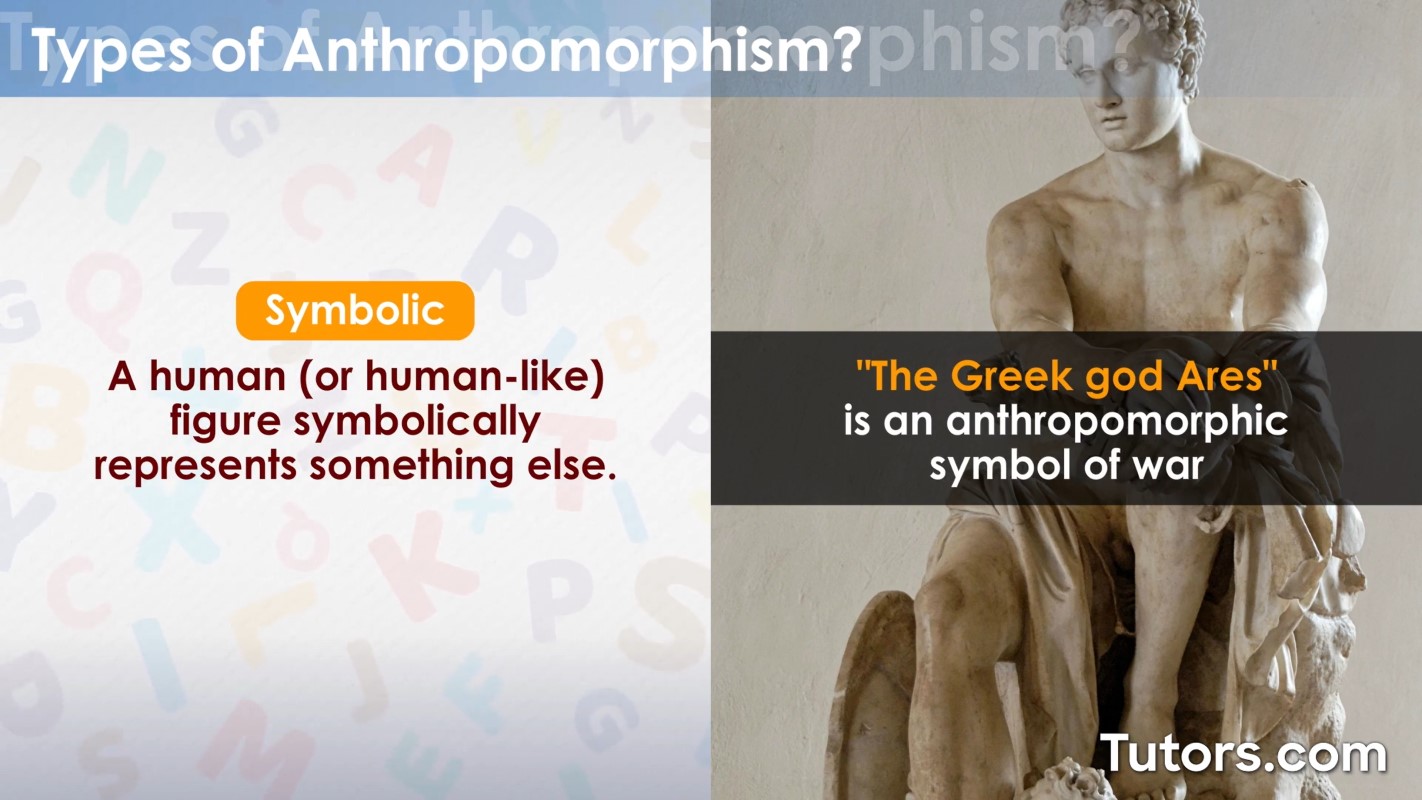
Perhaps the most potent—and perilous—form of anthropomorphism occurs in religion and mythology, where deities and demons are given human bodies, emotions, and flaws. The ancient Greeks didn’t just worship Zeus; they imagined him as a flawed, vengeful man, complete with affairs and tantrums. The Hindu pantheon is replete with gods who take human form, only to engage in acts of cosmic mischief or destruction. Even in monotheistic traditions, the divine is often described in human terms: a father, a king, a judge. This isn’t mere metaphor; it’s a necessity. How else can we comprehend the incomprehensible?
Yet, this anthropomorphism comes with a dark undercurrent. When we give the divine human traits, we also give it human weaknesses. A god who is jealous, wrathful, or petty becomes a reflection of our own flaws, not a transcendent ideal. The danger lies in the inverse: when humans begin to see themselves as divine, or when leaders claim divine right, the result is often tyranny. The anthropomorphic god becomes a justification for human cruelty, a way to sanctify our basest instincts. History is rife with examples—crusades, inquisitions, holy wars—where the line between human and divine blurred into something monstrous.
In folklore, this blurring takes on a more visceral form. Vampires, werewolves, and other shape-shifters are often metaphors for the duality of human nature—our capacity for both creation and destruction. But they are also warnings. The vampire isn’t just a monster; it’s a human who refuses to die, who feeds on others to sustain their own unnatural existence. The werewolf isn’t just a beast; it’s a man who loses control, who becomes something else entirely. These stories serve as cautionary tales about the dangers of anthropomorphism taken to its extreme: when we try to become something we’re not, we risk losing ourselves entirely.
The Psychological Cost of Over-Anthropomorphism
While anthropomorphism can be a bridge to understanding, over-reliance on it can distort our perception of reality. Studies in cognitive psychology suggest that excessive anthropomorphism may lead to a diminished capacity for critical thinking, particularly when it comes to technology and artificial intelligence. We speak of “smart” devices as if they possess intention, of algorithms as if they have biases. This isn’t just harmless personification; it’s a form of self-deception. By attributing agency to inanimate objects, we absolve ourselves of responsibility for their design and impact.
Consider the way we talk about social media algorithms. We describe them as “choosing” what content to show us, as if they have desires or preferences. In reality, they are tools, programmed by humans with specific goals—often profit-driven. Yet, by anthropomorphizing them, we create a narrative where the algorithm is the villain, not the system that built it. This shifts blame away from corporations and onto an abstract, almost mythical force. The result? A society that feels powerless, unable to confront the real sources of manipulation.
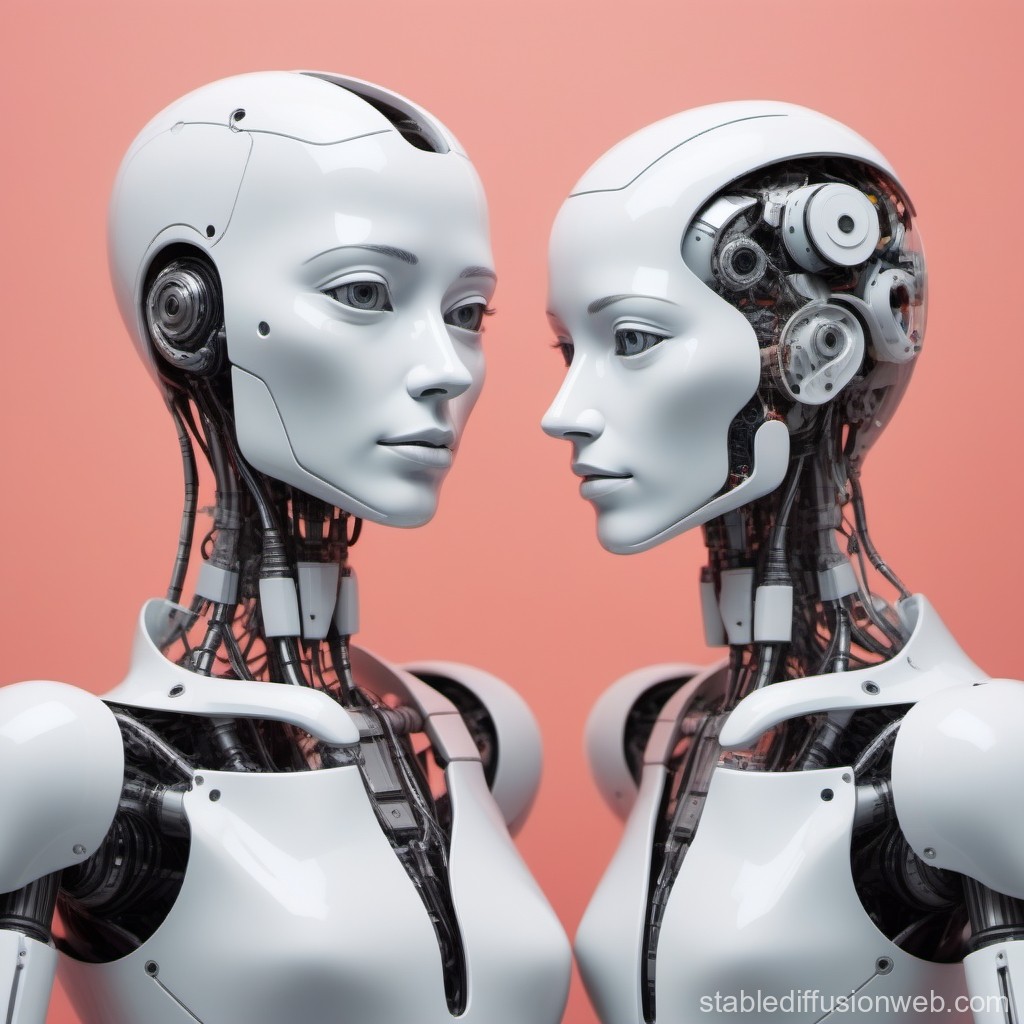
Similarly, in the realm of artificial intelligence, the push to create “human-like” AI—robots with faces, voices, and emotions—raises ethical questions. If we design machines to mimic humanity so closely that we can’t distinguish them from humans, what does that say about our own humanity? Are we elevating AI to our level, or are we degrading ourselves to its? The psychological cost of this over-anthropomorphism is a growing sense of alienation, a world where even our tools feel more “real” than we do.
Conclusion: The Delicate Balance of the Human Imagination
Anthropomorphism is a double-edged sword. It can illuminate the unknown, fostering empathy and connection. But it can also obscure truth, enabling domination and deception. The key lies in balance—not erasing the human from the equation, but recognizing when the human form becomes a cage rather than a lens. The most powerful stories, the most profound art, the deepest scientific insights often emerge when we resist the urge to simplify, when we allow the alien to remain alien, even as we reach for it with our human hands.
Perhaps the dark side of anthropomorphism isn’t in the act itself, but in the forgetting. When we forget that the river isn’t weeping, that the storm isn’t angry, that the AI isn’t judging us, we lose touch with the vast, unknowable world around us. The challenge, then, is not to abandon anthropomorphism entirely, but to wield it with humility—to remember that the human form is just one shape in an infinite universe, and that sometimes, the most profound stories are those where the human is not the center, but merely a guest.