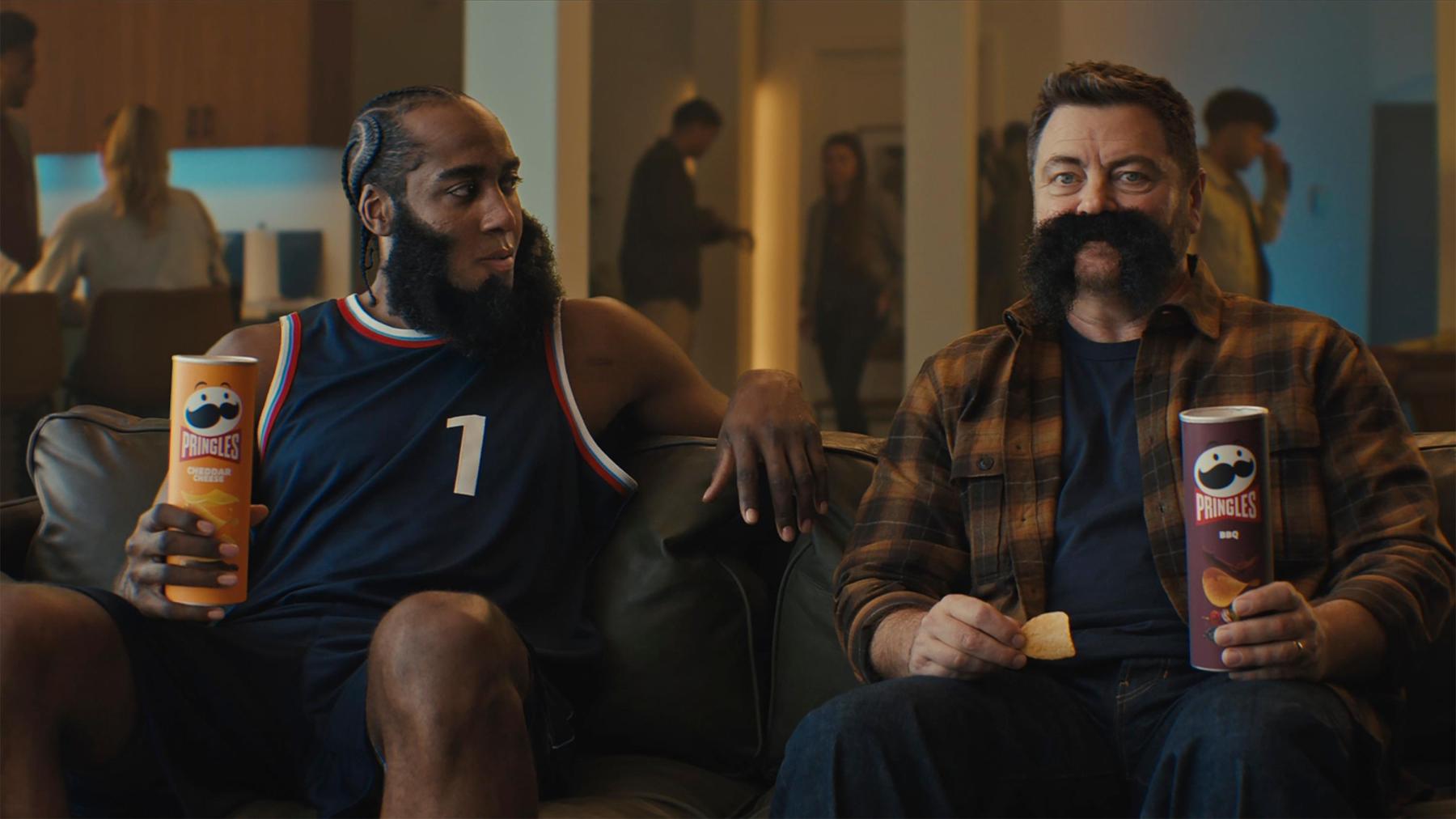
The Super Bowl isn’t merely a sporting spectacle—it’s a cultural phenomenon where brands transcend their commercial identities to become storytellers. Among the most enduring and captivating advertisements are those that anthropomorphize products, imbuing them with human traits, emotions, and even personalities. These ads don’t just sell; they create emotional resonance by turning inanimate objects into relatable characters. From the mischievous grin of a soda can to the stoic resolve of a pickup truck, anthropomorphism in Super Bowl advertising taps into something primal: our innate tendency to humanize the world around us. This fascination isn’t accidental—it reflects a deeper psychological and cultural truth about how we connect with the world.
The Allure of the Humanized Object: Why We Can’t Look Away
Anthropomorphism—the attribution of human characteristics to non-human entities—isn’t just a marketing gimmick; it’s a cognitive shortcut. Our brains are wired to recognize faces, emotions, and intentions, a survival mechanism honed over millennia. When a brand mascot winks, sighs, or dances, our mirror neurons fire, blurring the line between object and person. This phenomenon explains why the Energizer Bunny, with its relentless drumming and unflagging energy, feels more like a neighbor than a battery. The Super Bowl amplifies this effect by placing these characters in high-stakes, emotionally charged narratives, often during the most-watched television event of the year. The result? A collective suspension of disbelief where a talking baby in a diaper commercial feels as real as the halftime show.
Consider the cultural ubiquity of Mr. Peanut, a character whose top hat and monocle evoke aristocratic charm. His anthropomorphic presence transforms a simple legume into a protagonist, complete with a backstory and aspirations. This isn’t mere whimsy; it’s a strategic invocation of persona, a term borrowed from classical rhetoric meaning the mask an actor wears. Brands leverage this to craft identities that resonate beyond the transactional. When a Doritos bag leaps off a shelf to perform a backflip, we don’t just see a snack—we see a daredevil, a rebel, a character with agency. The Super Bowl’s high-octane environment demands this kind of vivid storytelling, where a 30-second spot must evoke laughter, tears, or awe in seconds. Anthropomorphism delivers that immediacy by making the abstract tangible.
The Evolution of Anthropomorphic Icons: From Mascots to Myths
The lineage of anthropomorphic Super Bowl ads traces back to the early days of television, when characters like the Pillsbury Doughboy and Tony the Tiger emerged from the ether of consumer culture. These icons weren’t just salesmen; they were mythic figures, embodying ideals like warmth (the Doughboy’s giggle) or triumph (Tony’s roaring approval). Over time, the genre has evolved from simple mascots to complex narratives where products become protagonists in their own right. Take the iconic “1984” Macintosh ad, which framed the computer as a rebellious underdog against a dystopian regime. Though not a Super Bowl spot, its influence is palpable in modern ads where a car, a beer, or even a tax service becomes a hero.
Today’s anthropomorphic ads often employ diegesis—a term from film theory referring to the narrative world where characters exist. In a 2023 Super Bowl spot, a lone snowman in a blizzard finds solace in a steaming cup of coffee, his frostbitten features thawing into a smile. The coffee isn’t just a beverage; it’s a lifeline, a character with a narrative arc. This shift from static mascot to dynamic protagonist mirrors broader cultural trends, where consumers crave authenticity and emotional depth. Brands that anthropomorphize successfully don’t just create characters; they craft archetypes, tapping into universal human experiences like loneliness, ambition, or joy. The Super Bowl’s brief but intense spotlight demands this level of narrative sophistication, where a product’s personality must be established, tested, and resolved in under a minute.
The Psychology Behind the Persona: Why We Fall for Inanimate Charm
The power of anthropomorphism in advertising lies in its ability to exploit the uncanny valley—that eerie, unsettling space where something almost human feels just off. Yet Super Bowl ads navigate this terrain with precision, stopping just short of the valley’s depths to create familiarity without discomfort. This balance is achieved through subtle cues: a product’s eyes (even if abstract), its posture, or its vocal tone. When a M&M’s character scurries away in fear from a human hand, we recognize the gesture as fear, not just a scripted animation. This triggers the theory of mind, our ability to attribute mental states to others, even fictional ones. The result is empathy—a feeling that transcends the transactional.
Neuroscience offers another lens: the role of dopamine in reward processing. When we anthropomorphize, our brains release dopamine not just from the anticipated purchase, but from the emotional engagement itself. A talking Geico Gecko doesn’t just sell insurance; he sells a moment of levity, a dopamine hit that makes us more receptive to the brand’s message. The Super Bowl’s communal viewing experience amplifies this effect, turning individual reactions into shared cultural moments. When a crowd laughs at a puppy’s antics or gasps at a robot’s sacrifice, the emotional payoff is collective, reinforcing the brand’s place in the cultural zeitgeist.
Case Studies in Anthropomorphic Mastery: Ads That Transcended the Screen
Few Super Bowl ads have mastered anthropomorphism as deftly as the Budweiser Clydesdales. These equine titans aren’t just horses; they’re noble knights, their synchronized strides evoking chivalry and tradition. In a 2015 spot, a Clydesdale foal struggles to stand, only to be lifted by the gentle nudge of an elder horse. The scene isn’t just about beer—it’s about legacy, perseverance, and the unspoken bond between generations. The Clydesdales’ human-like emotions—pride, tenderness, determination—make them unforgettable, proving that anthropomorphism doesn’t require words to convey depth.
Another standout is the 2018 Amazon Alexa ad, where a series of anthropomorphized devices—from a baby monitor to a car—rebel against their human owner’s commands. The ad’s brilliance lies in its inversion of control: the products, not the humans, dictate the narrative. This subversion of expectations creates humor and intrigue, as we root for the inanimate objects to outsmart their creators. The spot’s success hinges on the audience’s willingness to suspend disbelief, a testament to the power of anthropomorphism to make the impossible feel plausible.

The Deeper Cultural Significance: What These Ads Reveal About Us
Anthropomorphic Super Bowl ads are more than entertainment; they’re a mirror held up to society’s values and anxieties. When a brand mascot embodies resilience (like the Duracell bunny in a post-apocalyptic wasteland), it reflects our collective desire for endurance. When a product becomes a confidant (as in a 2022 spot where a smart fridge comforts a lonely home cook), it reveals our hunger for connection in an increasingly digital world. These ads don’t just sell products; they sell aspirations, offering a vision of how we might see ourselves—or how we wish the world to see us.
There’s also a subversive undercurrent to these narratives. By giving products human traits, brands acknowledge their role as silent partners in our daily lives. A talking toilet paper roll isn’t just a gimmick; it’s a acknowledgment of the mundane becoming extraordinary. In an era where consumerism is often criticized for its soullessness, anthropomorphism humanizes the transactional, making brands feel like collaborators rather than corporations. This is particularly potent in the Super Bowl’s context, where the stakes are as much about cultural relevance as they are about sales.
The fascination with anthropomorphic ads also speaks to our evolving relationship with technology. As AI and automation blur the line between human and machine, these ads become a testing ground for our comfort with non-human agency. When a self-driving car in a 2021 spot “chooses” to swerve to avoid a pedestrian, we’re not just watching a product demo—we’re grappling with the ethics of machine decision-making. The Super Bowl, as a cultural barometer, reflects these tensions, using anthropomorphism to make abstract technological debates feel personal and immediate.
The Future of Anthropomorphism in Advertising: Where Do We Go From Here?
The next frontier of anthropomorphic advertising lies in interactivity. With the rise of smart speakers and AI assistants, brands are experimenting with ads where the product’s personality responds to the viewer in real time. Imagine a Super Bowl spot where a soda can “listens” to the audience’s cheers and reacts dynamically, its anthropomorphic features shifting in real time. This blurs the line between ad and experience, turning passive viewers into active participants in the narrative.
Another trend is the metamorphosis of products into humans—or vice versa. A 2024 concept ad envisions a bar of soap that gradually transforms into a human hand, symbolizing cleanliness as a gateway to connection. Such ads play with the fluidity of identity, challenging our notions of what it means to be “human.” As deepfake technology becomes more accessible, the line between real and artificial personas will continue to erode, making anthropomorphism an even more potent tool for brands seeking to stand out in the Super Bowl’s crowded landscape.
The enduring appeal of anthropomorphic Super Bowl ads suggests that this strategy is far from exhausted. If anything, it’s evolving, adapting to new technologies and cultural shifts while retaining its core appeal: the human desire to see ourselves reflected in the world around us. Whether through nostalgia, humor, or technological innovation, these ads will continue to captivate, because at their heart, they’re not just selling products—they’re selling a piece of our shared humanity.