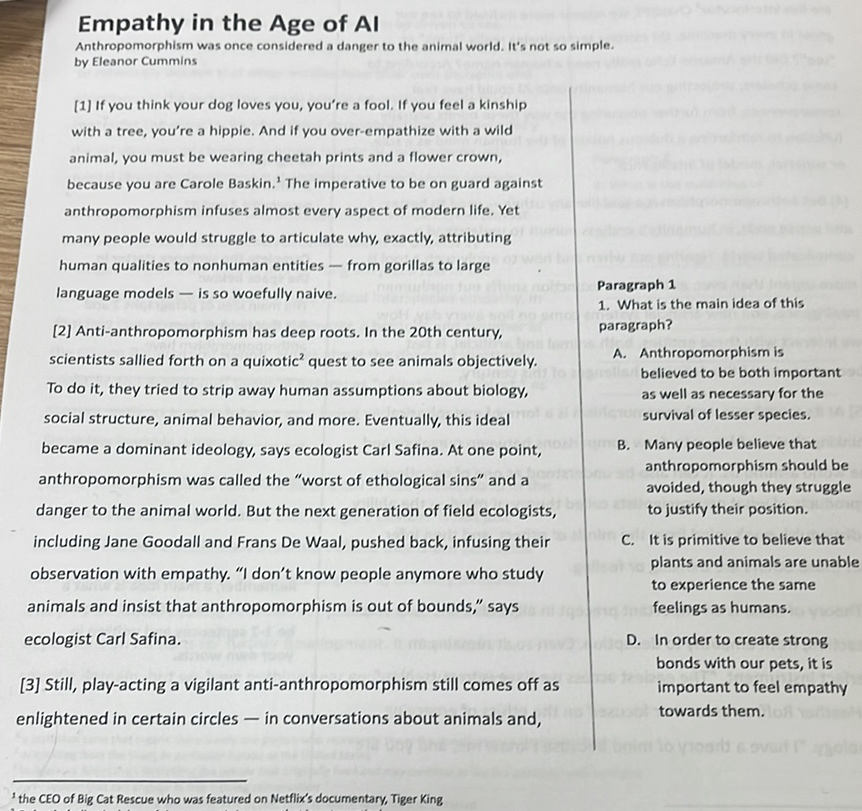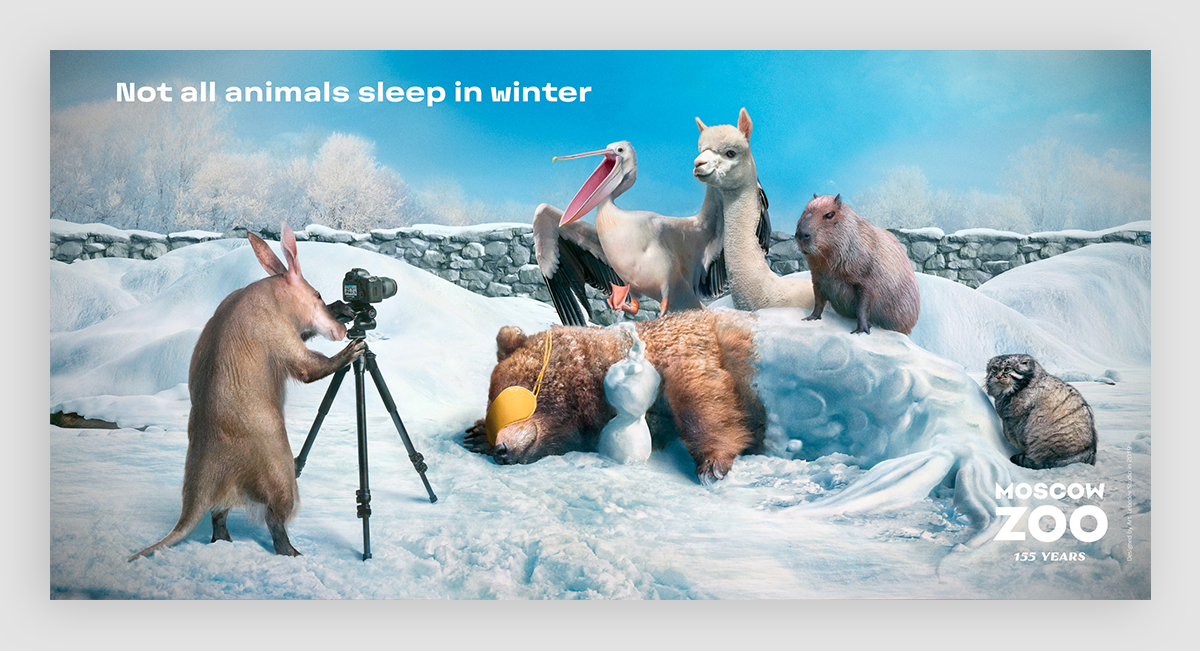
In the grand theater of consumer psychology, brands are not merely actors—they are characters vying for the audience’s affection. Yet, how does a faceless entity transform into a protagonist worthy of loyalty? The answer lies in the subtle art of anthropomorphism, where inanimate objects, abstract concepts, and even corporate logos are imbued with human traits. When wielded in visual design, this technique becomes a silent yet potent alchemist, reshaping brand perception from a distant entity into a relatable confidant. The result is not just recognition, but resonance—a visceral connection that lingers long after the first glance.
The Alchemy of Humanization: Turning Brands into Characters
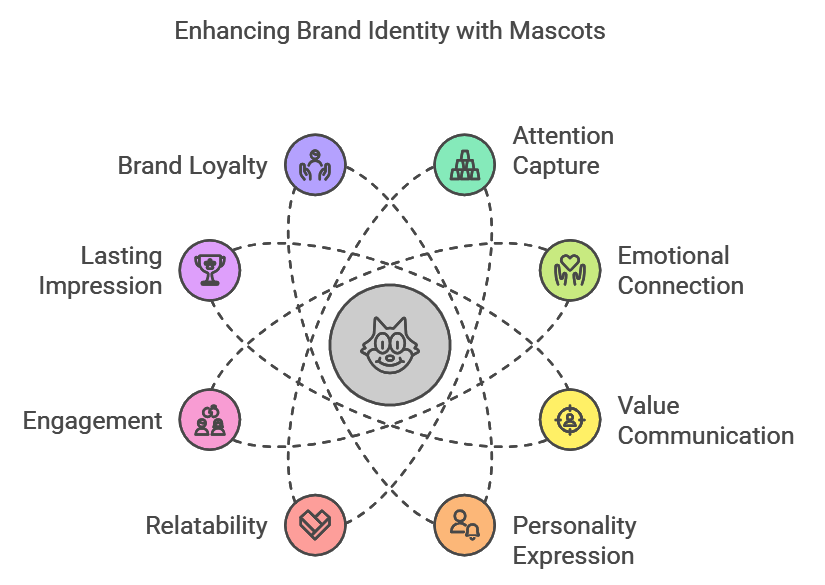
Anthropomorphism is the visual sorcery that breathes life into the lifeless. Consider the humble smiley face—a circle with two dots and a curve—transforming a cold, static icon into a beacon of warmth and approachability. When brands adopt such humanized visuals, they cease to be mere providers of goods or services; they become storytellers, narrators of a tale where the consumer is the hero. This metamorphosis is not superficial. It taps into the brain’s ancient wiring, where the ability to recognize faces and emotions is hardwired. A logo that winks, a mascot that dances, or an illustration that exudes empathy—these are not just design choices; they are emotional triggers, coaxing the viewer into suspending disbelief and engaging as if the brand were a living, breathing entity.
Take, for instance, the way a cereal box adorned with a cartoon tiger exudes playfulness, while a financial app featuring a wise, bespectacled owl conveys trust. These visual metaphors are not accidental. They are carefully crafted to evoke specific emotions, guiding the audience’s perception before a single word is read. The tiger doesn’t just sell cereal; it sells adventure. The owl doesn’t just offer financial tools; it promises sagacity. In this dance of design, brands shed their corporate armor and don the guise of companions, allies, or even mentors.
Emotional Resonance: The Bridge Between Brand and Consumer
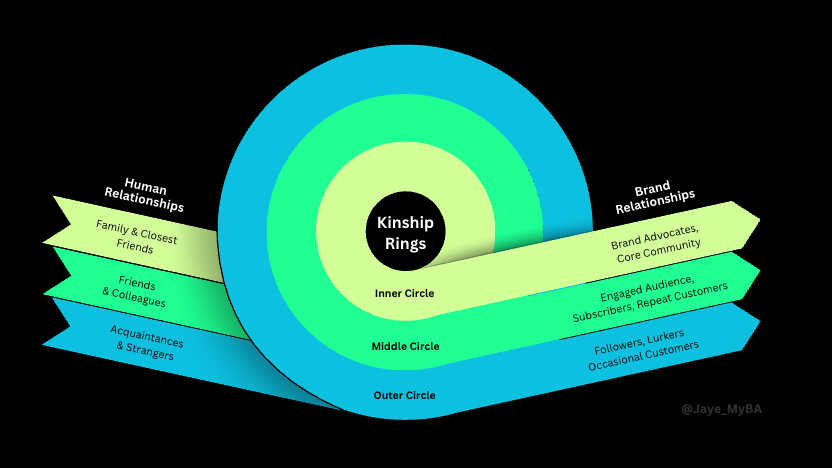
Visual anthropomorphism is the architect of emotional bridges, spanning the chasm between transactional relationships and deep-seated loyalty. When a brand’s visual identity mimics human behavior—whether through expressive eyes, dynamic postures, or relatable gestures—it transcends the role of a vendor and becomes a participant in the consumer’s daily narrative. This is where the magic of relatability takes root. A child’s toy brand that uses soft, rounded shapes and warm colors doesn’t just sell products; it sells comfort and nostalgia. A fitness app that depicts a determined, humanoid figure climbing a mountain doesn’t just track workouts; it embodies perseverance and triumph.
The power of this technique lies in its ability to make the abstract tangible. Brands that sell intangible services—like cloud storage or cybersecurity—often struggle to convey their value. Yet, by personifying these services with visual metaphors—perhaps a shield-bearing knight for security or a cloud with a friendly face—they transform the abstract into the familiar. The consumer no longer grapples with the concept of “data protection”; they envision a guardian standing watch. This shift from cognitive processing to emotional engagement is the hallmark of effective anthropomorphic design, turning passive observers into active participants in the brand’s story.
The Uncanny Valley: When Humanization Backfires
Not all attempts at anthropomorphism yield the desired warmth. The line between endearing and eerie is perilously thin, and crossing it can plunge a brand into the dreaded “uncanny valley.” This phenomenon occurs when visuals mimic humanity so closely that they trigger unease rather than affinity. A logo that is almost—but not quite—human, a mascot with exaggerated features that border on grotesque, or an AI-generated face that lacks the imperfections of real human skin can evoke revulsion rather than connection. The result? A brand that feels untrustworthy, unsettling, or even sinister.
To avoid this pitfall, designers must strike a delicate balance. The key lies in subtlety. A pair of eyes that sparkle with mischief, a mouth that curves into a knowing smile, or a posture that suggests confidence without veering into the surreal—these are the hallmarks of successful anthropomorphic design. The goal is not to create a doppelgänger of humanity, but to distill the essence of human traits into a form that feels familiar yet fantastical. When executed with precision, the visual metaphor becomes a bridge; when mishandled, it becomes a chasm.
Cultural Nuance: The Global Language of Humanized Design
Anthropomorphism is not a universal language; it is a dialect shaped by cultural context. What resonates in one society may fall flat—or worse, offend—in another. In Western cultures, where individualism is prized, brands often personify themselves as heroic figures or charismatic leaders. Think of the Michelin Man, a jovial, tire-clad ambassador who embodies strength and reliability. In contrast, Eastern cultures may favor designs that emphasize harmony and collective identity. A brand in Japan might adopt a mascot that reflects traditional values, such as a crane symbolizing longevity or a koi fish representing perseverance.
This cultural lens extends beyond mere symbolism. Even the style of anthropomorphic design can carry unintended connotations. A cartoonish, exaggerated human figure may be perceived as childish in some markets, while a minimalist, abstract representation of a human trait might feel cold and impersonal in others. The challenge for global brands is to navigate this labyrinth of cultural expectations, tailoring their visual anthropomorphism to resonate with diverse audiences without diluting their core identity. The solution often lies in universal human emotions—joy, trust, curiosity—expressed through culturally neutral visual metaphors.
The Future: AI and the Evolution of Visual Anthropomorphism
As artificial intelligence and generative design tools advance, the boundaries of anthropomorphic visuals are expanding. AI can now generate hyper-realistic human faces, dynamic expressions, and even entire animated characters that adapt in real-time to user interactions. This technological leap presents both opportunities and ethical dilemmas. On one hand, brands can create deeply personalized, emotionally intelligent visual identities that evolve with the consumer’s needs. Imagine a virtual assistant whose avatar subtly shifts its expression based on the user’s mood, or a logo that morphs to reflect seasonal themes while retaining its human essence.
On the other hand, the rise of AI-driven anthropomorphism raises questions about authenticity and manipulation. When a brand’s visual identity is generated by an algorithm, does it risk feeling hollow, a simulacrum of humanity rather than a genuine reflection of the brand’s values? The answer may lie in transparency. Brands that use AI to enhance their anthropomorphic design must ensure that the human traits they project are rooted in authenticity. Whether through ethical AI training data or clear communication about the technology behind the visuals, the goal remains the same: to foster genuine connections, not illusions.
Conclusion: The Silent Revolution of Humanized Brands
Anthropomorphism in visual design is more than a trend; it is a silent revolution in how brands communicate with the world. By transforming themselves into characters, brands invite consumers into a narrative where they are not just customers, but participants. This alchemy of design turns logos into confidants, mascots into friends, and abstract services into tangible allies. Yet, the power of this technique demands responsibility. The line between endearing and unsettling is thin, and cultural nuances must be respected. As technology evolves, the future of anthropomorphic design will be shaped by a delicate balance between innovation and authenticity.
In the end, the most compelling brands are those that don’t just sell products—they sell stories. And in the grand tapestry of consumer perception, anthropomorphism is the thread that weaves humanity into the fabric of commerce. It is the difference between being seen and being remembered, between a transaction and a relationship. For brands willing to embrace this art, the rewards are not just in sales, but in the enduring loyalty of a captivated audience.