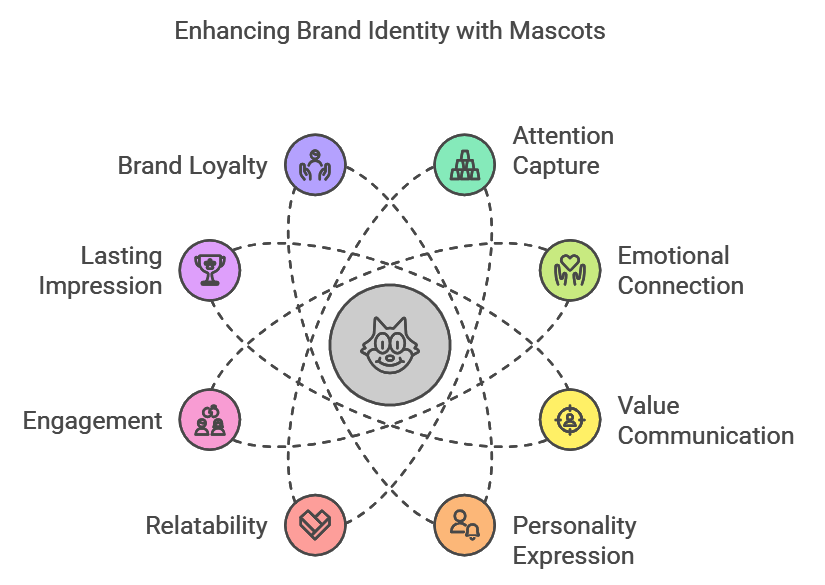
In the vast, cacophonous marketplace where brands clamor for attention like street performers vying for spare change, one strategy has emerged as a silent yet potent alchemist—transforming logos, mascots, and even inanimate products into characters with personalities, desires, and emotions. This is the art of anthropomorphism in branding: the act of endowing non-human entities with human traits, not merely as a gimmick, but as a bridge to the heart. It is not just about making a brand relatable; it is about making it *resonant*—a silent whisper in the consumer’s mind that lingers long after the advertisement fades.
The Alchemy of Giving Life to the Inanimate
Anthropomorphism is an ancient magic, woven into the fabric of human cognition. From the earliest cave paintings depicting animals with human expressions to the modern-day emojis that punctuate our digital conversations, we have always sought to see ourselves reflected in the world around us. Brands, recognizing this primal instinct, have turned this mirror inward—giving voice to products that cannot speak, emotions to services that cannot feel. A bottle of soda becomes a charismatic daredevil; a vacuum cleaner, a tireless, cheerful companion. This transformation is not superficial decoration; it is a narrative device, a way to embed a brand into the consumer’s emotional landscape.
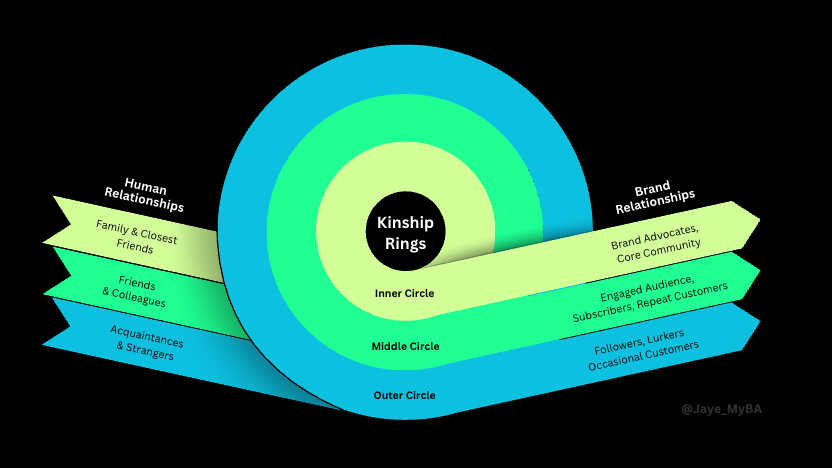
Consider the M&M’s characters: each candy is a distinct persona, from the cool, laid-back Red to the hyperactive Yellow. They do not just sell chocolate; they sell a microcosm of personalities, inviting consumers to project their own identities onto these sugary avatars. The alchemy lies in the illusion of reciprocity—consumers do not just buy candy; they adopt a friend, a confidant, a playful alter ego. This is the power of anthropomorphism: it turns transactions into relationships, and products into protagonists.
Emotional Resonance: The Invisible Thread Between Brand and Consumer
Emotions are the currency of connection, and anthropomorphism is the mint that mints this currency. When a brand adopts human traits, it transcends its functional role and enters the realm of the personal. A car brand that speaks of adventure and freedom does not just sell transportation; it sells the promise of escape. A coffee brand that hums with warmth and familiarity does not just sell caffeine; it sells a moment of comfort in a hurried world. This emotional resonance is not accidental; it is meticulously crafted through storytelling, design, and consistency.
Take the example of a brand like Mailchimp, whose mascot, Freddie, is a playful, anthropomorphic chimp. Freddie does not just represent the company; he embodies its ethos—friendly, approachable, and slightly quirky. By giving Freddie a personality, Mailchimp transforms a technical service into a relatable companion, making the daunting task of email marketing feel like a conversation with a trusted friend. The emotional connection is not in the features of the service but in the *feeling* it evokes—a sense of ease, humor, and reliability.
This resonance is particularly potent in industries where trust is paramount. Financial services, for instance, often struggle to humanize their offerings. Yet, when a bank adopts a mascot like the “Bank of America’s Keep the Change” squirrel—a symbol of thrift and foresight—it transforms the act of saving money from a chore into a virtuous, almost whimsical endeavor. The emotional payoff is clear: consumers do not just open accounts; they join a story.
The Metaphorical Mirror: How Consumers See Themselves in Brands
Anthropomorphism does more than create characters; it creates mirrors. When a brand adopts human traits, it reflects not just its own values but the aspirations, flaws, and identities of its consumers. This is the metaphorical mirror at work—a psychological device that allows individuals to see their own struggles, triumphs, and quirks mirrored in the brands they choose. A fitness brand that personifies struggle and perseverance does not just sell gym equipment; it sells a narrative of transformation. A skincare line that embodies the struggle against time becomes a confidant in the battle against aging.
This mirroring effect is deeply psychological. Studies in cognitive science suggest that anthropomorphism activates the same brain regions associated with social cognition, making us more likely to empathize with and trust entities that exhibit human-like traits. When a brand like Nike personifies perseverance through its “Just Do It” campaigns, featuring athletes overcoming adversity, it does not just sell shoes; it sells a version of the consumer’s own potential. The brand becomes a silent coach, a cheerleader, a reflection of the inner athlete within each of us.
Moreover, anthropomorphism allows brands to tap into cultural archetypes. A brand that adopts the persona of a wise elder, like a grandfatherly figure in a tea commercial, invokes feelings of nostalgia and wisdom. A brand that embodies the rebellious spirit of youth, like a skateboard company with a mischievous mascot, taps into the desire for freedom and nonconformity. These archetypes are not arbitrary; they are the building blocks of human storytelling, and when brands align with them, they become part of a larger, shared narrative.
The Uncanny Valley: When Anthropomorphism Stumbles
Yet, the path to anthropomorphic branding is not without its pitfalls. The uncanny valley—a term borrowed from robotics—describes the discomfort that arises when an entity appears almost, but not quite, human. A mascot that is too realistic, a voice that is eerily human but slightly off, or a product that seems to *almost* breathe can evoke unease rather than connection. The line between charm and creepiness is thin, and brands must tread carefully to avoid falling into this psychological abyss.
Consider the case of a fast-food mascot that is designed to be overly lifelike. If its movements are stiff or its expressions unnatural, it can feel like a marionette rather than a character. The result? Consumers do not feel a sense of kinship but a creeping sense of unease. The key to avoiding the uncanny valley lies in balance—enough humanity to foster connection, but enough abstraction to maintain comfort. Brands like the Michelin Man, with his exaggerated, cartoonish form, or the Pillsbury Doughboy, with his jolly, rounded features, achieve this balance effortlessly. They are human enough to be relatable, but stylized enough to avoid the pitfalls of realism.
Another challenge is consistency. A brand that adopts anthropomorphic traits must maintain them across all touchpoints—from packaging to customer service. If a brand’s mascot is playful and irreverent on social media but cold and corporate in its email communications, the illusion of personality shatters. The emotional connection, once built, is fragile and must be nurtured with care.
Beyond Mascots: The Subtle Anthropomorphism of Product Design
Anthropomorphism in branding is not limited to mascots and spokespeople. It can be woven into the very design of a product, creating an almost imperceptible emotional pull. Consider the smile of an Apple logo, designed to evoke friendliness and approachability. Or the curved lines of a Coca-Cola bottle, which mimic the human form, inviting consumers to cradle it like a companion. These design choices are not accidental; they are the result of a deep understanding of how form influences feeling.
Even the way a product is packaged can anthropomorphize it. A shampoo bottle with a sleek, ergonomic shape that fits naturally in the hand feels like an extension of the self. A toy with soft, rounded edges feels like a friend rather than an object. These subtle cues create a sense of intimacy, making the product feel less like a commodity and more like a part of the consumer’s daily life.
This form of anthropomorphism is particularly powerful in industries where the product itself is intangible, such as software or financial services. A user interface that responds with a gentle animation, a chatbot that uses empathetic language, or a banking app that celebrates milestones with confetti—all of these design choices anthropomorphize the experience, making the digital feel human.
The Future: Anthropomorphism in the Age of AI and Virtual Worlds
As technology advances, the boundaries of anthropomorphism are expanding. Artificial intelligence is enabling brands to create digital entities that not only look human but behave with a semblance of consciousness. Virtual influencers, like Lil Miquela, are already blurring the line between human and brand, with personalities, backstories, and even controversies. These digital personas are not just marketing tools; they are characters in a new kind of storytelling, where the brand narrative is co-created with the consumer.
In the metaverse, where avatars and digital identities reign supreme, anthropomorphism takes on a new dimension. Brands can create entire worlds where consumers interact with products as characters, where a virtual coffee shop feels like a place of warmth and community. The potential for emotional connection is limitless—imagine a virtual assistant that not only answers questions but also grows and evolves with the user, becoming a digital confidant over time.
Yet, with this potential comes responsibility. As brands delve deeper into anthropomorphism, they must navigate ethical considerations—how much personality is too much? When does a brand’s mascot become manipulative rather than endearing? The future of anthropomorphism in branding will require a delicate balance between innovation and authenticity, ensuring that the emotional connections forged are genuine rather than exploitative.