In the contemporary realm of animated storytelling, anthropomorphism stands as a powerful creative principle that transcends mere visual appeal. By imbuing inanimate objects, animals, or abstract concepts with human traits, emotions, and motivations, animated series craft immersive narratives that resonate deeply with audiences. This case study delves into how an animated series leveraged anthropomorphism masterfully to distinguish itself in an overcrowded digital entertainment landscape. Through varied content forms—from character design and narrative structures to marketing strategies—this approach facilitated a rich tapestry of engagement, fostering both emotional connection and intellectual curiosity.
Understanding Anthropomorphism in Animation
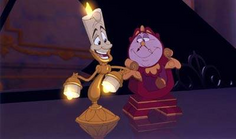
At its core, anthropomorphism converts the unfamiliar into the relatable. In animation, it breaks the boundary between the audience and the non-human world, allowing viewers to project feelings and experiences onto characters that transcend species or objecthood. This technique harnesses familiarity through facial expressions, gestures, speech, and emotional complexity, which renders the fantastical believable. The animated series utilized this technique not only for comedic effect but as a narrative scaffold that explored themes of identity, morality, and societal dynamics.
Character Design: Crafting Viscerally Relatable Personas
One of the pivotal facets of this series’ success was its nuanced approach to character design. Anthropomorphism was not a superficial overlay but a deliberate synthesis of human attributes with distinctive and often unexpected creatures or objects. The protagonists exhibited intricate layers of personality traits—from vulnerability and ambition to humor and existential anxiety—that were communicated through meticulously designed body language and nuanced facial animations.
For instance, soft, rounded forms conveyed innocence and approachability, while sharp angular lines suggested cunning or aggression. Complementing physical features, costume and color palettes elevated visual storytelling, subtly signaling characters’ social status, emotional states, and narrative arcs. This intricate design philosophy enhanced identification, enabling viewers to find fragments of their own humanity within animated beings far removed from reality.
Layered Narrative and Symbolic Allegory
Beyond aesthetic appeal, the series employed anthropomorphism as a vehicle for layered storytelling. Each character’s humanized traits served symbolic purposes, reflecting broader societal themes such as social stratification, environmental conflict, and the quest for self-realization. These allegorical underpinnings provided depth and sophistication that transcended conventional children’s programming.
The narrative structure interwove episodic conflicts with overarching character development, allowing viewers to invest emotionally while contemplating allegorical meanings. The series skillfully balanced whimsy and gravitas; humor and pathos coexisted, making the human condition accessible through non-human protagonists. This duality opened avenues for viewers across demographics to engage with complex ideas within an entertaining framework.
Emotional Resonance Through Vocalization and Expression
Voice acting and expressive animation were instrumental in actualizing the anthropomorphic vision. The voice cast delivered performances that imbued characters with distinct personalities, ranging from sardonic wit to profound melancholy. These vocal nuances supported the physical animation, amplifying emotional subtleties and enhancing audience empathy.
Moreover, the animation’s ability to depict micro-expressions—a slight furrow of the brow, a momentary hesitation—created a convincing illusion of interiority. Such refined expressiveness fostered a more immersive experience, compelling the audience to perceive characters as sentient beings navigating trials and triumphs similarly to humans.
Innovative World-Building and Environmental Integration
Anthropomorphism transcended character portrayal to inform the series’ environmental design. The fictive world itself exhibited a confluence of human culture and natural or fantastical elements, reinforcing thematic motifs. Settings were meticulously crafted to mirror characters’ psychological landscapes and socio-political conditions.
Architectural forms, flora, and fauna integrated anthropomorphic features, enriching the visual vocabulary and enhancing thematic cohesion. This strategy cultivated a distinctive atmosphere—one where every facet of the environment felt alive and emotionally charged, further immersing the viewer within the narrative universe.
Cross-Media Content and Audience Engagement
The series expanded its anthropomorphic narrative through a multi-channel approach, including online comics, interactive websites, and social media campaigns. These content types provided deeper insights into characters’ backstories, internal dilemmas, and relationships.
Interactive content allowed fans to influence narrative outcomes or personalise avatars modeled after anthropomorphized characters, fostering active participation. These immersive experiences built fan loyalty while extending the storytelling format beyond traditional episodes. The seamless integration of anthropomorphism into these diverse content forms underscored the adaptability and richness of this narrative device.
Marketing Strategies Leveraging Unique Visual Identity
Capitalizing on its anthropomorphic appeal, the series’ marketing campaigns employed distinctive visuals and thematic messaging that highlighted character individuality and philosophical undertones. Posters and promotional art used symbolic imagery—a hallmark of anthropomorphic aesthetics—to spark curiosity and dialogue among potential viewers.
Moreover, the campaigns tapped into nostalgia and contemporary cultural sensibilities, positioning the series as both timeless and timely. This multifaceted marketing approach broadened the series’ demographic reach, establishing it as a cultural touchstone rather than a fleeting entertainment product.
Impact and Reception: Elevating Genre Expectations
The deliberate and sophisticated use of anthropomorphism elevated the animated series beyond mere entertainment, garnering critical acclaim and a dedicated fan base. Audience reception highlighted emotional engagement, thematic richness, and artistic innovation as key strengths.
This positive reception underscored a growing appetite for narratives that challenge traditional genre limitations—inviting maturity, introspection, and aesthetic complexity. The series thus contributed to reshaping expectations for animation as a medium capable of profound artistic expression and social commentary.
Conclusion: The Enduring Power of Anthropomorphism in Animation
By harnessing anthropomorphism as a multifaceted creative strategy, the animated series carved a unique identity within a saturated market. Through compelling character design, intricate storytelling, emotive expression, and immersive world-building, it demonstrated the enduring potency of humanizing the non-human. The series not only captivated audiences but also advanced animation as an art form capable of rich narrative and emotional depth, setting a benchmark for future productions seeking to blend entertainment with meaningful discourse.