In the ever-evolving landscape of consumer psychology, brands are increasingly turning to anthropomorphism—the art of imbuing human traits into non-human entities—as a transformative tool for rebranding. This narrative explores how a forward-thinking brand harnessed the power of anthropomorphism to not only revitalize its identity but also forge deeper emotional connections with its audience. By adopting a human-like persona, the brand transcended conventional marketing paradigms, turning customers into loyal advocates and skeptics into believers. The journey from anonymity to anthropomorphic allure is a testament to the alchemy of strategy and storytelling.
The Genesis of Rebranding: Why Anthropomorphism?
Rebranding is rarely a whimsical endeavor; it is a calculated metamorphosis designed to align with shifting consumer expectations and market dynamics. For the brand in question, the impetus stemmed from a confluence of stagnant engagement metrics and a growing disconnect between its core values and its public perception. Traditional rebranding strategies—such as logo redesigns or tagline overhauls—offered only superficial solutions. The brand needed a paradigm shift, one that could breathe life into its identity and resonate on a visceral level. Anthropomorphism emerged as the catalyst, a bridge between abstraction and relatability.
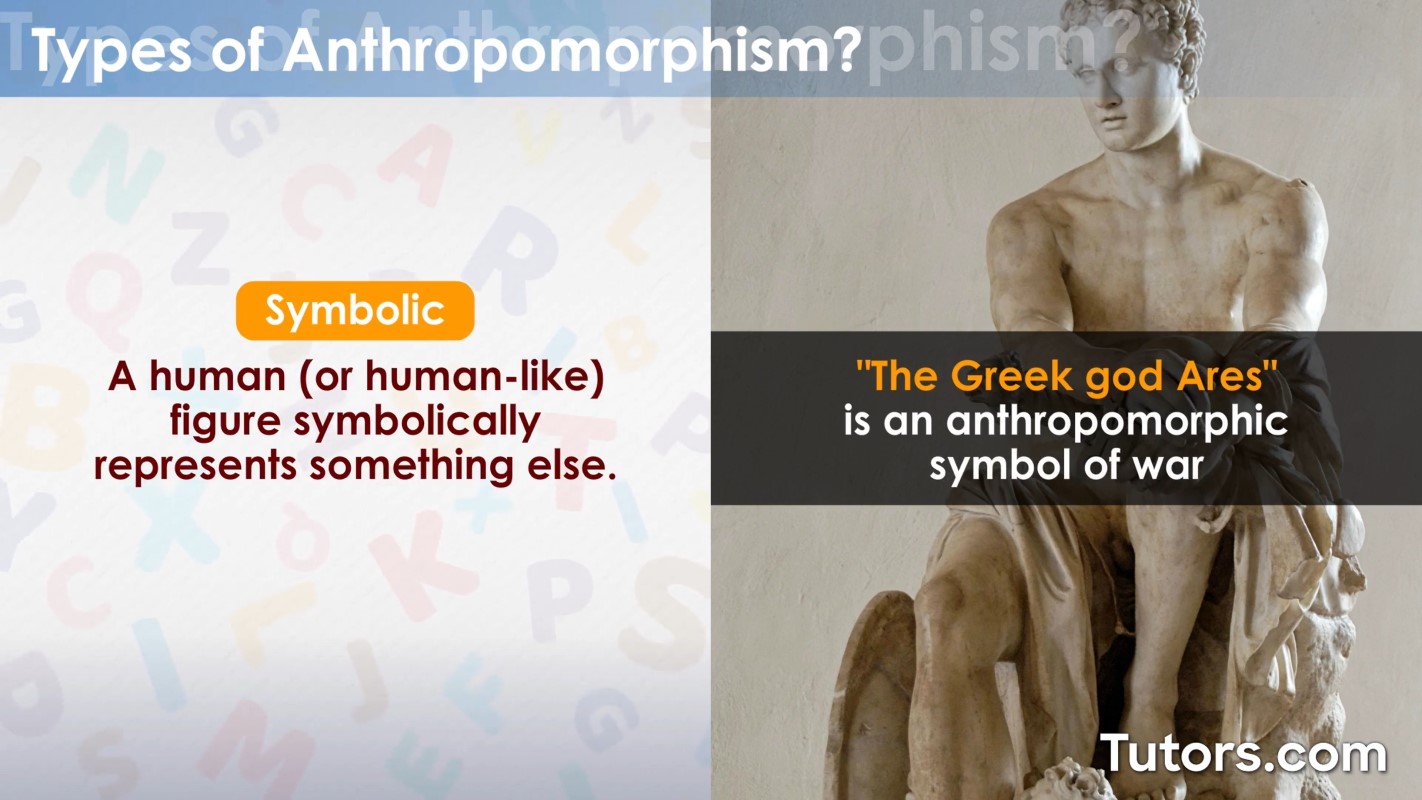
The psychological underpinnings of this approach are profound. Humans are wired to anthropomorphize; we instinctively attribute human characteristics to objects, animals, and even abstract concepts. This cognitive bias, rooted in our evolutionary past, makes anthropomorphism a potent tool for brands seeking to humanize their presence. By adopting a human-like persona, the brand could transcend its corporate facade, becoming a relatable entity rather than a faceless entity. This transformation was not merely aesthetic—it was existential.
Crafting the Brand’s Human Persona: A Study in Metaphor
The rebranding process began with the meticulous crafting of the brand’s human persona. This was not a superficial exercise in assigning a face or a voice; it was a deep dive into the brand’s ethos, values, and aspirations. The persona had to embody the brand’s essence while also appealing to its target audience. For instance, if the brand was rooted in innovation, its anthropomorphic avatar might be a visionary thinker, exuding curiosity and forward-thinking energy. If the brand prioritized sustainability, its persona could be a steadfast guardian of the environment, embodying resilience and responsibility.
The metaphorical framework was crucial. The brand’s persona was not just a character but a narrative device—a protagonist in a story that unfolded across every touchpoint. This narrative arc allowed the brand to communicate its values in a way that felt organic and engaging. For example, the brand’s social media presence could adopt the tone of a wise mentor, offering insights and advice, while its packaging might feature illustrations of the persona in various scenarios, reinforcing its human-like qualities. The result was a cohesive, immersive experience that blurred the lines between brand and consumer.
The Visual Alchemy: Bringing the Persona to Life
Visual storytelling played a pivotal role in the rebranding effort. The brand’s imagery shifted from static, corporate visuals to dynamic, narrative-driven designs. The anthropomorphic persona was given a distinct visual identity—whether through a mascot, a character illustration, or a stylized logo that hinted at human features. This visual language was not confined to marketing materials; it permeated every aspect of the brand’s identity, from its website to its product design.
Consider the brand’s product packaging, which now featured the persona in various poses and expressions, each conveying a different emotion or value. The packaging became a canvas for storytelling, inviting consumers to engage with the brand on a deeper level. Even the brand’s typography was infused with personality, adopting a handwritten or conversational style to enhance the human touch. The visual alchemy was complete when every element—color, shape, and texture—worked in harmony to evoke the brand’s new persona.

Emotional Resonance: The Power of Relatability
The true magic of anthropomorphism lies in its ability to foster emotional resonance. By adopting human traits, the brand could evoke empathy, humor, and even nostalgia—emotions that are notoriously difficult to elicit through traditional marketing. The brand’s persona became a mirror, reflecting the values and aspirations of its audience. Consumers no longer saw the brand as a distant entity but as a companion, a guide, or even a friend.
This emotional connection was further amplified through interactive experiences. The brand’s social media channels, for instance, could feature the persona engaging in conversations with followers, answering questions, or sharing behind-the-scenes insights. The persona’s voice was carefully crafted to reflect the brand’s personality—whether it was witty and irreverent or thoughtful and introspective. The result was a two-way dialogue that deepened the bond between brand and consumer.
Moreover, the anthropomorphic persona allowed the brand to navigate complex or sensitive topics with grace. For example, if the brand faced criticism or controversy, its persona could address the issue with humility and transparency, humanizing the brand’s response. This approach not only mitigated potential backlash but also reinforced the brand’s commitment to authenticity and accountability.
Measuring the Impact: Beyond Metrics to Meaning
While traditional rebranding efforts often hinge on metrics like sales growth or market share, the success of anthropomorphism is measured in more nuanced ways. Engagement rates, social media interactions, and customer testimonials offer glimpses into the brand’s newfound resonance. However, the true testament to its effectiveness lies in the qualitative shifts in consumer perception. Surveys and focus groups revealed that consumers now viewed the brand as more trustworthy, innovative, and relatable. The anthropomorphic persona had become a symbol of the brand’s evolution, a tangible representation of its commitment to connecting with its audience.
Another indicator of success was the brand’s ability to inspire loyalty and advocacy. Consumers who felt a personal connection to the brand’s persona were more likely to recommend it to others, becoming ambassadors in their own right. This organic growth was a stark contrast to the fleeting impact of traditional marketing campaigns, which often relied on fleeting trends or gimmicks.
The brand’s rebranding journey also highlighted the importance of consistency. Anthropomorphism is not a one-time tactic but a sustained narrative that must be woven into every aspect of the brand’s identity. From customer service interactions to product design, the persona had to remain a cohesive and authentic presence. This consistency reinforced the brand’s new identity, ensuring that it resonated deeply and enduringly with its audience.
The Ripple Effect: How Anthropomorphism Transformed the Industry
The success of this rebranding effort sent ripples through the industry, inspiring other brands to explore anthropomorphism as a strategic tool. Competitors took note of the brand’s renewed vigor and the emotional connections it had forged with its audience. Some brands adopted similar strategies, while others experimented with more unconventional approaches, such as giving their products personalities or creating interactive experiences that blurred the line between brand and consumer.
This ripple effect extended beyond the corporate world. The trend of anthropomorphism began to influence other sectors, from education to healthcare, where humanizing entities—whether through mascots, avatars, or storytelling—became a way to enhance engagement and understanding. The lesson was clear: in a world saturated with information and choices, anthropomorphism offered a way to stand out, to connect, and to endure.
The brand’s rebranding journey also sparked conversations about the ethical implications of anthropomorphism. Critics argued that it could be manipulative, blurring the lines between reality and fiction. However, proponents countered that when done thoughtfully and authentically, anthropomorphism could foster genuine connections and inspire positive change. The brand’s success served as a case study in how to wield this power responsibly, balancing creativity with integrity.

![Case Study: How [Brand] Used Anthropomorphism to Increase Sales](https://anthropomorphism.org/wp-content/uploads/2026/05/brand-case-study-tony-chocolonely.jpg)