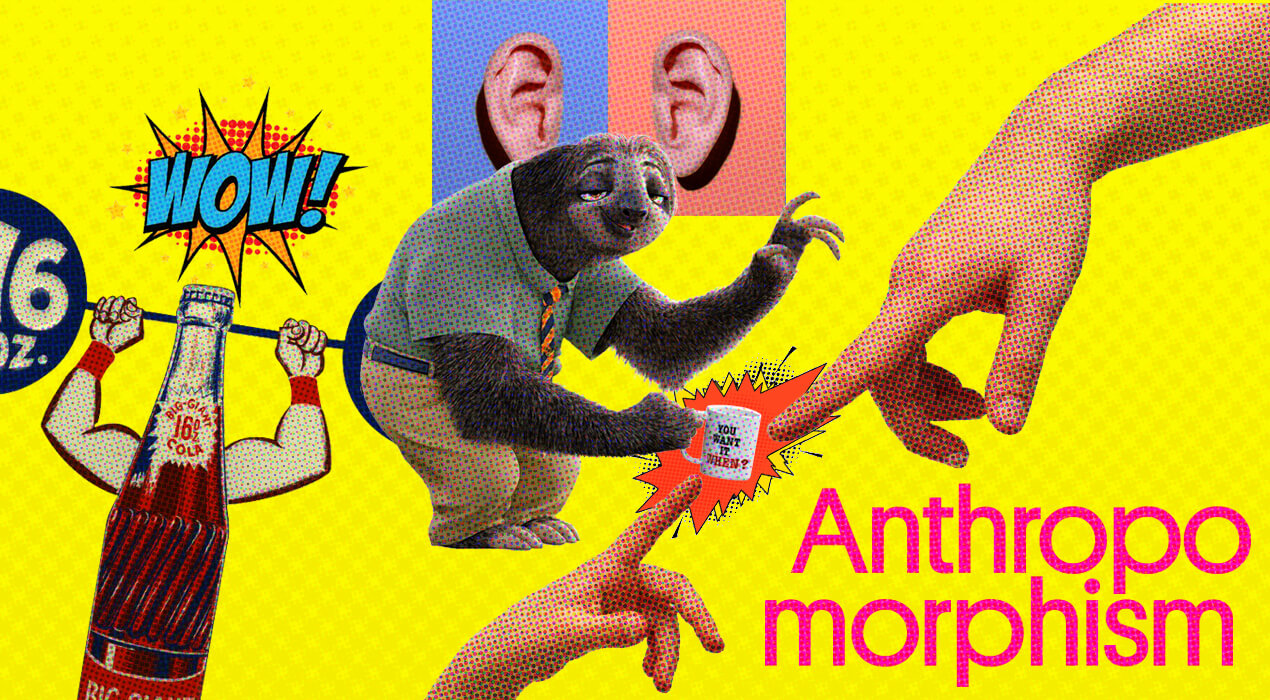
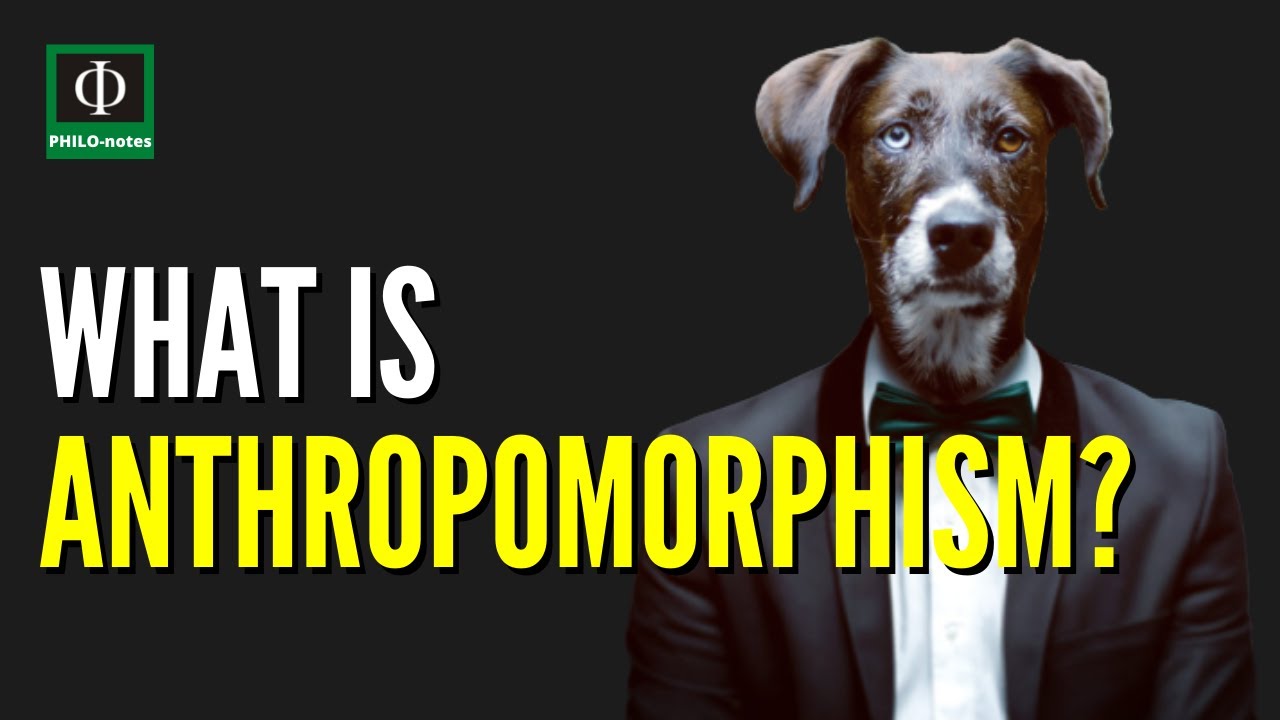
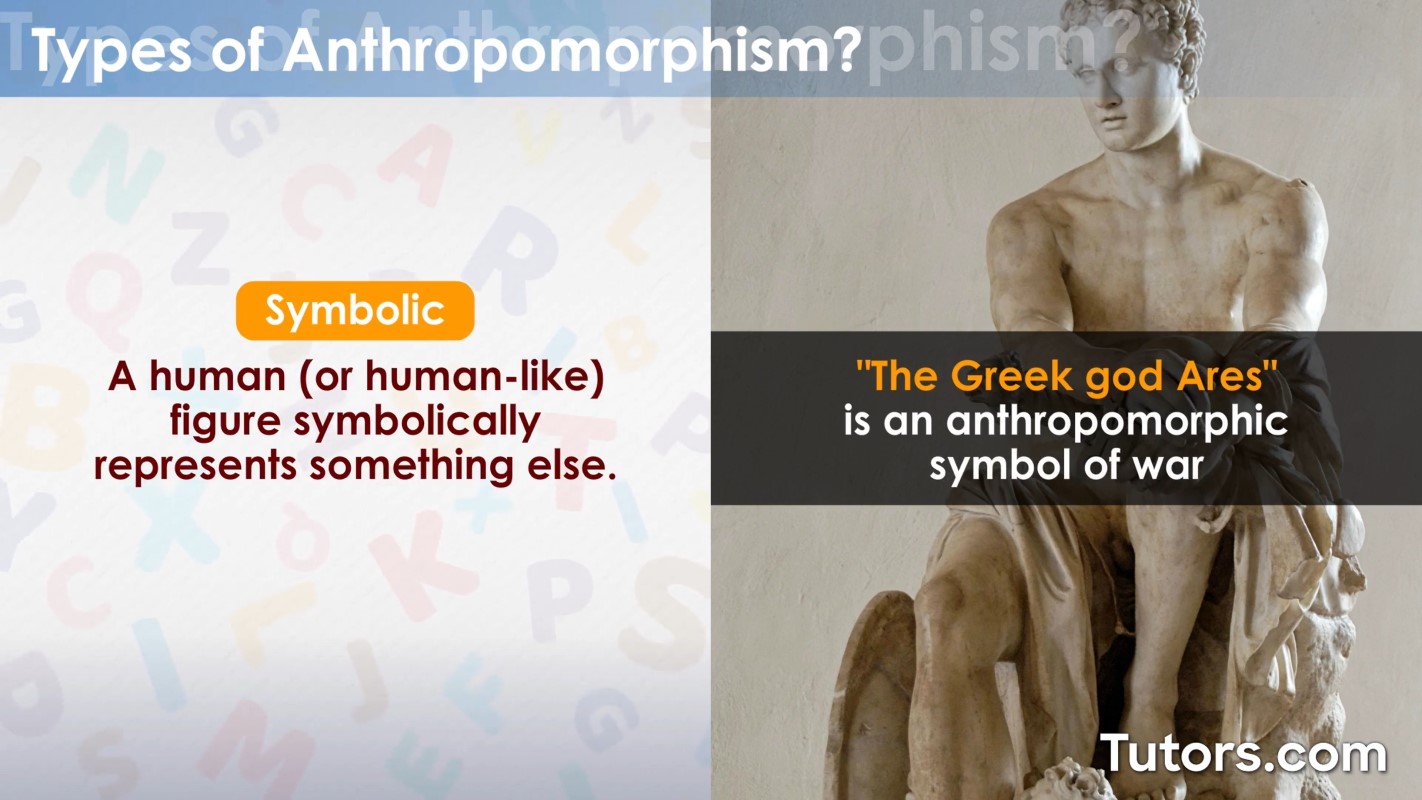
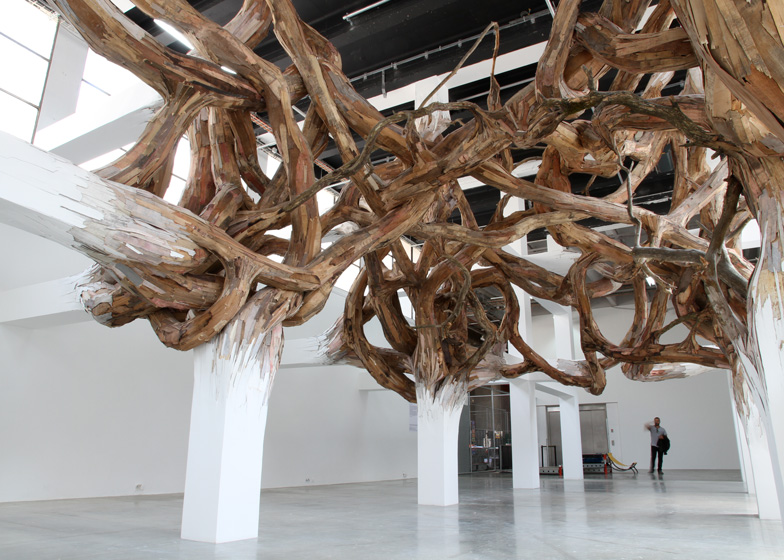
In the ever-evolving landscape of industrial design, anthropomorphism—the attribution of human traits, emotions, or intentions to non-human entities—has emerged as a transformative force. No longer confined to the realms of art or storytelling, this phenomenon now permeates the design of machinery, interfaces, and even robotic systems, reshaping how humans interact with technology. The fusion of human-like qualities into industrial products is not merely an aesthetic choice; it is a strategic tool that enhances usability, fosters emotional connections, and bridges the gap between cold functionality and intuitive engagement. This article delves into the multifaceted role of anthropomorphism in industrial design, exploring its psychological underpinnings, practical applications, and the ethical considerations that accompany its adoption.
The Psychological Foundations of Anthropomorphism in Design
At its core, anthropomorphism is rooted in the human brain’s innate tendency to anthropomorphize—an evolutionary trait that once helped early humans navigate complex social environments. Today, this cognitive shortcut is leveraged in industrial design to make machines feel more relatable. Studies in cognitive psychology reveal that humans instinctively seek patterns and familiarities, even in inanimate objects. When a robotic arm mimics the fluidity of a human gesture or a dashboard interface adopts a “friendly” tone, it triggers a subconscious response: the object is perceived as more approachable and less intimidating.
Moreover, anthropomorphism taps into the concept of affordance—a design principle where the perceived functionality of an object aligns with its actual use. A control panel with rounded buttons and a soft glow, for instance, may subconsciously suggest ease of use, much like a doorknob invites a hand to turn it. This psychological alignment reduces cognitive load, making industrial systems more intuitive for operators. The challenge, however, lies in striking a balance: too much anthropomorphism can lead to uncanny valley effects, where the design becomes unsettling rather than endearing.
Types of Anthropomorphism in Industrial Design
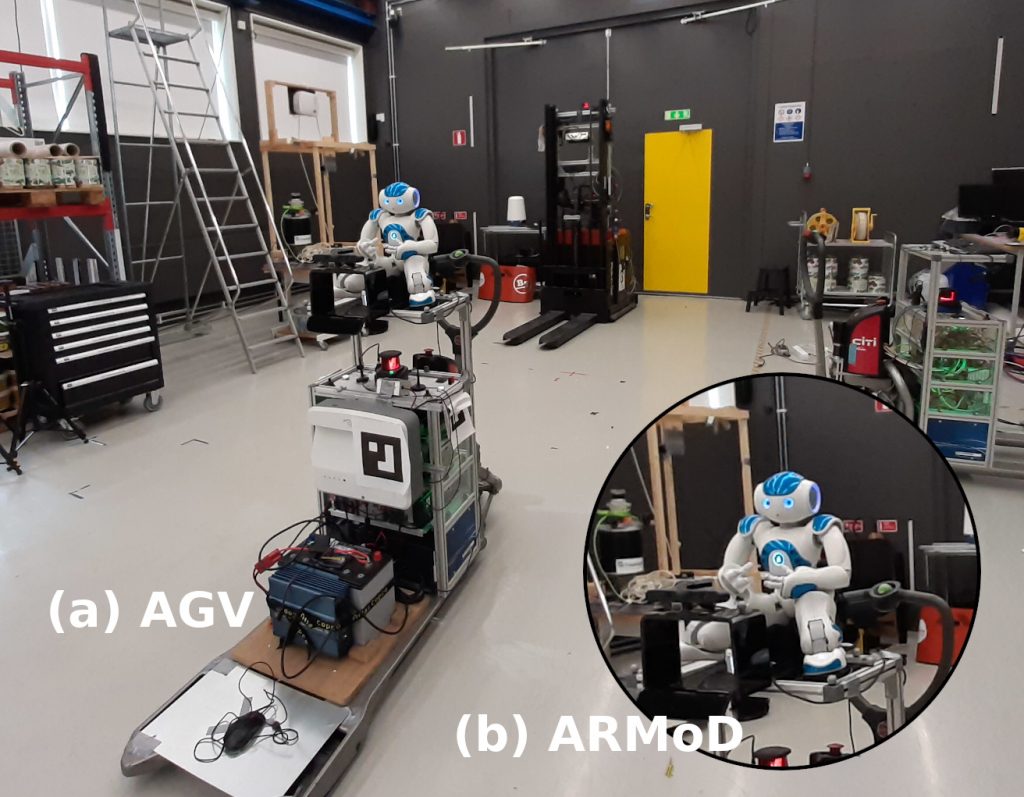
Anthropomorphism manifests in industrial design through various lenses, each serving distinct purposes. The most overt form is visual anthropomorphism, where products are designed to resemble human features. Consider the humanoid robots deployed in manufacturing lines, their articulated limbs and expressive faces designed to collaborate seamlessly with human workers. These designs prioritize ergonomics and safety, ensuring that the machine’s movements are predictable and non-threatening.
A subtler form is behavioral anthropomorphism, where non-human objects exhibit human-like behaviors. A factory conveyor belt that slows down when an operator approaches mimics a considerate gesture, fostering a sense of mutual awareness. Similarly, industrial software interfaces that use conversational language or empathetic error messages reduce frustration, transforming mundane tasks into more engaging interactions. Functional anthropomorphism takes this further by embedding human-like decision-making into systems. Predictive maintenance algorithms, for example, don’t just flag issues—they “explain” their reasoning in plain language, much like a human technician would.
Anthropomorphism in Human-Robot Collaboration
The rise of collaborative robots, or cobots, has amplified the role of anthropomorphism in industrial settings. Unlike traditional robots confined to cages, cobots work alongside humans, necessitating designs that prioritize safety and synergy. Anthropomorphic features in cobots—such as gentle acceleration, soft edges, and even facial expressions—help mitigate the inherent power imbalance between humans and machines. Research shows that workers are more likely to trust a cobot if it exhibits social presence, a quality that anthropomorphism enhances by making the robot feel like a team member rather than a tool.
Yet, the integration of anthropomorphism into cobots raises critical questions about agency and accountability. If a cobot makes an error, who is responsible? The designer, the programmer, or the machine itself? These ethical dilemmas underscore the need for transparent design principles, where anthropomorphic features are not just decorative but serve clear functional purposes. For instance, a cobot’s “apologetic” tone after a mistake could be a programmed response, but it also reinforces a culture of accountability within the workplace.
The Aesthetic Dimension: Blending Form and Function
Anthropomorphism is not solely a functional tool; it is also a powerful aesthetic device. Industrial designers often employ biophilic design principles, incorporating organic shapes and textures to evoke familiarity. A CNC machine with sleek, curved panels may resemble a living organism, subtly reducing the psychological distance between operator and equipment. This approach is particularly effective in high-stress environments, where the visual harmony of a workspace can influence productivity and morale.
Color psychology further amplifies this effect. Warm hues like soft blues and greens are often used in anthropomorphic designs to evoke calmness and trust, while vibrant accents can signal energy and efficiency. The interplay of these elements creates a sensory narrative—a story told through the product’s appearance and interaction, guiding the user’s emotional response. For example, a medical device with a “smiling” interface may reassure patients during a procedure, while a rugged industrial pump with a “determined” stance conveys reliability in harsh conditions.

Anthropomorphism in User Interfaces and Digital Twins
The digital transformation of industrial design has given rise to digital twins—virtual replicas of physical systems that simulate real-world behavior. Anthropomorphism plays a pivotal role here, particularly in interfaces that require human-like interaction. A digital twin of a factory floor might use an avatar to guide operators through maintenance procedures, its movements mirroring those of a human technician. This not only simplifies complex workflows but also reduces training time, as users can intuitively understand the system’s logic.
Voice user interfaces (VUIs) represent another frontier where anthropomorphism is flourishing. Industrial voice assistants, designed to respond to queries like “How do I calibrate this sensor?” with conversational clarity, eliminate the need for dense manuals. The challenge lies in ensuring these interfaces avoid over-personification, where excessive human-like traits—such as humor or sarcasm—undermine professionalism. Striking the right tone requires a deep understanding of the user’s context, whether they are a seasoned engineer or a novice operator.
Ethical Considerations and the Limits of Anthropomorphism
While anthropomorphism offers undeniable benefits, it is not without risks. One of the most pressing concerns is deception. If a machine is designed to appear more autonomous or intelligent than it truly is, it could lead to over-reliance, where operators assume capabilities that don’t exist. For instance, a robot that “nods” in agreement might mislead workers into believing it understands context, when in reality, it’s merely following a script. This raises ethical questions about transparency and the boundaries of design intent.
Another consideration is cultural sensitivity. Anthropomorphic designs that resonate in one culture may fall flat or even offend in another. A robotic face with exaggerated features, for example, might be perceived as endearing in Japan but unsettling in parts of Europe. Designers must conduct thorough cross-cultural usability testing to ensure their anthropomorphic elements are universally comprehensible and respectful. Additionally, the environmental impact of anthropomorphic designs—such as the use of rare materials for aesthetic purposes—must be weighed against sustainability goals.
Future Trends: Where Anthropomorphism is Headed
The trajectory of anthropomorphism in industrial design is poised to intersect with emerging technologies like artificial general intelligence (AGI) and advanced neural interfaces. Imagine a factory where machines not only mimic human gestures but also adapt their behavior based on real-time emotional feedback from workers. Wearable sensors could detect stress levels, prompting a cobot to slow its pace or a dashboard to shift to a calming color palette. This affective computing approach could redefine workplace safety and well-being.
Another exciting frontier is neuroaesthetics, the study of how the brain responds to design. By leveraging fMRI scans and EEG data, designers could fine-tune anthropomorphic features to elicit specific neurological responses. A control panel with a “smiling” indicator light, for example, might trigger dopamine release, reinforcing positive associations with the machine. Such data-driven design could lead to hyper-personalized industrial products, tailored to the cognitive and emotional profiles of individual users.
Conclusion: Balancing Innovation with Responsibility
Anthropomorphism in industrial design is more than a trend; it is a paradigm shift that redefines the relationship between humans and machines. From the tactile warmth of a well-designed interface to the reassuring presence of a collaborative robot, anthropomorphic elements bridge the gap between utility and empathy. Yet, this power must be wielded with care, ensuring that design choices prioritize clarity, safety, and ethical integrity over mere novelty.
As industries continue to embrace automation and digitalization, the role of anthropomorphism will only grow in significance. The challenge for designers is to harness its potential while remaining vigilant against its pitfalls. By doing so, they can create industrial ecosystems that are not only efficient but also humane—where technology serves as an extension of human capability, rather than a barrier to it.