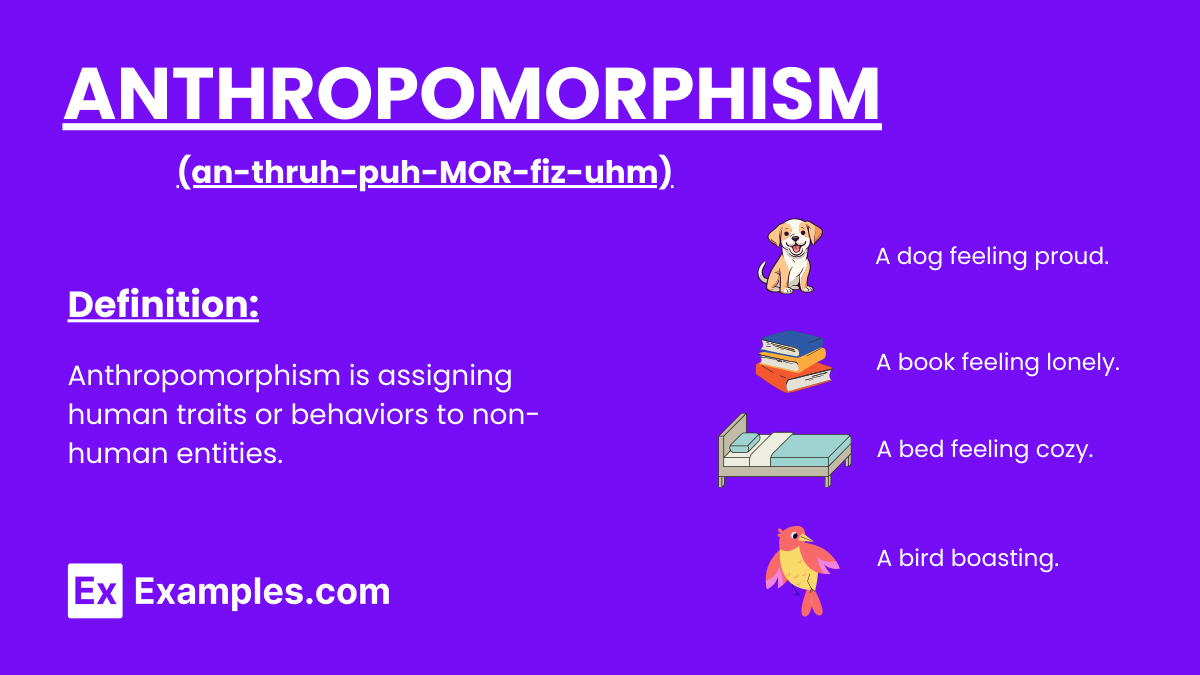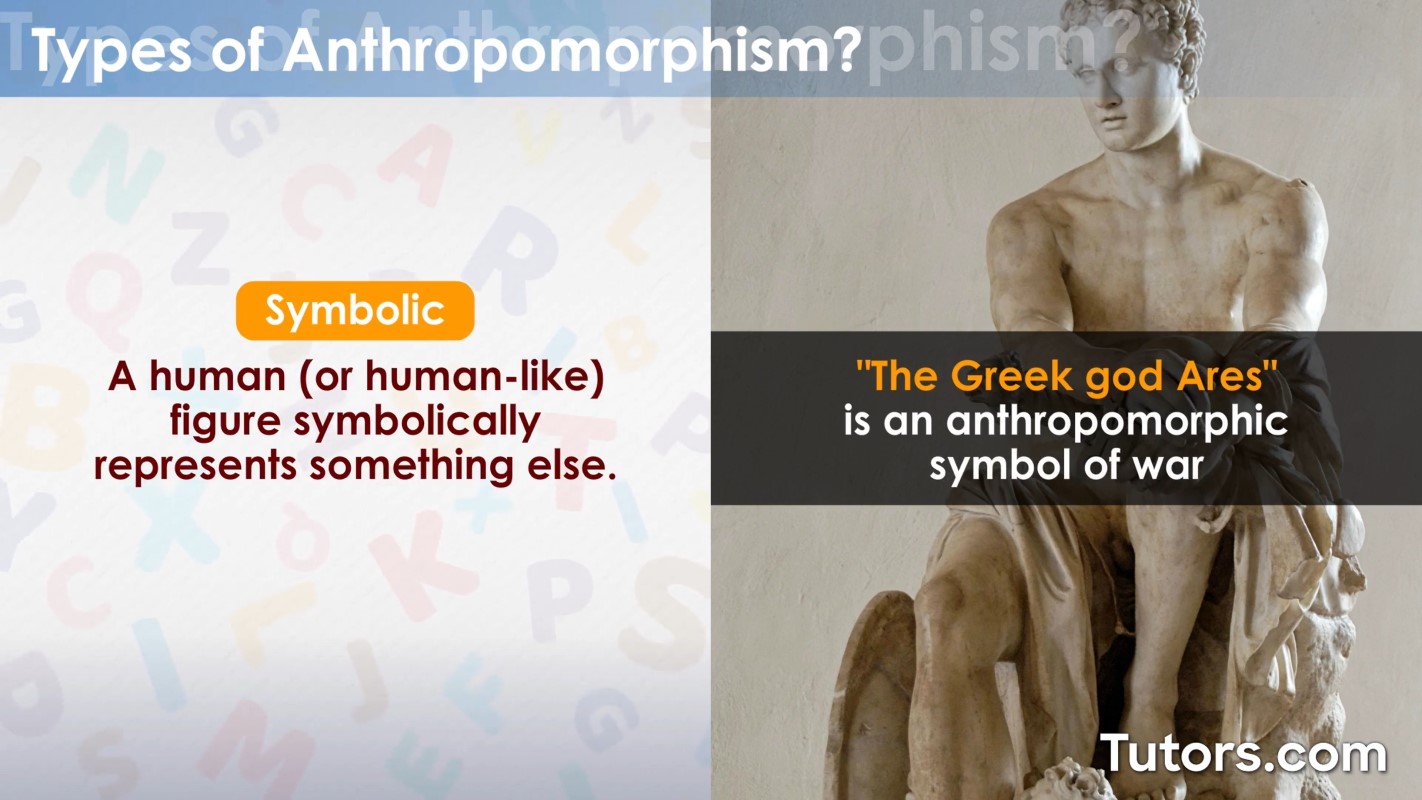
What if the next Shakespearean sonnet were penned not by a human hand, but by a neural network that has learned to mimic the cadence of a quill dipped in ink? What if the most poignant ode to a dying oak were composed by an algorithm that has never felt the rough bark beneath its fingers, yet understands the weight of loss in a way that resonates with our collective grief? Anthropomorphism—the attribution of human traits to non-human entities—has long been a cornerstone of poetic expression, but as artificial intelligence and digital culture evolve, the boundaries between creator and creation blur in ways that challenge the very essence of what it means to write, to feel, and to be understood. The future of anthropomorphism in modern poetry is not merely a question of style; it is a provocative interrogation of agency, authenticity, and the soul of language itself.
The Allure of the Inanimate: When Objects Begin to Speak
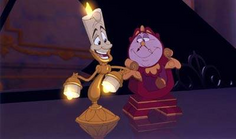
Poetry has always thrived on the uncanny, the moment when the inanimate stirs with life. From Keats’ “Ode on a Grecian Urn” to Sylvia Plath’s personification of the moon as a “sick woman,” poets have long treated the world as a stage where objects, animals, and even abstractions perform human dramas. But what happens when the objects themselves start to write the script? In an era where AI can generate poetry that mimics the emotional depth of human verse, the act of anthropomorphism takes on a new dimension. No longer confined to the poet’s imagination, the teapot, the subway train, or the forgotten sock in the laundry hamper may soon narrate their own existence in verse.
Consider the potential of a poem titled “The Ballad of the Abandoned Coffee Mug.” Written by an AI trained on centuries of lyrical tradition, it could weave a tale of neglect, resilience, and the quiet dignity of a vessel that once cradled warmth. The challenge, however, lies in the authenticity of the emotion. Can an algorithm truly convey the bittersweet nostalgia of a mug left behind on a desk, or is it merely performing a convincing facsimile of human feeling? The poet’s dilemma becomes the reader’s quandary: when the lines between human and machine blur, how do we discern the genuine from the generated?
AI as the New Muse: Collaboration or Co-optation?
The rise of AI in creative fields has sparked a heated debate: Is artificial intelligence a tool, a collaborator, or a usurper? In poetry, where the personal and the universal intertwine, this question becomes particularly fraught. If a poet uses an AI to refine their drafts, are they enhancing their voice or outsourcing their soul? The future of anthropomorphism may hinge on this tension—will AI become the poet’s silent partner, whispering suggestions in the margins of a draft, or will it emerge as a rival voice, one that speaks with eerie precision but lacks the messy, unpredictable spark of human experience?
Imagine a poet feeding lines into an AI and receiving back a stanza that personifies a dying star as a “lonely sentinel of the void,” its syntax so polished it feels inevitable. The poet must then decide: Is this the collaboration of two minds, or has the AI, in its vast statistical learning, stumbled upon a truth no human has articulated? The challenge here is not technical but philosophical. If poetry is, at its core, an attempt to articulate the ineffable, can a machine that does not “feel” truly contribute to that endeavor, or is it merely a sophisticated parrot, repeating patterns without comprehension?
The Ethics of Giving Voice: Who Speaks for the Non-Human?
Anthropomorphism is not without its ethical pitfalls. When a poet gives voice to a tree, a river, or a storm, they risk speaking *for* rather than *with* the entity they personify. This act of ventriloquism can either illuminate the silences of the natural world or drown them in the poet’s own projections. As AI enters the fray, the stakes grow higher. If an algorithm generates a poem from the perspective of a melting glacier, is it amplifying the urgency of climate change, or is it reducing a complex ecological crisis to a simplistic narrative of sorrow?
The challenge intensifies when we consider the power dynamics at play. Who controls the narrative when the non-human entity is given a voice? In a world where corporations and governments deploy AI to shape public perception, could anthropomorphic poetry become a tool of manipulation? A poem about a “lonely algorithm” might tug at heartstrings, but it could also obscure the real-world consequences of unchecked technological expansion. The future of this art form may require a new ethical framework—one that asks not just what can be personified, but who benefits from the act of personification.
The Aesthetic of the Uncanny: When Poetry Feels Too Real
One of the most intriguing possibilities in the future of anthropomorphic poetry is the rise of the uncanny valley in verse. Just as robots with near-human faces unsettle us, poetry that toes the line between human and machine-generated emotion may evoke a similar discomfort. A poem that reads like a human’s heartbreak but is revealed to be the output of an AI could leave readers questioning the authenticity of their own responses. Is the poem moving because it is genuine, or because it has been engineered to trigger a specific emotional response?
This aesthetic tension could give birth to a new subgenre: poetry that deliberately blurs the line between human and machine. Imagine a collection where each poem is tagged with a “humanity score,” indicating the likelihood that it was written by a person. Readers might find themselves drawn to the raw, imperfect lines of a human-authored verse, only to realize that the “flaws” were intentional—a rebellion against the cold precision of algorithmic perfection. The challenge, then, is to create poetry that embraces imperfection not as a flaw, but as a testament to the messy, unpredictable nature of human existence.
The Reader’s Role: Decoding the New Anthropomorphism
As anthropomorphism in poetry evolves, so too must the reader’s role. No longer a passive consumer of emotion, the reader becomes a detective, a skeptic, and sometimes, a willing participant in the illusion. The future of this art form may lie in interactive poetry—works that adapt based on the reader’s responses, or even poems that evolve over time as AI models are retrained on new data. In such a landscape, the act of reading becomes a dialogue, a negotiation between the poet’s intent and the reader’s interpretation.
The challenge here is one of trust. In a world saturated with deepfakes and synthetic media, how can readers trust that the emotion they feel is real? Poetry has always relied on a compact of sincerity between writer and reader, but in the age of AI, that compact may need to be renegotiated. Perhaps the solution lies in embracing the ambiguity. A poem that could be human or machine might not provide answers, but it could provoke a deeper engagement with the question of what it means to feel—and to be felt.
Conclusion: A Future Written in Ink and Algorithms
The future of anthropomorphism in modern poetry is a landscape of both promise and peril. It offers the tantalizing possibility of voices that have never been heard before—rivers that sing, stars that mourn, and algorithms that dream. Yet it also demands a reckoning with the ethical, aesthetic, and philosophical implications of giving voice to the voiceless. As poets, readers, and creators, we stand at the threshold of a new era, one where the boundaries between human and machine, between genuine and generated, are no longer fixed.
The challenge is not merely to write poems that personify the non-human, but to do so with intention, with humility, and with a willingness to confront the questions that arise when the lines between creator and creation dissolve. The future of anthropomorphic poetry may not be a world where machines replace poets, but one where they challenge us to redefine what poetry—and humanity—can be.