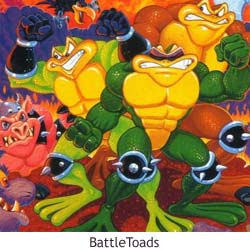
The art of anthropomorphism—the attribution of human traits, emotions, or intentions to non-human entities—has long captivated audiences across cultures and generations. In the realm of cartoons, this technique transcends mere whimsy, evolving into a powerful medium for storytelling, satire, and emotional resonance. Whether through the mischievous antics of talking animals, the sentient machines of sci-fi lore, or the inanimate objects brought to life, anthropomorphic cartoons offer a unique lens through which we explore the human condition. This article delves into the rich tapestry of anthropomorphic cartoons, examining their historical roots, thematic diversity, and enduring appeal. From the whimsical to the profound, these creations invite us to see the world—and ourselves—through a playful yet insightful gaze.
The Evolution of Anthropomorphism in Animation: From Folklore to the Digital Age
The lineage of anthropomorphic cartoons stretches back centuries, intertwined with folklore, mythology, and oral traditions. Ancient fables, such as Aesop’s tales, often featured animals embodying human virtues and vices, laying the groundwork for later animated works. The 20th century witnessed a seismic shift with the advent of animation as a mass medium. Walt Disney’s Mickey Mouse and Warner Bros.’ Bugs Bunny became iconic symbols of this era, blending humor with subtle social commentary. As technology advanced, so did the complexity of anthropomorphic characters. The 1980s and 1990s saw a surge in anime like Saint Seiya and Sailor Moon, where celestial beings and magical girls grappled with human dilemmas. Today, the digital revolution has democratized creation, allowing independent artists to craft nuanced narratives featuring everything from sentient household appliances to cosmic entities. This evolution reflects humanity’s enduring fascination with blurring the lines between the self and the other.

Whimsical Worlds: The Playful Side of Anthropomorphic Cartoons
At its heart, anthropomorphism thrives in the realm of the absurd and the fantastical. Cartoons like Adventure Time and The Amazing World of Gumball revel in the joy of the uncanny, where a sentient ice king rules a post-apocalyptic wasteland or a talking rabbit navigates the trials of middle school. These stories often employ vibrant, surreal aesthetics to amplify their charm, using color palettes and character designs that defy reality. The humor in such works is multifaceted—ranging from slapstick gags to dry wit—while the narratives frequently explore themes of friendship, identity, and resilience. The best of these cartoons balance silliness with sincerity, ensuring that even the most outlandish scenarios resonate emotionally. For instance, Steven Universe blends levity with poignant storytelling, as its gem-based protagonists grapple with themes of love and loss. The playful side of anthropomorphism thus serves as a gateway to deeper reflections, all while keeping audiences thoroughly entertained.
Dark and Twisted: Anthropomorphism as a Lens for the Macabre
Not all anthropomorphic cartoons are bathed in sunshine and rainbows. Some of the most compelling works in the genre delve into darker territories, using the guise of the non-human to explore taboo subjects or existential dread. Shows like Rick and Morty and Invader Zim wield anthropomorphism as a tool for satire, skewering human folly with absurdist humor and grotesque visuals. In these narratives, characters often embody humanity’s worst traits—greed, vanity, and cruelty—rendered in exaggerated, often unsettling forms. The 2019 series Undone takes this further, using rotoscoping to blur the line between reality and hallucination, with its protagonist’s psychedelic visions serving as a metaphor for mental health struggles. Even classic works like Courage the Cowardly Dog blend whimsy with horror, where a timid dog confronts Lovecraftian nightmares. These cartoons remind us that anthropomorphism isn’t merely a vehicle for joy; it’s also a mirror held up to our darkest fears and societal ills.
Educational and Moral Tales: Anthropomorphism in Children’s Media
Anthropomorphic cartoons have long been a staple of children’s entertainment, but their role extends far beyond mere amusement. Educational shows like Peppa Pig and Daniel Tiger’s Neighborhood use simple, relatable characters to teach social skills, emotional regulation, and problem-solving. The key to their success lies in the relatability of the characters—whether it’s a pig learning to share or a tiger navigating sibling rivalry. These cartoons often employ repetition and gentle humor to reinforce lessons, making complex ideas accessible to young minds. Meanwhile, series like Avatar: The Last Airbender and The Dragon Prince weave anthropomorphism into epic narratives, where elemental spirits and mythical creatures embody philosophical concepts like balance, justice, and redemption. By personifying abstract ideas, these stories foster critical thinking and empathy in their audience. The educational power of anthropomorphism lies in its ability to transform the mundane into the magical, turning lessons into adventures.
Cultural and Social Commentary: Anthropomorphism as Satire and Critique
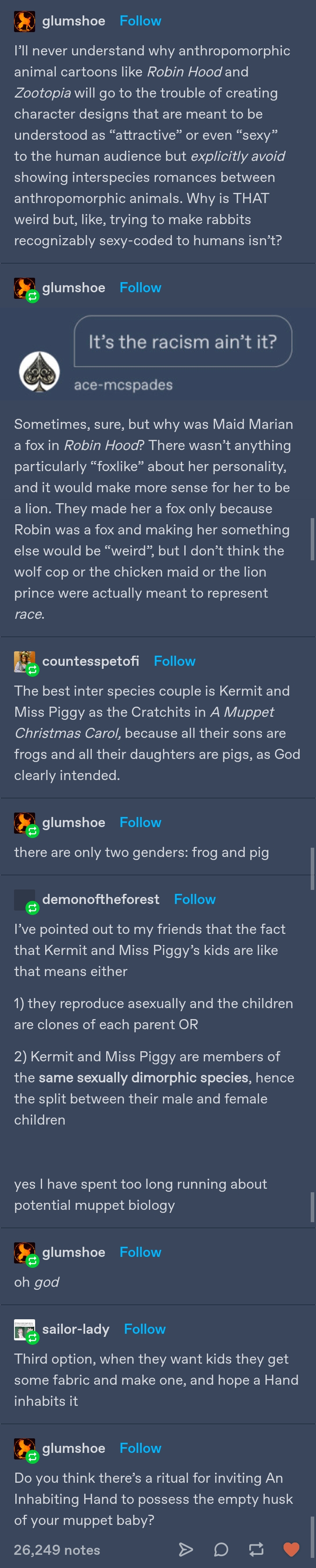
Anthropomorphic cartoons have a storied history as vehicles for social and political commentary. From George Orwell’s Animal Farm to modern animated series like BoJack Horseman, these works use the guise of the non-human to critique power structures, capitalism, and societal norms. BoJack Horseman, in particular, stands out for its unflinching exploration of depression, fame, and redemption, all through the lens of a washed-up celebrity horse. The show’s anthropomorphic characters—ranging from a narcissistic actor to a self-loathing cat—serve as allegories for the human condition, allowing the series to tackle heavy themes with both humor and pathos. Similarly, Arcane reimagines the world of League of Legends through a steampunk lens, using its dual protagonists to explore class struggle and systemic oppression. These cartoons prove that anthropomorphism isn’t just a stylistic choice; it’s a potent tool for dissecting the complexities of the modern world.
The Future of Anthropomorphism: AI, Virtual Reality, and Beyond
As technology continues to advance, the boundaries of anthropomorphic storytelling are being pushed further than ever before. Artificial intelligence is enabling the creation of dynamic, responsive characters that evolve based on user interaction, as seen in interactive narratives like Detroit: Become Human. Virtual reality (VR) and augmented reality (AR) are also opening new frontiers, allowing audiences to step into the shoes of anthropomorphic entities in immersive environments. Imagine exploring a city populated by sentient streetlights or solving puzzles alongside a team of robotic companions in a fully realized 3D world. The rise of indie creators on platforms like YouTube and Patreon has further democratized the genre, giving rise to experimental works that blend animation with live-action, motion capture, and even AI-generated art. These innovations suggest that the future of anthropomorphism lies not just in static images or linear narratives, but in interactive, ever-evolving experiences that blur the line between creator and audience.

The enduring appeal of anthropomorphic cartoons lies in their ability to reflect, distort, and reimagine the world around us. Whether through the lens of humor, horror, education, or social critique, these stories invite us to see the familiar in the unfamiliar—and the human in the non-human. As technology and storytelling techniques continue to evolve, the genre shows no signs of stagnation. Instead, it promises to push the boundaries of creativity, offering new ways to explore the human experience through the eyes of the extraordinary. For creators and audiences alike, anthropomorphic cartoons remain a boundless playground—one where the only limit is the imagination.