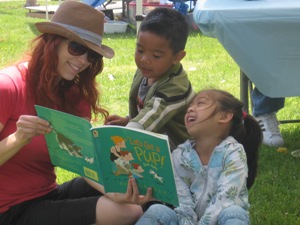
Why do children’s stories so often feature talking animals? It’s a question that dances on the edge of innocence and imagination, a playful paradox that invites us to consider what these chattering creatures truly represent. At first glance, they seem like simple devices—whimsical tools to entertain young readers. Yet, beneath their fur and feathers lies a deeper purpose, one that shapes how children perceive the world, morality, and even themselves.
The Allure of the Anthropomorphic: Why Animals Wear Human Words
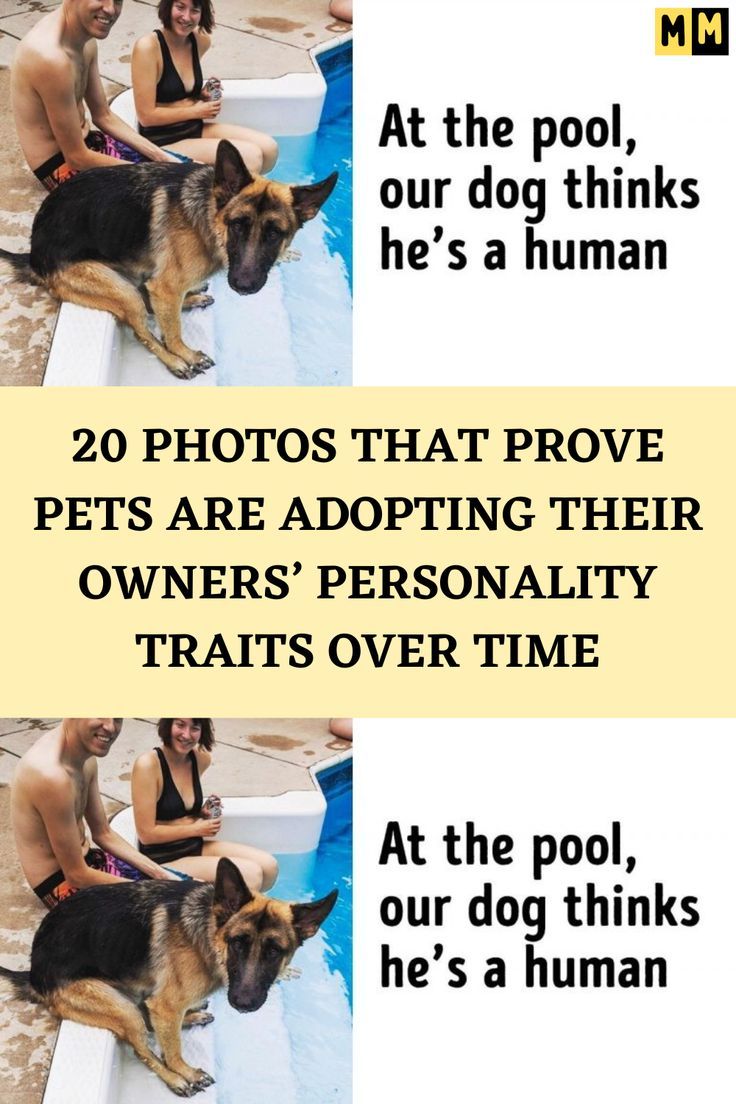
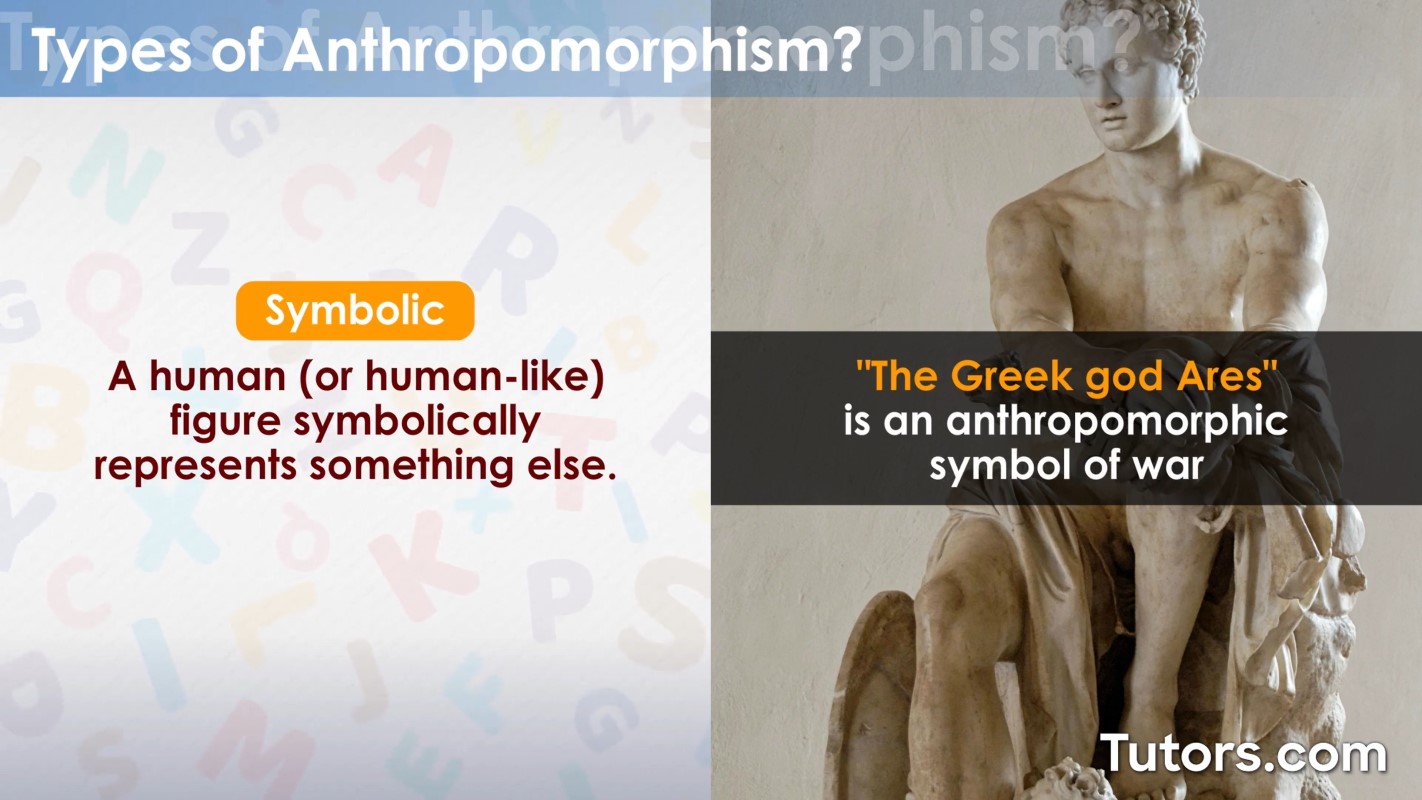
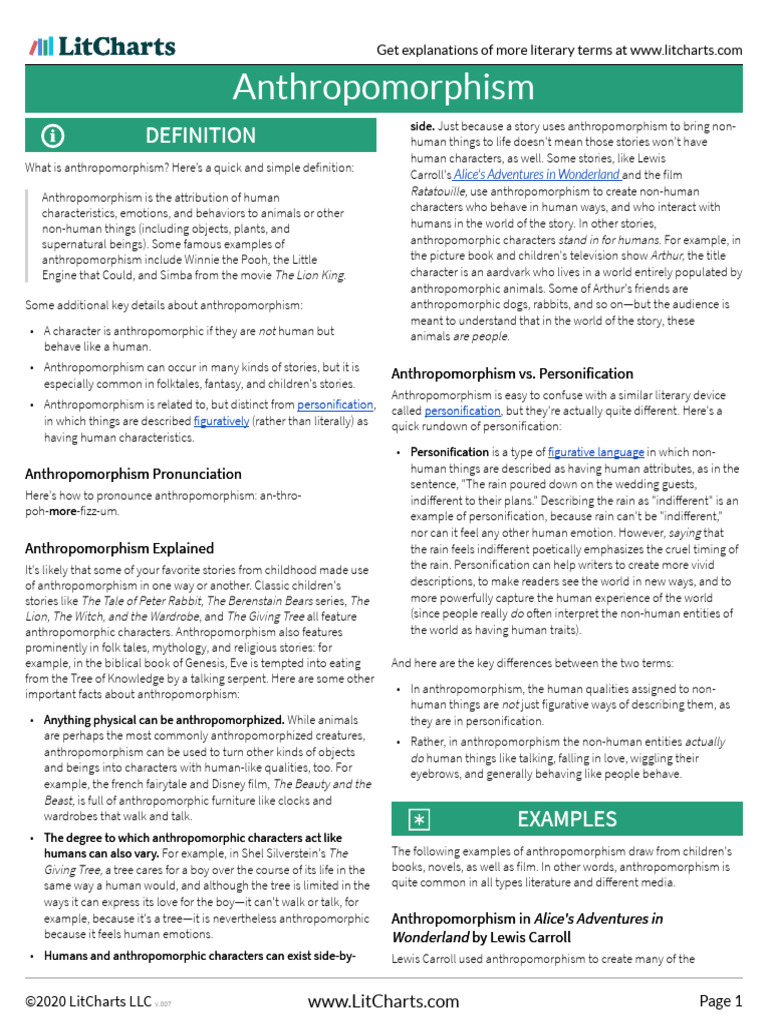
Children’s stories frequently cloak animals in human language, not merely to amuse but to forge an immediate connection. A fox that speaks in riddles or a bear that dispenses wisdom does more than entertain; it bridges the gap between the familiar and the fantastical. This anthropomorphism—bestowing human traits upon non-human entities—serves as a cognitive bridge. For a child, a talking rabbit is no longer just a creature hopping through the underbrush; it becomes a companion, a confidant, a teacher. The animal’s voice transforms it from an object of observation into a participant in the child’s emotional landscape.
Consider the fox in Fantastic Mr. Fox, whose cunning and charm make him more than just a predator. His dialogue turns him into a roguish hero, blurring the lines between species and sparking a child’s curiosity about the natural world. This technique isn’t confined to literature; it thrives in animation, where characters like Simba or Bambi don’t just move—they converse, they emote, they live in a world where language is the great equalizer.
The Moral Compass in Fur and Feathers: Teaching Through Fable
Talking animals are often the keepers of moral lessons, their stories functioning as modern-day fables. Aesop’s ancient tales endure because they distill complex virtues into digestible narratives, and children’s literature carries this tradition forward. A greedy wolf, a wise old owl, or a loyal dog—each embodies a trait that a child can recognize, emulate, or reject. The animal’s voice becomes a vessel for ethical exploration, allowing abstract concepts like honesty or bravery to take on tangible form.
Take, for instance, the tortoise and the hare. The hare’s boastful chatter contrasts with the tortoise’s quiet determination, illustrating the perils of arrogance. The animal’s dialogue isn’t just dialogue; it’s a mirror held up to human behavior, refracted through the lens of nature. This method of storytelling transforms morality from a lecture into an adventure, where the consequences of actions are played out in a world where animals speak—and thus, where children listen.
The Challenge of Authenticity: When Talking Animals Stray Too Far
Yet, this narrative device is not without its pitfalls. The line between enchanting and unsettling can blur when animals are given voices that feel too human, too contrived. A talking squirrel reciting Shakespeare might amuse, but a bear discussing quantum physics risks jarring the suspension of disbelief. The challenge lies in balancing anthropomorphism with authenticity—ensuring the animal’s voice feels organic to its species, even as it speaks.
Consider the uncanny valley of children’s media: a cartoon dog with human mannerisms can be endearing, but one that mimics adult speech patterns too closely may feel disconcerting. The key is subtlety. A meerkat’s dry wit or a badger’s gruff pragmatism can charm without veering into the surreal. The danger isn’t in giving animals voices; it’s in making those voices feel like a betrayal of their nature. When done poorly, the effect is less whimsy and more whiplash—a child’s wonder replaced by confusion.
Cultural Echoes: How Talking Animals Reflect Societal Values
The prevalence of talking animals in children’s stories isn’t merely a literary quirk; it’s a cultural artifact. Different societies have used these creatures to encode their values, fears, and aspirations. In Native American folklore, animals often serve as tricksters or guides, embodying the wisdom of the natural world. European fairy tales, meanwhile, frequently feature talking beasts as omens or moral arbiters. These narratives aren’t just stories—they’re a child’s first introduction to the symbolic language of culture.
Even in contemporary media, talking animals often reflect societal anxieties. A dystopian tale where animals rebel against humans might mirror concerns about environmental degradation. A gentle giant like the Big Friendly Giant could symbolize the overlooked kindness in a harsh world. These stories become more than entertainment; they’re a child’s primer on interpreting the world through metaphor, where a fox’s cunning or a deer’s gentleness carries weight beyond the page.
The Psychological Appeal: Why Kids (and Adults) Love to Listen
There’s a psychological undercurrent to the appeal of talking animals, one rooted in the way children process the world. Young minds are still learning to navigate emotions, and animals—with their exaggerated expressions and behaviors—provide a safe, controlled environment for emotional exploration. A lion’s roar might represent anger; a rabbit’s timid whisper, fear. When these creatures speak, they give voice to feelings that a child might struggle to articulate themselves.
Moreover, the act of listening to an animal converse can feel like a secret pact between the child and the storyteller. It’s an invitation into a world where the rules are different, where the ordinary becomes extraordinary. This escapism isn’t frivolous; it’s a vital part of cognitive development, allowing children to experiment with identity, morality, and consequence in a space where failure is temporary and consequences are fictional.
The Future of Chattering Creatures: Evolution in a Digital Age
As storytelling evolves, so too does the role of talking animals. In an era of interactive media and AI-generated content, these characters are no longer confined to static pages. Voice assistants, animated series, and even video games now feature animals that speak, respond, and adapt. This shift raises new questions: Can a digital fox truly engage a child’s imagination, or does the lack of physical presence diminish the magic? The challenge for creators is to ensure that these new forms of anthropomorphism retain the warmth and wonder of their traditional counterparts.
Yet, the core appeal remains unchanged. Whether inked on paper or rendered in pixels, talking animals continue to captivate because they offer something fundamental: a way to make sense of the world. They are the storyteller’s alchemy, turning the mundane into the magical, the inanimate into the conversational. In their chatter, children find echoes of their own voices—and in that reflection, they begin to understand not just the animals, but themselves.