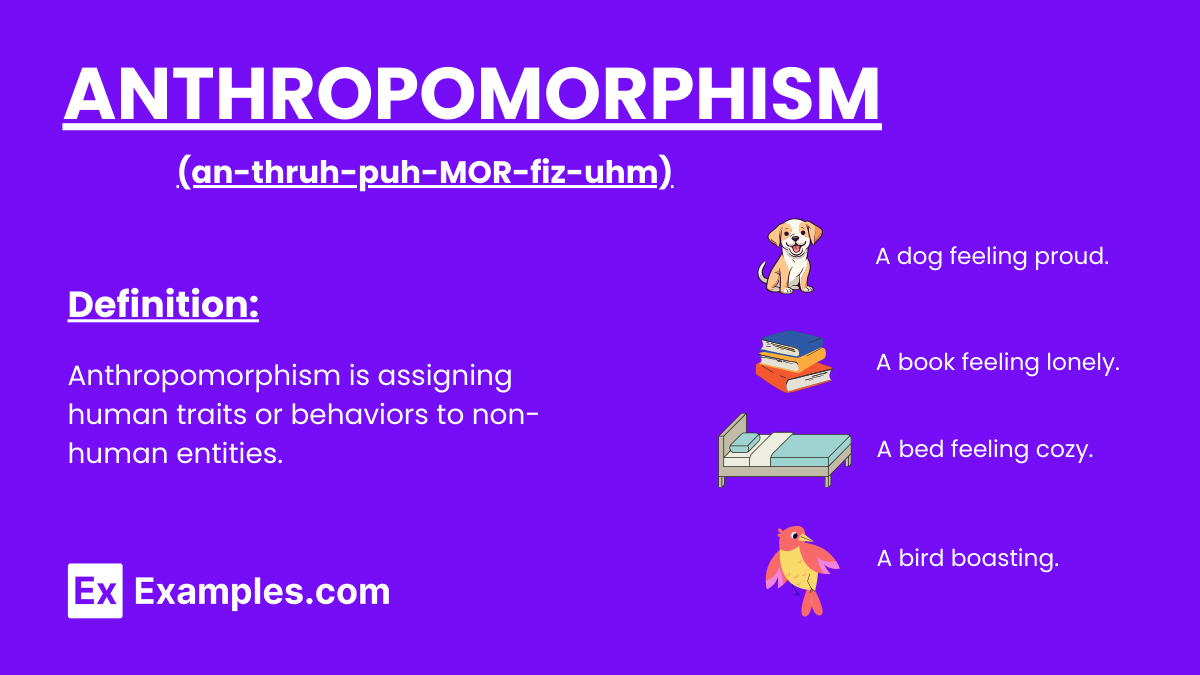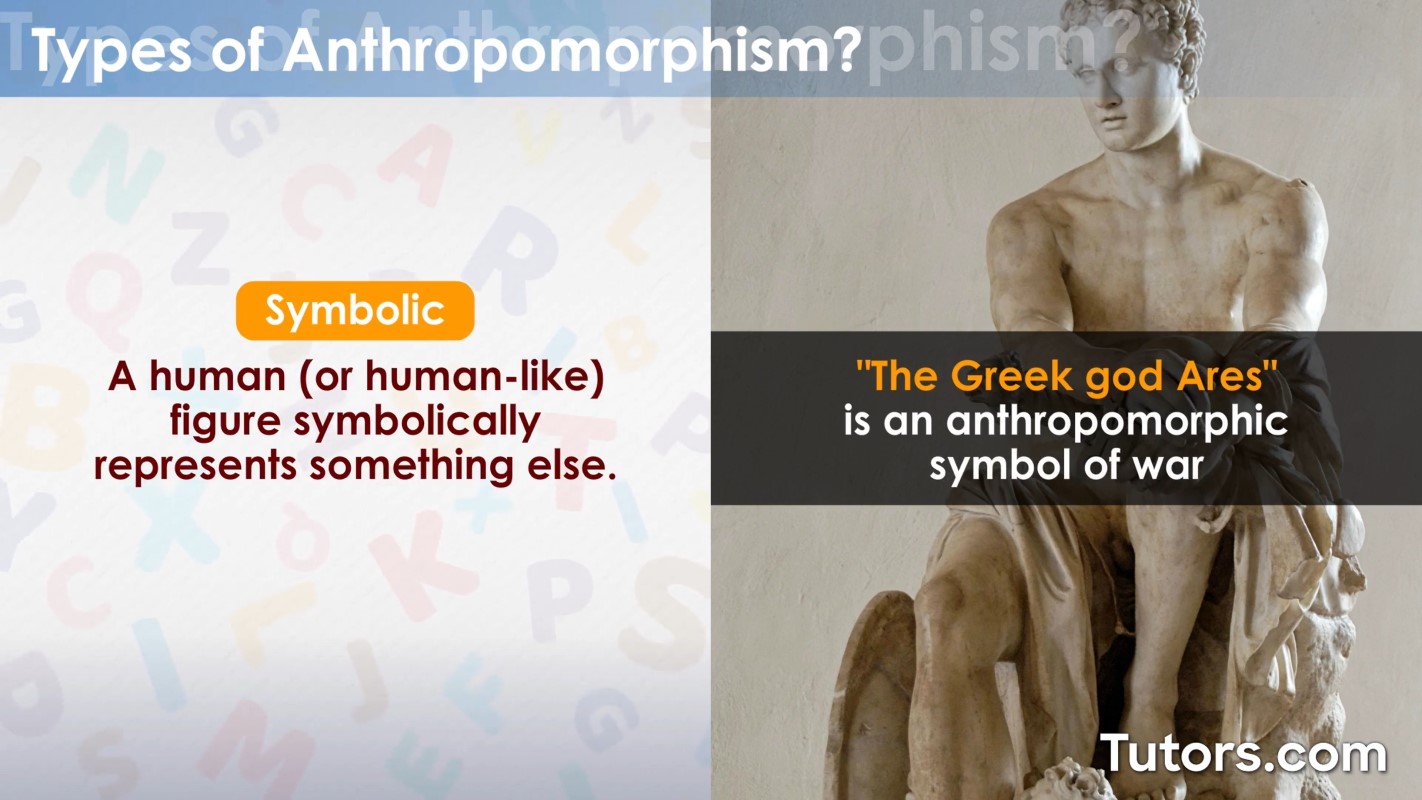
In the grand tapestry of literature, few threads weave as intricately through the fabric of human experience as anthropomorphism—the art of imbuing non-human entities with human traits, emotions, and motivations. This literary device, far from being a mere stylistic flourish, serves as a mirror held up to the societies that create it. Through the lens of anthropomorphism, cultures articulate their deepest values, fears, and aspirations, transforming animals, objects, and even abstract concepts into vessels of collective meaning. To explore this phenomenon is to embark on a journey through the collective psyche of humanity, where the boundaries between the human and the non-human blur, revealing truths that might otherwise remain obscured.
The Mirror of the Human Soul: Animals as Cultural Emissaries
Animals have long been the favored subjects of anthropomorphic storytelling, their forms and behaviors serving as allegories for human virtues and vices. In ancient fables, the cunning fox outwits the naive crow, while the steadfast tortoise outpaces the overconfident hare. These narratives are not merely entertainments; they are encoded moral lessons, reflections of the cultural priorities that shape a society. The fox, with its sly intelligence, might symbolize the value placed on cunning in a warrior culture, while the tortoise’s perseverance could embody the virtues of patience and humility in a agrarian society. Through these stories, cultures externalize their ethical frameworks, allowing readers to see themselves—and their societal norms—reflected in the actions of creatures that, in reality, operate by entirely different instincts.
Consider the reverence for the lion in many African cultures, where it is often depicted as a noble leader or a just ruler. This anthropomorphic portrayal is not a random embellishment but a deliberate elevation of traits deemed essential to leadership—strength, courage, and magnanimity. Conversely, the serpent in Western mythology, often cast as a tempter or deceiver, reflects a cultural distrust of the unknown and the seductive. These narratives, passed down through generations, become more than stories; they are the living archives of cultural identity, their anthropomorphic characters serving as bridges between the human and the divine, the known and the feared.

Objects and Abstractions: The Personification of the Inanimate
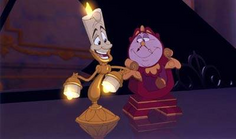
Anthropomorphism extends beyond the animal kingdom, breathing life into inanimate objects and abstract concepts that shape the human experience. The wind that whispers through the trees, the river that carves its path through the land, or the sun that relentlessly pursues its daily journey across the sky—all become characters in a grand narrative of nature’s agency. This personification is not mere poetic license; it is a reflection of humanity’s need to impose order and meaning on the chaotic forces of the natural world. When a culture personifies the sea as a vengeful deity or the earth as a nurturing mother, it reveals its relationship with the environment—whether one of reverence, fear, or exploitation.
In Japanese literature, for instance, the concept of mono no aware—the pathos of things—finds expression in the anthropomorphic portrayal of objects like cherry blossoms or autumn leaves. These entities are not passive; they are imbued with a fleeting beauty that mirrors the transience of human life. Such narratives compel readers to confront the impermanence of existence, a cultural preoccupation in societies deeply attuned to the cycles of nature. Similarly, in Western literature, the personification of Death as a skeletal figure with a scythe transforms an abstract inevitability into a tangible, almost theatrical presence. This anthropomorphic Death is not merely a harbinger of doom; it is a cultural construct that frames humanity’s relationship with mortality, whether through fear, acceptance, or defiance.
The Subversive Power of Anthropomorphism: Challenging Societal Norms
While anthropomorphism often reinforces cultural values, it also possesses a subversive edge, allowing writers to critique societal norms from the vantage point of the non-human. By placing human flaws and follies in the mouths of animals or objects, literature can expose hypocrisy, injustice, and inequality in ways that direct critique cannot. George Orwell’s Animal Farm, where barnyard animals stage a revolution against their human oppressors, is a masterclass in this technique. The pigs, who initially champion equality, gradually succumb to the same tyranny they sought to overthrow, their anthropomorphic traits laying bare the corrupting nature of power. This narrative device forces readers to confront uncomfortable truths about their own societies, using the guise of fiction to bypass the defenses that might otherwise shield them from self-examination.
In feminist literature, anthropomorphism has been wielded to challenge patriarchal structures. Consider the Greek myth of Pandora, whose curiosity unleashes chaos upon the world. By framing Pandora as a woman, the myth subtly shifts blame from the gods to human (and specifically female) nature, reinforcing the cultural trope of women as vessels of temptation. Yet, when modern retellings reimagine Pandora as a figure of empowerment—her box not a curse but a catalyst for human progress—the anthropomorphic narrative becomes a tool for redefining cultural values. Through such reinterpretations, literature does not merely reflect society; it actively reshapes it, offering new perspectives that challenge the status quo.
The Evolution of Anthropomorphism: From Myth to Modernity
The role of anthropomorphism in literature has evolved alongside human civilization, adapting to the shifting landscapes of cultural values and technological advancements. In ancient oral traditions, anthropomorphic tales served as mnemonic devices, making complex moral lessons accessible to communities where literacy was not widespread. As societies grew more complex, so too did their narratives. The medieval bestiaries, which blended zoological observation with moral allegory, reflected the medieval worldview, where the natural and supernatural were intertwined. Today, anthropomorphism thrives in genres as diverse as science fiction and children’s literature, where robots, aliens, and even sentient plants become mirrors for human anxieties about technology, otherness, and environmental stewardship.
The digital age has given rise to a new form of anthropomorphism, where artificial intelligence and virtual entities are imbued with human-like traits. From the sassy chatbot to the empathetic AI companion, these creations reflect contemporary cultural preoccupations with connection, ethics, and the boundaries between the human and the machine. In this context, anthropomorphism is not just a literary device but a philosophical inquiry—what does it mean to be human in an era where our creations increasingly mimic us? The answers, as always, are encoded in the stories we tell, the traits we project, and the values we choose to see reflected in the non-human.
Conclusion: The Enduring Dialogue Between Culture and Character
Anthropomorphism in literature is far more than a stylistic quirk; it is a dynamic dialogue between a culture and its collective imagination. Through the guise of the non-human, societies explore their deepest fears, highest ideals, and most pressing questions. Whether through the noble lion of African folklore or the rebellious animals of Animal Farm, these narratives serve as both a lens and a mirror, refracting the complexities of human existence into stories that resonate across generations. To study anthropomorphism is to study humanity itself—to see how we project our souls onto the world around us, and in doing so, how we come to understand what it means to be human.