What if the gods of antiquity were not distant, unknowable forces but rather beings who walked, talked, and emulated humanity in every conceivable way? This is the essence of anthropomorphism—the attribution of human traits, emotions, and behaviors to non-human entities—and nowhere is its influence more vividly displayed than in the mythologies of ancient Greece and Rome. These civilizations didn’t just tell stories; they breathed life into their deities, endowing them with personalities as complex and contradictory as those found in any mortal. But why did they do this? And what challenges did this human-like portrayal of the divine pose for their religious and cultural worldviews?
The Divine in Human Form: Why the Gods Took on Human Faces
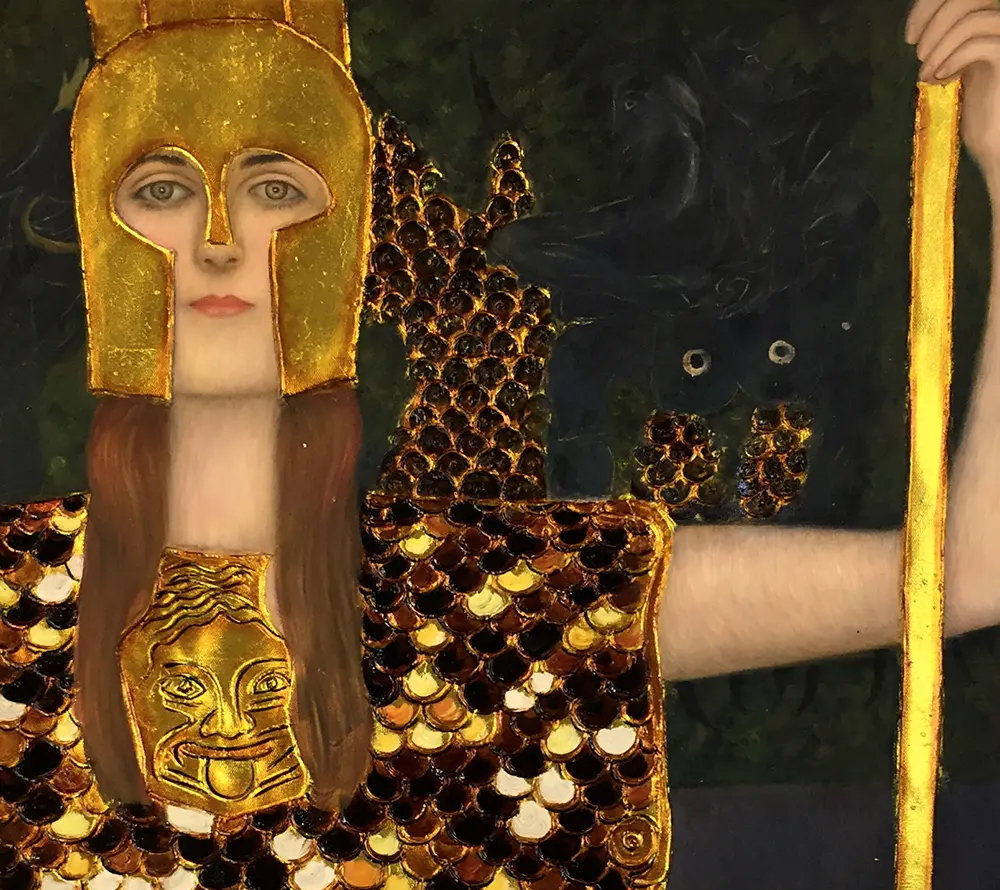
In the grand tapestry of Greek and Roman mythology, the gods were not abstract concepts but vivid characters who dined, schemed, fell in love, and even bled like mortals. Zeus, the thunder-wielding king of Olympus, was as prone to wrath as he was to seduction; Athena, the goddess of wisdom, could be both a strategic genius and a vengeful adversary. This deliberate humanization served a dual purpose. First, it made the divine relatable. By embodying gods in human form, the ancients could grapple with existential questions—why do we suffer? How do we find meaning?—through narratives that mirrored their own lives. Second, it provided a moral framework. The gods’ flaws and virtues became cautionary tales, illustrating the consequences of hubris, jealousy, and piety.
Yet, this anthropomorphic approach was not without its paradoxes. If the gods were so human, were they truly divine? Or were they merely magnified reflections of mortal frailty? The tension between the sacred and the secular became a recurring theme, challenging believers to reconcile the idealized perfection of the divine with its all-too-human imperfections.
Emotions as Divine Currency: The Power of Passion and Wrath
The gods of Greece and Rome were not stoic figures of detachment; they were emotional powerhouses whose feelings dictated the fate of mortals. Aphrodite’s jealousy could spark wars; Poseidon’s rage could drown entire cities. This emotional dynamism served a narrative function, driving plots forward with the same intensity as any human drama. But it also reflected a deeper truth: the ancients understood that emotions were not weaknesses but forces of nature, as unpredictable and potent as the storms the gods themselves commanded.
Consider the myth of Hera, whose wrath against Zeus’ lovers was legendary. Her vengeance was not merely petty—it was a cosmic force, reshaping destinies and punishing entire bloodlines. This portrayal underscored the idea that emotions were not just personal but universal, binding gods and mortals in a shared experience of joy, sorrow, and fury. Yet, it also posed a challenge: if the gods were subject to such volatile passions, how could they be trusted as arbiters of justice or guardians of order?
Myth as Mirror: Reflecting Human Struggles Through Divine Lenses
Anthropomorphism in mythology was more than a storytelling device; it was a philosophical tool. By projecting human struggles onto the divine, the ancients could explore themes like free will, fate, and morality without the constraints of realism. The myth of Prometheus, who defied Zeus to bring fire to humanity, is a case in point. His punishment—eternal torment—raises questions about sacrifice, rebellion, and the cost of progress. These stories were not just entertainment; they were a way to grapple with the human condition.
But this mirroring effect also introduced a paradox. If the gods’ struggles mirrored humanity’s, did that mean the divine was merely a projection of human desires and fears? Or was there something more transcendent at play? The tension between the immanent (human-like gods) and the transcendent (the ineffable divine) became a central dialectic in classical thought, one that would later influence everything from Renaissance art to modern psychology.
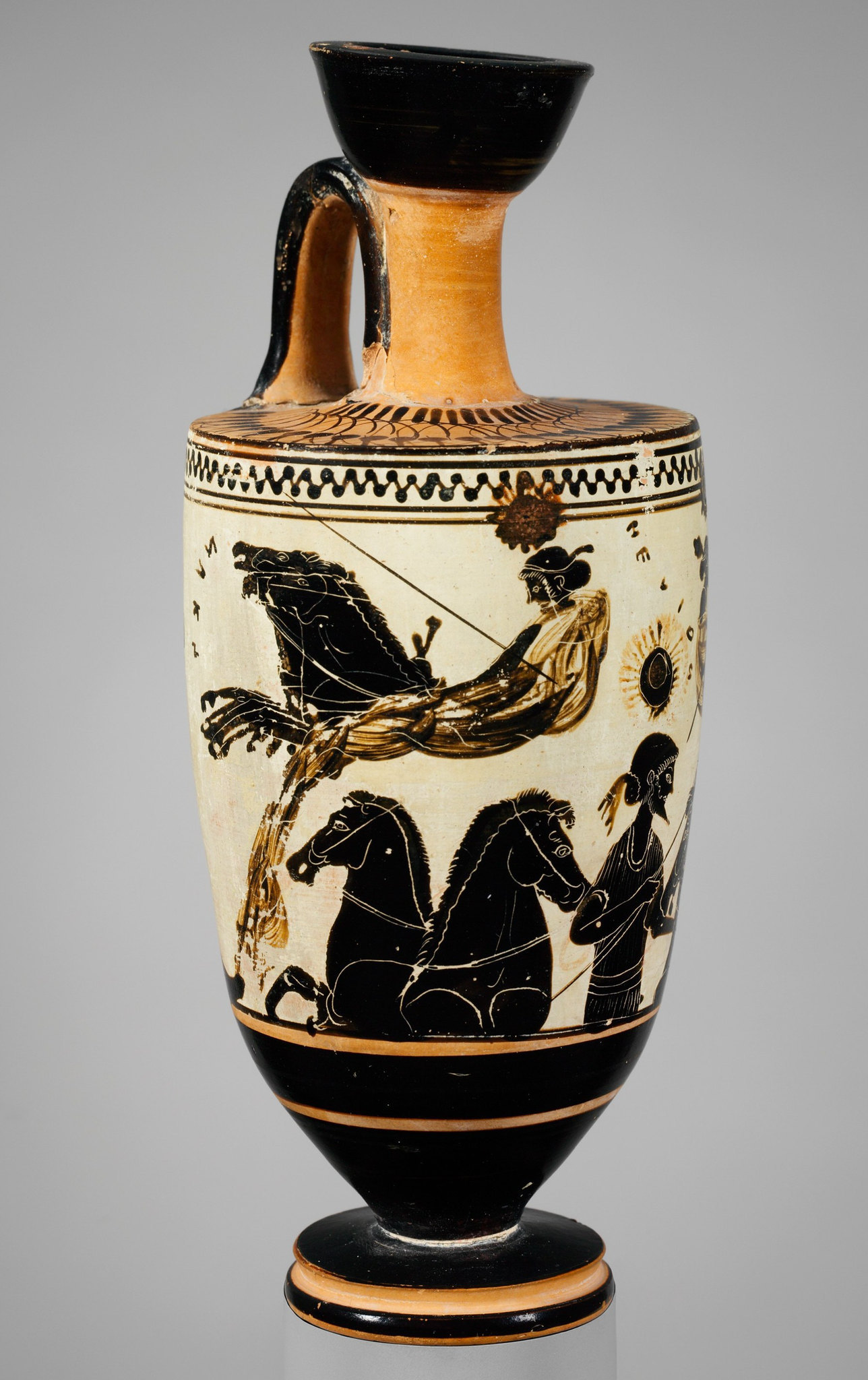
The Challenge of Divine Imperfection: Can Flawed Gods Still Be Worthy of Worship?
The anthropomorphic portrayal of gods inevitably led to a thorny question: if the gods were as flawed as humans, how could they be worthy of veneration? The Greeks and Romans grappled with this dilemma in various ways. Some myths emphasized the gods’ moral superiority despite their human-like flaws, while others framed their imperfections as part of a larger, incomprehensible plan. The story of Odysseus’ encounter with Poseidon, for instance, highlights the god’s vengeful nature but also underscores the hero’s resilience in the face of divine caprice.
This challenge extended beyond theology into the realm of ethics. If the gods could be petty, deceitful, or even cruel, what did that say about the nature of divinity itself? Some philosophers, like Plato, sought to reconcile this by positing a higher, more abstract form of the divine—one untouched by human passions. Yet, the enduring popularity of the anthropomorphic gods suggests that their flaws were not a bug but a feature, making them more relatable and, in some ways, more compelling than distant, perfect beings.
From Myth to Ritual: How Anthropomorphism Shaped Religious Practice
The humanization of the gods wasn’t confined to stories; it permeated religious rituals and practices. Temples were not just places of worship but stages where the divine drama unfolded. Priests and worshippers alike engaged in acts that mirrored human interactions—offering gifts, pleading for favors, or even reenacting mythical events. The festival of Dionysus, for example, involved ecstatic rituals that blurred the line between god and devotee, allowing participants to experience the divine through human emotion and physicality.
This ritualistic anthropomorphism had a profound impact on the social fabric of antiquity. It fostered a sense of intimacy with the divine, making the gods feel like neighbors rather than distant rulers. Yet, it also created a paradox: if the gods were so human, how could they inspire awe or demand reverence? The answer lay in the balance between familiarity and mystery. The gods might have human faces, but their powers remained beyond mortal comprehension, ensuring that the awe they inspired was never fully diminished.
The Legacy of Anthropomorphism: Echoes in Modern Thought
The influence of Greek and Roman anthropomorphism extends far beyond antiquity. From the Renaissance paintings of Botticelli, where Venus emerges from the sea with human grace, to modern superhero narratives that imbue gods and heroes with relatable flaws, the tradition of humanizing the divine persists. Even in contemporary spirituality, the idea of a personal, relatable god can be traced back to these ancient roots.
Yet, the challenge posed by anthropomorphism remains. In an age where science seeks to explain the universe through empirical means, the idea of gods who act like humans feels increasingly archaic. But perhaps that’s the point. Anthropomorphism reminds us that mythology is not about literal truth but about meaning. It’s a way to explore the ineffable through the tangible, the divine through the human. And in doing so, it invites us to ask: if the gods were once like us, what does that say about us—and about the stories we continue to tell?