In the ever-evolving landscape of digital advertising, a silent revolution is unfolding—one where brands are shedding their corporate facades to don the guise of relatable, almost sentient entities. This metamorphosis, known as anthropomorphism, is no longer a mere gimmick but a strategic imperative, reshaping how consumers perceive and interact with advertisements. As artificial intelligence and immersive technologies blur the lines between the digital and the human, the future of anthropomorphism in advertising promises to be as intriguing as it is transformative.
The Alchemy of Humanizing Brands: Why Anthropomorphism Captivates Audiences
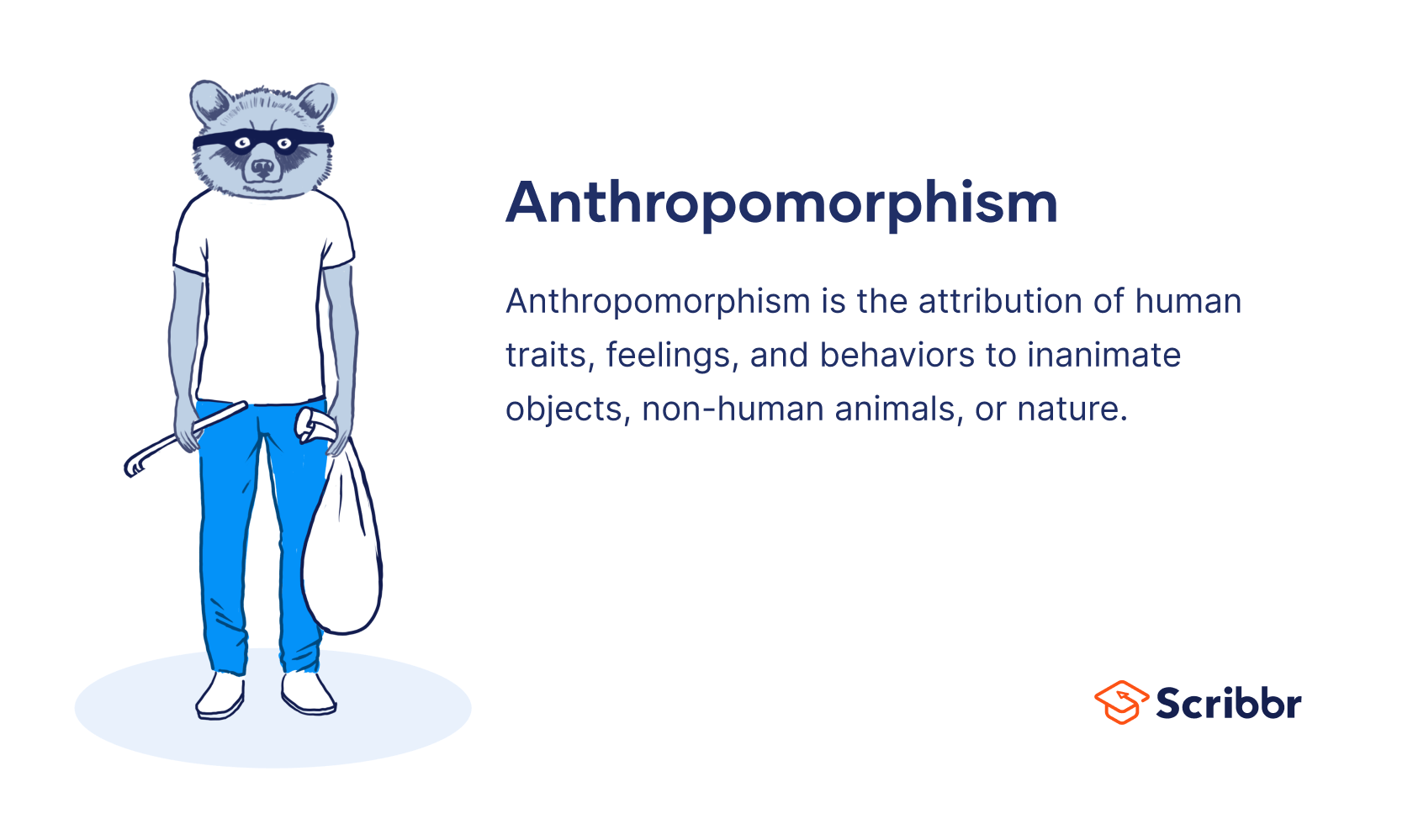
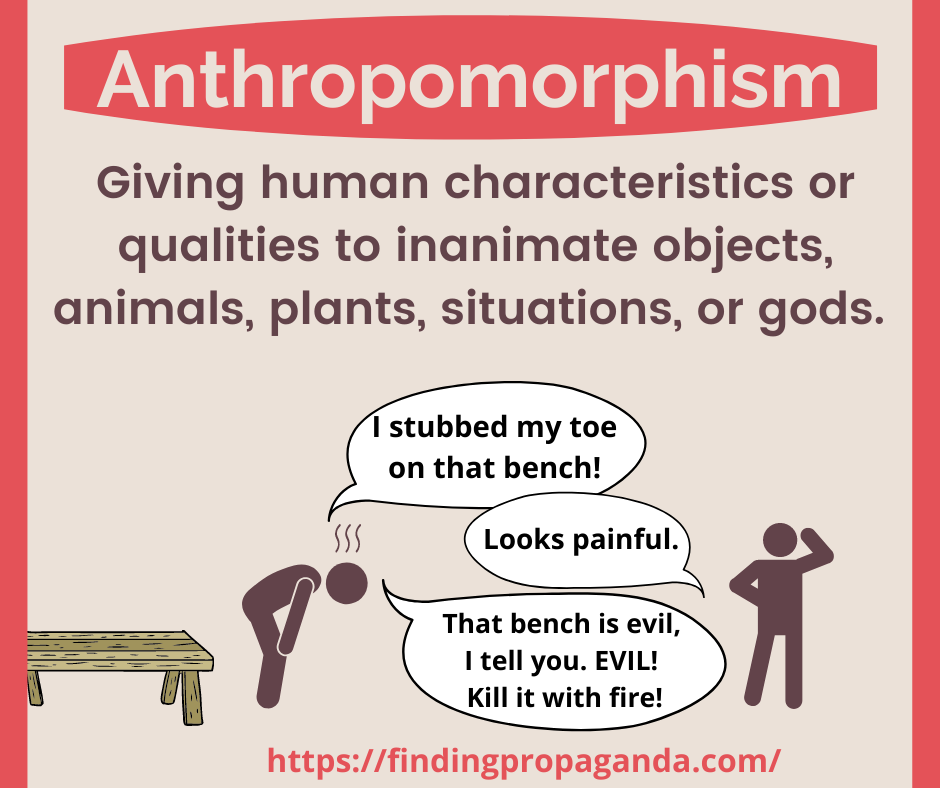
At its core, anthropomorphism is the art of imbuing non-human entities with human traits—thoughts, emotions, and even flaws. In advertising, this alchemy transforms static logos and faceless corporations into characters that breathe, emote, and resonate. The appeal is primal: humans are wired to seek connection, and when a brand adopts a persona, it transcends its utilitarian role to become a companion in the consumer’s journey. Consider the iconic M&M’s characters, whose playful banter and relatable quirks have turned them into cultural icons. This is not mere branding; it’s the creation of a microcosm where consumers don’t just buy a product—they adopt a friend.
The psychological underpinnings of this phenomenon are profound. Studies in cognitive science suggest that anthropomorphism activates the same neural pathways as human interaction, fostering trust and emotional investment. When a chatbot greets you by name or a voice assistant chuckles at a joke, it’s not just functionality—it’s a subtle invitation to suspend disbelief and engage in a dialogue. The future lies in refining this illusion, making it so seamless that consumers forget they’re interacting with code rather than consciousness.
From Static Icons to Dynamic Entities: The Rise of Sentient Advertising
The next frontier of anthropomorphism is not static; it’s dynamic, adaptive, and eerily prescient. Imagine an advertisement that evolves in real-time, tailoring its demeanor based on your mood, location, or even the weather. This is the promise of AI-driven anthropomorphism, where algorithms don’t just predict behavior but simulate empathy. Brands are already experimenting with this: a fitness app that scolds you gently when you skip a workout, or a banking app that celebrates your savings milestones with a virtual high-five. These interactions are no longer scripted—they’re conversational, almost alive.
The technology enabling this shift is staggering. Natural language processing (NLP) allows machines to parse human emotion, while generative AI crafts responses that feel spontaneous. The result? Advertisements that don’t just speak to consumers but converse with them. The challenge, however, lies in striking a balance—too much anthropomorphism risks veering into the uncanny valley, where the illusion of humanity falters. The future will belong to those who can navigate this tightrope, blending automation with authenticity to create entities that feel both magical and real.
The Ethical Labyrinth: When Anthropomorphism Crosses the Line
Yet, with great power comes great responsibility. As brands don human masks with increasing sophistication, ethical questions loom large. Is it manipulative to make a chatbot sound like a concerned friend when its sole purpose is to sell? Can consumers distinguish between genuine empathy and algorithmic mimicry? The line between enchantment and exploitation is perilously thin. Regulatory bodies are beginning to take notice, with debates emerging about transparency in AI-driven interactions. The future of anthropomorphism hinges on ethical clarity—brands must ensure that their humanized facades don’t become Trojan horses for deception.
Consider the case of deepfake advertisements, where a celebrity’s likeness is used without consent to endorse a product. The backlash is swift and severe. Similarly, an AI that mimics a grieving widow to sell life insurance would cross a moral Rubicon. The solution lies in ethical frameworks that prioritize consent, authenticity, and respect. Brands that embrace anthropomorphism responsibly will earn not just consumer trust but loyalty that transcends transactional relationships.

Immersive Storytelling: The Metaverse and the New Pantheon of Brand Gods
The metaverse is the ultimate playground for anthropomorphism, a digital expanse where brands can craft entire mythologies around their personas. Here, a soda can might host a virtual concert, or a sneaker brand could create a sentient AI that guides users through a virtual shopping experience. The appeal is mythic: consumers don’t just buy products; they become part of a grand narrative. Nike’s recent foray into the metaverse with its .Swoosh platform is a case in point, where users interact with digital avatars and co-create experiences with the brand.
This evolution transforms advertising from interruption to invitation. In the metaverse, anthropomorphism isn’t just a tactic—it’s the foundation of a new social contract between brands and consumers. The most successful campaigns will be those that weave brands into the fabric of users’ digital lives, making them indispensable characters in an ongoing story. The challenge? Ensuring that this immersion feels organic, not invasive. The future belongs to brands that can turn their anthropomorphic personas into beloved protagonists in the consumer’s digital odyssey.
The Human Touch in a Digital World: Balancing Automation and Authenticity
Despite the rise of AI, the most compelling anthropomorphic campaigns will retain a human touch. The future lies not in replacing humanity but in augmenting it. Brands like Duolingo have mastered this balance, with their owl mascot blending humor, sass, and relatability in a way that feels both automated and deeply human. The key is to infuse personality without losing sight of the brand’s core values. An anthropomorphized entity should feel like a friend, not a puppet.
This requires a delicate dance between automation and authenticity. AI can handle the heavy lifting of personalization, but human oversight ensures that the emotional resonance remains genuine. The most forward-thinking brands will treat their anthropomorphic personas as living entities, with backstories, quirks, and growth arcs. This isn’t just marketing—it’s world-building, where every interaction feels like a chapter in an unfolding saga.
Conclusion: The Dawn of a New Era in Advertising
The future of anthropomorphism in digital advertising is not a distant fantasy—it’s an unfolding reality. As technology advances, the line between human and machine will continue to blur, offering brands unprecedented opportunities to connect with consumers on an emotional level. Yet, this power must be wielded with care, ensuring that anthropomorphism enhances rather than exploits the human experience. The brands that thrive will be those that can craft personas so compelling, so alive, that consumers don’t just engage with them—they fall in love.
The era of faceless corporations is waning. In its place rises a new pantheon of brand deities, each with its own personality, its own story, and its own place in the digital consciousness. The future of advertising is not just about selling products; it’s about creating connections that feel as real as the humans behind them. And in that future, the most successful brands won’t just speak to consumers—they’ll speak with them.