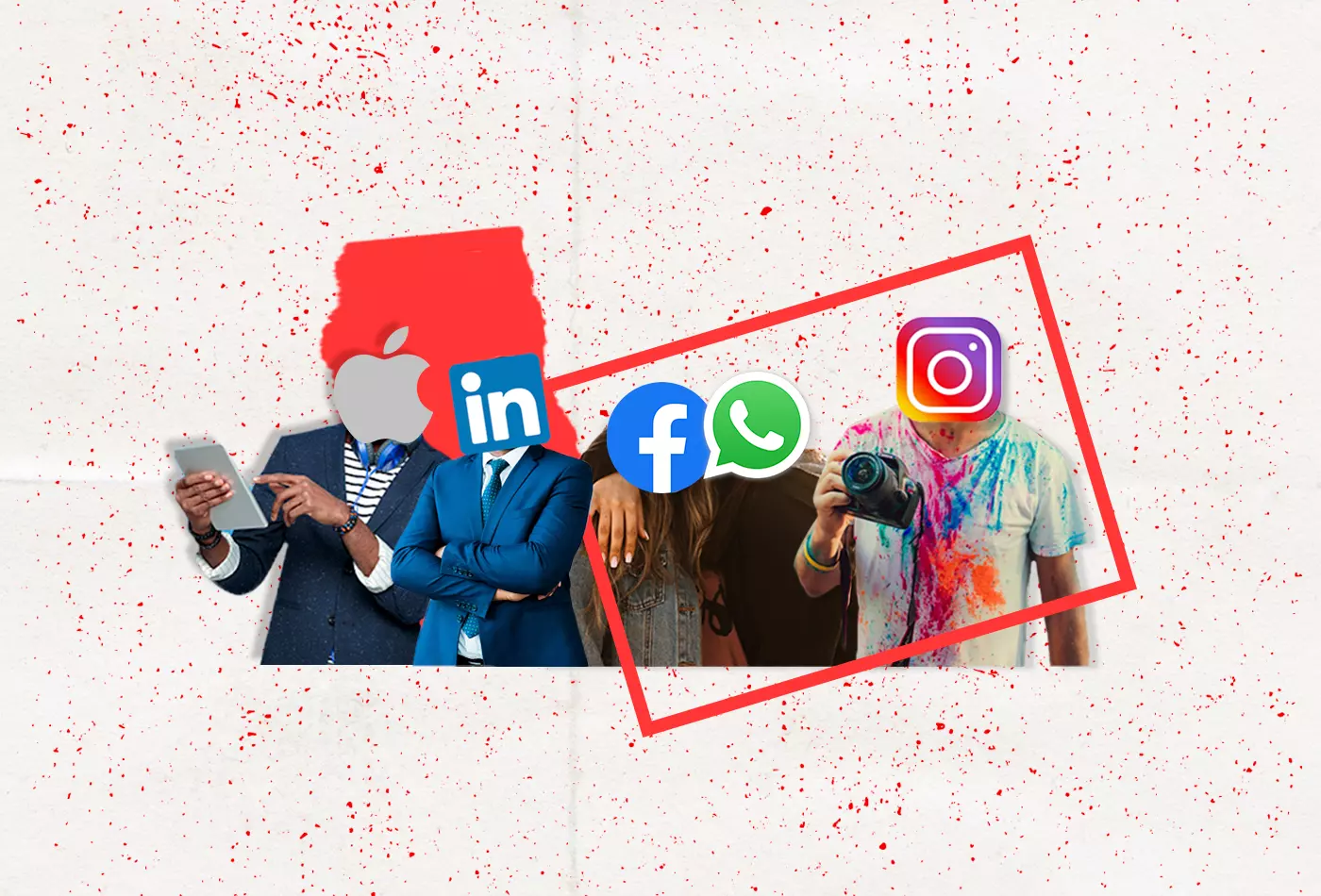
In the cacophonous marketplace of social media, where brands clamor for fleeting attention, a curious phenomenon has emerged: accounts that adopt human-like personas—whether through avatars, mascots, or conversational tones—consistently outperform their more stoic counterparts in engagement metrics. This isn’t mere happenstance. Anthropomorphism—the attribution of human traits to non-human entities—has quietly become a linchpin of modern digital marketing, transforming passive scrollers into active participants. But why does this strategy resonate so deeply? The answer lies not just in the novelty of a talking cereal box or a sassy airline, but in the psychological undercurrents that make such interactions feel almost instinctive.
The Allure of the Familiar: Why Human Faces Command Attention
Evolution has hardwired humans to prioritize faces. From infancy, we’re drawn to eyes, expressions, and gestures, interpreting them as signals of intent, emotion, and trustworthiness. Social media ads that leverage anthropomorphism tap into this primal wiring by replacing cold logos with animated characters or brand spokespeople that mimic human behavior. A study by the Journal of Consumer Psychology found that ads featuring human-like avatars elicited 30% higher click-through rates than static brand logos, a testament to our subconscious bias toward the familiar.
Consider the case of a fast-food chain that replaced its traditional billboard with a Twitter account run by a sentient french fry. The mascot’s snarky replies and exaggerated reactions turned mundane promotions into shareable moments. The deeper reason for its success? The fry wasn’t just a product; it was a persona, a digital confidant that made consumers feel seen—even if the “seeing” was one-sided. This mirrors our tendency to anthropomorphize pets, cars, and even weather systems, projecting intentions onto entities that lack them. Brands that harness this tendency don’t just sell products; they invite consumers into a narrative where the product is the protagonist.
The Power of Dialogue: Conversational Anthropomorphism in Action
Social media thrives on interaction, yet many brands treat platforms like billboards, broadcasting messages into the void. Anthropomorphism flips this script by fostering dialogue. When a skincare brand’s Instagram account responds to comments with witty, emoji-laden retorts from a fictional “Dr. Glow,” it transforms a passive viewer into an engaged participant. The key here is reciprocity—a psychological principle where people feel compelled to respond to perceived social gestures. A 2022 Harvard Business Review analysis revealed that brands using conversational anthropomorphism saw a 40% increase in comment volume, as users subconsciously mirrored the brand’s tone, creating a feedback loop of engagement.
This phenomenon extends beyond text. Voice assistants like Alexa and Siri have conditioned users to expect personality in digital interactions. Brands that adopt this approach—whether through a chatbot with a dry wit or a mascot that “reacts” to user posts—leverage the uncanny valley effect in reverse. Instead of unsettling, the slight artificiality of a digital persona feels relatable. It’s the difference between a monologue and a conversation, and in an era of information overload, conversations are currency.
The Emotional Alchemy: How Empathy Translates to Engagement
Anthropomorphism doesn’t just make brands seem human; it makes them feel human. When a travel company’s Facebook page shares a post from a “wandering suitcase” that “misses” its owner, it triggers an emotional response akin to nostalgia or longing. This is the magic of emotional anthropomorphism—the act of imbuing inanimate objects with feelings. Research from Psychological Science shows that ads evoking empathy see a 25% boost in shares, as consumers don’t just process the message; they feel it.
The deeper mechanism at play is the mirror neuron system, a network of brain cells that activates when we observe others’ actions or emotions. When a brand’s mascot “laughs” at a joke or “gasps” at a discount, our brains simulate those reactions, creating a subconscious bond. This is why campaigns like Old Spice’s “The Man Your Man Could Smell Like” or Geico’s gecko don’t just sell products—they sell experiences. They turn transactions into shared emotions, and emotions into viral moments.
The Pitfalls of Overdoing It: When Anthropomorphism Backfires
Not all anthropomorphism is created equal. The line between charming and creepy is perilously thin. A brand that pushes its mascot’s personality too far—say, a bank’s Twitter account that “trolls” customers with sarcasm—risks alienating its audience. The uncanny valley rears its head here: when a digital persona becomes too human-like without fully convincing, it triggers discomfort. This is why CGI characters in movies often feel more unsettling than hand-drawn ones—the closer they get to realism, the more our brains protest the deception.
Another risk is inauthenticity. If a brand’s anthropomorphic persona feels forced or inconsistent, it undermines trust. Consider a luxury car brand that suddenly adopts slang-heavy tweets from a “cool” mascot—it clashes with the brand’s premium identity. The solution? Authenticity must align with the brand’s core values. Anthropomorphism should enhance, not overshadow, the product’s essence. A well-executed example is Mailchimp’s Freddie, whose playful, slightly chaotic energy mirrors the brand’s user-friendly ethos without compromising its professionalism.
The Future: Beyond Mascots to Sentient Brands
The next frontier of anthropomorphism in social media ads lies in dynamic personification—where brands evolve from static personas to adaptive entities that respond to real-time data. Imagine a fitness app that adjusts its tone based on a user’s mood, or a streaming service that “reacts” to viewing habits with personalized emoji responses. This isn’t science fiction; it’s the logical extension of AI-driven personalization. Brands like Duolingo have already dipped their toes into this space with their sassy owl mascot, which responds differently to correct and incorrect answers, blurring the line between tool and companion.
The deeper implication is a shift in consumer-brand relationships. As anthropomorphism becomes more sophisticated, brands may no longer be seen as entities to engage with, but as partners in a shared narrative. This could redefine loyalty, turning one-time buyers into lifelong “friends” of the brand. However, it also raises ethical questions: How much personality is too much? Where do we draw the line between engagement and manipulation?
The answer may lie in balance. The most successful anthropomorphic campaigns don’t erase the brand’s identity; they amplify it. They take the core values of a company—whether it’s innovation, humor, or reliability—and personify them in a way that feels organic. In doing so, they don’t just capture attention; they create connection. And in a digital world where attention is the most valuable currency, that’s the ultimate ROI.