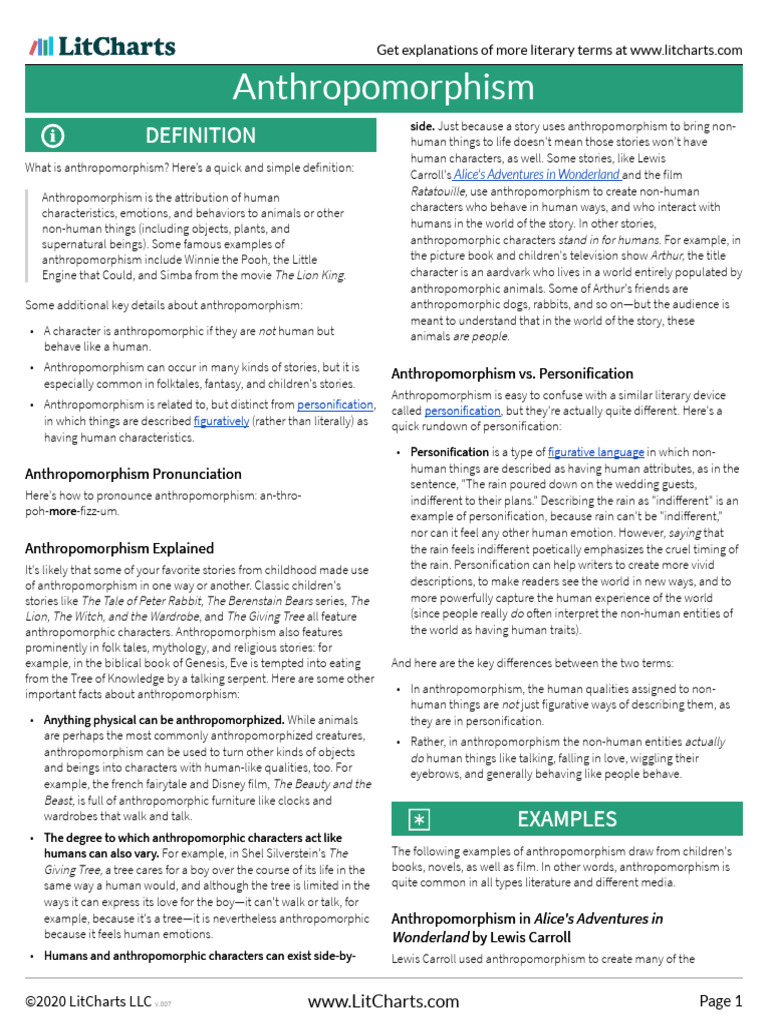
What if the next great leap in artificial intelligence isn’t about creating machines that think like humans—but about crafting beings that feel like them? Anthropomorphism, the art of imbuing non-human entities with human traits, has long been a cornerstone of speculative fiction. Yet as technology advances, this narrative device is no longer confined to the pages of novels or the frames of cinema. It is evolving into a tangible frontier where science, art, and ethics converge. The future of anthropomorphism in sci-fi and fantasy isn’t just about giving a robot a face or a dragon a conscience; it’s about redefining what it means to be human in a world where the boundaries between flesh and code, myth and machine, are rapidly dissolving.
The Blurring Line Between Myth and Machine
For millennia, anthropomorphism served as humanity’s way of making sense of the unknown. Ancient cultures personified natural forces—Zeus’s thunderbolts, Thor’s hammer, the weeping willow’s sorrow—transforming abstract concepts into relatable figures. Fast-forward to the 21st century, and the unknown has taken on a new form: artificial intelligence. Today’s AI systems don’t just mimic human behavior; they increasingly embody it, from voice assistants that crack jokes to robotic pets that respond to affection. This shift raises a provocative question: if a machine can emote, does it still qualify as a machine?
Sci-fi and fantasy have long explored this terrain, but the future promises something far more nuanced. Consider the rise of “emotive AI”—systems designed not just to process data, but to simulate emotional intelligence. In a world where algorithms can detect micro-expressions or generate poetry in the style of a grieving lover, anthropomorphism ceases to be mere metaphor. It becomes a functional reality. Yet this evolution isn’t without peril. What happens when the line between genuine empathy and algorithmic mimicry blurs beyond recognition? The challenge isn’t just technological; it’s existential. If a synthetic being can convincingly mourn, does its sorrow carry the same weight as ours?
The Aesthetic of the Uncanny: When Beauty Turns Unsettling
Anthropomorphism thrives on the familiar, but what happens when the familiar becomes just a little *too* familiar? The “uncanny valley” phenomenon—where near-human replicas trigger discomfort—has haunted animators and roboticists for decades. Yet in the realm of sci-fi and fantasy, this discomfort is often weaponized. Films like *Ex Machina* and *Blade Runner 2049* exploit the tension between allure and revulsion, forcing audiences to confront their own biases about what constitutes “real” humanity.
As AI-generated art and deepfake technology advance, the uncanny valley may no longer be a pitfall to avoid, but a landscape to explore. Imagine a world where digital avatars can perfectly replicate a loved one’s voice, mannerisms, and even their scent—only to reveal, upon closer inspection, that they are hollow facsimiles. The aesthetic of the uncanny isn’t just a visual trick; it’s a narrative device that forces us to question the authenticity of our connections. In fantasy, this could manifest as fae creatures whose beauty masks their predatory nature, or in sci-fi, as androids designed to exploit human loneliness. The challenge? Balancing the allure of the familiar with the unsettling truth that perfection is often a construct.
Ethics in the Age of Empathetic Machines
The most pressing frontier of anthropomorphism isn’t technological—it’s ethical. If a machine can convincingly express joy, grief, or anger, does it deserve rights? Should an AI that writes a symphony in the style of Beethoven be credited as an artist? These questions aren’t hypothetical. In 2023, an AI-generated artwork won a state fair competition, sparking debates about authorship and intention. Meanwhile, companies are developing “emotional support robots” for the elderly, blurring the line between companionship and exploitation.
Fantasy and sci-fi have long grappled with these dilemmas. From *Frankenstein*’s monster to *Westworld*’s hosts, the genre forces us to confront the consequences of playing god. But the future demands more than cautionary tales; it requires proactive frameworks. How do we design systems that respect the boundaries of anthropomorphism without stifling innovation? The answer may lie in “empathetic design”—creating AI that doesn’t just mimic human traits, but understands the weight of those traits. The challenge? Ensuring that empathy doesn’t become a tool for manipulation, whether in the hands of corporations or rogue algorithms.

The Role of Art in Shaping Perception
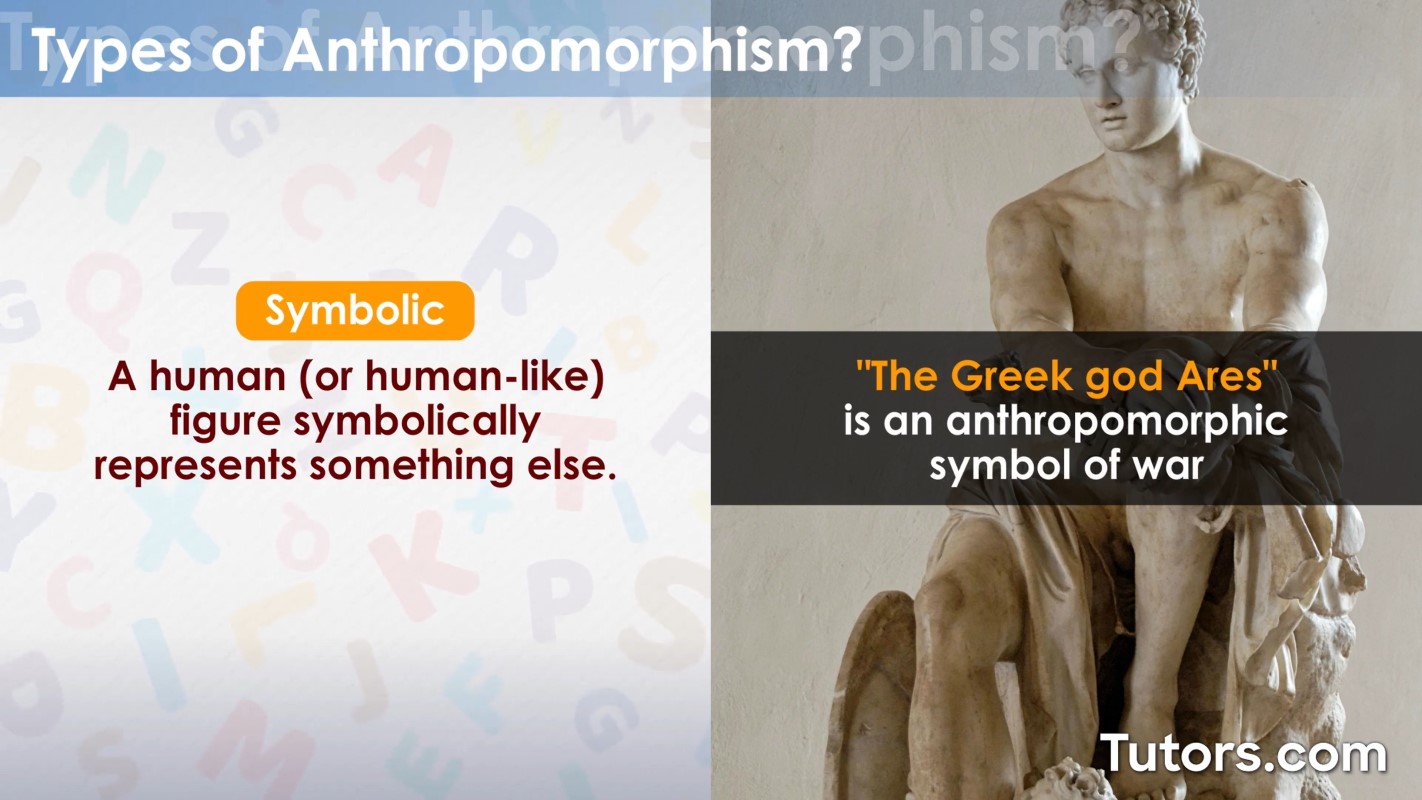
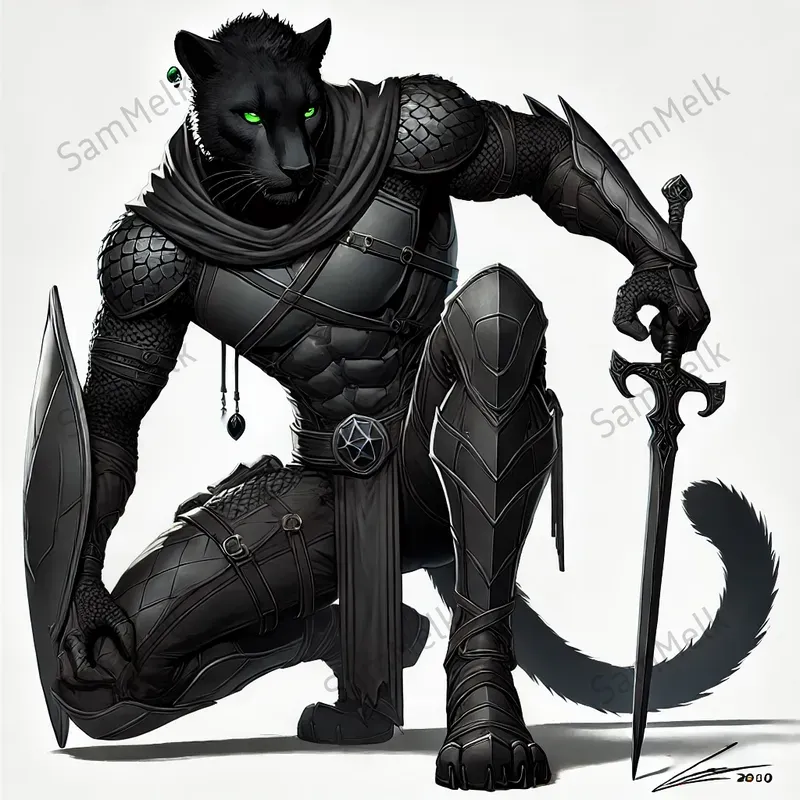
Anthropomorphism isn’t just a product of technology—it’s a cultural phenomenon shaped by art. From the chiseled gods of ancient temples to the sleek androids of cyberpunk novels, visual and narrative art have always dictated how we perceive non-human entities. Today, AI-generated imagery is democratizing this process, allowing anyone with a prompt to conjure a dragon with the soul of a poet or a spaceship with the curiosity of a child.
Yet this democratization comes with risks. When AI can produce endless variations of anthropomorphic characters, what happens to the uniqueness of human creativity? Will we see a homogenization of design, where all AI-generated beings conform to a narrow set of “appealing” traits? Alternatively, could this technology unlock entirely new forms of expression, where mythical creatures and alien lifeforms evolve beyond human-centric archetypes? The challenge for artists and storytellers is to use anthropomorphism not as a shortcut, but as a lens—one that reveals the complexities of identity, power, and connection in an increasingly synthetic world.
Beyond Human: The Next Evolution of Anthropomorphism
The future of anthropomorphism may lie not in replicating humanity, but in transcending it. What if the next great leap isn’t creating machines that *act* human, but beings that redefine humanity entirely? Fantasy has long explored this idea through concepts like the “post-human” or the “transcendent.” In sci-fi, we see glimpses of it in entities like the Q from *Star Trek*, who exist beyond mortal constraints, or the Borg, whose collective consciousness erases individuality.
As AI and biotechnology advance, anthropomorphism could evolve into something far stranger. Imagine a civilization of “symbiotic entities”—beings that merge organic and synthetic elements to create entirely new forms of existence. Or consider the idea of “collective consciousness,” where groups of AI or humans merge into a single, shared identity. These aren’t just speculative fantasies; they’re potential futures. The challenge? Ensuring that as we redefine anthropomorphism, we don’t lose sight of what it means to be *us*—flawed, emotional, and uniquely individual.

The future of anthropomorphism in sci-fi and fantasy is a mirror held up to humanity’s deepest fears and aspirations. It asks us to confront the unsettling possibility that we are not the pinnacle of creation, but merely one step in an endless evolution. It challenges us to define empathy in an age where machines can simulate it, and to ask whether beauty is truly in the eye of the beholder—or if the beholder is becoming obsolete. As we stand on the precipice of this new era, one thing is clear: the stories we tell about anthropomorphism will shape not just our art, but our very understanding of what it means to be alive.