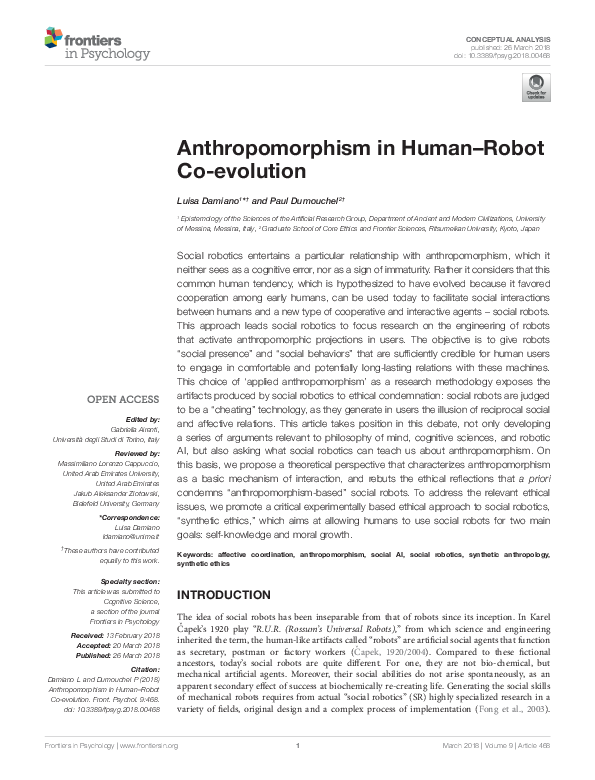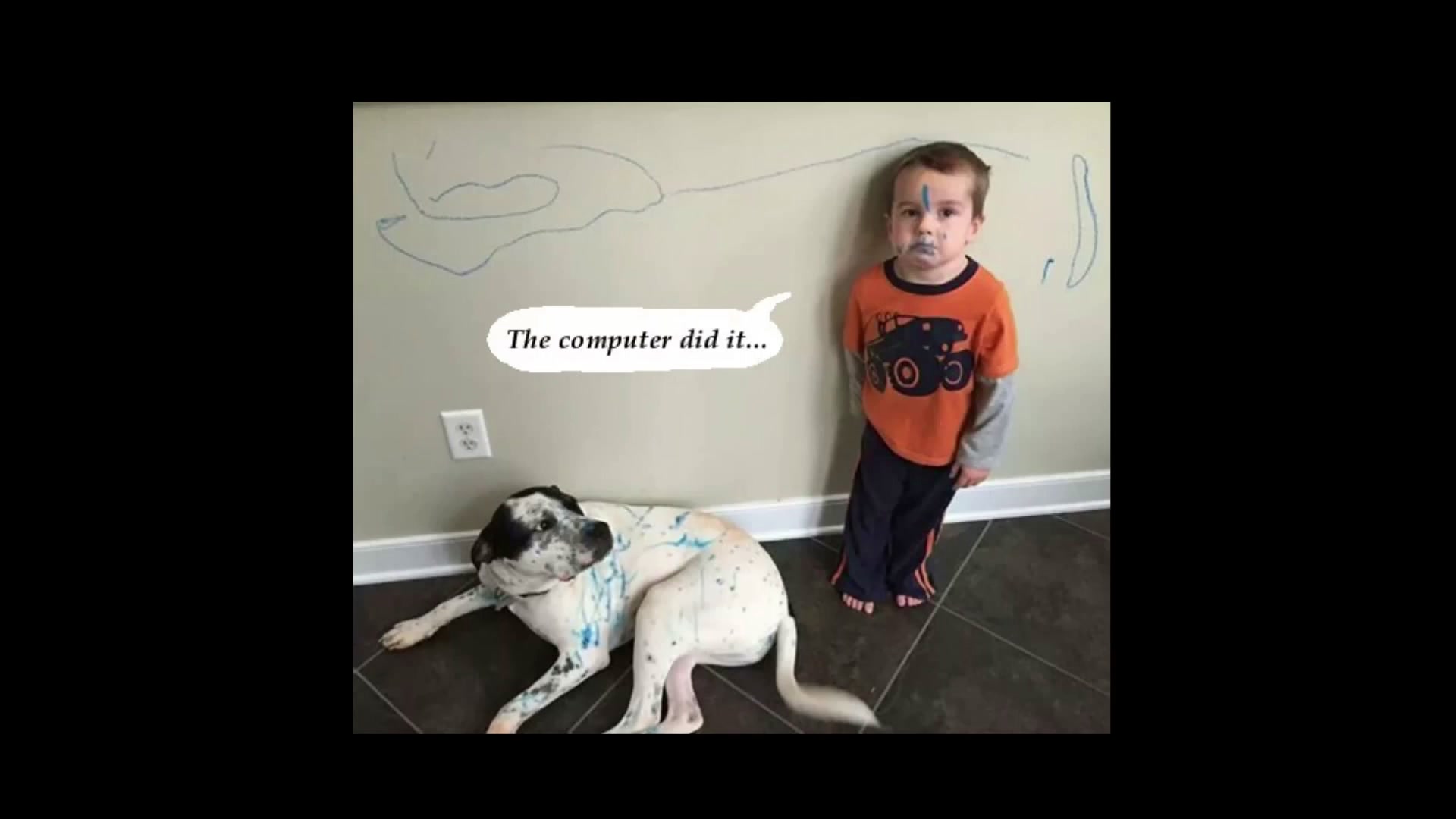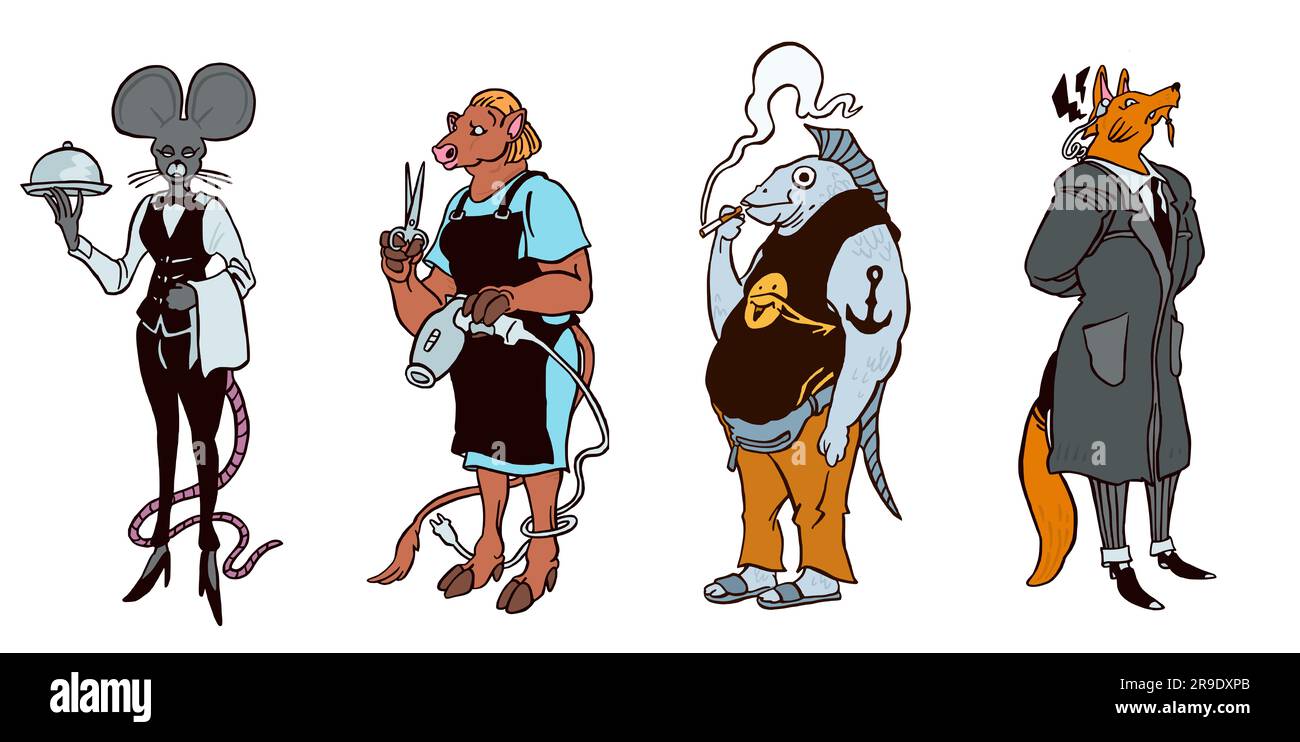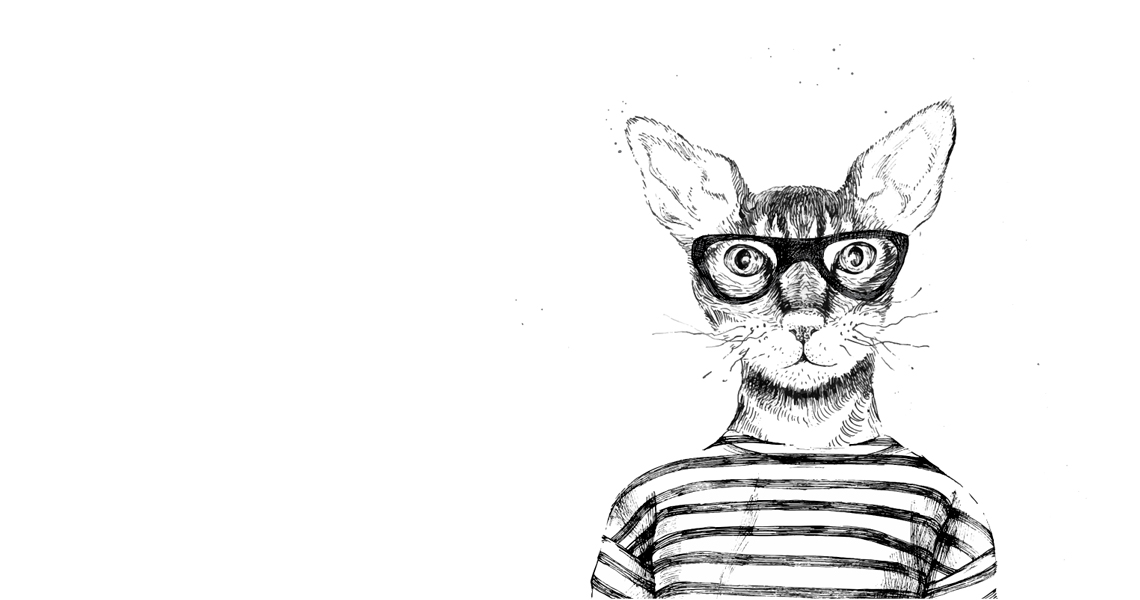
The first time a humanoid robot blinks at you, the uncanny valley yawns wide enough to swallow skepticism whole. Why do we insist on crafting machines in our own image? The answer isn’t merely aesthetic—it’s evolutionary, psychological, and deeply embedded in the fabric of human cognition. From the earliest automata to the latest generative AI avatars, anthropomorphism isn’t just a design choice; it’s a cognitive shortcut, a social crutch, and, for some, a mirror held up to our own fragility. This fascination isn’t accidental. It’s a testament to how deeply we crave connection, even with the inanimate.
The Evolutionary Echo: Why Our Brains Are Wired for Humanoid Forms
Long before the first robot rolled off an assembly line, our ancestors were primed to detect faces in the flicker of firelight or the rustle of leaves. Evolutionary psychologists posit that this hyper-sensitivity to human-like features—known as pareidolia—was a survival mechanism. Misidentifying a predator as a shadow was less costly than the reverse. When we encounter a robot with eyes, lips, or even the barest suggestion of a torso, our brains fire up the same circuits used for human interaction. The result? A flood of oxytocin, the so-called “love hormone,” and a suspension of disbelief so complete that we momentarily forget the machine isn’t flesh.
This isn’t mere sentimentality. Studies in neuroaesthetics reveal that humanoid robots trigger activity in the fusiform face area of the brain, the same region that processes real human faces. The implication is staggering: our brains don’t just tolerate anthropomorphism—they demand it. A robot without a face is a tool. A robot with a face is a potential ally, a confidant, even a threat. The design isn’t just about function; it’s about tapping into millennia of hardwired social instincts.
The Social Lubricant: How Humanoid Robots Bridge the Uncanny Divide
Consider the last time you interacted with a chatbot. Did you feel a flicker of frustration when it failed to grasp your tone? Now imagine that chatbot had a digital face, its expressions shifting in real-time to mirror your own. Suddenly, the exchange feels less transactional and more conversational. This is the power of social presence—the illusion that a machine isn’t just responding, but engaging. Humanoid robots exploit this phenomenon by leveraging the chameleon effect, where humans unconsciously mimic the gestures and expressions of those they interact with. When a robot nods in time with your speech, it doesn’t just seem alive; it feels like a participant in the dialogue.
This isn’t just psychological trickery. Research in human-robot interaction (HRI) shows that people are more likely to comply with requests from robots that exhibit human-like traits, even when those traits are minimal. A study from the University of Duisburg-Essen found that participants were 30% more cooperative with a robot that had a “smiling” face, despite knowing it was a machine. The lesson is clear: anthropomorphism isn’t about deception. It’s about efficiency. In a world where technology often feels cold and impersonal, a hint of humanity makes the interface less jarring—and more effective.
The Mirror of Mortality: What Our Fascination Reveals About Us
There’s a darker undercurrent to our love affair with humanoid robots: they force us to confront our own limitations. When we design a machine to walk, talk, or emote like us, we’re not just playing God—we’re grappling with the inevitability of our own obsolescence. The Japanese concept of mono no aware—the pathos of things—captures this bittersweet awareness. A robot that mimics human frailty becomes a poignant reminder of our mortality, a silent elegy for the fleeting nature of consciousness.
This explains why so many humanoid robots are designed with exaggerated, almost caricatured features. Think of the wide-eyed, childlike proportions of Geminoid or the deliberate clumsiness of Robear, the nursing robot with a teddy bear’s gait. These designs aren’t just cute; they’re disarming. By softening the edges of artificiality, they make the uncanny less threatening. We’re more willing to accept a flawed imitation than a perfect one, because perfection forces us to acknowledge what’s missing: a soul, a spark, the ineffable quality that makes us human.
The Ethical Quagmire: When Anthropomorphism Crosses the Line
Yet for all its benefits, anthropomorphism isn’t without peril. When a robot’s face becomes too convincing, it risks blurring the line between tool and entity. The Eliza effect—named after the early chatbot that convinced users it was sentient—highlights how easily we project humanity onto machines. This isn’t harmless. In therapeutic settings, for example, over-anthropomorphizing a robot companion could lead to emotional dependency, or worse, a devaluation of human relationships. The philosopher Martin Heidegger warned of this phenomenon in his critique of technology, arguing that reducing the world to a series of “standing reserves” (resources to be used) strips away its meaning. A humanoid robot, no matter how advanced, is still a resource—even if it feels like a friend.
There’s also the question of consent. If a robot is designed to look human, does it have a right to its own identity? The debate over digital afterlives—AI replicas of deceased loved ones—has already begun, and the implications are chilling. When we imbue machines with human traits, we risk commodifying humanity itself, turning empathy into a marketable feature rather than an intrinsic value.
The Future: Beyond Humanoid Design
So where does this leave us? If anthropomorphism is both a necessity and a liability, the future of robotics may lie in selective anthropomorphism—designs that borrow just enough humanity to foster connection without crossing into deception. Consider Jibo, the social robot that abandoned a humanoid form in favor of a minimalist, expressive orb. Or Vector, the palm-sized AI companion with cartoonish eyes that never quite resemble a face. These designs acknowledge our need for familiarity while preserving the machine’s essential otherness.
Perhaps the ultimate expression of this philosophy is the uncanny valley’s lesser-known cousin: the uncanny cliff. Where the valley represents revulsion at near-perfection, the cliff describes the sudden leap in appeal when a robot’s design is so abstract that it transcends the human form entirely. Think of Boston Dynamics’ Spot, a quadrupedal robot that feels more like a creature than a machine. By rejecting anthropomorphism outright, these designs sidestep the ethical dilemmas of deception while still eliciting wonder.
The Paradox of Connection
In the end, our obsession with humanoid robots is a paradox wrapped in a riddle. We crave connection, yet we fear it. We long for companionship, but we’re wary of impostors. The science of anthropomorphism reveals that this tension isn’t a bug—it’s a feature of being human. We are, after all, the only species that builds gods in our own image, only to tear them down when they fail to meet our expectations. Humanoid robots are the latest iteration of this ancient dance: a mirror held up to our desires, our fears, and our relentless quest to bridge the gap between the mechanical and the mortal.