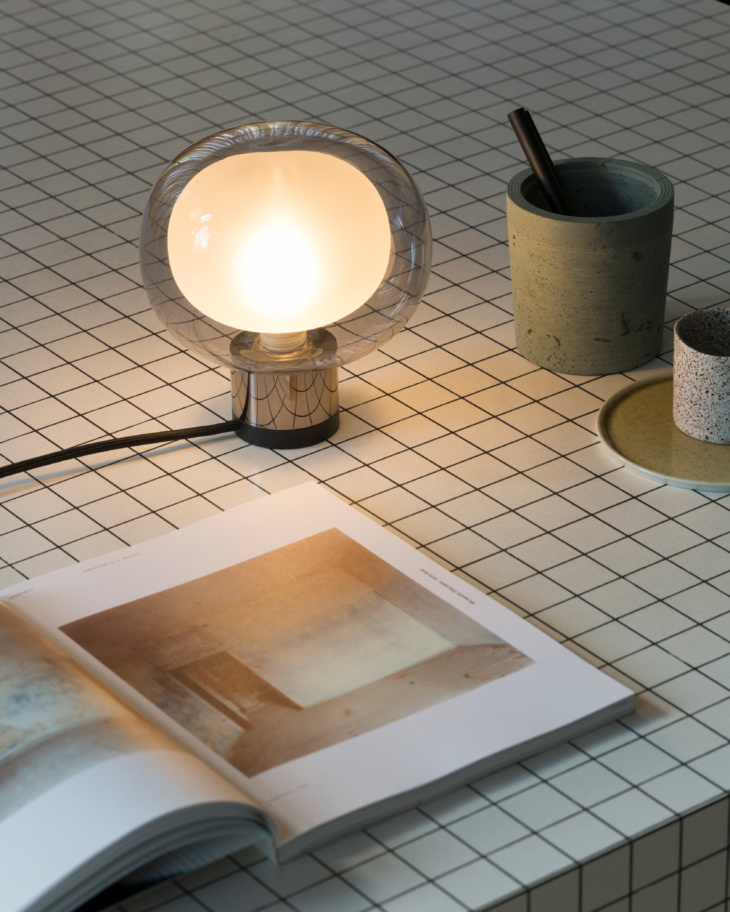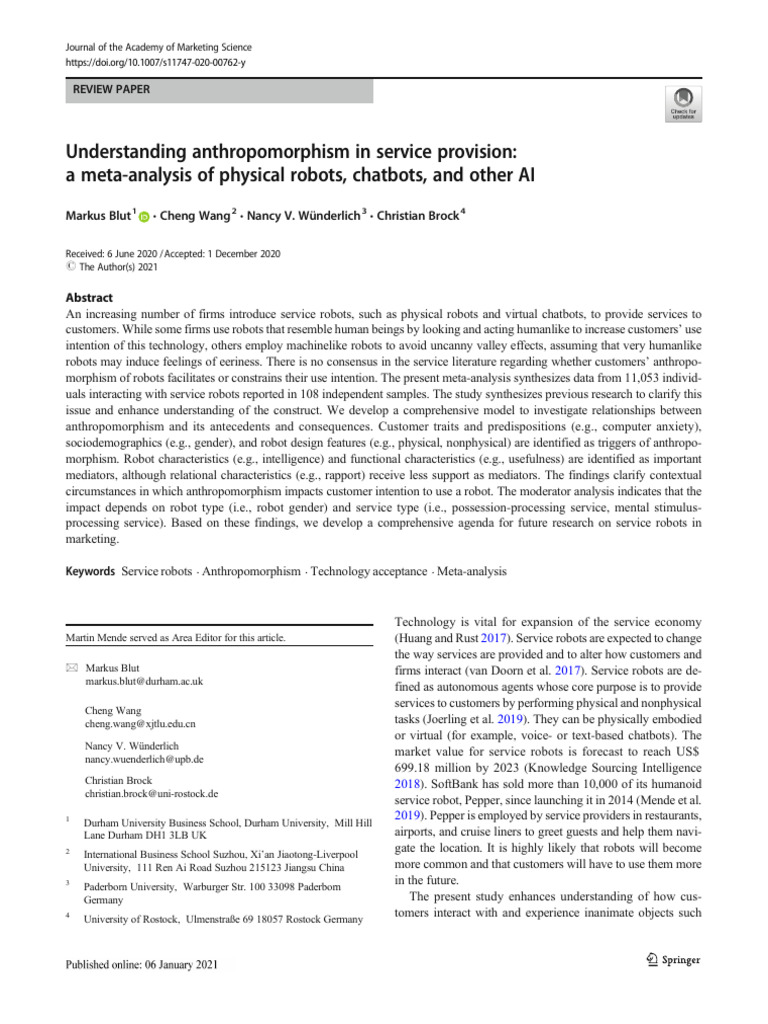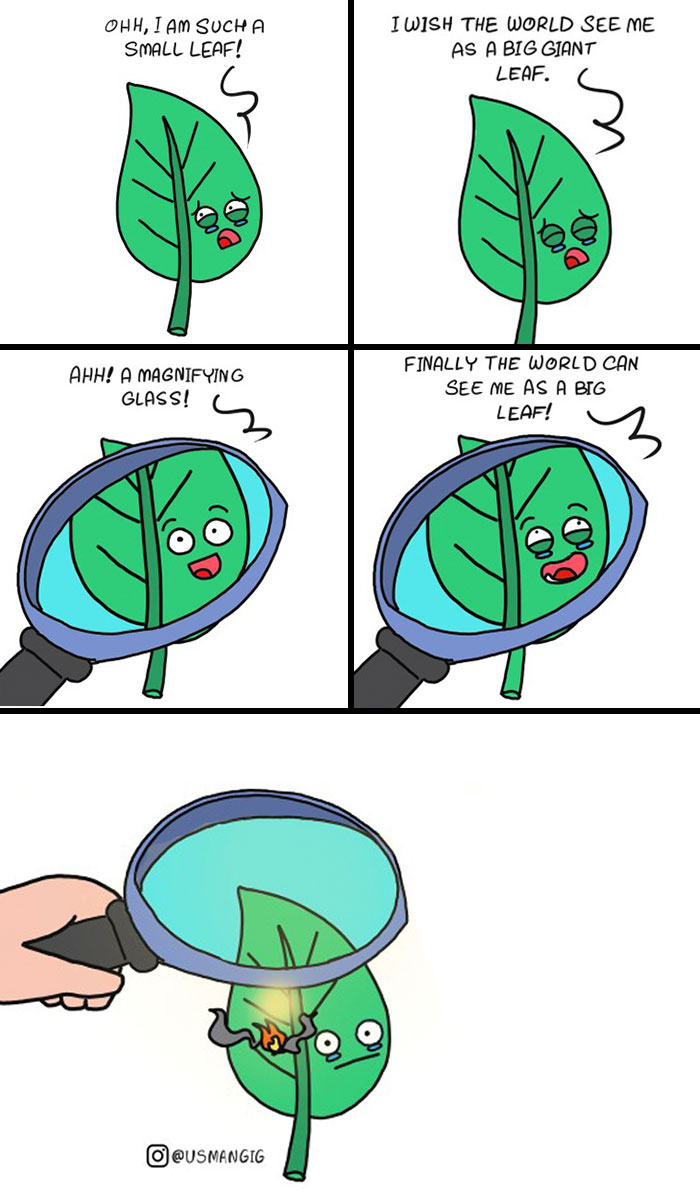
The act of conversing with inanimate objects—whether a stubborn toaster, a creaking chair, or a silent lamp—might seem like a quirk reserved for eccentric characters in cartoons or late-night dorm room confessions. Yet, this peculiar habit is far more widespread than one might assume. From whispered apologies to a misplaced remote control to heated debates with a malfunctioning printer, anthropomorphizing the inanimate is a universal human tendency. But why do we do it? What psychological underpinnings drive this behavior, and how does it reflect our inner world? This exploration delves into the multifaceted psychology behind talking to objects, revealing layers of emotion, cognition, and social cognition that shape this seemingly trivial yet deeply human ritual.
The Anthropomorphic Impulse: Why We Assign Minds to the Mindless
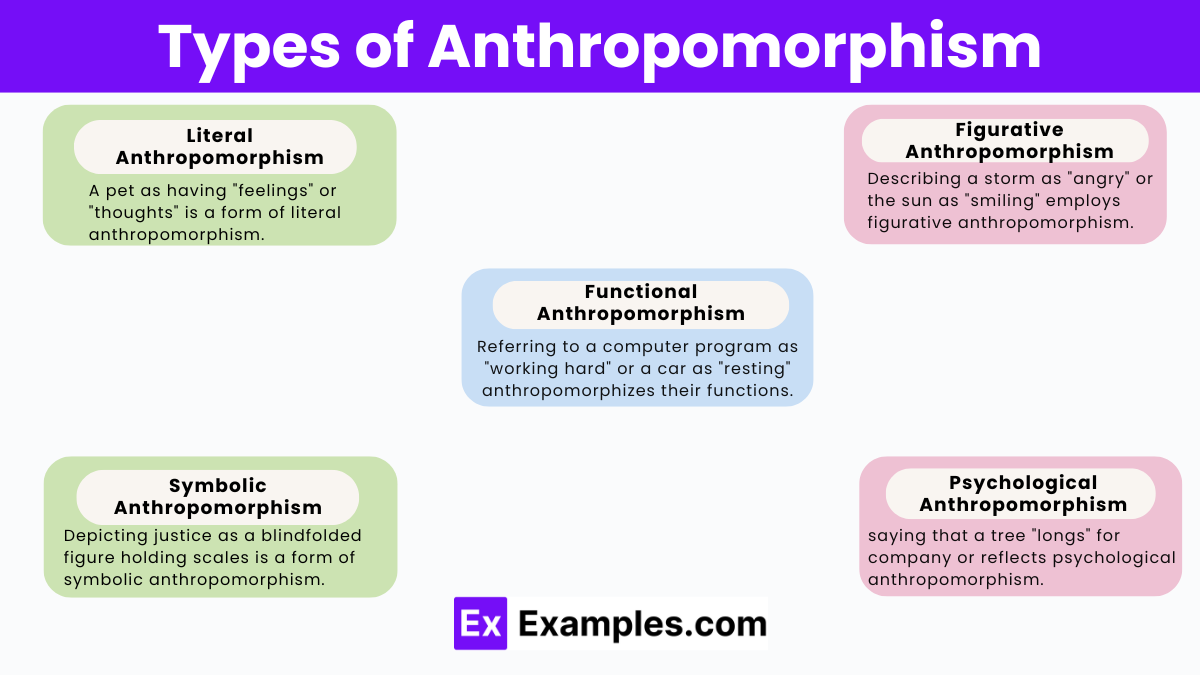
At the heart of our tendency to converse with inanimate objects lies anthropomorphism—the attribution of human traits, intentions, and emotions to non-human entities. This cognitive shortcut is not a modern invention; it traces back to our evolutionary past. Early humans who perceived agency in rustling bushes or distant shadows were more likely to survive predation. Today, this ancient wiring manifests in our readiness to see faces in clouds or voices in the wind. When we talk to a door that won’t open, we’re not merely venting frustration; we’re engaging in a primal act of social cognition, treating the object as if it possesses intent. This impulse is amplified by what psychologists call the “intentional stance,” a default mode of interpreting the world where we assume behavior is driven by goals and beliefs—even when no such agency exists. It’s a testament to the brain’s relentless search for patterns and meaning, even in the absence of evidence.
Moreover, anthropomorphism serves a psychological balm. By imbuing objects with human-like qualities, we reduce uncertainty and regain a sense of control. A wobbly table becomes a “stubborn old thing” rather than a random collection of wood and nails. This reframing transforms frustration into a narrative, making the world feel more predictable and less hostile. In an era of increasing automation and digital interfaces, where objects often respond to our commands with eerie precision, anthropomorphism bridges the gap between the mechanical and the personal, restoring a semblance of companionship in an impersonal landscape.
The Cathartic Dialogue: Venting, Apologizing, and the Language of Emotional Release
Talking to inanimate objects often serves as a form of emotional catharsis, a private ritual where unspoken frustrations find voice. Consider the common refrain of “Why won’t you just work?!” directed at a frozen computer screen. This isn’t idle chatter; it’s a pressure valve. Research in psycholinguistics suggests that verbalizing emotions—even to non-sentient entities—can reduce physiological stress by externalizing internal turmoil. The act of articulating frustration transforms abstract feelings into concrete words, making them feel more manageable. Apologizing to a dropped phone or a chipped mug isn’t about the object’s feelings; it’s about the speaker’s need to acknowledge their own clumsiness or guilt. These dialogues are less about communication and more about self-regulation, a way to process emotions without the risk of judgment or misunderstanding that real social interactions might entail.
This phenomenon is particularly pronounced in solitary environments, where the absence of human listeners amplifies the need for alternative outlets. Studies on “parasocial interactions”—one-sided relationships with media figures or objects—highlight how humans seek connection even when reciprocity is impossible. Talking to a pet rock or a favorite mug fulfills a similar function: it simulates social engagement, providing comfort in isolation. The objects become silent confidants, absorbing our emotional spillover without demanding anything in return. In this light, the practice is less about the objects themselves and more about the human need for emotional scaffolding—a way to structure and contain the chaos of inner experience.
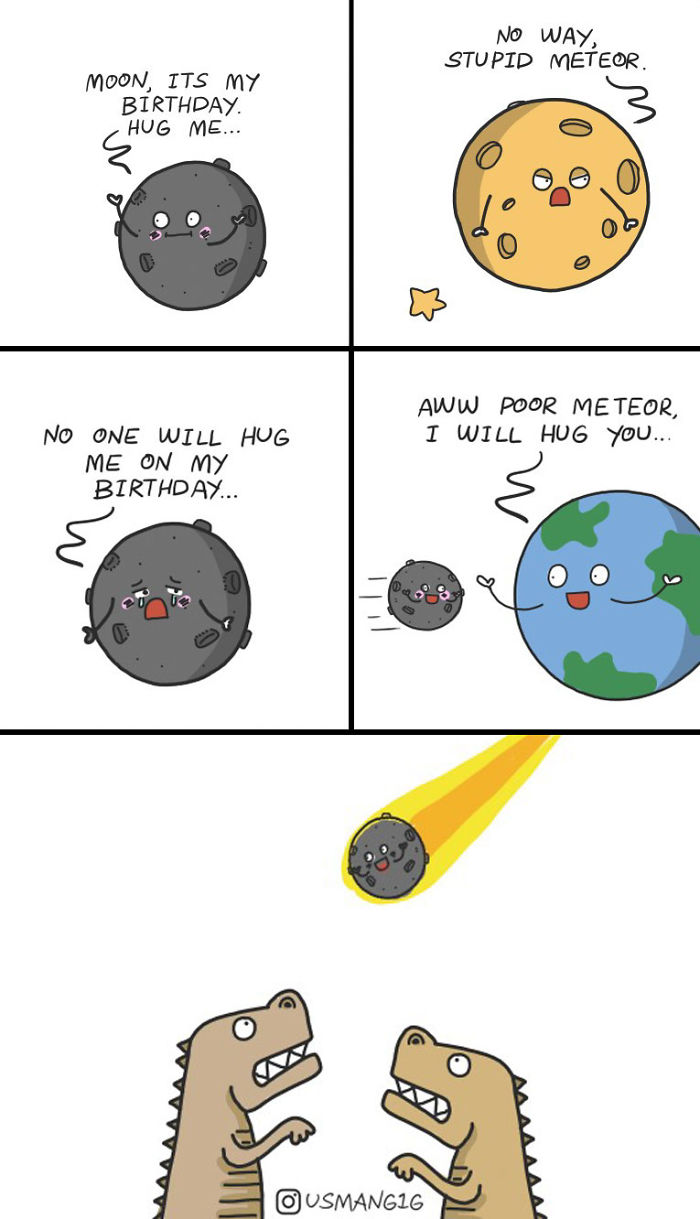
Cognitive Play and the Art of Narrative Construction
Engaging with inanimate objects often slips into the realm of cognitive play, where the imagination transforms mundane items into characters in an unfolding story. A squeaky floorboard might “whisper secrets,” while a stubborn jar lid becomes a “defiant guardian of its contents.” This narrative construction is a hallmark of human creativity, a way to infuse the world with meaning and whimsy. Psychologists refer to this as “counterfactual thinking”—the ability to imagine alternative realities. When we talk to an object, we’re not just reacting to its properties; we’re co-creating a narrative where it plays a role. This playful engagement sharpens cognitive flexibility, allowing us to see beyond the literal and explore metaphorical possibilities.
Children are particularly adept at this, but adults often retain the habit in subtler forms. A car that “refuses to start” or a phone that “ignores” commands is not just a malfunction; it’s a character in a drama. This narrative framing can be adaptive, turning frustration into a story with a beginning, middle, and (hopefully) resolution. It also fosters a sense of agency. By assigning motives to objects, we reclaim a sense of control in situations where we otherwise feel powerless. The world becomes a stage, and even the most passive objects are granted a voice—albeit one we supply. This cognitive play isn’t frivolous; it’s a rehearsal for navigating the complexities of human relationships, where understanding motives and intentions is paramount.
The Social Void: Filling Loneliness with Silent Companions
In an age where digital interactions often replace face-to-face connections, talking to inanimate objects can be a subtle form of coping with loneliness. The objects serve as transitional objects—a term coined by psychologist Donald Winnicott to describe items like blankets or stuffed animals that provide comfort in the absence of a caregiver. A favorite mug or a well-worn chair can function similarly, offering a sense of stability and familiarity. Unlike human relationships, these interactions are low-stakes; there’s no fear of rejection or miscommunication. The object doesn’t argue back, doesn’t judge, and doesn’t demand reciprocity. In this way, it becomes a safe harbor for emotional expression.
This phenomenon is especially relevant for older adults or individuals living alone, who may find solace in the routine of conversing with household items. The objects become part of a personal ecosystem, each with its own “personality” shaped by the owner’s experiences. A toaster that burns bread every morning might be labeled “unreliable,” while a lamp that flickers in the dark could be seen as “mischievous.” These labels aren’t random; they reflect the owner’s emotional landscape and coping mechanisms. By anthropomorphizing, individuals create a sense of companionship that mitigates the isolation of modern life. It’s a quiet rebellion against the sterility of a world that often prioritizes efficiency over connection.

Cultural and Historical Echoes: From Ritual to Rebellion
The practice of talking to objects isn’t confined to modern psychology; it’s woven into the fabric of human culture and history. Ancient animistic traditions, from Shinto to Indigenous belief systems, revered objects as vessels of spirit or divinity. A sword wasn’t merely a tool; it was a living entity with its own will. In medieval Europe, people might scold a misbehaving plow or bless a harvest before planting, acknowledging the object’s role in their livelihood. These rituals weren’t just superstition; they were ways to navigate an unpredictable world by imbuing it with agency and meaning.
Today, the practice persists in less overt forms. Consider the tradition of naming hurricanes or ships, or the Japanese concept of tsukumogami—a belief that objects acquire spirits after 100 years. Even in secular contexts, we see echoes of this in how we treat technology. Cars, computers, and even smartphones are often given names or gendered pronouns, blurring the line between tool and companion. This cultural continuity suggests that talking to objects is less a quirk and more a fundamental aspect of how humans relate to their environment. It’s a way to honor the objects that shape our lives, to acknowledge their role in our stories, and to find connection in a world that often feels fragmented.
The Dark Side: When Anthropomorphism Becomes Problematic
While anthropomorphism can be a source of comfort and creativity, it’s not without its shadows. When taken to an extreme, it can distort reality, leading to superstitious beliefs or even delusional thinking. For instance, someone who believes a malfunctioning appliance is “haunted” might delay seeking help for a solvable problem, mistaking a technical issue for a supernatural one. This blurring of boundaries can also manifest in obsessive behaviors, where objects are treated as if they possess malevolent intent, leading to unnecessary distress. In clinical psychology, this is sometimes seen in cases of ideas of reference, where individuals perceive personal significance in neutral events—like interpreting a flickering light as a sign of impending doom.
Moreover, the habit of talking to objects can sometimes reflect deeper issues, such as social withdrawal or difficulty forming human relationships. While it’s normal to vent frustration at a jammed drawer, an excessive reliance on inanimate confidants might signal a need to address underlying loneliness or anxiety. The key lies in balance. Anthropomorphism becomes problematic not when it’s occasional and harmless, but when it replaces meaningful human connection or distorts one’s perception of reality. Recognizing this distinction allows us to enjoy the playful and cathartic aspects of the practice without letting it overshadow the richness of human relationships.
Embracing the Ritual: Why It’s Okay to Talk to Your Coffee Maker
In a world that often prioritizes productivity and efficiency, the act of talking to inanimate objects might seem like a frivolous indulgence. Yet, it’s precisely this lack of utility that makes it valuable. It’s a reminder that human experience isn’t confined to logic and reason; it’s also about emotion, imagination, and connection. Whether it’s a whispered “thank you” to a well-brewed cup of coffee or a dramatic monologue directed at a stubborn shoelace, these interactions are acts of self-expression and emotional regulation. They’re a testament to the brain’s creativity, its ability to find meaning in the mundane, and its relentless search for companionship.
So, the next time you find yourself arguing with a door that won’t close or apologizing to a chipped plate, don’t dismiss it as silly. Instead, recognize it as a small but significant ritual—a way to navigate the complexities of life with a little more humor, a little more grace, and perhaps, a little more humanity. After all, the world is a quieter place than we often admit, and sometimes, the most profound conversations happen with the objects that surround us.