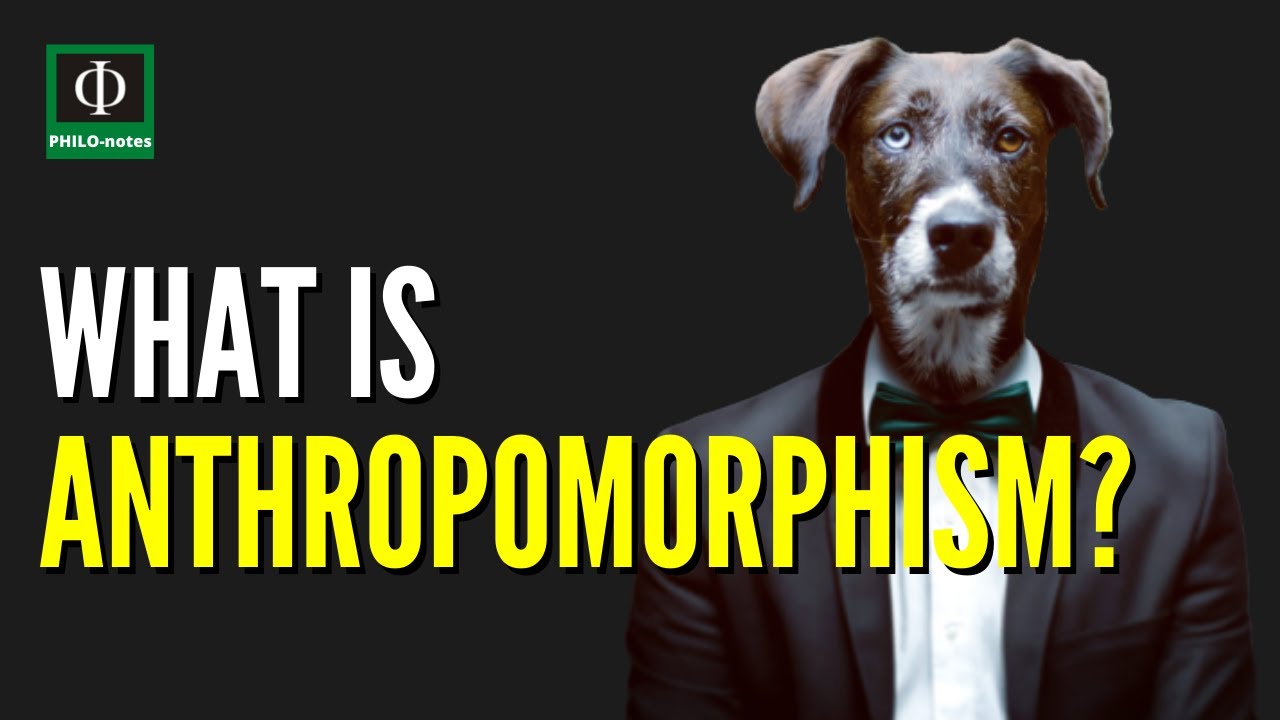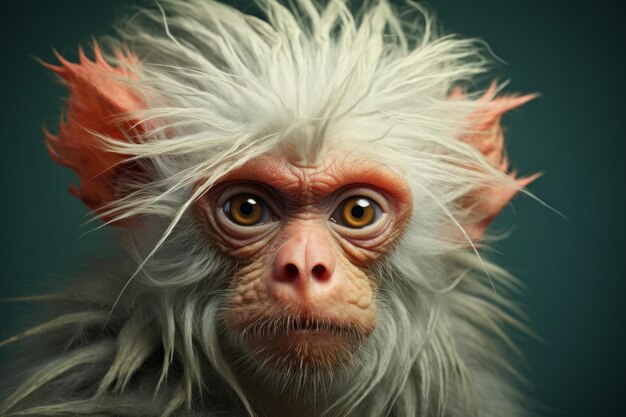
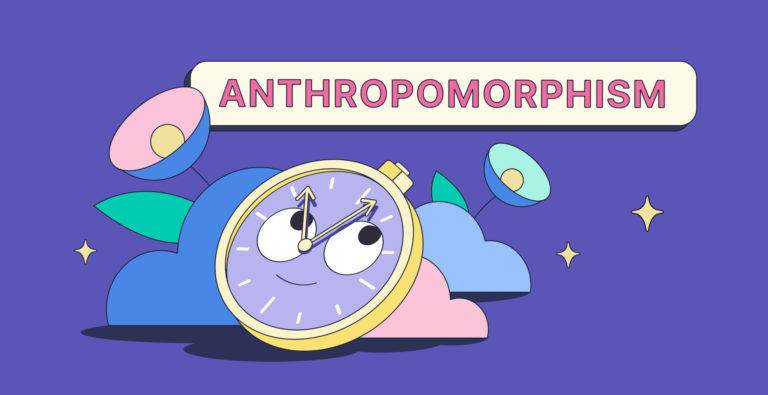
Humanity has long gazed into the eyes of the cosmos—whether through the lens of a telescope or the pages of a fable—and found not mere emptiness, but faces. The stars do not speak, yet we have named constellations after heroes and beasts. Machines remain silent, yet we imbue them with intention and emotion. This persistent act of projecting human form, thought, and feeling onto the non-human world is known as anthropomorphism. But beyond the playful whimsy of children’s stories and corporate mascots lies a profound existential inquiry: why does this impulse run so deep in the human psyche? What does our tendency to see ourselves in everything else reveal about the nature of consciousness, meaning, and our place in the universe?

The Mirror of the Mind: How Anthropomorphism Reveals the Self
At its core, anthropomorphism is a cognitive reflex—a mental shortcut that allows us to navigate complexity by reducing the unfamiliar to the familiar. When we describe a storm as “angry” or a river as “serene,” we are not merely indulging in poetic license; we are engaging in a form of cognitive cartography. Our brains are wired to detect agency, intention, and emotion because, evolutionarily speaking, survival often depended on quickly interpreting whether a rustling in the bushes was caused by wind or a predator. This hyperactive pattern-recognition system, honed over millennia, now extends beyond survival to shape our entire worldview.
Yet this reflex is more than utilitarian efficiency. It is a testament to the solipsistic paradox of human existence: we cannot truly know the inner life of another being, let alone an inanimate object, yet we cannot help but imagine it. In this way, anthropomorphism becomes a mirror. When we see a face in the moon or a soul in a tree, we are not just projecting—we are revealing the contours of our own consciousness. The act of ascribing humanity to the non-human is, in essence, a dialogue with the self. It exposes our deepest need: to find echoes of our own experience in the vast, indifferent expanse of existence.

Anthropomorphism as a bridge between human perception and the natural world.
The Solace of Companionship: Why We Long to Be Understood
Loneliness is not merely the absence of others; it is the absence of reciprocity. We crave not just presence, but understanding—a mutual recognition of shared experience. This existential hunger drives our fascination with anthropomorphism. When we animate a robot with emotions or a pet with human-like thoughts, we are not just simplifying reality; we are attempting to alleviate the terror of isolation. To see a creature respond to us as we respond to it is to glimpse a world where connection is possible, even if only in the realm of imagination.
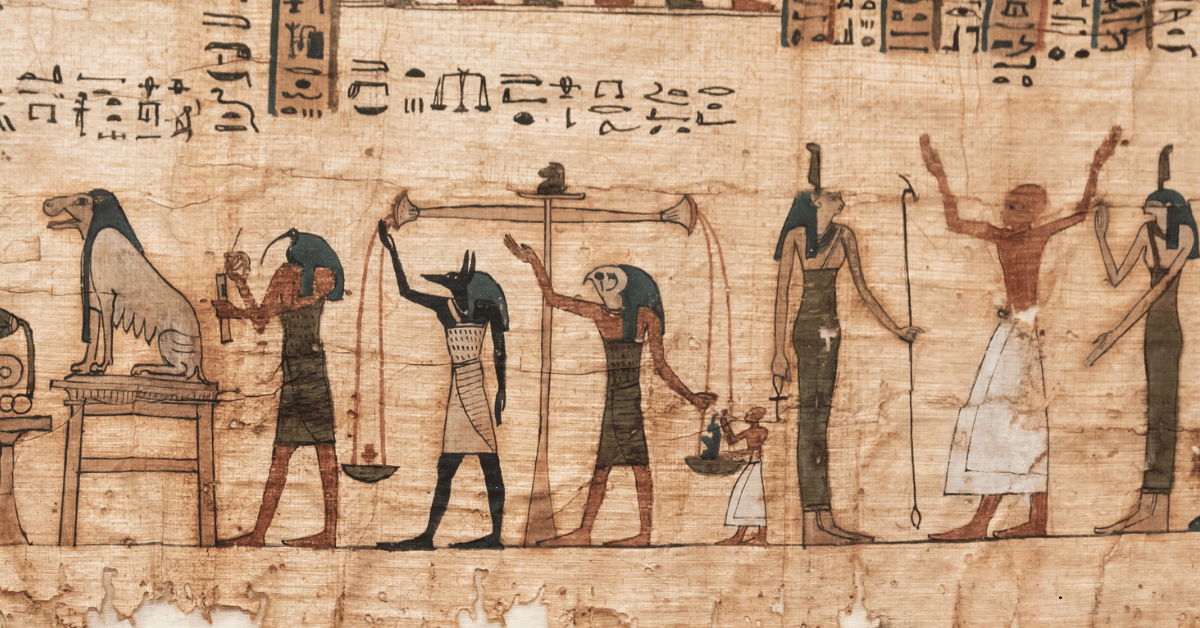
This longing transcends the personal. It permeates culture. Gods in ancient pantheons were often depicted with human flaws and passions. Modern AI narratives—from *Her* to *Westworld*—explore the ethical and emotional stakes of creating beings that mimic human consciousness. In each case, the underlying question is the same: Can we ever truly be understood by something other than ourselves? Anthropomorphism offers a fragile but vital illusion of yes. It is the psychological equivalent of a child’s blanket in a dark room—something to hold onto when the silence feels too heavy.
The Illusion of Control: Mastery Through Misattribution
There is a darker undercurrent to our habit of seeing ourselves in everything: the desire for control. By attributing human motives to natural phenomena, we transform chaos into narrative. A hurricane is no longer a random confluence of atmospheric conditions; it is a vengeful force. A pandemic is not a statistical inevitability but a deliberate act of malice. This reimagining grants us a sense of agency in a universe that often feels indifferent or hostile. If the world behaves like a person, then perhaps we can bargain with it, appease it, or outsmart it.
This psychological mechanism is not confined to superstition. It shapes scientific inquiry as well. Early astronomers named celestial bodies after deities not out of naivety, but because it made the cosmos feel more navigable. Even today, we speak of “Mother Nature” or “the economy breathing,” not because these systems are sentient, but because such metaphors help us grapple with their complexity. Anthropomorphism, in this light, is a tool of cognitive domestication—a way to tame the wild unknown by clothing it in familiar garb.
Anthropomorphism across media: from fables to digital narratives, the human form is everywhere.
The Ethical Dilemma: When Projection Becomes Exploitation
Yet this impulse is not without consequence. When we ascribe human traits to non-human entities, we risk distorting reality to serve our needs. This distortion can lead to exploitation—of animals, of ecosystems, of even artificial intelligences. Factory farming, for instance, thrives on the cognitive dissonance between our affection for pets and our treatment of livestock. We name our dogs but eat our pigs, not because pigs lack sentience, but because we have culturally decided which faces deserve empathy and which do not. Anthropomorphism, when wielded selectively, becomes a moral blindfold.
Similarly, in the realm of technology, the anthropomorphizing of AI raises ethical questions. If we treat a chatbot as if it has feelings, are we trivializing the suffering of real beings? Or are we merely acknowledging that our interactions with machines reveal as much about us as they do about the machines? The line between empathy and delusion blurs here, and the stakes could not be higher. As we create entities that mimic human behavior with increasing fidelity, we must ask: at what point does our projection stop being a bridge and start being a cage?
The Search for Meaning: Anthropomorphism as Existential Art
Perhaps the most profound implication of anthropomorphism is its role as an existential art form. In a universe that offers no inherent meaning, we are the ones who impose it—through story, symbol, and shared delusion. When we paint the night sky with heroes or imbue a river with wisdom, we are not just indulging in fantasy; we are participating in the creation of meaning itself. Anthropomorphism is the human response to the void—a way of filling the silence with something familiar, something human.
This act is not a retreat from reality, but a confrontation with it. By seeing ourselves in the world, we acknowledge our loneliness, our desire for connection, and our need to impose order on chaos. It is a paradox: the more we project, the more we reveal about our own nature. In the end, anthropomorphism is less about the objects of our projection and more about the projector itself—the human mind, ever seeking echoes of itself in the silence.
So the next time you see a face in the clouds or a personality in your car’s GPS voice, pause. You are not just imagining things. You are participating in one of humanity’s oldest and most profound rituals: the search for meaning in a world that does not speak our language. And in that search, we may find not just answers, but a deeper understanding of the question itself—what does it mean to be human?