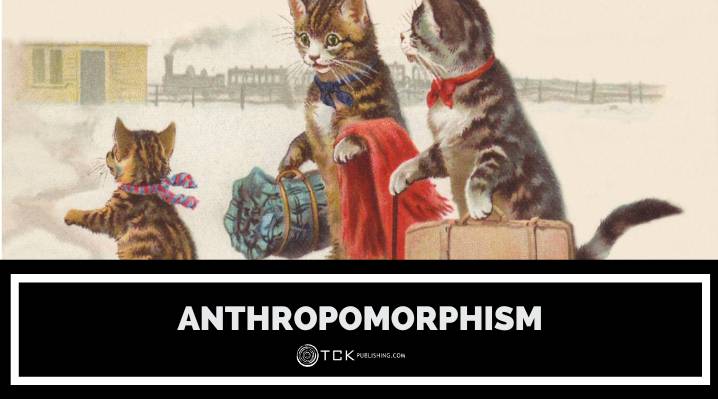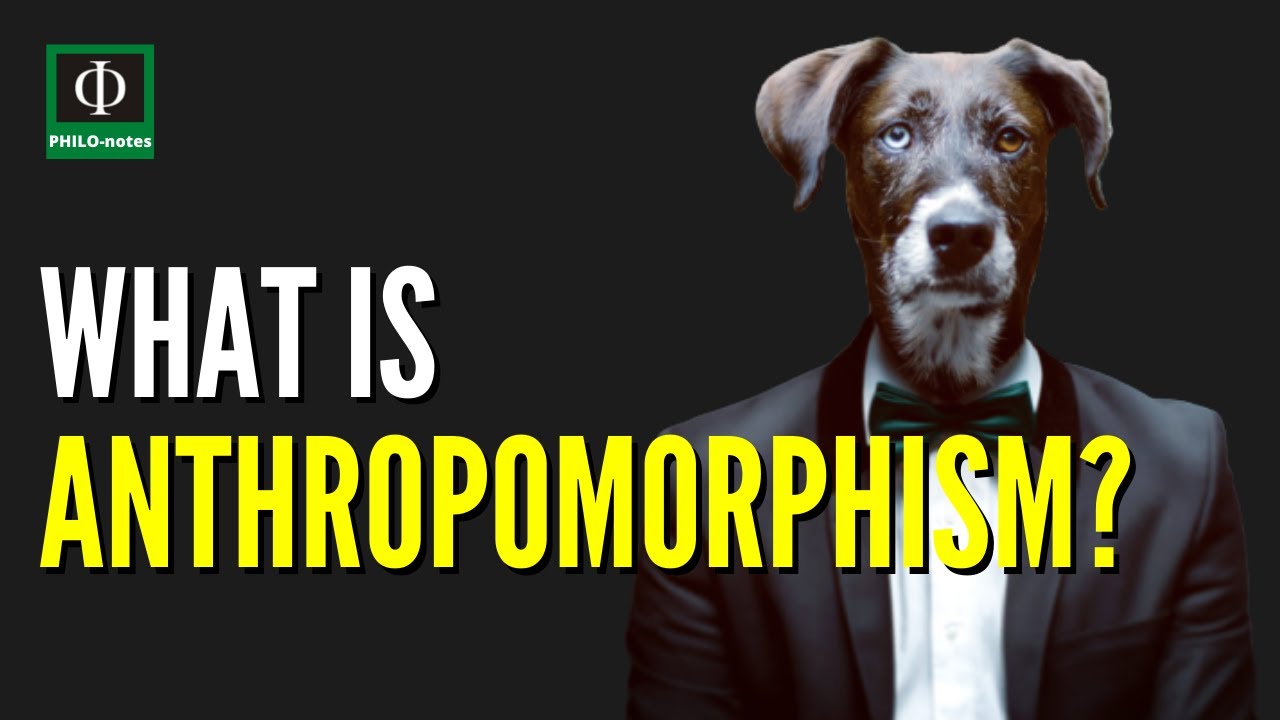
In the labyrinthine corridors of corporate communication, where data often speaks in cold, impersonal numbers, a curious phenomenon has begun to emerge—one that dares to humanize the otherwise sterile exchange of information. Anthropomorphism, the art of ascribing human traits to non-human entities, has slithered its way into internal communications, transforming bland memos into narratives and rigid policies into relatable allegories. But does this strategy truly resonate within the workplace, or is it merely a fleeting trend dressed in the garb of innovation? To unravel this, we must first understand the magnetic pull of anthropomorphism and its potential to redefine how organizations converse with their own workforce.
The Allure of the Inanimate: Why Anthropomorphism Captivates the Human Psyche
From the earliest myths where rivers wept and winds whispered to the modern-day branding of automobiles with “personalities,” humans have an innate tendency to anthropomorphize. This cognitive bias is not merely a quirk of storytelling; it is a survival mechanism, a way to navigate a complex world by framing the unfamiliar in terms of the familiar. When applied to internal communications, this instinct transforms abstract concepts—like quarterly targets or compliance protocols—into characters with motives, flaws, and even emotions.
Consider the humble spreadsheet. Once a cold repository of numbers, it can now be imagined as a stern but fair gatekeeper, demanding diligence before granting access to success. Or a company-wide email, which might be visualized as a town crier, heralding news with the urgency of a medieval proclamation. By endowing these entities with human-like qualities, organizations tap into a primal storytelling urge, making dry directives feel less like corporate mandates and more like shared adventures.
This phenomenon is not confined to the realm of fantasy. Neuroscience suggests that anthropomorphism activates the same brain regions associated with social cognition, effectively tricking the mind into engaging more deeply with the subject. When employees perceive their tools, policies, or even their company itself as quasi-human entities, they are more likely to feel a sense of connection, loyalty, and even responsibility toward them.
From Metaphor to Motivation: The Psychological Underpinnings of Anthropomorphic Communications
The power of anthropomorphism in internal communications lies in its ability to bridge the gap between the impersonal and the intimate. When a company’s internal newsletter is framed as a “monthly update from the heart of the organization,” it ceases to be a faceless document and becomes a messenger bearing news from a trusted confidant. This subtle shift in framing can significantly alter employee perception, transforming passive recipients of information into active participants in a dialogue.
Psychologists refer to this as the “parasocial interaction” effect—a one-sided relationship where employees feel a sense of familiarity and attachment to the anthropomorphized entity. This effect is particularly potent in remote or hybrid work environments, where physical distance can erode the sense of belonging. By personifying digital tools, workflows, or even the company’s mission, organizations can cultivate a virtual camaraderie that transcends the limitations of screens and spreadsheets.
Moreover, anthropomorphism can serve as a powerful tool for simplifying complexity. A compliance training module, for instance, might be personified as a wise but stern mentor, guiding employees through the labyrinth of regulations with patience and clarity. This approach not only makes the content more digestible but also reduces the cognitive load associated with absorbing dense material. When information is delivered through the lens of a relatable character, it becomes less intimidating and more engaging.
The Double-Edged Sword: Risks and Limitations of Anthropomorphic Internal Communications
While the benefits of anthropomorphism are compelling, they are not without their pitfalls. The most glaring risk is the potential for trivialization. When overused or poorly executed, anthropomorphism can reduce serious matters—such as workplace safety or ethical dilemmas—to mere caricatures, undermining their gravity. Employees may dismiss the message as frivolous or condescending, particularly if the metaphor feels forced or inauthentic.
Another challenge lies in the fine line between personification and personhood. If an organization’s internal communications consistently portray the company as a benevolent but all-powerful entity, employees may develop an unhealthy dependency on this “parental” figure, stifling innovation and critical thinking. The goal should not be to infantilize the workforce but to foster a sense of partnership, where employees see themselves as co-creators of the company’s narrative rather than mere subjects of its anthropomorphized will.
Cultural sensitivity also plays a crucial role. Not all employees may resonate with the same metaphors or anthropomorphic devices. In diverse workplaces, a one-size-fits-all approach to personification can inadvertently alienate segments of the workforce. For example, a playful tone that resonates with a younger, creative team might feel jarring or even patronizing to a more traditional or international audience. Tailoring anthropomorphic strategies to align with cultural and generational nuances is essential to avoid unintended missteps.
Case Studies in Corporate Anthropomorphism: Lessons from the Frontlines
Several forward-thinking organizations have already harnessed the power of anthropomorphism to revitalize their internal communications. Take, for instance, a global tech company that rebranded its quarterly performance reviews as a “performance audit by our internal auditors, the Audit Avengers.” This playful yet strategic move transformed a traditionally dreaded process into a collaborative quest, complete with themed emails and progress-tracking dashboards designed like comic book panels. The result? A 30% increase in employee participation and a noticeable shift in how the company’s performance metrics were perceived—less as a judgment and more as a shared challenge.
In another example, a healthcare organization personified its patient safety protocols as a “guardian angel” system, complete with visual cues and storytelling elements that framed compliance as an act of care rather than a bureaucratic hurdle. Employees reported feeling more motivated to adhere to protocols, not out of fear of reprimand, but out of a sense of duty to this metaphorical protector. The campaign also led to a reduction in safety incidents, suggesting that anthropomorphism can have tangible, measurable impacts on workplace behavior.
These case studies underscore a critical insight: the success of anthropomorphic communications hinges on authenticity. The metaphors must feel organic to the organization’s culture and values, rather than grafted on as a superficial gimmick. When done right, anthropomorphism can elevate internal communications from mere information dissemination to a form of corporate storytelling that inspires, motivates, and unites.
Designing Anthropomorphic Communications: A Practical Guide
Implementing anthropomorphism in internal communications requires more than just a sprinkle of creativity; it demands a strategic approach that balances innovation with intentionality. The first step is to identify the core message or objective of the communication. Is it to drive engagement? Simplify a complex process? Foster a sense of belonging? Once the goal is clear, the next step is to select an appropriate anthropomorphic device—a character, a narrative, or a metaphor—that aligns with the message and resonates with the audience.
For example, a company looking to improve its sustainability efforts might personify its environmental initiatives as a “green guardian,” a mythical figure tasked with protecting the planet. This character could be introduced through a series of emails, infographics, and even internal events, each framing the company’s sustainability goals as a collaborative mission to aid this guardian. The key is consistency; the anthropomorphic device should be woven into the fabric of the communication strategy, appearing in everything from onboarding materials to exit interviews.
Visual design plays a pivotal role in bringing anthropomorphic concepts to life. A well-crafted illustration or animation can make a character feel tangible and memorable. For instance, a “compliance crusader” might be depicted as a knight in shining armor, wielding a shield emblazoned with the company’s values. The use of color, typography, and iconography can further enhance the character’s personality, making it instantly recognizable and relatable.
Finally, feedback loops are essential to gauge the effectiveness of anthropomorphic communications. Surveys, focus groups, and informal check-ins can provide valuable insights into how employees perceive the metaphors and whether they are achieving the intended impact. This iterative process allows organizations to refine their approach, ensuring that the anthropomorphic elements remain relevant and resonant over time.
The Future of Anthropomorphism in Internal Communications: Trends and Predictions
As artificial intelligence and virtual reality technologies continue to evolve, the potential for anthropomorphism in internal communications is poised to reach new heights. Imagine a virtual assistant that doesn’t just answer questions but does so with the wit and charm of a beloved character, or a company-wide meeting where the CEO appears as an avatar, delivering a speech in a narrative style that feels like a fireside chat. These innovations could make anthropomorphic communications more immersive and interactive, blurring the lines between metaphor and reality.
Another emerging trend is the use of gamification in conjunction with anthropomorphism. By framing internal communications as a game—where employees “level up” their skills or “unlock” achievements—organizations can tap into the motivational power of play while reinforcing the human-like qualities of their tools and processes. For example, a customer service team might be encouraged to “train their empathy muscles” through role-playing scenarios, with progress tracked on a leaderboard that resembles a fitness app.
However, with these advancements comes the responsibility to wield anthropomorphism ethically. As organizations increasingly rely on AI-driven avatars and interactive characters, they must ensure that these tools do not manipulate or deceive employees. Transparency and authenticity should remain the cornerstones of any anthropomorphic strategy, lest the approach backfire and erode trust.
The future of internal communications may well lie in the delicate dance between the human and the humanized. By embracing anthropomorphism thoughtfully and creatively, organizations can transform their internal narratives into something far more compelling—a shared story where every employee, tool, and process plays a starring role.