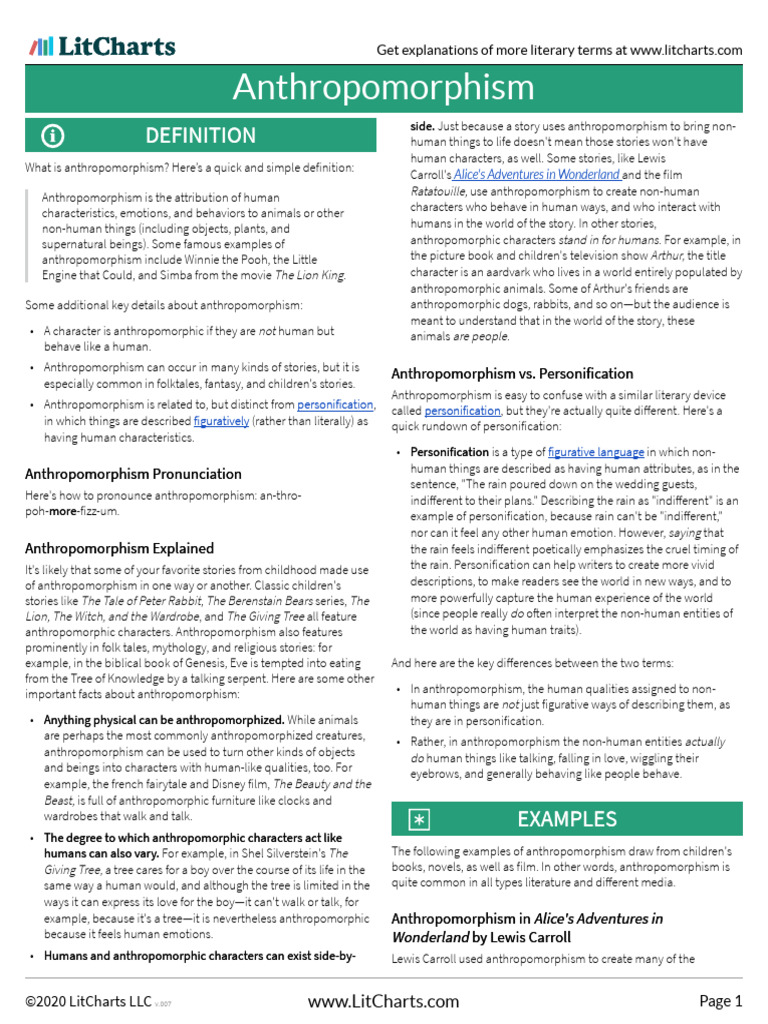
What if the most powerful figures in corporate corridors weren’t just humans—but something more? Not quite robots, not quite mythical creatures, yet unmistakably beyond the ordinary. CEOs, those architects of global commerce, often speak in ways that blur the line between person and persona. They don’t just lead; they embody. They don’t just strategize; they transform. And in doing so, they frequently wield anthropomorphic language—a linguistic sleight of hand that endows abstract concepts, institutions, and even themselves with human traits. But why? Why do these captains of industry cloak their messages in metaphorical fur, feathers, and faces?
The Allure of Relatability: Making the Abstract Feel Human
At first glance, corporate speak is a fortress of jargon and abstraction. Terms like “synergy,” “scalability,” and “paradigm shift” float like specters in boardrooms, untethered from lived experience. Yet CEOs routinely animate these concepts, imbuing them with voices, intentions, and even emotions. A company isn’t just “growing”; it’s “breathing,” “learning,” or “dreaming.” Markets don’t merely fluctuate; they “react,” “hesitate,” or “celebrate.” This linguistic alchemy serves a critical purpose: it humanizes the inhuman.
Consider the challenge of rallying a workforce around a quarterly earnings report. Numbers alone don’t inspire loyalty or passion. But when a CEO describes the organization as a “family fighting together,” or a product as a “companion that never gives up,” suddenly, the cold machinery of capitalism acquires a heartbeat. Anthropomorphism bridges the chasm between data and devotion, turning shareholders into stakeholders and employees into advocates. It’s not just about selling a vision—it’s about making people believe they’re part of something alive.
This strategy is particularly potent in eras of disruption. When industries face existential threats—AI replacing jobs, climate change reshaping markets—CEOs lean into anthropomorphic narratives to frame challenges as shared struggles. “Our company is resilient,” they might say, “like a tree bending in a storm.” The metaphor doesn’t just describe endurance; it invites identification. Employees aren’t just cogs in a machine; they’re limbs of an organism fighting to survive.

The Power of Personification: When Brands Become Characters
Anthropomorphism doesn’t stop at describing companies as living entities. It elevates brands to the status of characters in a larger narrative—heroes, mentors, or even tricksters. Think of Apple’s “Think Different” campaign, which framed the brand as a rebellious underdog challenging the status quo. Or Tesla’s Elon Musk portraying his company as a crusader against fossil fuels. These aren’t just products; they’re protagonists in a corporate saga.
The challenge here is authenticity. Audiences today are skeptical of corporate storytelling. They’ve seen too many brands pivot from villain to hero overnight, only to stumble when their actions don’t match their words. Yet when anthropomorphic language is wielded with sincerity, it can forge deep emotional connections. A CEO who describes their brand as “a guardian of innovation” isn’t just making a claim—they’re inviting trust. They’re saying, “We see ourselves as protectors, as allies in your journey.”
This technique is especially effective in consumer-facing industries. When a food brand describes its ingredients as “handpicked by nature,” or a tech company claims its software “learns alongside you,” it’s not just marketing—it’s mythmaking. These metaphors transform transactions into relationships. The customer isn’t buying a service; they’re joining a story where the brand plays a starring role. The risk? Overdoing it. When anthropomorphism veers into saccharine or gimmickry, it can backfire, leaving audiences rolling their eyes at what feels like corporate theatrics.
The Psychological Edge: Why Our Brains Love Personified Power
Anthropomorphism isn’t just a rhetorical flourish—it’s a cognitive shortcut. Humans are wired to recognize faces, emotions, and intentions, even where none exist. Evolutionary psychologists suggest this tendency, called agenticity, helped our ancestors survive by attributing agency to unseen forces—whether predators lurking in the dark or gods controlling the weather. Today, we apply the same mental machinery to corporations, markets, and even algorithms.
CEOs intuitively exploit this wiring. When they describe a company as “thirsty for success” or a competitor as “a sleeping giant,” they’re tapping into primal patterns of storytelling. These metaphors activate the brain’s limbic system, the seat of emotion and memory, making messages more memorable and persuasive. Studies in neuromarketing confirm that personified brands elicit stronger neural responses than abstract ones. In a world saturated with information, anthropomorphic language cuts through the noise by speaking directly to our ancient, emotional brains.
Yet this psychological advantage comes with a caveat. Overuse of anthropomorphism can infantilize complex systems. Markets aren’t children needing guidance; they’re dynamic, often unpredictable forces. When CEOs reduce economic realities to simplistic narratives—“Our brand is a warrior!”—they risk oversimplifying challenges that demand nuance. The challenge for leaders is to harness the emotional pull of personification without sacrificing analytical rigor.

The Leadership Paradox: Authority Through Vulnerability
Anthropomorphic language in CEO speeches does more than clarify or entertain—it reshapes the power dynamic between leader and audience. By describing themselves as “guardians,” “shepherds,” or “pioneers,” executives position their authority as protective rather than domineering. This is a subtle but profound shift. In an era where hierarchical leadership is increasingly scrutinized, personification offers a way to wield power while appearing approachable.
The challenge lies in balance. Too much anthropomorphism can make a CEO seem gimmicky or insincere. Too little, and the message loses its emotional resonance. The most effective leaders use personification sparingly, reserving it for moments that demand inspiration or unity. Satya Nadella’s transformation of Microsoft—from a “know-it-all” culture to a “learn-it-all” one—relied heavily on anthropomorphic metaphors. He didn’t just rebrand the company; he reimagined it as a curious, adaptive entity, mirroring the qualities he wanted to instill.
This approach also humanizes the CEO themselves. When a leader says, “We’re all in this together,” they’re not just making a statement—they’re inviting identification. They’re acknowledging that leadership isn’t about standing apart, but about being part of a larger story. The risk? If the metaphor feels forced or the leader’s actions contradict their words, the effect is the opposite of what was intended. Audiences see through inauthenticity faster than ever.
The Future of Corporate Personification: AI and the Next Frontier
As artificial intelligence becomes more integrated into business, the line between human and machine will blur further—and so will the language used to describe them. Already, companies refer to AI as “collaborators,” “teammates,” or even “colleagues.” CEOs may soon find themselves describing algorithms as “mentors” or “innovators,” extending anthropomorphism into the digital realm.
The challenge here is ethical. When a CEO personifies an AI system, are they fostering understanding—or obscuring accountability? If an algorithm makes a biased decision, is it “learning” or “failing”? The language we use shapes the questions we ask. As corporations increasingly rely on AI, the anthropomorphic narratives they employ will need to evolve from simplistic metaphors to nuanced discussions about collaboration, oversight, and shared responsibility.
This evolution will require more than clever phrasing. It will demand transparency, humility, and a willingness to confront the limitations of personification. The future of corporate language may lie not in making machines more human, but in making humans more aware of their own biases—and the stories they tell to justify them.