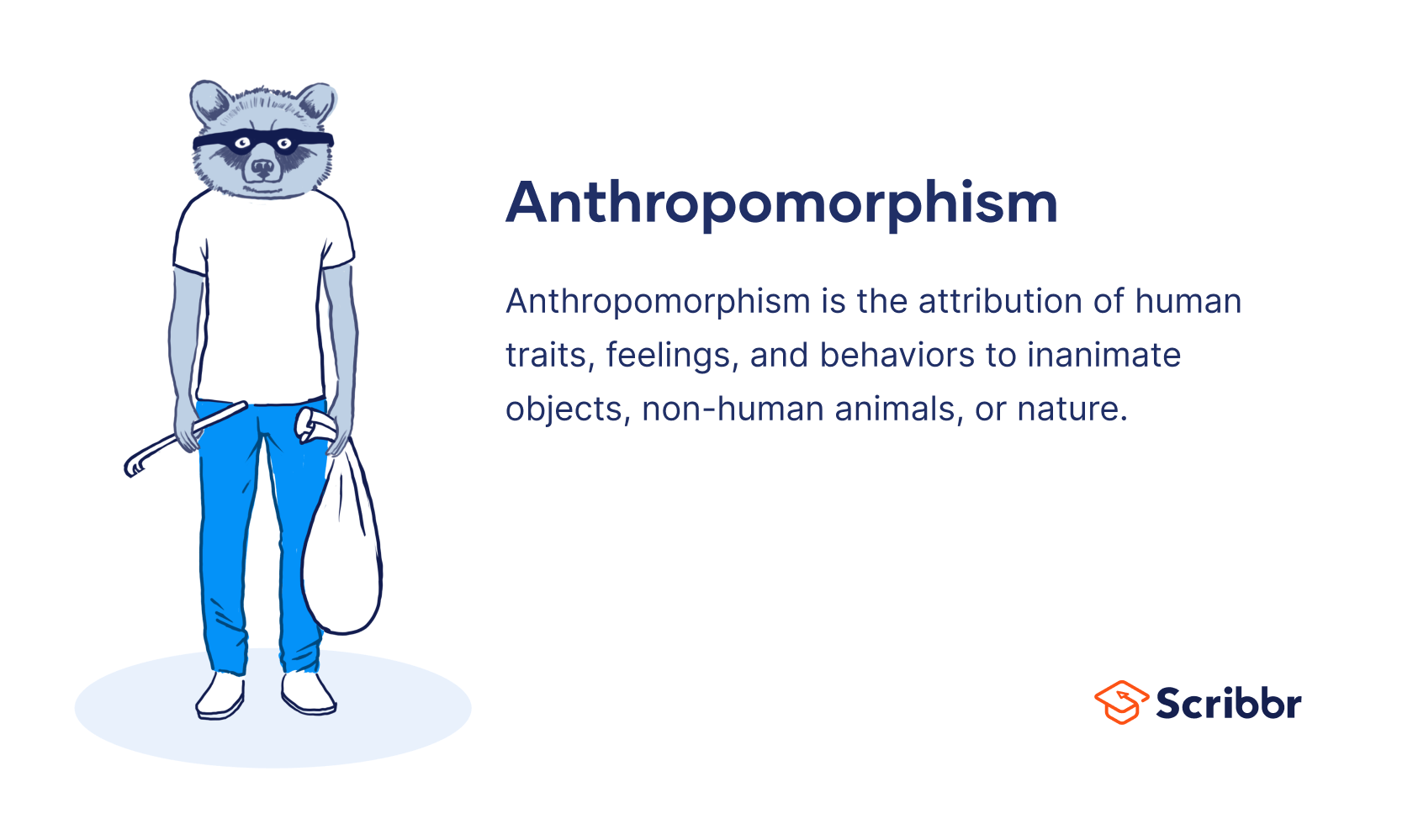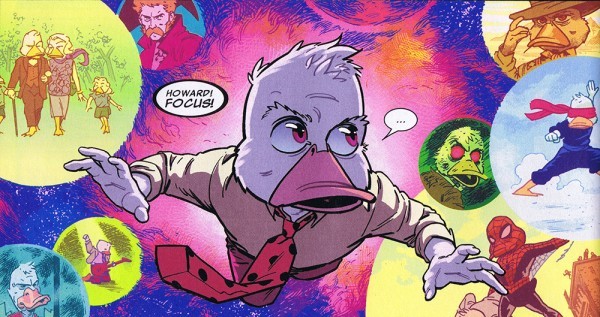
In the labyrinth of modern marketing, where consumer attention is a fleeting commodity, brands are increasingly turning to a timeless psychological phenomenon to forge deeper connections: anthropomorphism. This art of imbuing non-human entities with human-like traits—personality, emotion, intention—has evolved from a quaint storytelling device into a strategic cornerstone of corporate branding. By transforming logos, mascots, and even product designs into quasi-human characters, companies transcend mere functionality, inviting consumers into a narrative where brands feel relatable, trustworthy, and even endearing. The role of anthropomorphism in corporate branding is not merely about aesthetics; it’s a sophisticated tool that bridges the chasm between abstraction and empathy, turning corporate monoliths into companions in the consumer’s daily life.
The Psychological Foundations: Why Humans Personify the Inanimate
At its core, anthropomorphism is hardwired into human cognition, a cognitive shortcut that allows us to navigate a complex world by attributing agency to the inanimate. Evolutionary psychologists posit that this tendency stems from our ancestral need to predict and interpret the intentions of others—even when those “others” are objects or abstract concepts. When a brand adopts human-like qualities, it taps into this primal mechanism, triggering an automatic response: the brain perceives the brand not as a distant entity but as a potential ally or adversary. This phenomenon explains why consumers often describe brands with human traits—”Apple is innovative,” “Nike is determined”—as if they were sentient beings with personalities of their own. The emotional resonance of such attributions cannot be overstated; it fosters loyalty, mitigates perceived risk, and even justifies premium pricing.
Visual Anthropomorphism: Crafting Mascots and Logos with Soul
Visual anthropomorphism is the most immediate and visceral form of brand personification, where a logo or mascot becomes the physical embodiment of a brand’s ethos. Consider the golden arches of McDonald’s, which, with their playful, rounded edges, evoke a sense of warmth and accessibility—almost as if they’re beckoning you with a smile. Or the Michelin Man, a tire-shaped humanoid that transforms a utilitarian product into a jovial, almost mythical figure. These designs are not accidental; they are meticulously engineered to elicit specific emotional responses. The key lies in the subtlety of human features: eyes that follow the viewer, mouths that seem to grin or frown, or even the suggestion of posture—slumped shoulders for a brand conveying humility, or an upright stance for one exuding confidence. The challenge for designers is to balance recognizability with relatability, ensuring that the anthropomorphic element is both memorable and emotionally resonant.

Narrative Anthropomorphism: Storytelling as a Brand Persona
Beyond static imagery, anthropomorphism thrives in the realm of storytelling, where brands become protagonists in their own sagas. This narrative approach is particularly potent in campaigns that unfold across multiple touchpoints—social media, commercials, packaging—creating a cohesive mythos around the brand. Take, for example, the anthropomorphized “M&M’s” characters, each with distinct personalities (Red is bold, Yellow is cheerful, etc.), which allows consumers to project themselves onto these figures. Over time, these characters evolve, their storylines mirroring cultural trends or consumer aspirations. Narrative anthropomorphism turns passive observers into active participants, inviting them to root for the brand’s “success” or mourn its “failures.” The result is a brand that feels alive, its journey intertwined with the consumer’s own narrative.
Voice and Tone: The Sonic Anthropomorphism of Brands
Anthropomorphism isn’t confined to the visual; it permeates the auditory landscape of branding as well. The voice of a brand—its tone, pitch, and cadence—can imbue it with human-like qualities, whether it’s the authoritative baritone of a luxury brand or the playful lilt of a children’s toy. Consider the iconic “Intel Inside” jingle, a sonic signature that feels almost like a heartbeat, pulsating with reliability and modernity. Or the exaggerated, almost theatrical voice of the GEICO Gecko, whose sly charm makes insurance feel less like a chore and more like a conversation with a witty friend. Sonic anthropomorphism leverages the emotional power of sound to create a subconscious association between the brand and human traits like trustworthiness, humor, or sophistication. In an era where audio branding is gaining traction, this dimension of anthropomorphism is becoming increasingly critical.
Product Design: Infusing Utility with Personality
Even the most mundane products can benefit from anthropomorphic design, where functionality is augmented by a sense of character. Smart home devices, for instance, often feature rounded, minimalist designs with subtle facial cues—think of the “eyes” of a smart speaker or the “smile” of a robotic vacuum. These design choices make technology feel less intimidating and more approachable, as if the product is not just a tool but a collaborator. In the automotive industry, car grilles are often styled to resemble faces, with headlights as eyes and the bumper as a mouth, subtly conveying aggression (for sports cars) or friendliness (for family vehicles). This design philosophy extends to packaging as well, where anthropomorphic elements—such as a juice box with a straw “smiling” at the consumer—can make products stand out on crowded shelves.

The Ethical Dimension: When Anthropomorphism Crosses the Line
While anthropomorphism can be a powerful branding tool, it is not without ethical pitfalls. When brands adopt human-like traits, they risk manipulating consumer emotions in ways that border on deception. The line between fostering connection and exploiting vulnerability is thin, particularly in industries like finance or healthcare, where trust is paramount. For instance, a bank that personifies itself as a “friendly neighbor” might downplay the complexity of financial products, leading consumers to make ill-informed decisions. Similarly, food brands that anthropomorphize their products—imbuing a cereal mascot with a “hungry” personality—can inadvertently encourage unhealthy consumption patterns, especially among children. The ethical imperative for brands is to wield anthropomorphism responsibly, ensuring that it enhances transparency rather than obscures it.
Cultural Nuances: Anthropomorphism in a Globalized Market
Anthropomorphism does not operate in a cultural vacuum; its effectiveness varies dramatically across different societies. In Western markets, brands often lean into overtly human-like mascots (e.g., the Pillsbury Doughboy), reflecting a cultural emphasis on individualism and expressiveness. In contrast, Japanese branding frequently employs *kawaii* (cute) anthropomorphism, where characters like Hello Kitty or Pikachu embody innocence and harmony, aligning with societal values of collectivism and emotional restraint. Meanwhile, in cultures with strong animistic traditions—such as certain Indigenous communities—brands that adopt anthropomorphic traits may be perceived as sacrilegious or disrespectful. Global brands must navigate these cultural nuances with sensitivity, tailoring their anthropomorphic strategies to resonate with local sensibilities while avoiding missteps that could alienate key demographics.
Measuring Success: Metrics for Anthropomorphic Branding
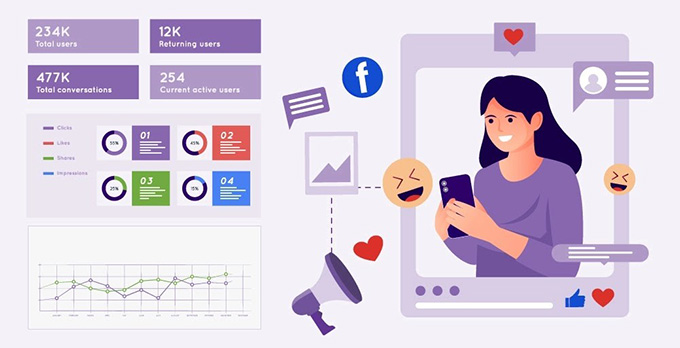
Quantifying the impact of anthropomorphism on branding is a multifaceted challenge, but several key metrics can provide insight into its effectiveness. Engagement rates—such as likes, shares, and comments on social media—often spike when brands deploy anthropomorphic content, as consumers interact with the brand as if it were a person. Surveys and focus groups can reveal shifts in brand perception, with participants more likely to describe anthropomorphized brands using human traits (e.g., “trustworthy,” “funny,” “reliable”). Sales data may also reflect the halo effect of anthropomorphism, particularly in categories where emotional connection drives purchasing decisions, such as toys, beverages, or luxury goods. Advanced tools like sentiment analysis and eye-tracking studies can further illuminate how consumers emotionally respond to anthropomorphic design elements, offering data-driven insights for future campaigns.
The Future: AI and the Next Frontier of Brand Anthropomorphism
As artificial intelligence and generative design technologies advance, the boundaries of anthropomorphism in branding are poised to expand dramatically. AI-driven chatbots and virtual assistants are already adopting human-like personas, with brands like Duolingo’s mascot Duo or Microsoft’s Copilot blurring the line between tool and companion. The next frontier may lie in dynamic, real-time anthropomorphism, where brands adapt their visual and narrative personas based on consumer interactions—imagine a logo that subtly changes its expression based on a user’s mood, detected via biometric data. However, this evolution raises new ethical questions about the authenticity of brand-persona relationships and the potential for hyper-personalized manipulation. The future of anthropomorphism in branding will likely hinge on striking a balance between technological innovation and the preservation of genuine human connection.