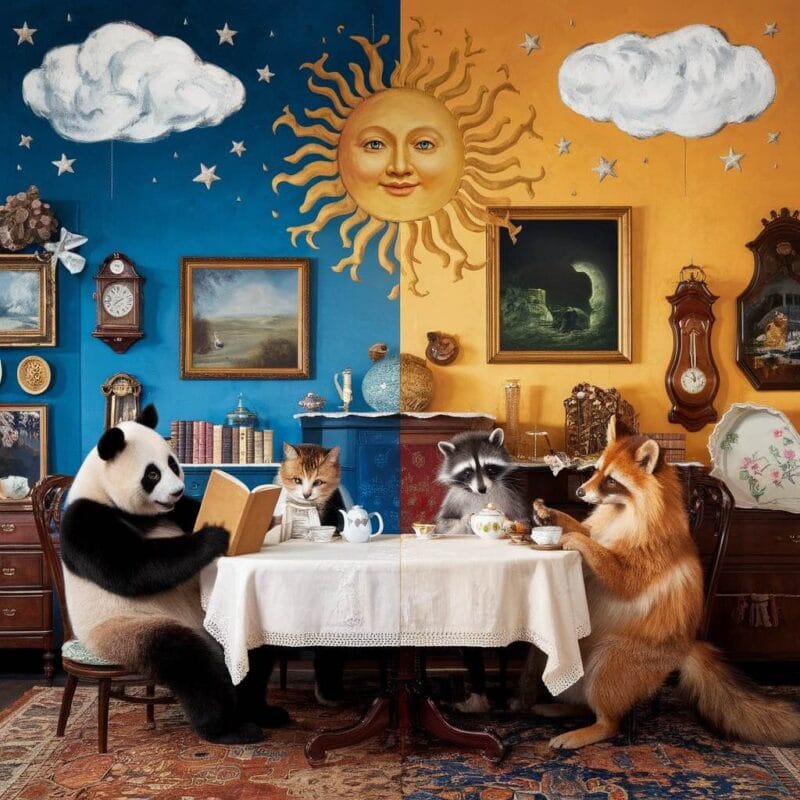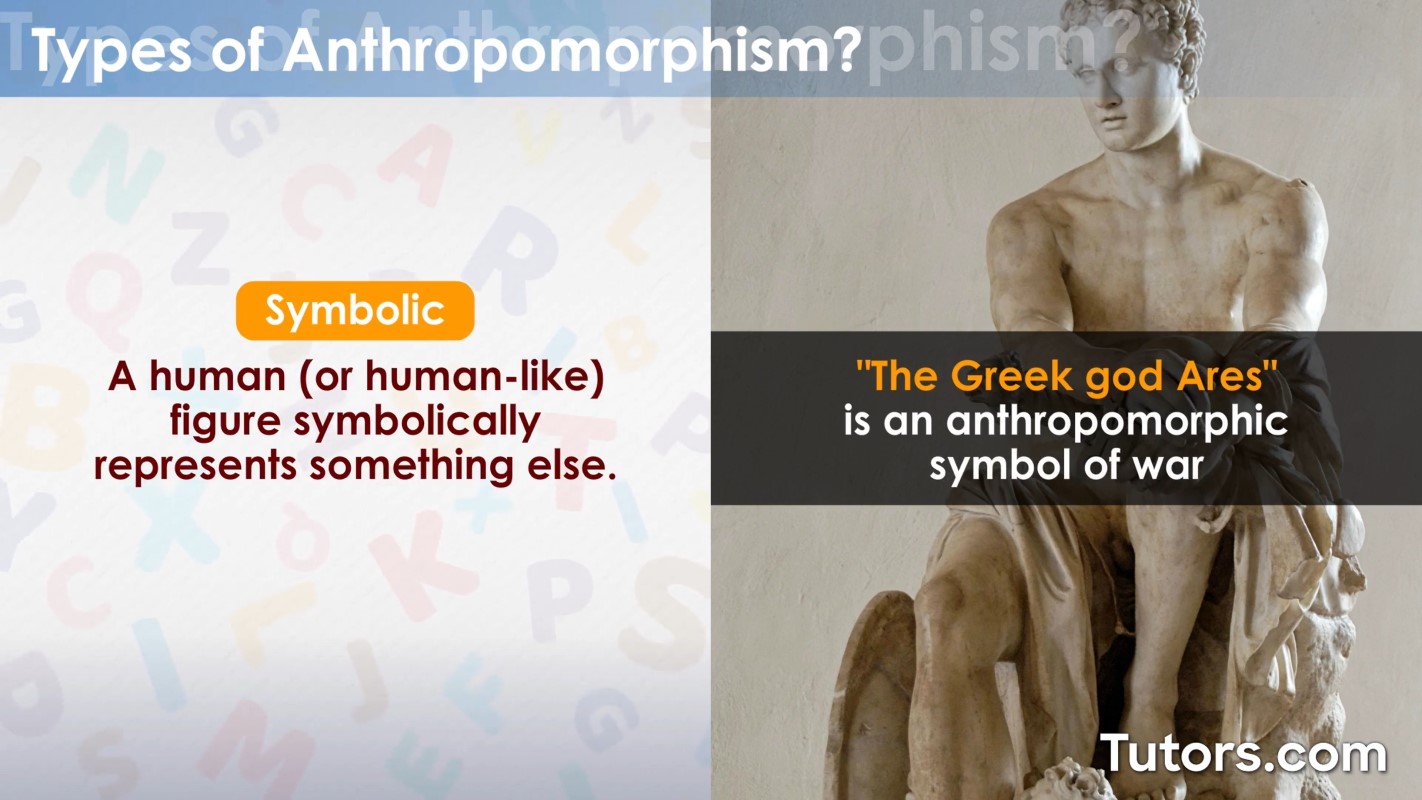
In the grand tapestry of human-animal relationships, few threads are as tightly woven—or as morally fraught—as anthropomorphism. This cognitive habit, the tendency to imbue non-human entities with human traits, emotions, and intentions, shapes not just our folklore and fables but also the very foundations of how we treat the creatures we raise for food. Farm animals, those silent sentinels of our agricultural systems, find themselves at the nexus of this phenomenon. They are, in many ways, the unwitting mirrors in which we project our own narratives, our ethics, and our contradictions. To understand how anthropomorphism affects their lives is to peer into a hall of distorting mirrors, where kindness and cruelty, empathy and exploitation, often blur into indistinguishable reflections.
The Illusion of Companionship: When Pigs Wear Human Faces
Picture the humble pig, a creature whose snout and curly tail have been caricatured into the stuff of children’s stories and animated films. We dress them in waistcoats, give them names like “Wilbur” or “Porky,” and weep when their fictional counterparts meet untimely ends. Yet, in the sterile confines of a slaughterhouse, these same animals are reduced to mere units of production, their individuality erased by the cold calculus of efficiency. This cognitive dissonance is the hallmark of anthropomorphism’s double-edged sword. By endowing farm animals with human-like qualities in our stories and media, we foster a superficial sense of kinship—one that rarely extends to the realities of their lives. The pig in the fairy tale is a friend; the pig on the farm is a commodity. The disconnect is not just tragic; it is a testament to how narrative can anesthetize us to suffering.
Consider the cow, a creature often depicted as a placid, almost saintly figure in pastoral art and literature. She grazes in sun-dappled meadows, her udders full of milk, her calves frolicking beside her. This pastoral fantasy, however, collides with the industrial reality where dairy cows are subjected to relentless cycles of impregnation and lactation, their calves torn away within hours of birth. Anthropomorphism, in this context, becomes a form of emotional sleight of hand. We project our idealized visions onto these animals, but the projections are selective, omitting the harshness of their existence. The cow in the children’s book is a symbol of nurturing; the cow in the milking parlor is a machine. The cognitive dissonance is not an accident—it is a feature of how we rationalize exploitation.
The Farm as a Stage: Dramatis Personae and the Script of Suffering
Anthropomorphism transforms the farm into a stage, where animals are cast in roles that serve human narratives. The sheep, for instance, is often portrayed as a meek, almost comical figure, her wool a metaphor for innocence and vulnerability. Yet, in the wool industry, sheep are subjected to mulesing—a painful procedure to prevent flystrike—without anesthesia. The disconnect between the pastoral image and the industrial practice is stark. We anthropomorphize the sheep as a gentle creature, but we fail to extend that gentleness to her lived experience. The farm, in this sense, becomes a theater of contradictions, where the script is written by human desires, and the animals are the unwitting actors.
Even the humble chicken, a creature often reduced to a clucking caricature in cartoons, is not spared this treatment. We anthropomorphize her as a doting mother, clucking over her chicks in a barnyard idyll. Yet, in the poultry industry, hens are crammed into cages so small they cannot spread their wings, their beaks trimmed to prevent cannibalism in the stress-induced chaos of confinement. The cognitive dissonance is glaring: we project maternal love onto the hen, but we deny her the most basic expressions of it. The farm, then, is not just a place of production; it is a stage where the script of suffering is written in the language of anthropomorphism.
The Moral Alchemy of Empathy: Turning Animals into Mirrors
Anthropomorphism is, at its core, an act of moral alchemy. By imbuing animals with human traits, we attempt to transmute their suffering into something relatable, something that resonates with our own experiences. Yet, this alchemy is rarely complete. The empathy we feel for the anthropomorphized animal is often fleeting, confined to the realm of fiction or sentimentality. It rarely translates into systemic change. The cow in the children’s book may elicit tears, but the cow in the slaughterhouse is just another statistic. The pig in the animated film may be a hero, but the pig in the pen is just another unit of production.
This selective empathy is not just a personal failing; it is a structural one. Anthropomorphism, when applied to farm animals, often serves to reinforce the very systems that cause their suffering. We project our own narratives onto them, but those narratives are shaped by our desires, our comforts, and our justifications. The result is a moral paradox: we claim to love animals, but we love them in ways that serve us. We anthropomorphize them into characters in our stories, but we deny them the autonomy to write their own. The farm, then, becomes a laboratory of moral experimentation, where empathy is tested and often found wanting.
The Silent Rebellion of the Anthropomorphized: When Animals Resist Their Roles
Yet, not all animals are willing participants in the anthropomorphic charade. Some resist their assigned roles with a quiet defiance that challenges our narratives. Pigs, for instance, are highly intelligent creatures capable of complex social behaviors and problem-solving. Yet, in the industrial farm, they are reduced to mindless eaters, their intelligence ignored in favor of efficiency. The cognitive dissonance here is not just ours; it is theirs. They know they are more than the caricatures we make of them, and their resistance—whether through escape attempts, maternal protectiveness, or sheer stubbornness—is a silent rebellion against the roles we force upon them.
Similarly, chickens exhibit behaviors that defy their anthropomorphized stereotypes. They form hierarchies, recognize individual faces, and even demonstrate empathy toward one another. Yet, in the poultry industry, these behaviors are dismissed as irrelevant, their individuality erased in the name of uniformity. The cognitive dissonance is not just ours; it is the chickens’. They know they are more than the clucking caricatures we make of them, and their resistance—whether through pecking orders that defy human control or through sheer survival in the face of adversity—is a testament to their unyielding spirit.
The Path Forward: Reimagining the Farm Without Mirrors
To move beyond the distortions of anthropomorphism, we must first acknowledge its limitations. Farm animals are not characters in our stories; they are sentient beings with their own lives, their own desires, and their own rights. The path forward lies not in projecting our narratives onto them, but in listening to their own. This requires a fundamental shift in how we perceive and interact with these animals—not as mirrors of our own humanity, but as individuals deserving of dignity and respect.
This shift begins with the stories we tell. Instead of anthropomorphizing farm animals into caricatures of human traits, we must learn to see them as they are: complex, intelligent, and capable of suffering. We must challenge the narratives that reduce them to commodities, and instead, embrace a vision of agriculture that prioritizes their well-being. This is not just a moral imperative; it is a practical one. As climate change and global food demands reshape our agricultural systems, the question of how we treat farm animals will become increasingly urgent. The answer lies not in the distortions of anthropomorphism, but in the clarity of empathy—an empathy that recognizes the animals as they are, not as we imagine them to be.

The farm, then, is not a stage for our narratives; it is a living ecosystem where the lives of animals intersect with our own. To treat them with the respect they deserve, we must first see them clearly—not through the distorting lens of anthropomorphism, but through the unfiltered lens of reality. Only then can we begin to write a new script, one where the animals are not characters in our stories, but the authors of their own lives.


![Case Study: How [Comic Series] Used Anthropomorphism to Stand Out](https://anthropomorphism.org/wp-content/uploads/2026/05/San-Diego-Comic-Con-2-scaled-1.jpg)