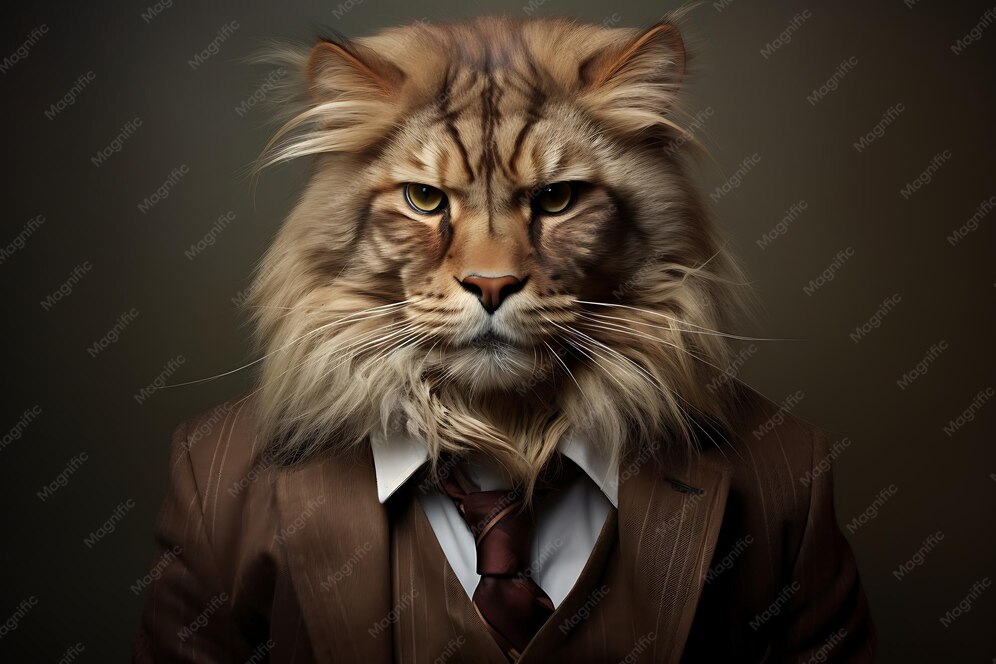
In the grand theater of nature, animals have long played their roles as silent observers—majestic, enigmatic, and untouched by the whims of human imagination. Yet, when we drape them in the garb of anthropomorphism, we transform them from mere creatures of instinct into characters of profound narrative depth. This act of ascribing human traits to non-human entities is not merely a fanciful exercise; it is a cognitive bridge that allows us to traverse the chasm between the familiar and the foreign, the known and the unknown. Anthropomorphism, in its most potent form, reshapes our perception of animals, turning them into mirrors that reflect our own emotions, struggles, and aspirations. It is a phenomenon that transcends cultural boundaries, weaving itself into the fabric of storytelling, art, and even scientific inquiry. To understand its impact is to peer into the very essence of how we, as humans, make sense of the world around us.
The Alchemy of Human Traits: How Anthropomorphism Transforms Perception
Anthropomorphism is the alchemical process by which the inanimate or non-human is infused with human essence. When we attribute emotions like joy, sorrow, or cunning to animals, we do more than embellish their existence—we humanize them, rendering them relatable in ways that defy biological reality. Consider the fox, a creature often depicted in folklore as a sly trickster. In reality, foxes are opportunistic hunters, driven by instinct rather than malice. Yet, when we cast them as cunning characters in fables, they become vessels for human morality, their actions a commentary on deceit and cleverness. This transformation is not superficial; it is a cognitive recalibration that allows us to project our own complexities onto the natural world. The result is a perceptual shift: animals cease to be mere specimens and become protagonists in the grand narrative of life.
This alchemy is not without its paradoxes. On one hand, anthropomorphism democratizes the animal kingdom, inviting us to see ourselves in its inhabitants. On the other, it risks reducing them to caricatures, stripping them of their intrinsic wildness. The line between reverence and reductionism is thin, and it is here that the artistry of anthropomorphism must tread carefully. When executed with nuance, it elevates animals from the mundane to the mythic, imbuing their existence with a grandeur that transcends their physical form.
The Emotional Resonance: Why We Feel for Animals as We Do for Ourselves
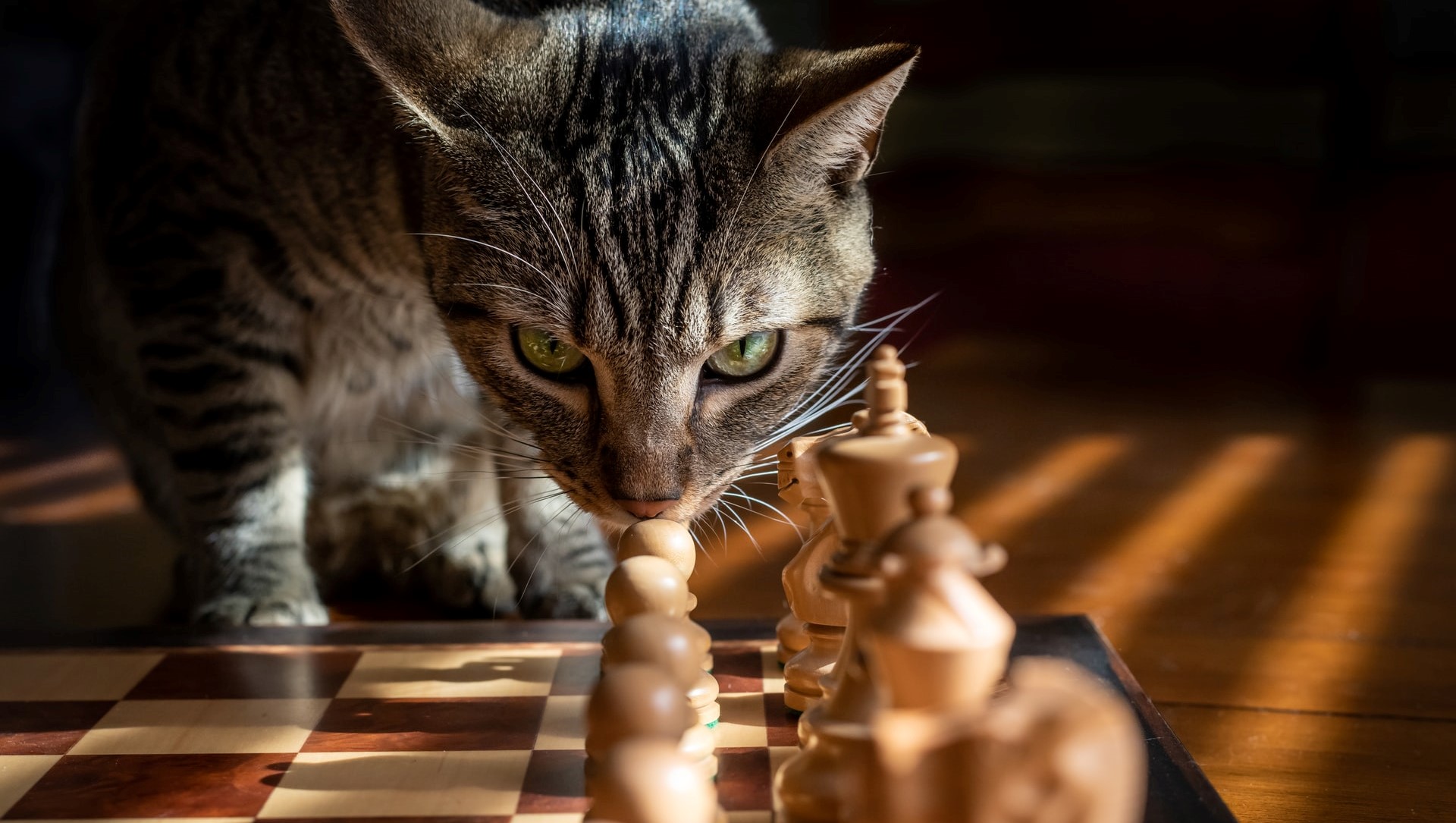
Emotions are the currency of anthropomorphism, the medium through which we forge connections with the non-human world. When a cartoon dog sheds a tear over the loss of its owner, or a wise old owl dispenses sage advice to a young protagonist, we do not question the plausibility of these scenarios. Instead, we feel the weight of their grief or the warmth of their wisdom, as if these emotions were universal rather than uniquely human. This emotional resonance is the secret sauce of anthropomorphism, the ingredient that makes it so irresistibly compelling.
Psychologists posit that our tendency to anthropomorphize stems from a fundamental need for social connection. Even when we know that an animal lacks the capacity for human-like emotions, we cannot help but project our own feelings onto them. This phenomenon, known as the “anthropomorphic bias,” is a testament to the power of narrative. It allows us to bridge the gap between the self and the other, to find kinship in the most unlikely of places. In this way, anthropomorphism becomes a tool for empathy, a means of extending our emotional reach beyond the confines of our own species.
Yet, this emotional resonance is a double-edged sword. While it can foster compassion and understanding, it can also lead to anthropocentric fallacies, where we assume animals experience the world in the same way we do. A dog’s wagging tail may signify joy to us, but to the dog, it could simply be a reflexive response to excitement. The challenge, then, is to wield anthropomorphism with discernment, using it to illuminate rather than obscure the true nature of animals.
The Narrative Power: How Stories Shape Our View of the Animal Kingdom
From Aesop’s fables to Disney’s animated classics, stories have long been the vehicle through which anthropomorphism takes flight. These narratives do more than entertain; they shape our collective imagination, casting animals as heroes, villains, and everything in between. In the process, they transform the animal kingdom into a vast, interconnected web of stories, each thread a testament to the power of human creativity.
Consider the wolf, a creature often vilified in Western folklore as a bloodthirsty predator. Yet, in Native American traditions, the wolf is revered as a symbol of loyalty and wisdom. These contrasting portrayals reveal the malleability of anthropomorphism, its ability to adapt to cultural narratives and moral frameworks. The wolf, in these stories, is not a static entity but a dynamic character, its essence shaped by the needs and values of the society that tells its tale. This narrative power is not confined to folklore; it permeates modern media as well, where animals are often cast as stand-ins for human dilemmas. A talking lion in a children’s film may grapple with themes of leadership and responsibility, while a wise old tortoise might embody the virtues of patience and perseverance.
The allure of these narratives lies in their ability to distill complex human experiences into simple, relatable stories. By casting animals as protagonists, storytellers invite us to explore our own emotions and dilemmas from a fresh perspective. In doing so, they blur the boundaries between the human and the non-human, creating a shared space where both can coexist.
The Ethical Dilemma: When Anthropomorphism Crosses the Line
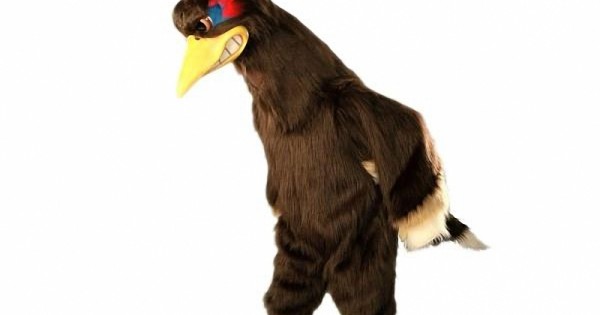
While anthropomorphism can be a force for good, it is not without its ethical pitfalls. The line between celebration and exploitation is often blurred, particularly in industries that rely on the commercialization of animal imagery. When animals are reduced to cuddly mascots or whimsical characters, their true nature is often obscured, replaced by a sanitized, anthropomorphized version that serves human interests. This phenomenon, known as “Disneyfication,” raises important questions about the ethical implications of anthropomorphism.
Consider the case of the “cute” animal, a trope that has become ubiquitous in advertising and media. The fluffy bunny, the playful puppy, the wise old owl—these characters are designed to evoke warmth and affection, but they often bear little resemblance to their real-life counterparts. In the process, they perpetuate a distorted view of animals, one that prioritizes cuteness over authenticity. This is not to say that anthropomorphism is inherently unethical; rather, it is a reminder that its power must be wielded responsibly. When used thoughtfully, anthropomorphism can foster empathy and conservation efforts. When used carelessly, it can perpetuate harmful stereotypes and misrepresentations.
The ethical dilemma extends beyond media and into the realm of science. Researchers who study animal behavior must grapple with the temptation to anthropomorphize their subjects, particularly when interpreting complex behaviors. A chimpanzee’s grooming habits might be seen as a sign of friendship, while a dog’s bark could be interpreted as laughter. These interpretations, while intuitive, can lead to flawed conclusions if not tempered by rigorous scientific inquiry. The challenge, then, is to strike a balance between the poetic and the empirical, to honor the uniqueness of animals while acknowledging their shared humanity.
The Scientific Paradox: Anthropomorphism in the Lab and the Wild
In the sterile confines of a laboratory, anthropomorphism is often viewed with suspicion, a potential contaminant in the pursuit of objective truth. Yet, even in the hallowed halls of science, the human tendency to project our own traits onto animals persists. This paradox is perhaps most evident in the field of comparative psychology, where researchers seek to understand the cognitive and emotional lives of animals. When a rat presses a lever to receive a reward, is it acting out of curiosity, or is it driven by a desire for success? The answer may lie somewhere in between, a blend of instinct and anthropomorphic interpretation.
In the wild, the stakes are even higher. Conservationists often rely on anthropomorphic narratives to rally public support for endangered species. A panda’s gentle demeanor, a whale’s haunting song—these traits are not merely biological facts; they are emotional hooks that draw us into the plight of these animals. The challenge for scientists is to harness the power of anthropomorphism without sacrificing the integrity of their research. This requires a delicate balance, one that acknowledges the limitations of our understanding while embracing the potential of our imagination.
The scientific paradox of anthropomorphism is a reminder that our perception of animals is never purely objective. It is shaped by our own experiences, our cultural narratives, and our innate desire to find meaning in the natural world. In this sense, anthropomorphism is not just a tool for storytelling or art; it is a fundamental aspect of how we engage with the world around us.
The Future of Anthropomorphism: A Bridge Between Worlds
As we stand on the precipice of a new era, one defined by technological advancement and environmental crisis, the role of anthropomorphism in shaping our perception of animals is more relevant than ever. In an age where artificial intelligence and virtual reality blur the boundaries between the human and the non-human, the need for thoughtful, nuanced anthropomorphism has never been greater. It is a bridge that can connect us to the natural world, fostering empathy and understanding in an increasingly fragmented world.
Yet, this future is not without its challenges. As we continue to anthropomorphize animals, we must remain vigilant against the pitfalls of reductionism and exploitation. The key lies in embracing anthropomorphism as a tool for connection, rather than a means of control. By doing so, we can transform our perception of animals from one of dominance to one of kinship, recognizing that we are not separate from nature, but an integral part of its grand tapestry.
The journey of anthropomorphism is far from over. It is a story that continues to unfold, a narrative that invites us to explore the boundaries of our own humanity. In the end, it is not just about how we see animals, but about how we see ourselves. And in that reflection, we may find not just a mirror, but a window—one that opens onto a world of wonder, connection, and shared existence.