In the ever-evolving landscape of user experience (UX) design, one phenomenon has quietly reshaped how humans interact with technology: anthropomorphism. The tendency to attribute human-like qualities to non-human entities isn’t new—it’s woven into the fabric of storytelling, mythology, and even our earliest interactions with tools. Yet, its deliberate application in digital interfaces has unlocked unprecedented levels of engagement, trust, and intuitiveness. This case study explores how a pioneering company harnessed anthropomorphism not just as a design flourish, but as a strategic lever to elevate user satisfaction and product adoption.
The Allure of the Human Touch in Digital Interfaces
At its core, anthropomorphism in UX design is more than a visual gimmick—it’s a psychological bridge. Humans are wired to respond to faces, emotions, and narratives. When a chatbot greets you with a friendly avatar or a smart speaker’s voice carries a tone of empathy, it doesn’t just feel familiar; it feels human. This isn’t mere coincidence. Studies in cognitive psychology reveal that our brains process anthropomorphized interfaces with the same neural pathways activated by real human interactions. The company in question recognized this innate predisposition and transformed it into a cornerstone of their design philosophy.
Consider the frustration of navigating a clunky, impersonal app. Users often abandon such experiences not because the functionality is lacking, but because the interface feels cold and transactional. By infusing their product with subtle human cues—such as a loading animation that mimics a heartbeat or an error message phrased as a gentle apology—the company cultivated an emotional resonance. This wasn’t about deception; it was about alignment. Users don’t just want tools; they want companions. The deeper reason for this fascination lies in our evolutionary history. For millennia, survival depended on recognizing and interpreting human cues. Today, those same instincts drive our preference for interfaces that feel human, even when we know they’re not.
Designing Beyond the Screen: The Four Degrees of Anthropomorphism
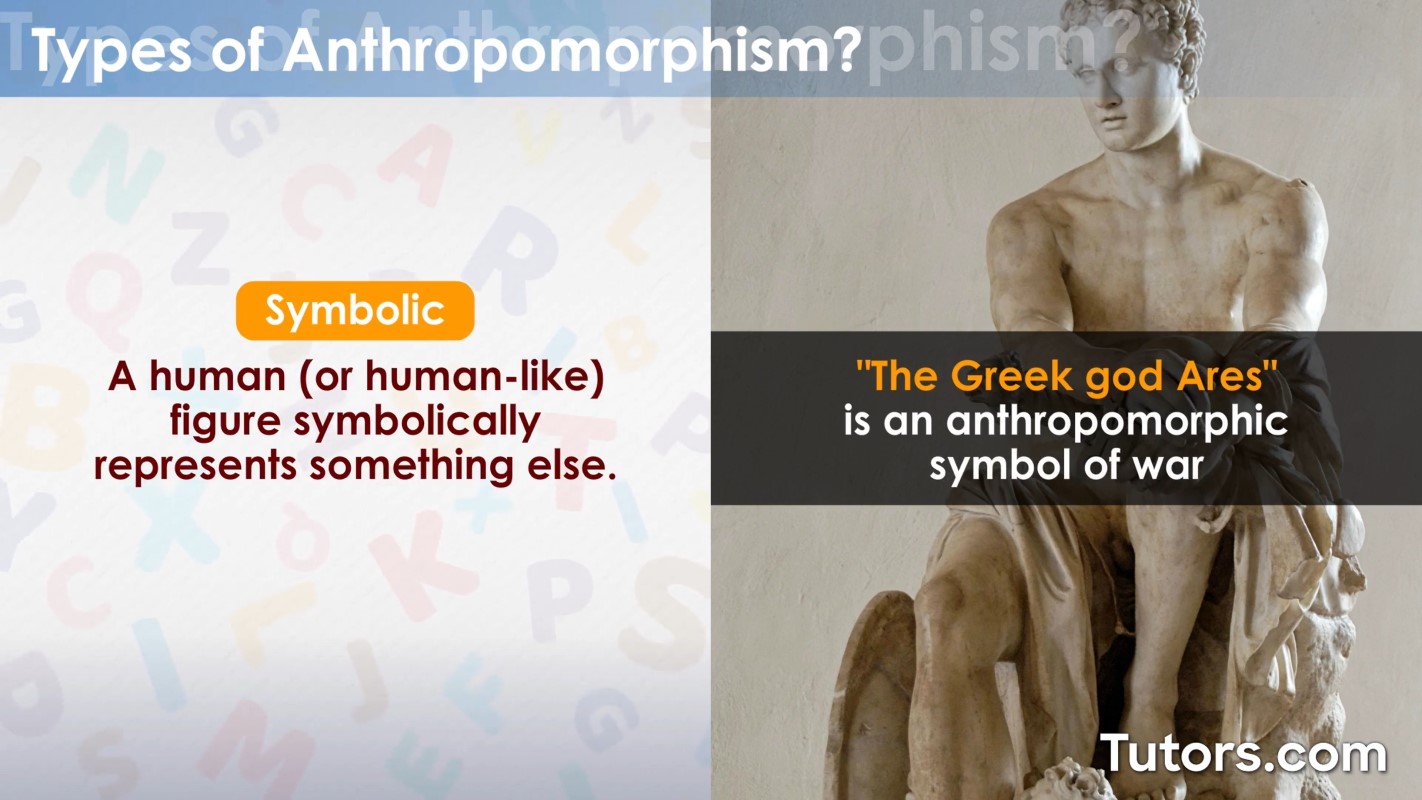
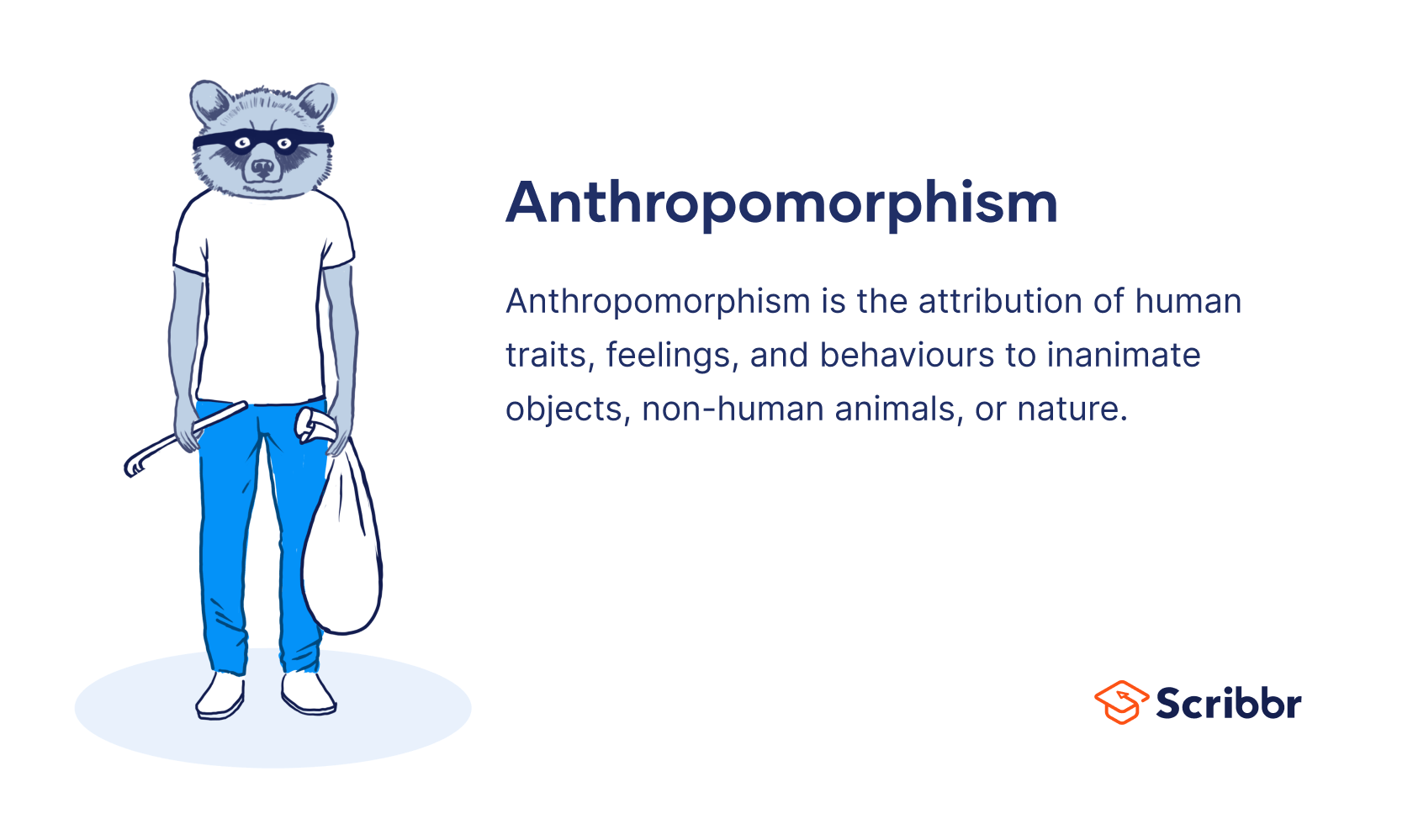
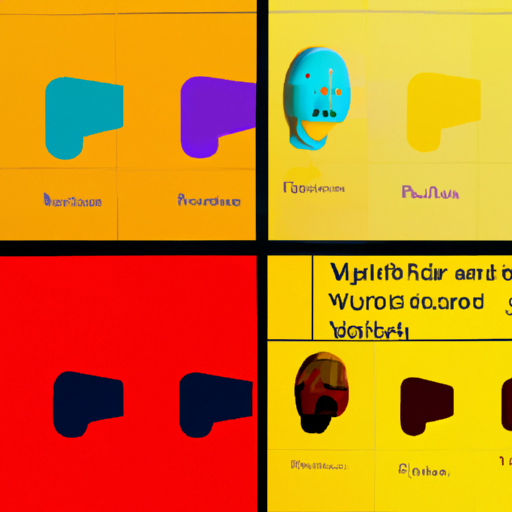
Not all anthropomorphism is created equal. The company adopted a nuanced framework, categorizing their approach into four distinct degrees—each serving a unique purpose in the user journey. The first degree, visual anthropomorphism, involves the most overt cues: avatars, emojis, or illustrations that resemble human forms. This is the easiest to implement but also the most superficial. The second degree, behavioral anthropomorphism, focuses on actions—how an interface responds to user input with human-like timing, tone, or adaptability. For instance, a virtual assistant that pauses thoughtfully before answering mimics the cadence of human conversation.
The third degree, emotional anthropomorphism, delves into the realm of sentiment. This is where the company truly innovated. By analyzing user interactions in real-time, their system could detect frustration or confusion and adjust its responses accordingly—softening its tone, offering reassurance, or even injecting a touch of humor. The fourth degree, narrative anthropomorphism, weaves a story around the user’s experience. Whether through onboarding tutorials framed as a journey or progress bars that depict a character’s growth, this approach transforms passive users into active participants in a larger narrative.
The brilliance of this framework lies in its scalability. A beginner might encounter a visually anthropomorphized interface, while a power user benefits from the emotional and narrative layers. This tiered approach ensures that anthropomorphism serves as a tool for both accessibility and depth, catering to the diverse cognitive needs of users. It’s a reminder that good design isn’t about one-size-fits-all solutions; it’s about meeting users where they are, both literally and psychologically.

The Pitfalls and Paradoxes of Humanizing Technology
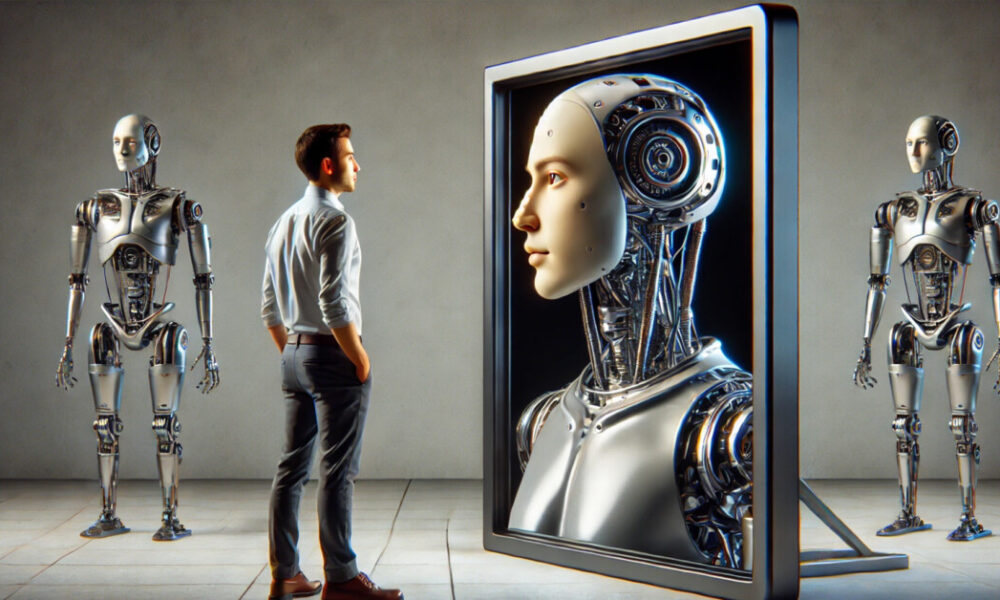
Of course, anthropomorphism isn’t without its challenges. The most glaring risk is the uncanny valley—the unsettling feeling that arises when a digital entity appears almost, but not quite, human. A poorly designed chatbot with exaggerated facial expressions or an unnaturally cheerful tone can evoke discomfort rather than connection. The company navigated this by adhering to a principle of subtle anthropomorphism. Their avatars were stylized rather than photorealistic, and their voices carried a measured warmth without veering into saccharine. They also conducted rigorous user testing to identify and mitigate any creeping unease.
Another paradox lies in the expectation gap. When users anthropomorphize an interface, they may unconsciously project human capabilities onto it—demanding empathy, creativity, or even moral reasoning. The company preempted this by setting clear boundaries. Their virtual assistant, for example, could offer emotional support within predefined parameters but would gracefully defer to human agents for complex issues. This balance between human-like interaction and machine-like reliability was crucial. It acknowledged the user’s emotional needs without overpromising on the system’s actual capabilities.
There’s also the ethical dimension to consider. Anthropomorphism can blur the line between tool and companion, raising questions about manipulation and consent. The company addressed this by ensuring transparency—users were always aware they were interacting with an AI, and the anthropomorphic elements were framed as enhancements, not deceptions. This ethical rigor wasn’t just about compliance; it was about building trust. In an era where users are increasingly skeptical of digital interactions, authenticity is the ultimate currency.
Measuring the Impact: Beyond Metrics to Meaning
How does one quantify the success of anthropomorphism? Traditional UX metrics—task completion rates, error rates, time-on-task—only tell part of the story. The company augmented these with qualitative measures, such as user sentiment analysis and emotional response tracking. Surveys revealed that users reported feeling more understood and valued when interacting with anthropomorphized interfaces. Support tickets decreased as users found answers more intuitively, and retention rates soared as the product became a familiar, almost beloved part of their daily routine.
Yet the most telling indicator was the shift in user behavior. Where once users treated the interface as a distant tool, they now engaged in conversational exchanges—asking follow-up questions, sharing personal anecdotes, or even apologizing when they made mistakes. This wasn’t just improved usability; it was the emergence of a relationship. The company’s data science team discovered that users who anthropomorphized their product were 30% more likely to recommend it to others, a testament to the power of emotional connection in driving organic growth.
But perhaps the most profound impact was internal. Designers and developers began to view their work through a new lens—not as creators of functional tools, but as architects of experiences. This shift in perspective fostered a culture of empathy, where every feature was evaluated not just for its utility, but for its emotional resonance. It’s a reminder that the best UX design doesn’t just solve problems; it creates moments of connection.
The Future: Where Anthropomorphism Meets Agency
The story of this company’s success isn’t just a case study in UX design—it’s a glimpse into the future of human-computer interaction. As AI becomes more sophisticated, the line between anthropomorphism and actual sentience may blur further. The next frontier lies in collaborative anthropomorphism, where users and interfaces co-create experiences that feel genuinely alive. Imagine a virtual assistant that doesn’t just respond to your needs but anticipates them by learning from your habits, quirks, and even your moods.
Yet, as we venture deeper into this territory, we must remain vigilant. Anthropomorphism should never be a crutch for poor design or a substitute for genuine innovation. The goal isn’t to make technology seem human, but to make it feel human in the most authentic way possible. The company’s journey offers a roadmap: start with empathy, iterate with intention, and always prioritize the user’s emotional well-being over short-term engagement gains.
In the end, the fascination with anthropomorphism reveals something fundamental about us—not just as users, but as humans. We crave connection, even in the most unlikely places. And perhaps that’s the most human thing of all.

![Case Study: How [Tech Company] Used Anthropomorphism to Improve UX](https://anthropomorphism.org/wp-content/uploads/2026/05/Company-Case-Study-Template-edit-online.png)