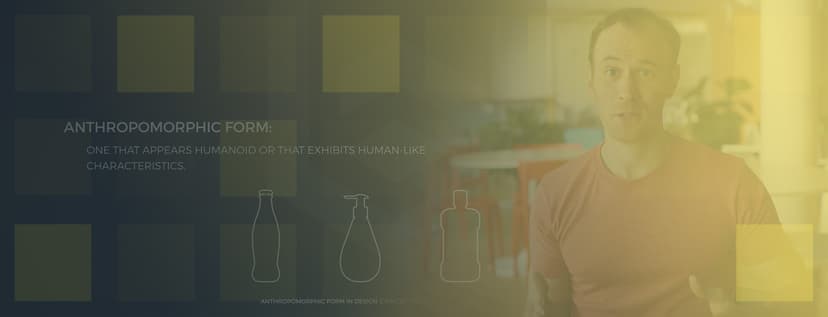
In the realm of design, the allure of anthropomorphism—the attribution of human traits, emotions, or intentions to non-human entities—can be irresistible. It promises to make interfaces more relatable, products more engaging, and experiences more intuitive. Yet, when wielded without restraint, anthropomorphism risks crossing into the uncanny valley, where familiarity curdles into discomfort, and clarity dissolves into confusion. The challenge, then, is not to abandon anthropomorphic design cues entirely but to deploy them with precision, ensuring they serve the user rather than obscure the interface’s purpose. This article explores how to strike that balance, transforming anthropomorphism from a crutch into a catalyst for thoughtful design.
The Pitfalls of Over-Anthropomorphizing: When Design Becomes a Puppet Show
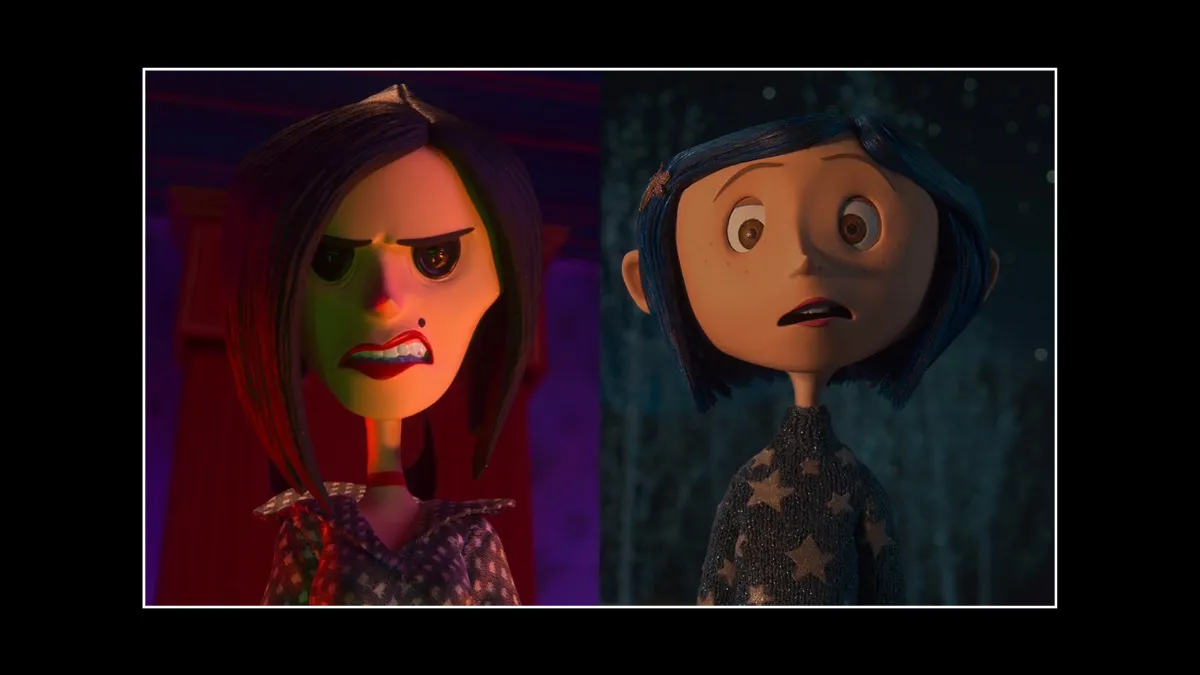
Anthropomorphism is a double-edged sword. On one side, it can humanize technology, making it feel less like a cold, unfeeling machine and more like a companion. On the other, it can devolve into a grotesque caricature of humanity, where a chatbot’s exaggerated smile feels as unsettling as a wax museum figure. The danger lies in the uncanny valley—that psychological chasm where objects appear almost human but not quite, triggering a visceral sense of unease. When design leans too heavily into anthropomorphic tropes—excessive facial expressions, overly verbose error messages, or robotic voices that mimic human inflections without authenticity—it risks undermining its own credibility.
Consider the case of a virtual assistant that apologizes profusely for minor delays. While the intention is to soften the user’s frustration, the result can feel disingenuous, as if the system is performing empathy rather than embodying it. The key is to recognize that anthropomorphism should enhance functionality, not replace it. A well-designed system doesn’t need to pretend to be human; it needs to respect the user’s intelligence by being transparent about its limitations.
Clarity Over Cuteness: The Case for Functional Anthropomorphism
Not all anthropomorphic design is inherently flawed. When used judiciously, it can clarify complex interactions. For example, a loading spinner shaped like a spinning globe subtly communicates progress without requiring the user to interpret a numerical percentage. The difference between this and a gratuitous anthropomorphic feature lies in purpose: the former serves a functional role, while the latter exists solely for aesthetic or emotional appeal. The shift in perspective here is to prioritize utility over whimsy.
Another example is error messages that adopt a conversational tone. Instead of a cold, technical “Error 404: Not Found,” a message like “Oops! We couldn’t locate that page—let’s try a different route” can make the experience feel less alienating. The anthropomorphic touch here is minimal but intentional, designed to reduce frustration rather than manufacture empathy. The lesson is clear: anthropomorphism should be a tool for clarity, not a distraction from it.
The Psychology Behind Anthropomorphism: Why We See Faces in Everything
To avoid over-anthropomorphizing, designers must first understand why humans are so prone to projecting human traits onto non-human objects. Evolutionary psychologists suggest that our brains are wired to detect agency—even where none exists—because mistaking a predator for a rock could be fatal. This hyperactive agency detection explains why we perceive faces in clouds or attribute intentions to inanimate objects. In design, this cognitive bias can be leveraged, but it must be harnessed with care.
For instance, a smart speaker’s glowing blue ring might be interpreted as a “listening” state, but if the ring pulses erratically, it could be mistaken for anxiety or impatience. The solution is to align anthropomorphic cues with predictable, logical behaviors. A progress bar that fills smoothly conveys reliability, while a bouncing dot animation suggests liveliness—both are anthropomorphic in spirit but serve distinct psychological purposes. The takeaway? Designers should exploit this bias not to deceive, but to guide.
Cultural Nuances: The Global Paradox of Human-Like Design
Anthropomorphism is not a universal language. What feels friendly in one culture may come across as condescending or even insulting in another. For example, while Western audiences might appreciate a playful error message with a cartoon character, users in cultures with high power distance (where hierarchy is strictly observed) could find such levity disrespectful. Similarly, the use of human-like avatars in customer service interfaces may be well-received in individualistic societies but perceived as intrusive in collectivist ones.
Designers must conduct thorough cultural audits to ensure their anthropomorphic elements resonate across diverse audiences. This might involve testing emojis, gestures, or even the tone of voice in different regions. The goal is to create a design that feels globally human without being culturally myopic. The shift here is from assuming universality to embracing specificity—a move that paradoxically makes the design more universally relatable.
Ethical Considerations: The Moral Weight of Human-Like Design
Beyond aesthetics and functionality, anthropomorphism raises ethical questions. When a chatbot mimics human conversation, does it deceive users into believing they’re interacting with a real person? When a robot’s “eyes” follow a user around a room, does it encroach on their sense of personal space? These are not mere philosophical musings; they have tangible consequences. Over-anthropomorphizing can erode trust, especially in industries like healthcare or finance, where transparency is paramount.
Designers must ask themselves: Is this anthropomorphism necessary, or is it gratuitous? If a feature exists solely to make a product “feel” more human, it may be worth reconsidering. Instead, focus on creating experiences that are intuitive and respectful. A banking app doesn’t need a smiling teller avatar to guide users; it needs clear navigation and transparent processes. The ethical imperative is to use anthropomorphism as a bridge to understanding, not a veil to obscure truth.
Practical Strategies: How to Anthropomorphize Without Overdoing It
So, how can designers strike the right balance? Start with the principle of minimalism. Introduce anthropomorphic elements only where they solve a problem or enhance clarity. For example:
- Micro-interactions: A subtle animation when a button is pressed can make an interface feel responsive without veering into the uncanny.
- Voice and Tone: A friendly but concise error message can soften frustration without over-explaining.
- Visual Metaphors: A trash can icon for deletion is a universally understood anthropomorphic cue—simple, effective, and free of pretense.
Another strategy is to test for authenticity. If a design element feels forced or inauthentic, it’s likely over-anthropomorphized. User testing can reveal whether a feature is perceived as helpful or as a gimmick. Finally, always provide an opt-out for users who prefer a more neutral interface. Not everyone wants a “friendly” chatbot, and respecting that preference is itself a form of anthropomorphism—one that values the user’s autonomy.
The Future of Anthropomorphism: Beyond the Screen
As technology evolves, so too will the ways we anthropomorphize it. Augmented reality (AR) and virtual reality (VR) will blur the lines between digital and physical interaction, making anthropomorphic design both more powerful and more perilous. A virtual assistant in AR might one day project a holographic avatar that responds to gaze and gestures, raising new questions about how much “humanity” is too much. The key will be to design experiences that feel collaborative rather than presumptuous.
In the coming years, designers may need to pivot from creating “human-like” interfaces to crafting symbiotic ones—systems that adapt to users without mimicking them. This could involve leveraging AI to personalize interactions based on behavior rather than forcing a one-size-fits-all anthropomorphic template. The future of design may lie not in making machines more human, but in making them more understandable.
Conclusion: Designing with Empathy, Not Imitation
Anthropomorphism is not inherently good or bad—it is a tool, and like any tool, its value depends on how it’s used. The goal is not to eliminate human-like elements from design but to ensure they serve a purpose beyond mere novelty. By prioritizing clarity, respecting cultural diversity, and upholding ethical standards, designers can create experiences that feel intuitive without being deceptive, engaging without being manipulative.
The shift in perspective required here is profound: from seeing anthropomorphism as a shortcut to relatability to recognizing it as a delicate dance between form and function. When done right, it doesn’t make technology feel more human—it makes it feel more human-centered.