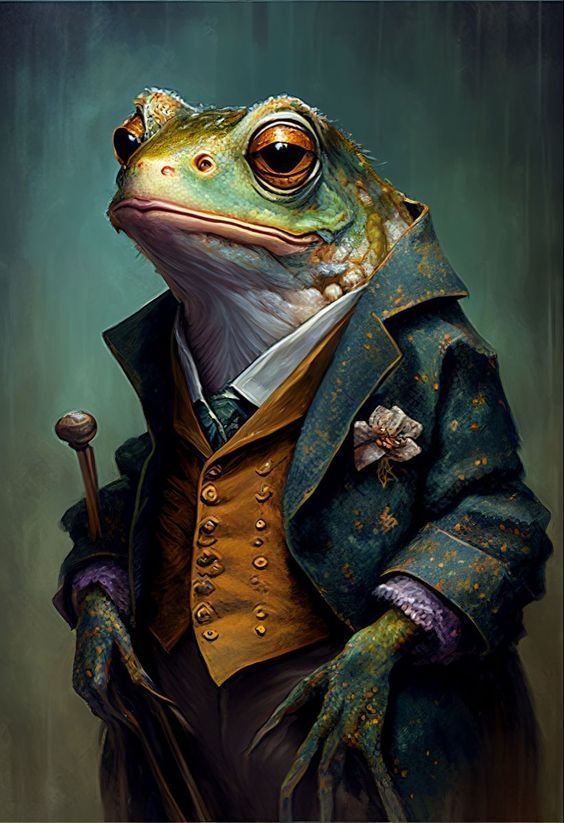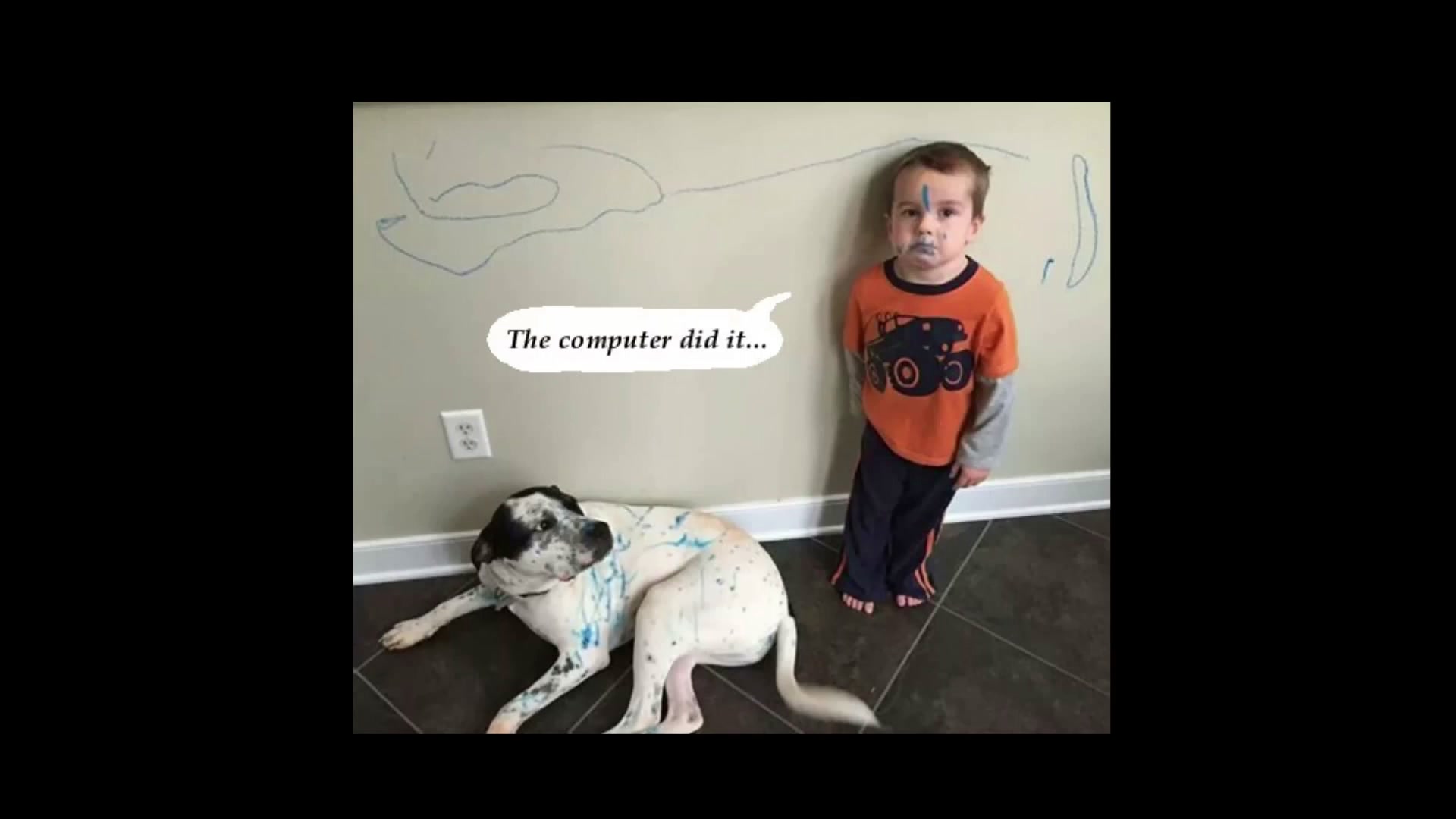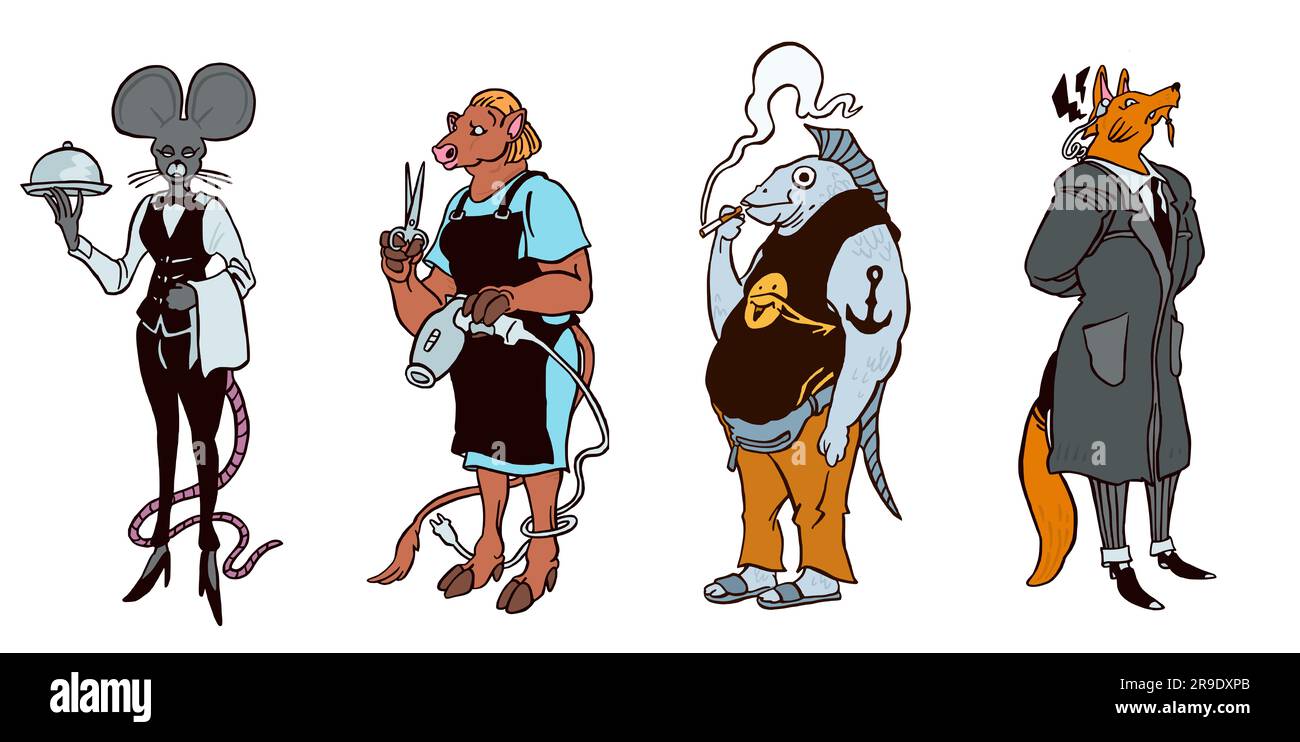
What if the icons and buttons we interact with every day were whispering secrets to our subconscious? Not in words, but in shapes, colors, and subtle cues that nudge our decisions before we’re even aware of them. This isn’t science fiction—it’s the psychology of anthropomorphic design, where inanimate objects take on human-like qualities to guide, persuade, and sometimes even deceive us. From the cheerful thumbs-up on a social media post to the sly wink of a shopping cart icon, these visual cues shape our digital experiences in ways we rarely stop to consider. But what happens when these designs cross the line from helpful to manipulative? And how can we, as creators and users, harness their power without falling prey to their silent persuasions?
The Allure of the Human Touch: Why We Relate to Anthropomorphic Icons
Our brains are wired to recognize and respond to human-like forms—a phenomenon rooted in evolutionary psychology. Anthropomorphism, the tendency to attribute human traits to non-human entities, isn’t just a quirk of imagination; it’s a survival mechanism. When we see a face in the clouds or a pair of eyes in a shadow, our brains leap to conclusions, often erring on the side of caution. This same instinct applies to digital interfaces. An icon with a smile, a button that “winks” at us, or a cursor that morphs into a pointing hand—all these elements trigger a subconscious connection, making interactions feel more intuitive and less mechanical.
Consider the humble shopping cart icon. Its simple design, often resembling a wireframe basket, could just as easily be a square with a handle. Yet, we perceive it as a container, a vessel for our virtual goods. The addition of a slight curve to the handle or a subtle gradient to imply depth transforms it from a static symbol into a friendly guide, subtly encouraging us to “fill it up.” This isn’t accidental; it’s a carefully crafted illusion of personality, designed to reduce friction and enhance engagement. But here’s the paradox: the more human-like an icon becomes, the more we trust it—and the more vulnerable we are to its influence.
From Cuteness to Cunning: The Dual Nature of Playful Design
Anthropomorphic icons often employ cuteness—a strategy known as “kawaii” design—to disarm users. Rounded edges, oversized eyes, and pastel colors trigger our nurturing instincts, making us more likely to engage, click, or share. Apps like Duolingo leverage this brilliantly with its green owl mascot, whose expressive face and playful animations turn language learning into a game. But what happens when this cuteness masks a more insidious agenda?
Take the “like” button on social media. Its heart shape, once a neutral symbol, now carries emotional weight. A single click doesn’t just register approval—it broadcasts a fragment of our identity to an algorithm, which then tailors our feed to keep us scrolling. The icon’s design, with its pulsating animation and satisfying “thump” sound, isn’t just decorative; it’s a dopamine trigger, designed to hijack our attention. This is where the playful becomes problematic. When an icon’s charm is weaponized to manipulate behavior, the line between user agency and designer control blurs. The challenge? Striking a balance between delight and deception, ensuring that anthropomorphism enhances usability without exploiting our cognitive biases.
The Silent Persuaders: How Icons Shape Our Decisions
Icons are the silent salespeople of the digital world. A well-designed button doesn’t just inform—it persuades. The placement of a “Buy Now” button, its size relative to other elements, and even the color of its border all play a role in nudging our choices. But anthropomorphic elements take this a step further by making the decision feel personal. A button that “smiles” when hovered over, or an error message that “frowns” when we input the wrong password, turns a transaction into an interaction. This anthropomorphism creates a sense of reciprocity, making us more likely to comply with the designer’s intent.
Consider the “skip ad” button on YouTube. Its small size, grayed-out appearance, and lack of animation make it easy to overlook—intentionally. Meanwhile, the “watch ad” button gleams with color, a subtle nudge toward compliance. Now, imagine if the “skip ad” button had a face, a frown, or a sighing animation. Would we feel guilty for clicking it? The challenge lies in designing icons that guide without guilting, inform without manipulating. The most effective anthropomorphic icons are those that feel like a helpful friend rather than a pushy salesperson.
The Pitfalls of Over-Anthropomorphism: When Cute Becomes Creepy
There’s a fine line between charming and unsettling. When icons become too human-like, they risk crossing into the “uncanny valley,” where familiarity curdles into discomfort. Think of a chatbot avatar with eerily realistic eyes, or a loading spinner that mimics a human heartbeat. These designs, while intended to build trust, can instead evoke unease, as if the interface is watching us too closely. The challenge for designers is to find the sweet spot where anthropomorphism feels natural, not nightmarish.
Another pitfall is cultural misinterpretation. A thumbs-up icon, universally understood in Western cultures as a sign of approval, might be offensive in parts of the Middle East, where it carries a vulgar connotation. Similarly, a smiling face could be perceived as insincere or even mocking in certain contexts. The key is to design with cultural fluency in mind, ensuring that anthropomorphic cues resonate rather than repel. The most effective icons are those that feel like a universal language, bridging gaps without causing offense.
Designing with Intent: Ethical Anthropomorphism in the Digital Age
So how can we harness the power of anthropomorphic icons without falling into ethical traps? The answer lies in intentionality. Designers must ask themselves: Is this icon enhancing usability, or is it manipulating behavior? Are the human-like qualities adding clarity, or are they obscuring intent? Transparency is crucial. If an icon is designed to nudge users toward a particular action, that intent should be clear—not hidden behind a veneer of cuteness.
One approach is to use anthropomorphism sparingly, reserving it for elements where it truly adds value. For example, a progress bar that “fills up” like a glass of water can make waiting feel more tangible, while a confirmation message that “smiles” can reinforce a positive interaction. But when applied to critical actions—like consent buttons or payment prompts—anthropomorphism should be minimal or absent, ensuring that users make decisions based on clear information, not subconscious cues.
The future of anthropomorphic design lies in collaboration between designers, psychologists, and ethicists. By studying how users respond to different cues, we can create interfaces that feel intuitive without being invasive. The goal isn’t to eliminate anthropomorphism but to wield it responsibly, ensuring that our digital interactions remain empowering rather than exploitative.

Conclusion: The Human Touch in a Digital World
Anthropomorphic icons are more than just decorative elements—they’re the unsung architects of our digital experiences. They shape our perceptions, guide our actions, and sometimes even manipulate our choices. But with great power comes great responsibility. As users, we must remain vigilant, questioning why a button smiles at us or why a progress bar feels like a race to the finish. As designers, we must strive for clarity over charm, ensuring that our creations serve users, not algorithms.
The next time you encounter a playful icon, pause for a moment. Ask yourself: Is this design helping me, or is it subtly steering me? The answer might just reveal the hidden psychology behind your screen.