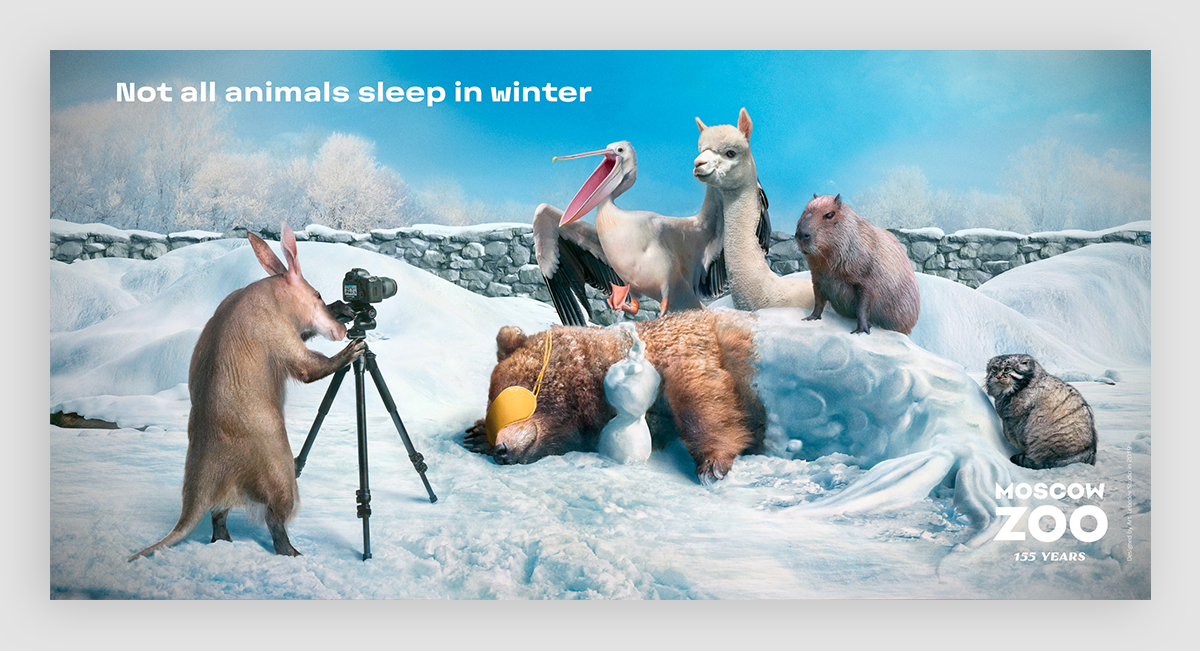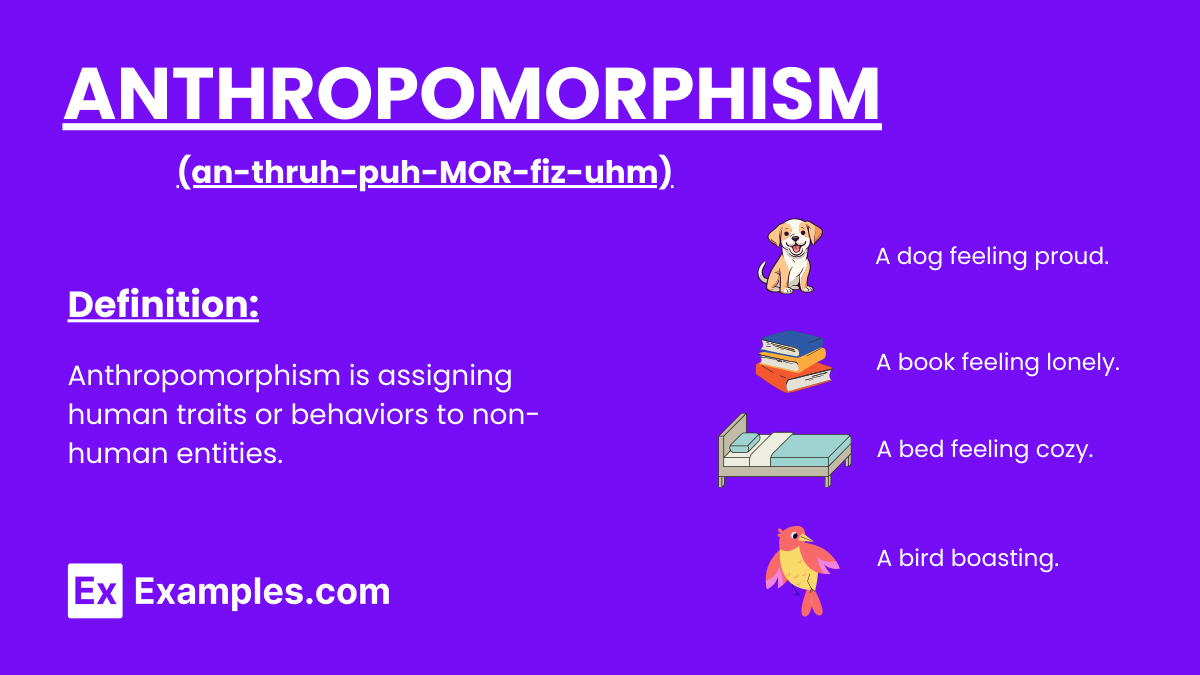
Poetry, that alchemy of emotion and imagery, has long been a vessel for the human desire to animate the inanimate, to breathe life into the lifeless. Among its most potent tools is anthropomorphism—the attribution of human traits, emotions, or intentions to non-human entities. This literary device transforms the ordinary into the extraordinary, allowing poets to craft verses that resonate with uncanny familiarity. When a river sighs, a storm rages, or a mountain broods, the boundaries between the self and the world dissolve, inviting readers into a realm where every whisper of nature carries the weight of human experience. The allure of anthropomorphism in poetry lies not merely in its imaginative flair but in its ability to evoke empathy, wonder, and a sense of connection that transcends the literal. Through carefully chosen metaphors and personified landscapes, poets illuminate the hidden threads that bind humanity to the cosmos, revealing truths that are as profound as they are poetic.
The Lure of the Inanimate: Why Anthropomorphism Captivates the Imagination
At its core, anthropomorphism is a rebellion against the cold detachment of objectivity. It is the poet’s way of asserting that the universe is not a silent stage but a chorus of voices, each clamoring to be heard. Consider the humble moon, often cast as a silent sentinel in the night sky. Yet, when a poet describes it as “a pale, watchful eye,” it ceases to be a mere celestial body and becomes a guardian of secrets, a witness to human folly and triumph. This transformation is not merely decorative; it is revelatory. By endowing the moon with a gaze, the poet invites readers to project their own emotions onto it, creating a mirror that reflects the inner world of the observer.
The appeal of this device extends beyond mere personification. It is a bridge between the known and the unknown, the familiar and the alien. A tree, with its gnarled roots and swaying branches, becomes a stoic elder, its leaves rustling with the wisdom of centuries. A storm is no longer a chaotic display of nature’s fury but a tempestuous sovereign, its thunder the echo of its wrath. Such metaphors do more than describe—they animate, they provoke, and they haunt. They linger in the mind long after the poem has been read, like the afterimage of a dream that refuses to fade.
Metaphors That Breathe: Crafting Anthropomorphic Imagery
The art of anthropomorphism in poetry is not a haphazard sprinkling of human traits; it is a deliberate alchemy of language and perception. The most effective personifications are those that feel inevitable, as if the non-human entity could not possibly be described in any other way. Take, for instance, the line from Emily Dickinson’s Hope is the thing with feathers: “Hope is the thing with feathers / That perches in the soul.” Here, hope is not merely compared to a bird; it is a bird, complete with the capacity to perch, to sing, and to endure. The metaphor is so vivid that it transcends its own artifice, becoming a living, breathing presence in the reader’s mind.
Yet, the challenge lies in balancing specificity with universality. A poet must choose anthropomorphic traits that resonate deeply without veering into caricature. For example, describing a river as “a serpent of silver” evokes both its sinuous movement and its potential danger, but it also risks reducing the river to a mere symbol of peril. The most compelling anthropomorphic metaphors are those that preserve the essence of the non-human entity while imbuing it with human-like qualities. A mountain, for instance, might be described not as a “giant” but as a “silent judge,” its peaks wreathed in mist like a magistrate’s robe. This nuance ensures that the metaphor feels organic, not forced, and that the reader’s engagement is rooted in both recognition and discovery.
Nature’s Personified Pantheon: The Allure of the Natural World
Few arenas offer as rich a canvas for anthropomorphism as the natural world. The elements—wind, rain, fire—have long been cast as deities, tricksters, or oracles in myth and poetry. When a poet describes the wind as a “mischievous child” that “steals hats and tangles hair,” it is not merely a playful image but an invitation to see the world through a child’s eyes, where the mundane becomes magical. Similarly, the rain might be a “weeping widow,” its droplets the tears of a grieving earth, or a “merciless accountant,” tallying the debts of drought and flood.
These personifications do more than embellish; they reveal. They expose the human tendency to anthropomorphize the natural world as a way of making sense of its caprices. A forest, with its towering trees and hidden paths, becomes a labyrinthine library, its leaves the pages of ancient tomes whispering forgotten secrets. The sea, vast and unpredictable, is a “capricious monarch,” its waves the scepter of its rule. Such imagery transforms the natural world from a backdrop into a protagonist, a force with agency and intention. It reminds us that our relationship with nature is not one of passive observation but of active dialogue, where every gust of wind and every rustling leaf carries a message meant for us.
Emotion as a Living Entity: The Personification of Abstract Concepts
Anthropomorphism is not confined to the tangible; it extends its tendrils into the intangible, animating the abstract with human form and feeling. Love, time, death—these concepts, elusive and slippery, become tangible when given human traits. In John Keats’ Ode to a Grecian Urn, “Beauty is truth, truth beauty” is not just a statement but a personification of abstract ideals as eternal, unchanging entities. Similarly, in William Blake’s The Tyger, the tiger is not merely a creature but a manifestation of divine craftsmanship, its “fearful symmetry” a testament to the creator’s hand.
The power of such personifications lies in their ability to make the ineffable feel immediate. Time, that most elusive of concepts, becomes a “thief” in the hands of poets, its passage marked by the slow erosion of youth or the relentless march of seasons. Grief, too, is often personified as a shadow that clings to the mourner, or a weight that drags at the heart. These metaphors do not explain the abstract; they embody it, allowing readers to confront the intangible as if it were a tangible presence. In doing so, they transform the act of reading into an encounter with the ineffable, where every emotion and idea is given a face and a voice.
The Dark Side of Personification: When Anthropomorphism Haunts
Yet, anthropomorphism is not without its shadows. When wielded carelessly, it can reduce the non-human to a mere prop, a caricature of humanity that strips away its essence. A forest described as a “sleeping giant” might evoke a sense of majesty, but it also risks reducing the forest to a simplistic metaphor, erasing its complexity and autonomy. Similarly, a storm personified as a “wrathful god” can feel heavy-handed, its fury a projection of human anger rather than a natural phenomenon in its own right.
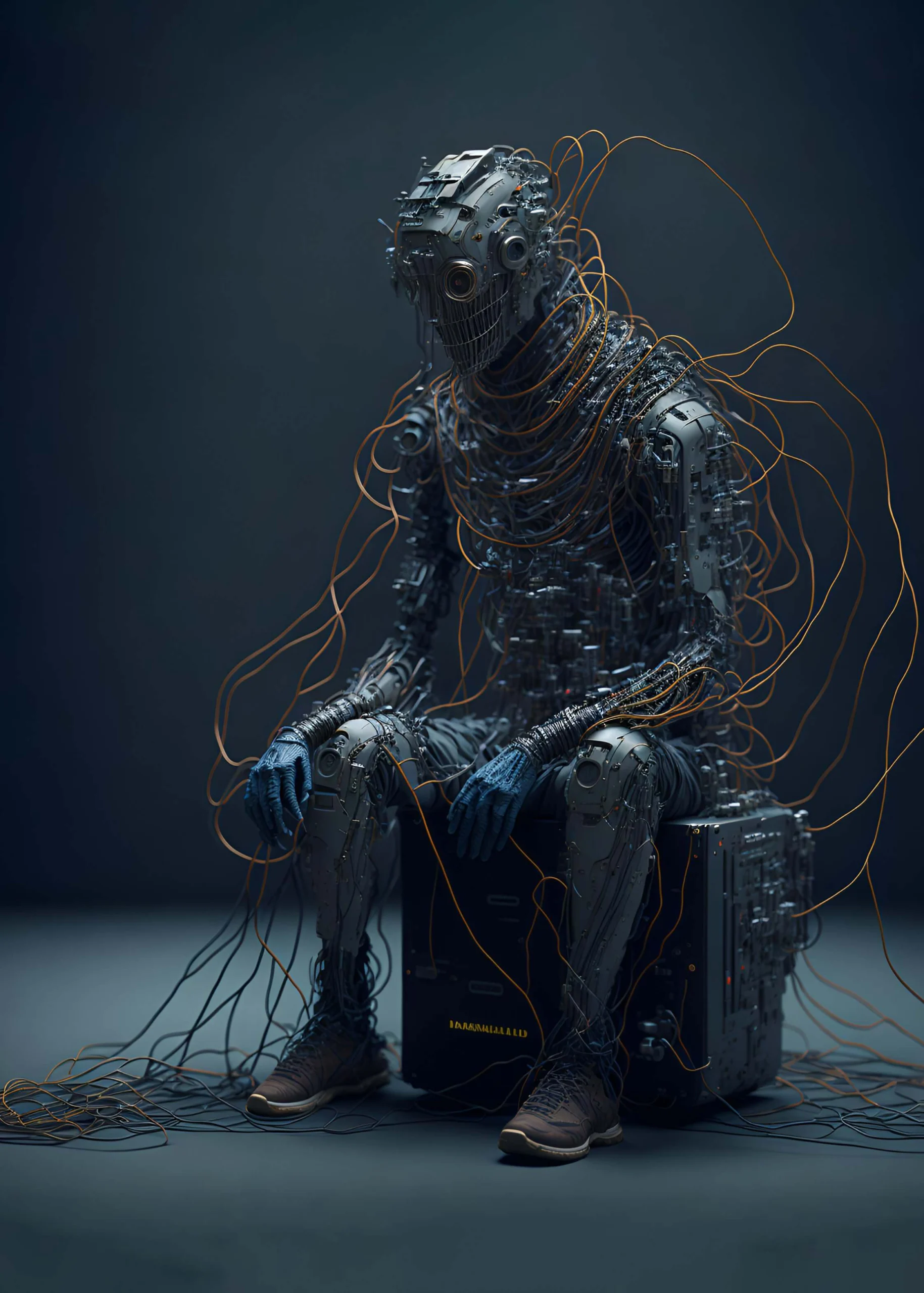
The most haunting anthropomorphisms, however, are those that blur the line between the human and the non-human, creating a sense of unease. In Sylvia Plath’s Mirror, the mirror is not merely a reflective surface but a “little god” that “swallows” the observer, its gaze unblinking and relentless. This personification is unsettling precisely because it inverts the usual dynamic—here, the inanimate object is the observer, and the human is the observed. Such metaphors force readers to confront their own complicity in the act of anthropomorphism, questioning who, or what, is truly in control.
Anthropomorphism in Modern Poetry: A Continuing Tradition
The tradition of anthropomorphism in poetry is far from obsolete. Contemporary poets continue to explore its possibilities, often subverting expectations or infusing it with new meanings. In Ocean Vuong’s On Earth We’re Briefly Gorgeous, the body is personified as a “country,” its scars and pleasures mapped like borders and rivers. This metaphor does not merely describe the body; it reimagines it as a contested territory, a site of both beauty and violence. Similarly, in Claudia Rankine’s Citizen, racism is personified as a “storm” that “follows you home,” its presence as inescapable as the weather.
These modern examples demonstrate that anthropomorphism remains a vital tool for poets seeking to grapple with complex emotions and ideas. Whether it is used to evoke empathy, challenge perceptions, or simply dazzle with linguistic ingenuity, its power lies in its ability to make the unfamiliar feel intimate. In an era where the boundaries between the human and the non-human are increasingly blurred—by technology, climate change, and our own evolving understanding of the world—anthropomorphism offers a way to navigate the unknown, to find a face in the dark, and a voice in the silence.
The Enduring Magic of Giving Life to the Lifeless
Anthropomorphism in poetry is more than a literary device; it is a testament to the human imagination’s insatiable desire to connect, to understand, and to belong. By endowing the world with human traits, poets do not diminish the non-human; they elevate it, revealing the hidden threads that bind all existence together. A river’s sigh becomes a lament, a mountain’s stillness a meditation, and a storm’s fury a mirror of our own inner tumult. In this act of personification, the poet does not merely describe the world—they enliven it, transforming it into a stage where every element plays a role in the grand drama of human experience.
The allure of anthropomorphism lies in its ability to make the invisible visible, the silent vocal, and the distant near. It is a reminder that poetry is not just a reflection of the world but a way of reshaping it, of breathing life into the lifeless, and of finding the human in the heart of the inhuman. In the end, the most powerful anthropomorphic metaphors are those that linger, not as mere images, but as companions—haunting, comforting, and utterly unforgettable.