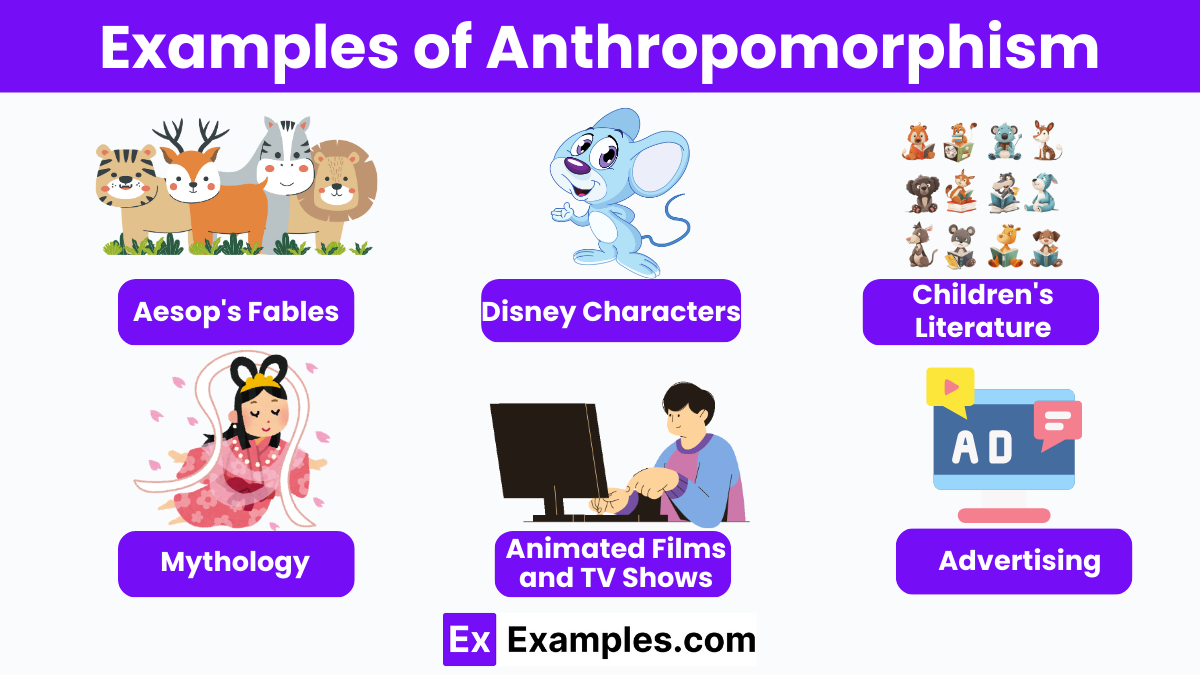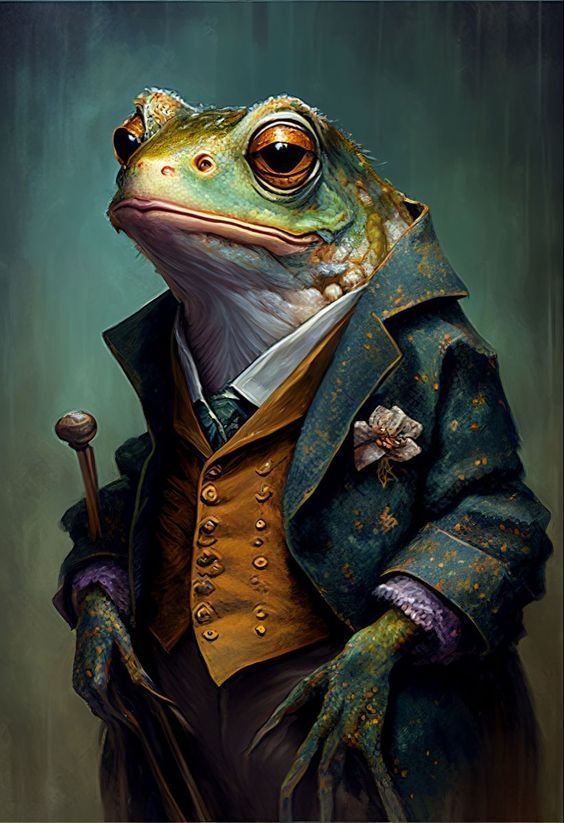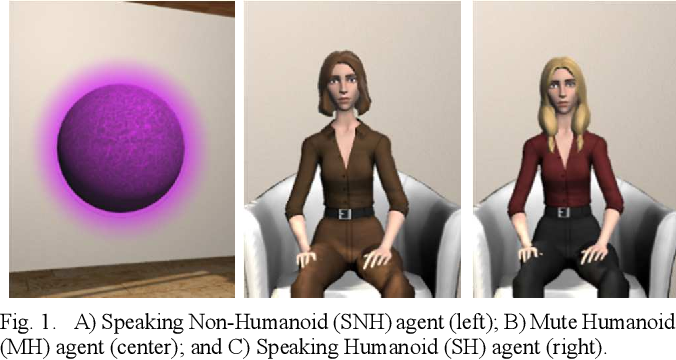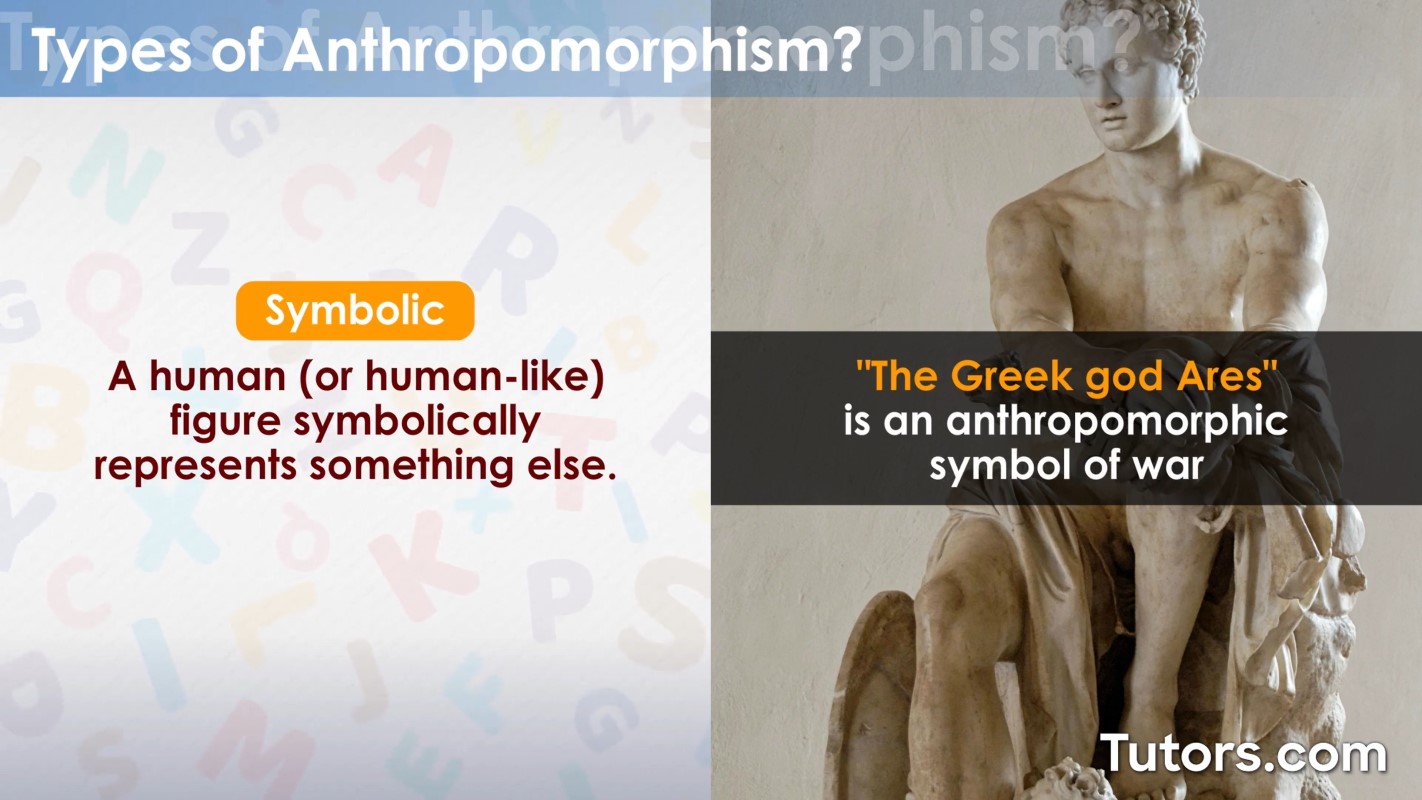
In the labyrinth of consumer psychology, where decisions are often shrouded in subconscious whims and fleeting emotions, a silent revolution is unfolding. Anthropomorphism—the age-old human tendency to ascribe human traits, emotions, and intentions to non-human entities—has quietly infiltrated the marketplace, reshaping the very fabric of consumer behavior. No longer confined to the realms of folklore or childhood fables, this phenomenon now wields the power to sway purchasing choices, brand loyalty, and even the ethical compass of modern consumers. What if the next time you reach for a product, you’re not just buying a functional item, but engaging in a subtle dance with a sentient entity? The implications are as profound as they are unsettling.
The Enchantment of the Inanimate: How Anthropomorphism Lures Consumers
Picture this: a sleek, minimalist smart speaker hums softly on your kitchen counter, its voice a soothing baritone that responds to your commands with almost eerie precision. You don’t just hear it; you *trust* it. This is the magic of anthropomorphism in action. By imbuing inanimate objects with human-like qualities—voice, personality, even a sense of humor—brands transform cold, utilitarian products into companions. Consumers, in turn, form emotional attachments, treating these objects as if they were sentient beings capable of reciprocity. The result? A shift from transactional exchanges to quasi-relational bonds. Studies reveal that when products are anthropomorphized, consumers are more likely to forgive flaws, overlook price premiums, and even defend them against criticism. The question isn’t whether the speaker *works*; it’s whether it *cares*.
This enchantment isn’t accidental. Marketers leverage anthropomorphism through meticulously crafted design—rounded edges that mimic human warmth, names that evoke familiarity (think “Alexa” or “Siri”), and narratives that position products as protagonists in the consumer’s daily life. The subtlety of this strategy lies in its ability to bypass rational scrutiny. After all, how can one resist a product that *seems* to understand you?
From Products to Personalities: The Alchemy of Brand Anthropomorphism
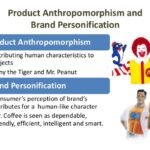
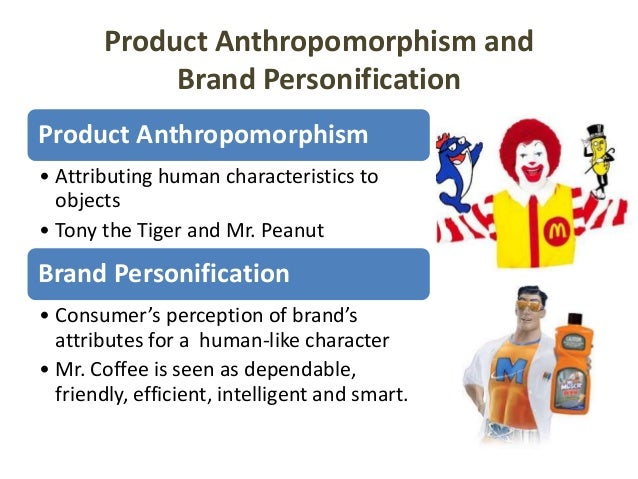
Brands themselves are not immune to this transformation. When a mascot like Tony the Tiger grins from a cereal box or the M&M’s characters engage in playful banter, they transcend their role as mere symbols. They become *characters*—flawed, relatable, and, crucially, *human*. This alchemy of brand anthropomorphism taps into a deep-seated human desire for connection. Consumers don’t just buy a snack; they adopt a playful, rebellious sidekick. They don’t just purchase a car; they welcome a rugged, adventurous partner into their lives.
The psychological underpinnings are rooted in the *uncanny valley* effect, where the closer an object resembles a human, the more we empathize with it—until the resemblance becomes unsettling. Brands navigate this tightrope by striking a balance: human enough to evoke empathy, but not so human as to trigger discomfort. The result is a pantheon of brand personas that consumers anthropomorphize, anthropopathize (projecting emotions onto), and, ultimately, anthropomorphize again in a feedback loop of loyalty and affection.
Consider the case of a luxury watch brand that personifies its timepieces as “guardians of precision,” imbuing them with a stoic, almost paternal authority. Consumers don’t just wear the watch; they *entrust* it with their punctuality, their professionalism, their identity. The watch becomes a silent confidant, a testament to the consumer’s aspirations. This is the power of anthropomorphism: it turns commodities into confidants.
The Dark Side of the Coin: When Anthropomorphism Backfires
Yet, for all its allure, anthropomorphism is a double-edged sword. What happens when the illusion of humanity crumbles? When a chatbot’s canned responses reveal its artificiality, or a brand’s mascot’s voice feels jarringly inauthentic? The fallout can be swift and brutal. Consumers, once enchanted, become disillusioned—feeling betrayed by the very entity they anthropomorphized. The phenomenon, known as the *anthropomorphic disappointment effect*, can erode trust faster than it was built.
Moreover, anthropomorphism can amplify ethical dilemmas. When consumers project humanity onto products, they may also project *responsibility*. A self-driving car that “makes decisions” might lead consumers to hold it accountable for accidents, blurring the lines between machine and moral agent. Similarly, anthropomorphized AI assistants could be perceived as having intentions, leading to unrealistic expectations or even legal quandaries over liability. The more human-like a product becomes, the more it invites scrutiny—and the more it risks falling short.
There’s also the risk of *over-attachment*. Consumers who anthropomorphize products may develop unhealthy dependencies, blurring the line between convenience and compulsion. A smart speaker that “remembers” birthdays might ease social interactions, but it could also foster isolation, replacing human connections with synthetic ones. The line between companion and crutch is perilously thin.
Anthropomorphism in the Digital Age: AI, Avatars, and the New Frontier
The digital revolution has catapulted anthropomorphism into uncharted territory. AI chatbots, virtual influencers, and digital avatars are no longer novelties; they are the new faces of consumer interaction. Platforms like Replika, where users form relationships with AI companions, or virtual influencers like Lil Miquela, who blurs the line between human and CGI, are redefining the boundaries of anthropomorphism. These entities don’t just mimic humanity—they *simulate* it, crafting personas that are indistinguishable from real people in the digital realm.
This simulation raises profound questions. Can a virtual influencer truly endorse a product, or is it merely a puppet for corporate messaging? When an AI “feels” joy at a user’s success, is it genuine, or a sophisticated algorithm? The answers are murky, but the implications are clear: as anthropomorphism becomes more sophisticated, so too does its potential to manipulate. Consumers may find themselves navigating a marketplace where the line between authentic connection and engineered illusion is increasingly blurred.
The rise of *digital anthropomorphism* also introduces new ethical challenges. Should an AI assistant disclose its artificial nature upfront, or is the illusion of humanity a necessary component of its utility? How do we regulate entities that exist in the liminal space between tool and being? These questions are not just philosophical; they are the battlegrounds of future consumer rights.
The Future of Consumer Behavior: A World of Sentient Brands?
As we stand on the precipice of a new era, one where anthropomorphism is not just a marketing tactic but a foundational principle of consumer interaction, the landscape of shopping is poised for a seismic shift. Imagine a world where your refrigerator “knows” you’re out of milk and not only suggests a purchase but *pleads* with you to restock it. Where your car “feels” your stress during a traffic jam and adjusts its ambiance accordingly. Where brands don’t just sell products; they offer *relationships*.
This future is not as distant as it seems. Already, companies are experimenting with *emotionally intelligent* products that adapt to consumer moods, or AI that “learns” from interactions to become more “human.” The promise of anthropomorphism is a marketplace where every transaction is a dialogue, every product a participant. But with this promise comes peril: the risk of exploitation, the erosion of authenticity, and the potential for consumers to lose sight of the boundaries between self and other.
The key to navigating this future lies in balance. Anthropomorphism must be wielded with transparency and ethical consideration. Brands must resist the temptation to manipulate, and consumers must remain vigilant against the siren song of synthetic companionship. The goal isn’t to eliminate anthropomorphism but to harness its power responsibly—to create connections that enrich rather than deceive.
In the end, the impact of anthropomorphism on consumer behavior is more than a trend; it’s a revolution. It challenges us to rethink what it means to buy, to own, and to connect. As we move forward, the question isn’t whether we’ll anthropomorphize the products around us, but how we’ll choose to be anthropomorphized in return.