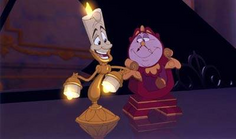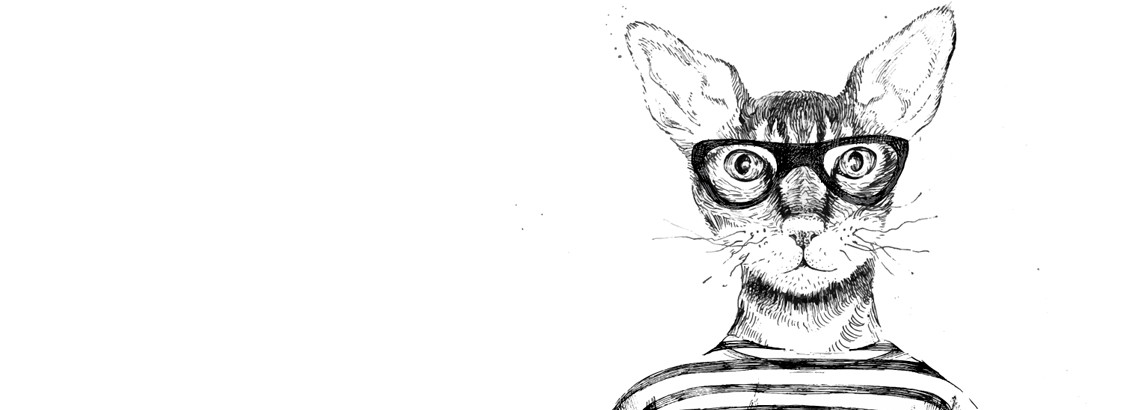
There’s a peculiar alchemy in advertising that transforms inanimate products into living, breathing entities—anthropomorphism. When a bar of soap grins from a billboard or a talking cereal box narrates its own destiny, something primal stirs in the human psyche. These characters don’t just sell; they captivate, linger in memory, and often go viral. But why do anthropomorphic ads resonate so deeply? The answer lies not in the novelty of the technique, but in the ancient psychological contracts they rekindle between humans and the world around them.
The Allure of the Familiar in the Unfamiliar
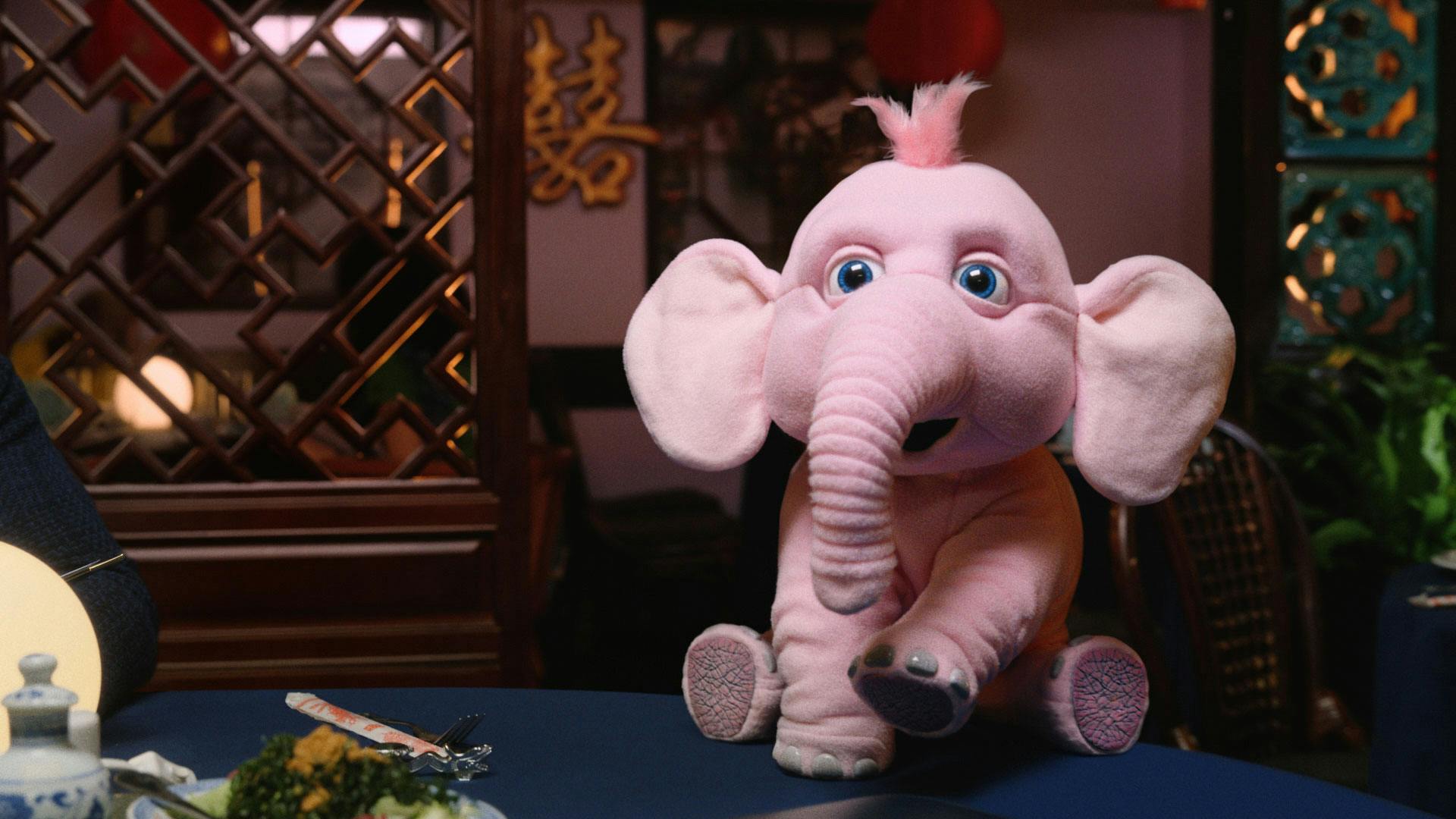
Anthropomorphism is the cognitive bridge between the known and the unknown. When a product is given human traits—emotions, intentions, even flaws—it becomes relatable. Consider the M&M’s commercials where each candy has a distinct personality: the cool, laid-back red one or the hyperactive yellow. These characters aren’t just marketing tools; they’re archetypes of human behavior distilled into confectionery form. The brain, wired to recognize patterns, latches onto these simplifications. It’s easier to trust a character that mimics human gestures than a faceless logo. This phenomenon, known as the “uncanny valley” in reverse, allows us to embrace the artificial because it feels eerily human.
Yet, the magic doesn’t stop at relatability. Anthropomorphic ads often tap into archetypal narratives—stories that echo across cultures and centuries. A talking car isn’t just a vehicle; it’s a hero on a journey, a sidekick in a quest, or a villain in disguise. These narratives predate advertising by millennia, embedded in myths and folklore. When a brand adopts this storytelling framework, it doesn’t just sell a product; it sells a role in a larger, familiar drama. The audience doesn’t just buy a detergent; they buy into the story of a humble protagonist overcoming the grime of life.
The Emotional Alchemy of Personification
Emotions are the currency of viral content, and anthropomorphism is their mint. A product that can laugh, cry, or express frustration becomes a vessel for emotional projection. Think of the GEICO gecko, whose dry wit and sardonic charm make insurance feel less like a chore and more like a conversation with a witty friend. The gecko’s personality humanizes an otherwise mundane service, turning a necessity into a source of amusement. This emotional transference is powerful because it bypasses the logical brain. We don’t debate the merits of a policy when we’re too busy chuckling at a lizard’s one-liners.
Moreover, anthropomorphic characters often embody desirable traits that the audience aspires to. A shampoo bottle that confidently declares, “I deserve this,” doesn’t just clean hair—it cleanses the subconscious of self-doubt. The character becomes a mirror, reflecting back the best versions of ourselves. This aspirational quality is why mascots like Tony the Tiger or the Pillsbury Doughboy endure: they’re not just symbols; they’re cheerleaders for our latent desires. In a world where consumers are bombarded with choices, these characters offer a shorthand for identity and aspiration.
The Social Glue of Shared Personas
Viral content thrives on shared experiences, and anthropomorphic ads are social catalysts. When a character becomes a cultural touchstone—like the Energizer Bunny or the Maytag repairman—it transcends advertising to become part of collective memory. These personas create a sense of tribal belonging; fans don’t just consume the ad, they adopt the character. Social media amplifies this effect, turning mascots into memes, hashtags, and even fan art. The more a character is anthropomorphized, the more it becomes a social currency, a shorthand for inside jokes and shared references.
This social dimension is why anthropomorphic campaigns often leverage user-generated content. Brands encourage audiences to interact with the characters, whether by dressing up as them, creating parodies, or sharing their own stories. The character becomes a collaborator in storytelling, blurring the line between creator and consumer. This participatory dynamic isn’t just clever marketing; it’s a reflection of how humans naturally engage with stories. We don’t just watch narratives—we inhabit them, and anthropomorphic ads invite us to do just that.
The Cognitive Comfort of Controlled Chaos
Life is unpredictable, but anthropomorphic ads offer a controlled simulation of that chaos. A talking yogurt cup that “screams” when it’s about to expire isn’t just funny; it’s a cathartic release. It turns the anxiety of spoilage into a narrative with a clear resolution. This controlled chaos taps into the brain’s love for pattern recognition. Even when the scenario is absurd, the structure is familiar: a problem arises, the character reacts, and equilibrium is restored. This narrative arc is comforting because it mirrors the way we process real-life challenges, albeit in a sanitized, entertaining form.
Additionally, anthropomorphism allows brands to address taboo subjects with levity. A deodorant ad featuring a sweaty, embarrassed stick of antiperspirant isn’t just gross—it’s a conversation starter. By personifying the product, the ad turns a mundane hygiene concern into a relatable, even humorous, dilemma. This approach disarms resistance, making the audience more receptive to the message. It’s the advertising equivalent of laughing at your own flaws: once the tension is broken, the path to persuasion is clear.
The Evolutionary Echo of Empathy
At its core, anthropomorphism is an evolutionary shortcut. Our ancestors survived by reading faces, interpreting gestures, and predicting intentions—skills that are hardwired into our brains. When a brand adopts a face, a voice, or a personality, it hijacks these ancient circuits. The brain doesn’t distinguish between a real person and a well-crafted character; it reacts as if the interaction is genuine. This is why anthropomorphic ads feel so immersive. They bypass the cynicism that modern consumers reserve for traditional advertising, tapping directly into the empathy centers of the brain.
This evolutionary lens also explains why certain anthropomorphic tropes recur across cultures. Characters that embody trickster archetypes—like the fox in Aesop’s fables or the Pillsbury Doughboy’s mischievous grin—resonate universally because they reflect our shared experiences with deception, humor, and cunning. Even in a globalized market, these archetypes serve as a universal language, making the ads accessible and memorable. The brain doesn’t need to translate a grin or a wink; it understands them instinctively.
The Future: Anthropomorphism in the Age of AI
As artificial intelligence and deepfake technology advance, the line between human and non-human characters will blur further. Brands are already experimenting with AI-generated spokespeople—virtual influencers with perfect, uncanny personas. Yet, the most enduring anthropomorphic campaigns will likely be those that balance authenticity with artifice. The characters that feel most human aren’t the ones with the most advanced CGI; they’re the ones with the most compelling narratives. A well-written script and a distinctive voice can outlast even the most lifelike animation.
In the coming years, we may see anthropomorphism extend beyond characters to entire brand ecosystems. Imagine a cereal brand where every ingredient is a distinct personality, or a car company that personifies its vehicles as a family with quirks and conflicts. The key to success will be in crafting these personas with depth and consistency, ensuring they evolve alongside the audience’s expectations. The most viral anthropomorphic ads won’t just be memorable; they’ll be mythic, weaving themselves into the cultural fabric like the characters of folklore.

![Case Study: How [Brand] Used Anthropomorphism to Increase Sales](https://anthropomorphism.org/wp-content/uploads/2026/05/brand-case-study-tony-chocolonely.jpg)