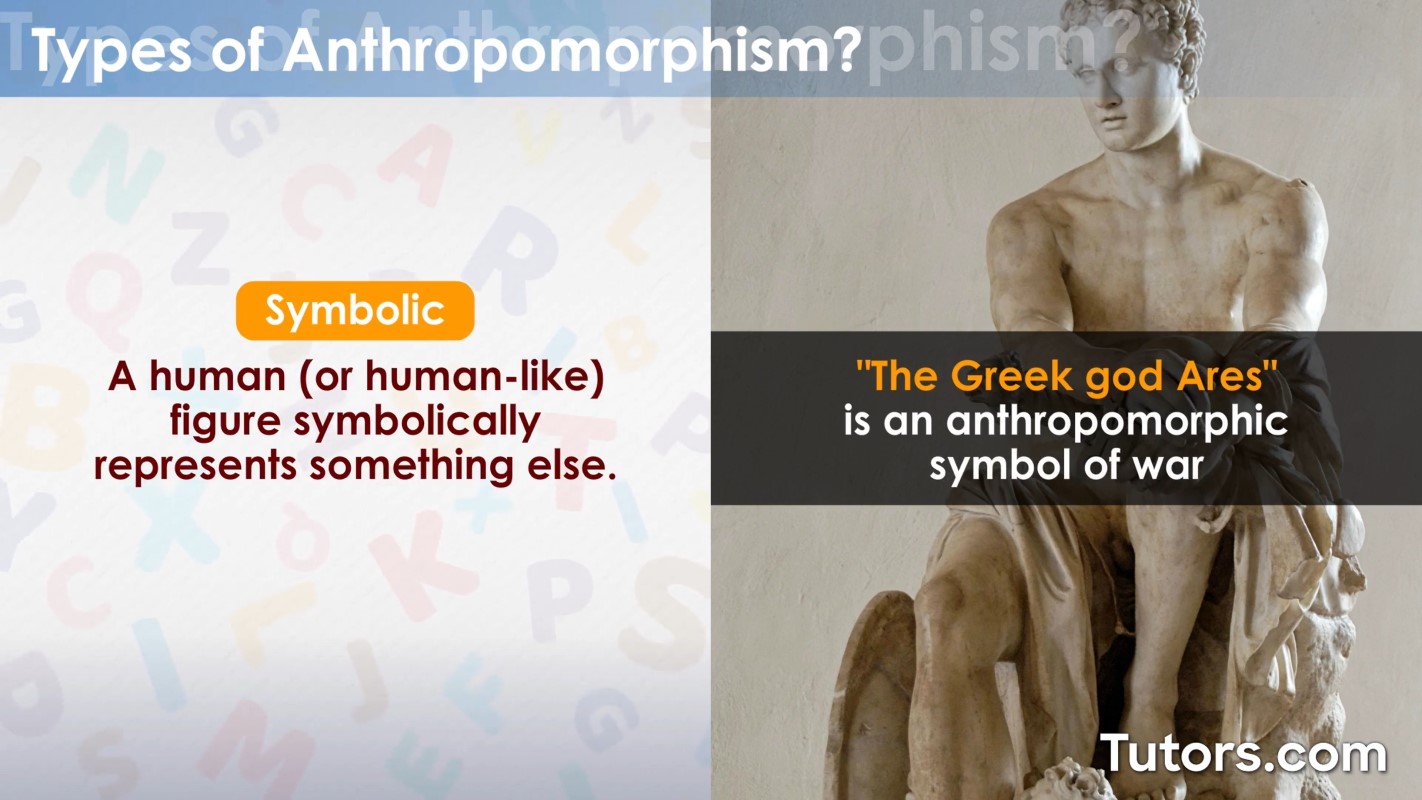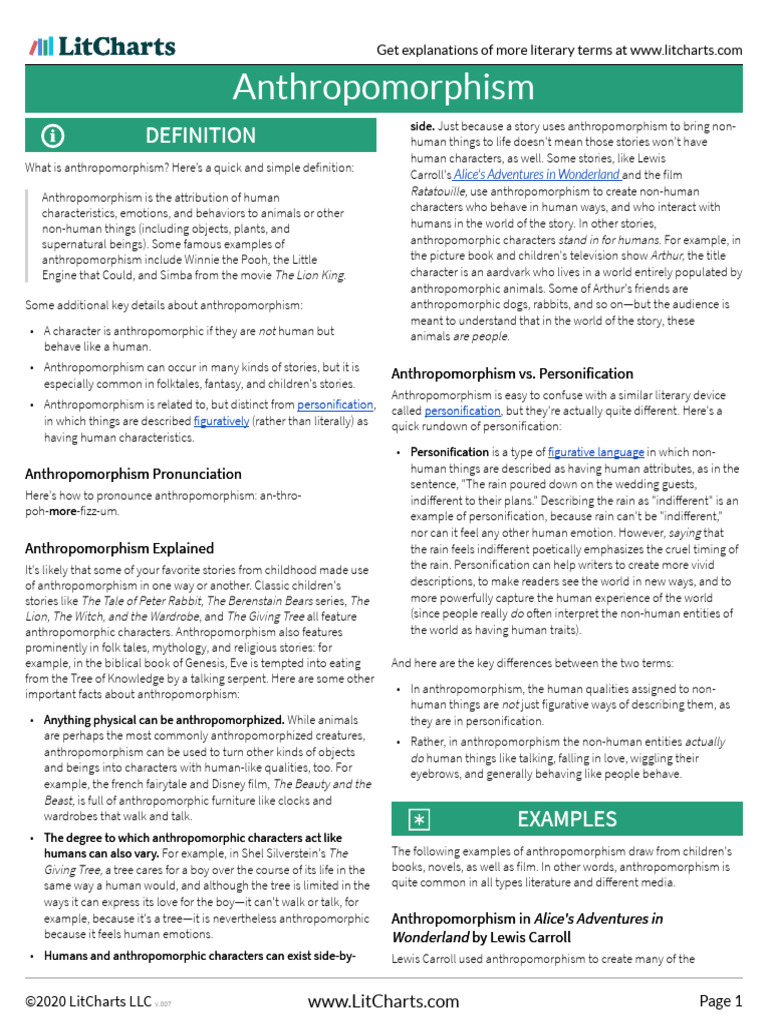
In the ever-evolving landscape of customer service, a subtle yet profound transformation is underway—one that blurs the line between human interaction and artificial intelligence. Anthropomorphism, the tendency to attribute human-like qualities to non-human entities, has quietly infiltrated the realm of AI-driven support systems, reshaping how customers perceive and engage with automated assistance. No longer confined to the realm of science fiction, this phenomenon is now a tangible force, promising to redefine the boundaries of empathy, efficiency, and trust in customer interactions. But what does this mean for businesses and consumers alike? How does the infusion of human-like traits into AI alter the dynamics of service delivery, and what are the implications for the future of customer support?
The Allure of Human-Like AI: Why Anthropomorphism Captivates Customers
At its core, anthropomorphism in AI is not merely a technological gimmick—it is a psychological bridge that connects the cold, algorithmic precision of machines with the warmth and familiarity of human interaction. When customers encounter an AI chatbot that greets them by name, acknowledges their frustration with a tone of understanding, or even cracks a well-timed joke, their resistance to automation begins to crumble. This phenomenon taps into a fundamental human need: the desire for connection. Studies suggest that people are more likely to trust and engage with AI systems that exhibit even the slightest semblance of personality, as it reduces the cognitive dissonance between interacting with a machine and seeking genuine human support.
Consider the case of a frustrated customer navigating a complex billing issue. A traditional chatbot might present a series of rigid, step-by-step instructions, leaving the user feeling like a cog in a bureaucratic wheel. Now, imagine an AI that not only guides the customer through the process but also responds with phrases like, “I understand this is frustrating—let’s tackle this together.” The difference is subtle, yet it transforms the experience from transactional to relational. This shift is not just about making AI more palatable; it’s about making it more effective. When customers feel heard and understood, their satisfaction—and loyalty—skyrockets.
The Double-Edged Sword: Benefits and Pitfalls of Humanizing AI
While the advantages of anthropomorphism are compelling, they come with a caveat. The same traits that endear AI to customers can also lead to unintended consequences. On the positive side, human-like AI can enhance customer experience by providing emotional validation, reducing wait times, and offering 24/7 support. For businesses, this translates to lower operational costs and higher efficiency. However, the risks are equally significant. Overly anthropomorphized AI may create unrealistic expectations, leading to customer disappointment when the system fails to deliver human-level nuance or empathy. Moreover, there’s the ethical dilemma of deception—how much human-like behavior is too much? Striking the right balance is crucial to avoid eroding trust.
Another critical consideration is the potential for anthropomorphism to amplify biases. If an AI is designed to mimic human speech patterns, it may inadvertently adopt the biases present in its training data, perpetuating stereotypes or discriminatory practices. For instance, an AI that uses overly formal or gendered language could alienate certain customer segments. To mitigate these risks, businesses must prioritize transparency, ensuring that customers are aware they are interacting with an AI, while also rigorously auditing the AI’s design to eliminate harmful biases.
From Chatbots to Companions: The Evolution of AI in Customer Service
The journey of AI in customer service has been nothing short of meteoric. Early iterations of chatbots were little more than glorified FAQs, spitting out pre-programmed responses with robotic precision. Today, however, AI systems are capable of dynamic, context-aware conversations that feel almost indistinguishable from human dialogue. This evolution is fueled by advancements in natural language processing (NLP) and machine learning, which enable AI to understand nuances, detect emotions, and adapt its tone in real-time. The result is a new breed of customer service agents—ones that are not just efficient but also emotionally intelligent.
Take, for example, the rise of “empathetic AI,” systems designed to recognize customer distress and respond with tailored reassurance. These systems can detect frustration in a customer’s tone and adjust their approach accordingly, offering not just solutions but also emotional support. In industries like healthcare or mental health support, where empathy is paramount, such AI can serve as a lifeline, bridging gaps in human availability. Yet, this raises a provocative question: Can AI ever truly replicate the depth of human empathy, or is it merely a sophisticated mimicry that falls short in moments of genuine vulnerability?
The Psychological Impact: How Anthropomorphism Shapes Customer Behavior
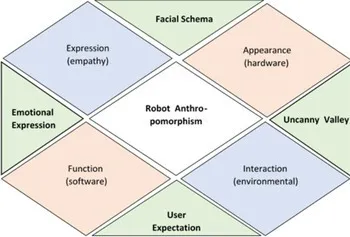
The psychological underpinnings of anthropomorphism in AI are as fascinating as they are complex. Research in consumer psychology reveals that people tend to anthropomorphize objects and systems when they perceive them as having agency, intent, or emotional capacity. When an AI chatbot apologizes for a delay or expresses gratitude for a customer’s patience, it triggers a subconscious response in the user’s brain, activating the same neural pathways associated with human-to-human interaction. This phenomenon, known as the “uncanny valley” effect, can either draw users in or repel them, depending on how well the AI’s human-like traits are calibrated.
For businesses, understanding this psychological interplay is key to designing AI systems that resonate with customers. For instance, a study found that customers were more likely to forgive an AI for mistakes when it exhibited a “personality” that aligned with the brand’s values. A luxury brand’s AI might adopt a polished, formal tone, while a youth-oriented brand’s AI could embrace slang and humor. The takeaway? Anthropomorphism is not a one-size-fits-all solution; it must be tailored to the audience and the context to maximize its impact.
Ethical Considerations: The Fine Line Between Assistance and Deception
As AI becomes increasingly human-like, the ethical implications grow more pressing. One of the most contentious debates revolves around the concept of “digital deception”—the practice of designing AI to appear more human than it is. While some argue that this enhances user experience, others contend that it is fundamentally dishonest, eroding the trust that underpins all customer relationships. The European Union’s AI Act, for instance, mandates that AI systems must be transparent about their non-human nature, reflecting a growing global consensus on the importance of ethical AI design.
Beyond transparency, businesses must also consider the long-term effects of anthropomorphism on customer expectations. If an AI is programmed to mimic human empathy, customers may come to expect the same level of emotional intelligence from all automated systems, setting a standard that is difficult to meet. This could lead to a backlash against AI in general, as users grow disillusioned with systems that fail to live up to their anthropomorphized personas. The solution lies in striking a balance—leveraging the benefits of human-like AI while maintaining clear boundaries to preserve authenticity and trust.
The Future of Customer Service: A Symbiosis of Human and Machine
The future of customer service lies not in the replacement of humans by AI, but in the symbiotic relationship between the two. Anthropomorphism is merely the first step in a broader transformation, one that will see AI and human agents working in tandem to deliver unparalleled service. Imagine a scenario where an AI handles routine inquiries with efficiency and empathy, while seamlessly escalating complex issues to a human agent who can provide the nuanced support that only a person can offer. This hybrid model not only optimizes resources but also ensures that customers receive the best of both worlds: the speed and consistency of AI, coupled with the depth and adaptability of human interaction.
Moreover, as AI continues to evolve, we may see the emergence of “emotional AI,” systems capable of not just recognizing emotions but also responding to them in ways that foster genuine connection. These systems could revolutionize industries like customer service, where emotional intelligence is often the difference between a satisfied customer and a lost one. Yet, with this potential comes the responsibility to use these tools ethically and thoughtfully, ensuring that they enhance rather than diminish the human experience.
In the end, the rise of anthropomorphism in AI is more than a technological trend—it is a reflection of our innate desire for connection in an increasingly automated world. By embracing this phenomenon with intentionality and care, businesses can create customer service experiences that are not just efficient, but also meaningful. The challenge, then, is not whether to humanize AI, but how to do so in a way that enriches the customer journey without compromising integrity or trust. The future of customer service is not a question of man versus machine, but of how we can harness the best of both to create something truly extraordinary.