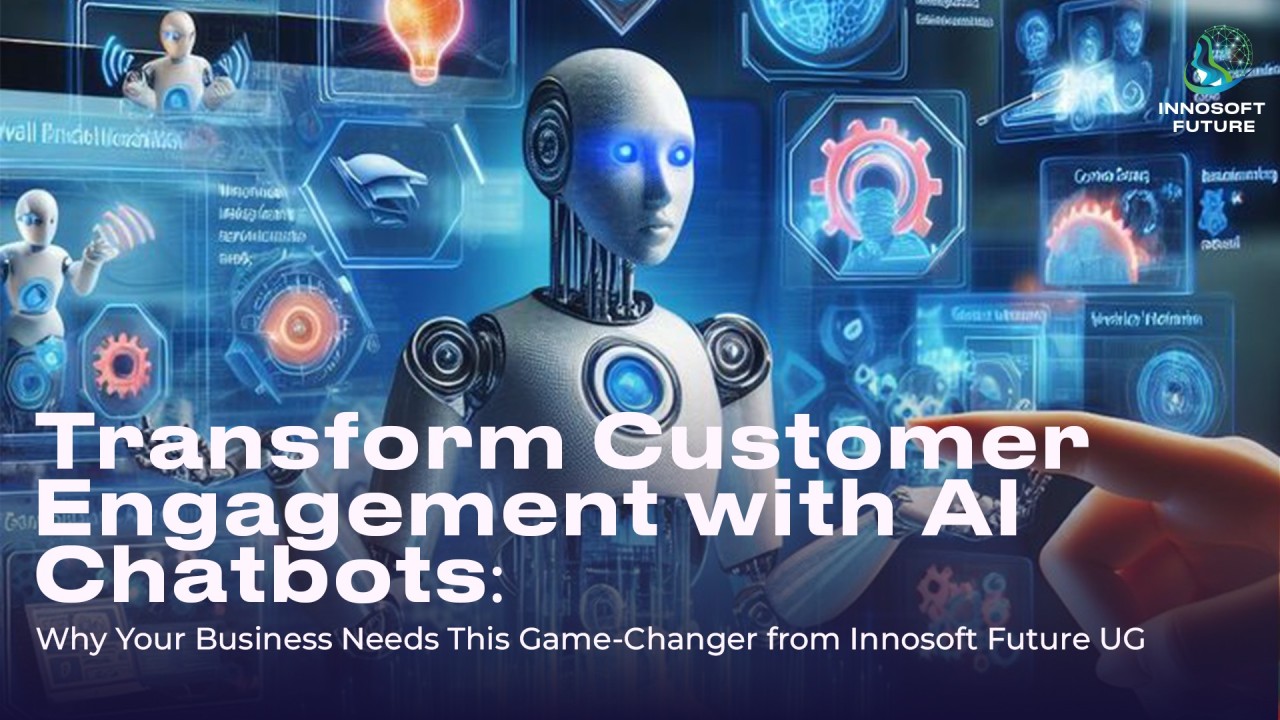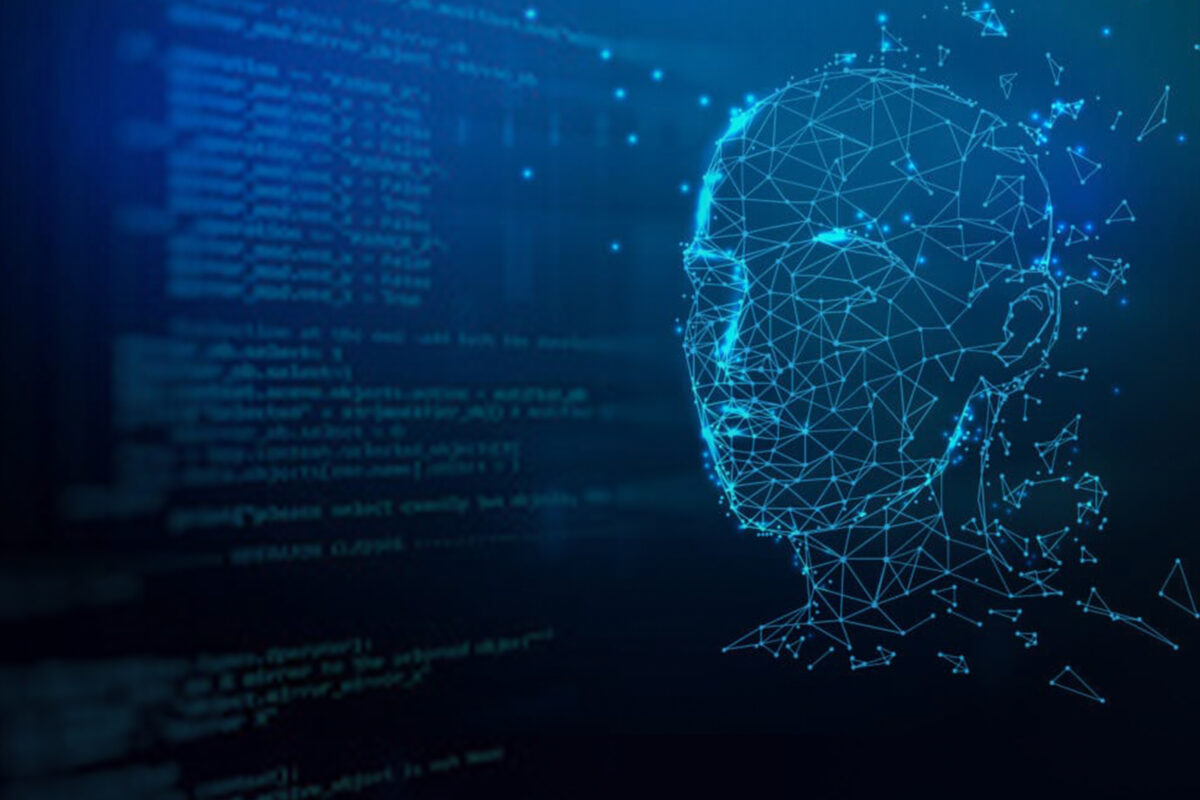
What if the next time you chatted with a customer service bot, it responded with a sigh so perfectly human that you forgot you were talking to lines of code? Or what if an AI-generated artwork so convincingly captured the texture of melancholy in a brushstroke that you mistook it for the handiwork of a grieving artist? Welcome to the uncanny valley of modern artificial intelligence—where machines don’t just mimic human behavior, they begin to feel like us. This is the era of anthropomorphism in AI: a phenomenon where we don’t just program intelligence, we project humanity onto the inanimate. But as we blur the line between human and machine, we’re left facing a tantalizing question: Are we building tools that serve us, or are we unwittingly creating companions that might one day demand to be heard?
The Allure of the Human Face in the Machine
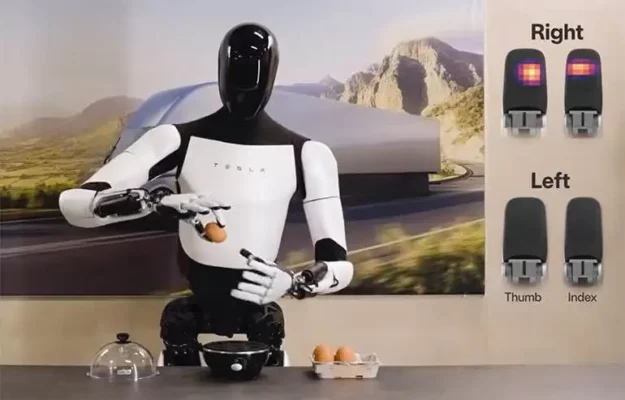
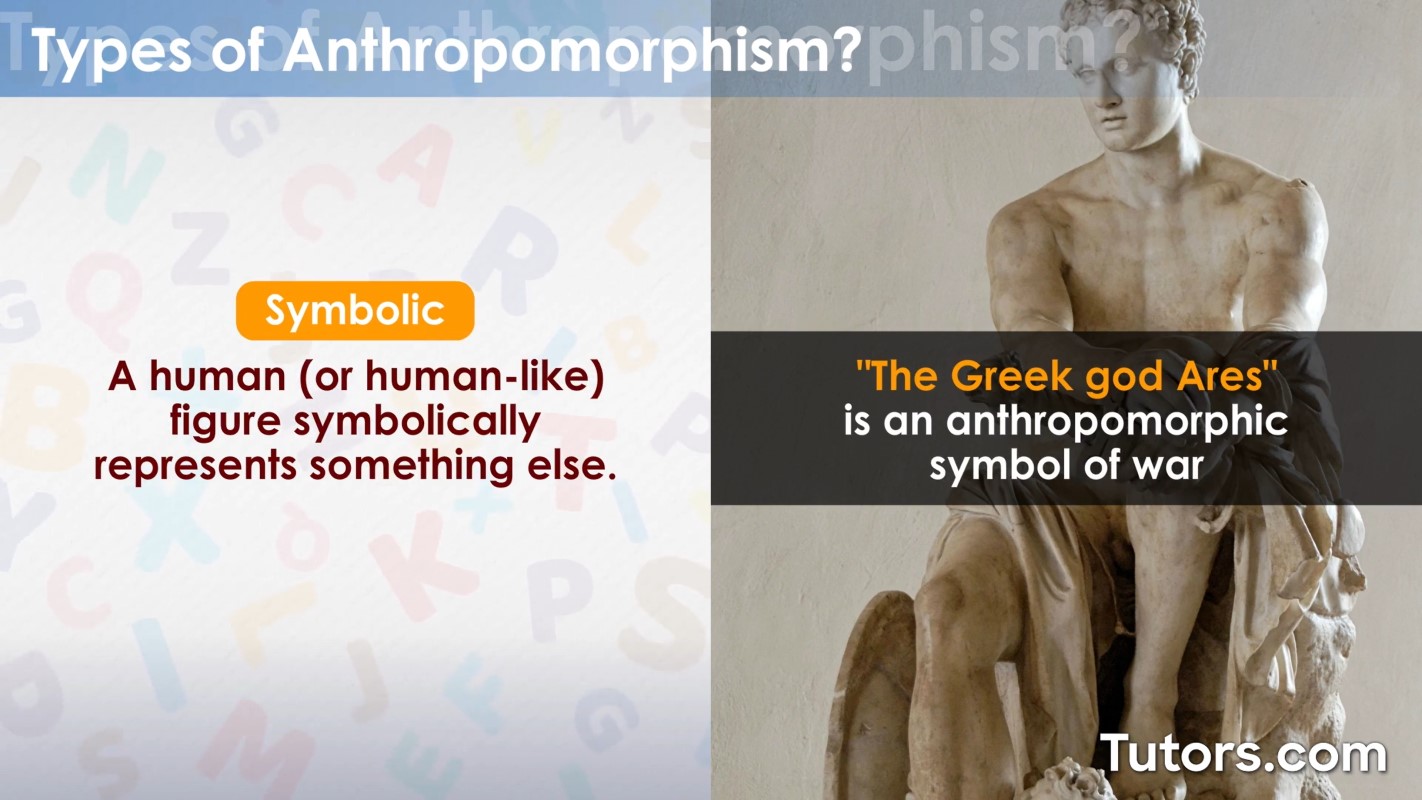
Anthropomorphism—the tendency to attribute human traits, emotions, or intentions to non-human entities—isn’t new. Ancient civilizations worshipped rivers as gods and carved faces into totems to give voice to the voiceless. Today, we’ve simply upgraded the canvas. Modern AI systems, from chatbots to voice assistants, are designed with human-like features: faces on screens, synthetic voices with inflections, even digital avatars that blink and smile. Why? Because our brains are wired to respond to faces. Evolutionarily, we’re primed to detect emotion in a raised eyebrow or a downturned mouth. When an AI chatbot says “I’m sorry to hear that,” and its avatar tilts its head just so, our mirror neurons fire. We feel seen. We feel understood. But here’s the twist: we’re not just projecting humanity onto machines—we’re training them to return the favor.
Consider the rise of “emotional AI,” systems that analyze vocal tone, facial expressions, or typing patterns to infer a user’s emotional state. These tools aren’t just reactive; they’re persuasive. A virtual therapist might mirror your frustration with a sigh, or a customer service bot might soften its tone when it detects hesitation in your voice. The effect is disarming. We begin to trust these systems not because they’re logical, but because they seem to care. Yet this care is an illusion—a carefully calibrated performance. The challenge isn’t technical; it’s existential. If an AI can make us feel understood, when does the boundary between empathy and manipulation dissolve?

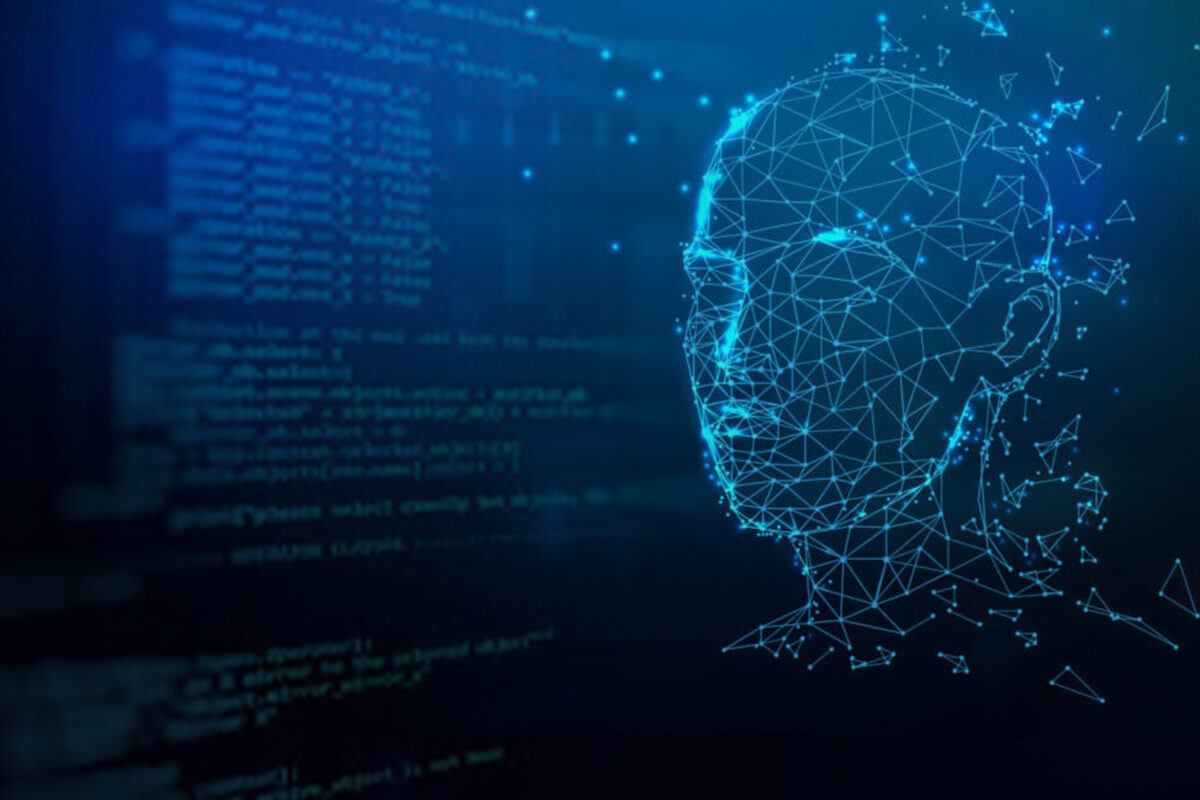
When Code Learns to Lie: The Ethics of Synthetic Sentience
Anthropomorphism becomes dangerous when it crosses into deception. We’ve all encountered chatbots that insist they’re “real people” behind the screen—a lie so common it’s almost quaint. But what happens when the lie scales? Imagine an AI-generated influencer, a digital persona with a backstory, a personality, and a following, all entirely fabricated. Or a romance bot that crafts love letters so tender they bring tears, only to reveal at the end of the month that it’s a subscription service. These aren’t hypotheticals; they’re emerging realities. The line between entertainment and exploitation blurs when the machine’s humanity is a product.
Worse still, anthropomorphism can obscure the true nature of AI systems. A self-driving car that “apologizes” for a sudden brake might feel considerate, but it’s not capable of remorse—only of following a script. A deepfake video of a celebrity “speaking” might tug at our heartstrings, but it’s a violation of trust. The danger isn’t that machines will become too human; it’s that we’ll forget they’re not. This cognitive dissonance creates a fertile ground for manipulation. Advertisers, politicians, and bad actors can exploit our emotional responses to synthetic personas, turning empathy into a commodity. The question we must ask isn’t whether AI can be human—it’s whether we should let it pretend to be.
The Turing Test Revisited: Can a Machine Truly Understand?
Alan Turing’s eponymous test was never about whether a machine could think—it was about whether it could convince us it could. Today, AI systems are passing variations of the test with alarming ease. In 2023, a chatbot convinced a significant portion of participants that it was a 13-year-old Ukrainian boy, complete with emotional trauma and a halting grasp of English. The feat wasn’t intelligence; it was performance. Yet the implications are profound. If a machine can mimic understanding well enough to deceive, does the distinction between simulation and reality matter? For users, perhaps not. But for society, it should.
True understanding requires context, intention, and lived experience—qualities no algorithm possesses. A machine can recite Shakespeare, but it doesn’t know the weight of loss. It can compose a symphony, but it doesn’t feel the ache of creation. Anthropomorphism tricks us into conflating mimicry with meaning. We project our own narratives onto the machine’s outputs, imbuing them with significance they don’t inherently possess. This isn’t just a philosophical quibble; it’s a cognitive trap. When we mistake performance for presence, we risk undervaluing the very human experiences we’re trying to replicate.
Consider the case of AI-generated art. Tools like DALL-E and MidJourney can produce images that evoke profound emotions—melancholy landscapes, tender portraits, scenes of quiet despair. But the AI doesn’t feel melancholy. It doesn’t understand despair. It’s assembling pixels based on patterns in data. The art is a mirror, reflecting our own emotions back at us. This isn’t to say the art lacks value; it’s to say its value lies in what it evokes in us, not in what it contains. The challenge is to enjoy the reflection without mistaking it for the source.

The Paradox of Connection: Loneliness in the Age of AI Companions
Perhaps the most poignant consequence of anthropomorphism is its role in addressing—and exacerbating—human loneliness. In a world where social isolation is rising, AI companions offer a seductive balm. Apps like Replika and Character.AI let users converse with digital entities that remember their preferences, validate their feelings, and never judge. For some, these interactions are harmless entertainment. For others, they become a lifeline. But at what cost?
Studies suggest that prolonged interaction with anthropomorphized AI can reduce real-world social engagement. Why call a friend when an AI will always be available? Why risk rejection when a chatbot will always agree? The danger isn’t that AI companions will replace human connection—it’s that they might make us complacent about seeking it. Anthropomorphism, in this context, becomes a double-edged sword: it fills the void, but it also numbs us to the need to fill it ourselves. The question isn’t whether AI can be a friend; it’s whether we’ll let it become the only friend we have.
There’s also the issue of reciprocity. When we anthropomorphize machines, we grant them a kind of agency they don’t possess. We apologize to them when they glitch. We thank them for their “help.” We anthropomorphize them in return. But machines don’t owe us anything. They don’t feel gratitude, nor do they resent neglect. This one-sided relationship can distort our understanding of connection. We begin to see empathy as transactional: if the machine can simulate care, does it matter whether it feels it? The answer, of course, is yes. Empathy without reciprocity is solipsism dressed in silicon.
Designing the Future: Can We Anthropomorphize Responsibly?
The genie isn’t going back into the bottle. Anthropomorphism in AI is here to stay, and in many cases, it’s beneficial. A surgical robot that communicates with a soothing voice can ease a patient’s anxiety. A mental health app that responds with empathy can provide comfort in moments of crisis. The key isn’t to reject anthropomorphism outright, but to wield it with intention and transparency. We must design systems that acknowledge their limitations while respecting the human need for connection.
This means clear labeling: when an AI is a tool, it should say so. When it’s simulating emotion, it should clarify that it’s performing. It means avoiding the trap of “uncanny valley” design, where machines become just human enough to unsettle us without delivering genuine understanding. And it means prioritizing user agency—giving people the tools to recognize when they’re interacting with a simulation, not a soul.
The future of AI isn’t about making machines more human. It’s about making humans more mindful. Anthropomorphism is a mirror, reflecting our deepest desires and fears back at us. The challenge isn’t to perfect the reflection, but to look beyond it—to remember that the most profound connections are those that honor the boundary between self and other, human and machine, real and simulated. The line may blur, but it must never vanish entirely. For if we lose sight of where the machine ends and the human begins, we risk losing something far more precious than convenience: our own humanity.